Thor Ascends to Leadership: Marvel Studios Crowns God of Thunder as New Avengers Leader in ‘Avengers: Doomsday’ Trailer Reveal

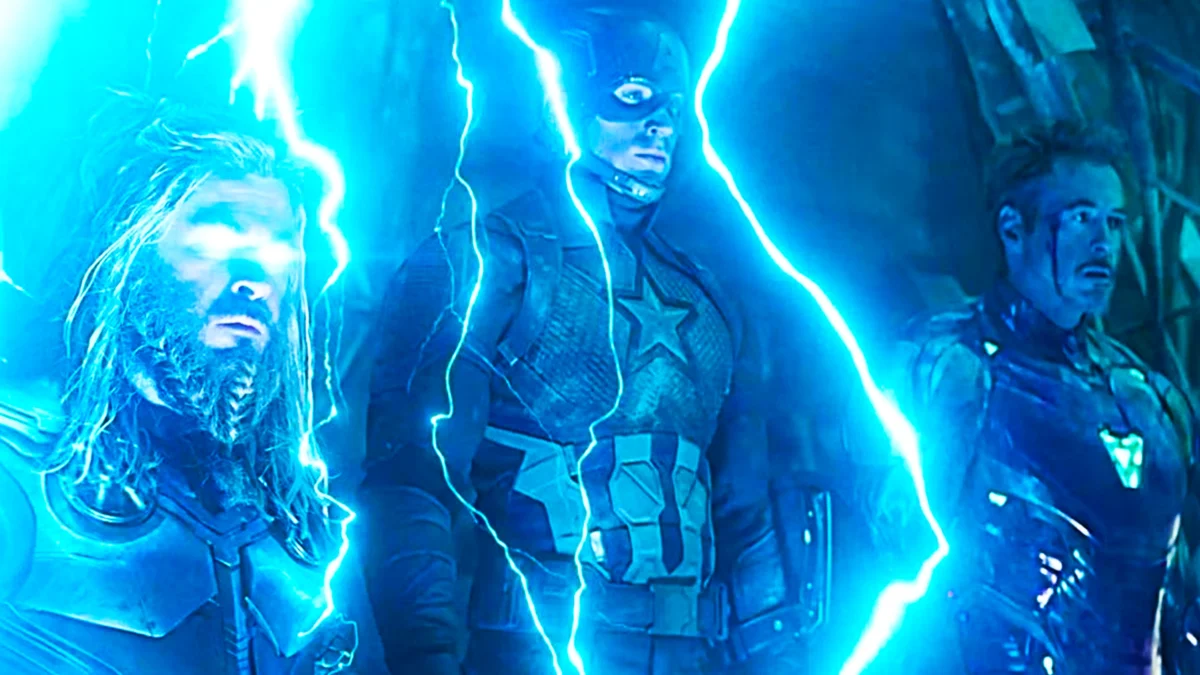
Nearly a decade has passed since the seismic events of Avengers: Endgame fundamentally reshaped the Marvel Cinematic Universe, leaving a monumental void in its leadership. With Tony Stark (Iron Man) having made the ultimate sacrifice and Steve Rogers (Captain America) retiring from active duty, the pressing question of who would inherit the mantle of leadership for Earth’s Mightiest Heroes, and indeed the broader constellation of MCU champions, has loomed large throughout the Multiverse Saga. This critical query has now been definitively answered, with Marvel Studios officially positioning Thor Odinson as the new central figure to spearhead the franchise’s next epic confrontation.
The Revelation at CinemaCon 2026
The groundbreaking announcement came during CinemaCon 2026, the premier gathering for film industry professionals, where Marvel Studios unveiled the highly anticipated first official trailer for Avengers: Doomsday. The presentation itself was an event of considerable magnitude, featuring an unexpected and symbolic appearance by Robert Downey Jr. and Chris Evans, the iconic actors behind Iron Man and Captain America, alongside Marvel Studios President Kevin Feige and acclaimed directors Joe and Anthony Russo. Their presence underscored the gravity of the reveal, lending a tacit endorsement to the changing of the guard. While the public eagerly awaits the widespread release of this promotional material, early reports from attendees confirm that the footage unequivocally positions Thor as the new leader, not merely of a specific Avengers roster, but of the collective assembly of all known and active heroes within the MCU. This expansive definition harks back to Captain America’s rallying cry of "Avengers Assemble" during the climactic Battle of Earth in Avengers: Endgame, signifying a unified front against an unprecedented threat.
The Leadership Vacuum Post-Infinity Saga
The conclusion of the Infinity Saga in 2019 marked a zenith for Marvel Studios, culminating a meticulously crafted narrative arc spanning 22 films. The triumphant defeat of Thanos, however, came at a profound cost, particularly in the realm of leadership. Iron Man, the architect of the Avengers and a brilliant strategist, sacrificed his life to wield the Infinity Gauntlet, leaving an irreplaceable intellectual and emotional void. Captain America, the moral compass and tactical field leader, chose retirement, passing his iconic shield to Sam Wilson, who has since grappled with the immense legacy of the title. This dual departure necessitated a re-evaluation of the leadership structure for the nascent Multiverse Saga, a period characterized by burgeoning threats and the introduction of numerous new heroes.
For years, speculation ran rampant among fans and industry analysts regarding who would rise to fill this leadership chasm. Several prominent figures emerged as logical contenders, each possessing unique qualifications. Doctor Strange, having played a pivotal role in confronting Thanos and subsequently becoming a key figure in navigating the complexities of the multiverse in Phase 4, seemed a natural fit due to his immense power and strategic intellect. Sam Wilson, as the new Captain America, carried the symbolic weight of Steve Rogers’ legacy and was expected by many to step into the forefront. Captain Marvel, possessing unparalleled cosmic power and demonstrating clear leadership qualities throughout the Infinity Saga, particularly during the Battle of Earth, was another strong candidate, often touted as potentially the most powerful hero in the MCU. Yet, in a move that has surprised some but resonated deeply with the franchise’s foundational narrative, the God of Thunder has been tapped for this crucial role.
Thor’s Evolution and Readiness for Command
The trailer for Avengers: Doomsday showcased Thor in a significantly matured and commanding light, a stark contrast to some of his previous portrayals. In the footage, he is not merely a formidable warrior but the central figure rallying his allies against the looming threat of Doctor Doom. His impassioned speech to the assembled heroes is a striking blend of Tony Stark’s blunt honesty regarding the gravity of a threat and Steve Rogers’ inspirational call to unity.

"I have fought with many warriors in my time," Thor declares in the trailer. "They were far stronger than any of us combined, and they died. They died facing enemies and threats that scared me far less than this one. Everything that we sacrificed will be for nothing if we do not stand together. If you return, you will return as brothers and sisters, but mark my words, we’re going to need a miracle."
This dialogue is particularly significant. Tony Stark was often the first to sound the alarm on cosmic threats, his warnings about Thanos initially falling on deaf ears, demonstrating a pragmatic realism. Steve Rogers, conversely, was renowned for his ability to inspire hope and solidarity, famously delivering rousing speeches, including the one before the time heist in Avengers: Endgame. Thor’s address synthesizes these two essential leadership qualities, acknowledging the dire reality of their situation while simultaneously igniting a collective will to fight. This represents a profound evolution for a character who, by the end of Avengers: Endgame, was struggling with profound guilt and depression, and whose subsequent appearances in Thor: Love and Thunder saw him embracing a more comedic, if somewhat aimless, persona.
His character arc, stretching back to his earliest appearances, has been one of consistent growth. From an arrogant prince exiled to Earth, he learned humility. Through the losses of his family, his home world Asgard, and countless allies, he has endured immense suffering, forging him into a resilient, albeit often flawed, leader. His current perceived maturity, potentially influenced by his new role as a father to Love, provides a fresh dimension to his character, aligning him perfectly with the gravitas required of the Avengers’ new head.
The Threat of Doctor Doom: A Formidable Challenge
The choice of Doctor Doom as the primary antagonist for Avengers: Doomsday further elevates the significance of Thor’s leadership. Victor Von Doom, a character long-awaited by MCU fans, is not merely a powerful foe but a villain of immense intellect, political cunning, and magical prowess. Hailing from the fictional nation of Latveria, Doom is a monarch, scientist, sorcerer, and master strategist whose ambition often extends to global or even multiversal domination. His introduction signifies a new level of threat, one that demands a leader capable of uniting diverse heroes against a multifaceted challenge.
Doom’s comic book history is replete with instances where he has outmaneuvered and even defeated entire superhero teams. His blend of technological genius (rivaling Stark’s) and mastery of the mystic arts (challenging Strange’s) makes him a uniquely dangerous adversary. To confront such a foe requires not just raw power, but astute leadership that can coordinate disparate abilities, foster unity, and maintain morale in the face of overwhelming odds. Thor, with his millennia of experience in cosmic warfare and his deep understanding of both human and alien strengths, is uniquely positioned to guide this diverse coalition against a threat as encompassing as Doctor Doom.
Strategic Implications for Marvel Studios
The decision to crown Thor as the new Avengers leader carries significant strategic implications for Marvel Studios, both narratively and commercially.
Narrative Continuity and Legacy: Thor is the last remaining member of the original "Big Three" (Iron Man, Captain America, Thor) who began the Avengers’ journey. His elevation to lead ensures a direct line of succession from the foundational heroes, providing a sense of continuity and legacy for a franchise that is actively rebuilding. While characters like Doctor Strange and Captain Marvel are powerful, they joined the core Avengers later in the Infinity Saga. Sam Wilson, despite inheriting the shield, is still relatively new to the pressures of leading a global, multiversal team. Thor’s long-standing presence and shared history with the original team offer a crucial bridge to the past while steering towards the future. This move signifies Marvel’s intent to honor its legacy while forging new paths.
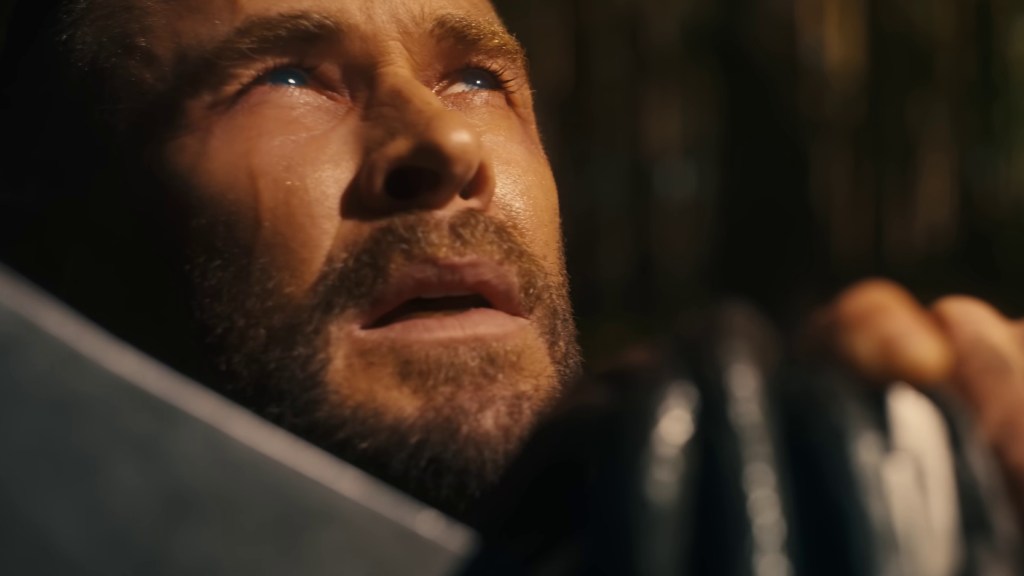
Character Redemption and Growth: From a character development standpoint, Thor’s new role offers a powerful arc of redemption. His struggles with guilt over failing to stop Thanos in Infinity War and his subsequent withdrawal in Endgame were poignant moments. This new leadership position provides him an opportunity to make amends, not necessarily for public absolution, but for his own personal healing and self-forgiveness. It’s a chance for him to fully embrace his potential and demonstrate the wisdom garnered from his past failures. This arc resonates deeply with audiences who appreciate complex, evolving characters.
Market Appeal and Star Power: Commercially, placing Chris Hemsworth’s Thor at the forefront is a shrewd move. Hemsworth is an internationally recognized star, and Thor remains one of the most popular and recognizable characters in the MCU. In an era where some recent MCU projects have faced challenges with critical reception and box office performance compared to the Infinity Saga’s heyday, leveraging a beloved and established character in a central leadership role can help re-energize fan enthusiasm and draw broader audiences back to cinemas. The perceived "soft reboot" nature of the Multiverse Saga benefits immensely from having a familiar, strong anchor.
Addressing Fan Debates: This announcement also provides a definitive answer to a long-running fan debate. For years, communities on platforms like the ComicBook Forum and Reddit have extensively discussed who should lead the Avengers next. While Doctor Strange, Captain Marvel, and the new Captain America had strong cases, Thor’s enduring presence, unique cosmic perspective, and recent character growth now position him as a compelling choice that many will find satisfying. It suggests a thoughtful consideration by Marvel Studios of both narrative progression and audience sentiment.
Broader Impact on the Multiverse Saga
The anointing of Thor as leader carries substantial implications for the direction of the Multiverse Saga as a whole. This era of the MCU has, at times, been criticized for lacking a clear overarching narrative and a central figure to tie together its disparate threads. By establishing Thor as the primary leader, Marvel Studios signals a more focused approach, potentially providing the narrative cohesion that fans have been seeking. His experience with cosmic threats, multiversal phenomena (as seen in What If…? and hinted at in Loki), and his ability to interact with various alien races and mystical elements make him an ideal candidate to navigate the complex, interconnected challenges of the Multiverse Saga.
This decision also implies a recalibration of the power dynamics within the MCU. While Doctor Strange continues to be crucial for multiversal issues and Captain Marvel remains an immensely powerful force, Thor’s leadership indicates a strategic decision to center the main Avengers initiative around a character who embodies both raw power and seasoned wisdom, a true veteran of countless battles. It suggests a return to a more traditional, yet evolved, Avengers team structure, with a clear chain of command and a unified vision under a figure capable of inspiring both Earth-bound and cosmic heroes.
In conclusion, the reveal from CinemaCon 2026, positioning Thor as the new leader of the Avengers for Avengers: Doomsday, marks a pivotal moment for the Marvel Cinematic Universe. It’s a move that addresses the lingering questions of post-Endgame leadership, leverages a beloved character’s profound arc of growth and redemption, and strategically positions the franchise for its next major chapter against a formidable adversary in Doctor Doom. Thor, the last of the original Big Three standing, now carries the torch, embodying a potent blend of courage, wisdom, and resilience, ready to rally a new generation of heroes to face the greatest threats the multiverse has to offer. The future of the MCU, under the thunderous leadership of Asgard’s finest, appears both promising and dramatically compelling.