Looking Back at Denis Villeneuve’s Prisoners: A Masterclass in Psychological Suspense and an Accidental Superhero Reunion

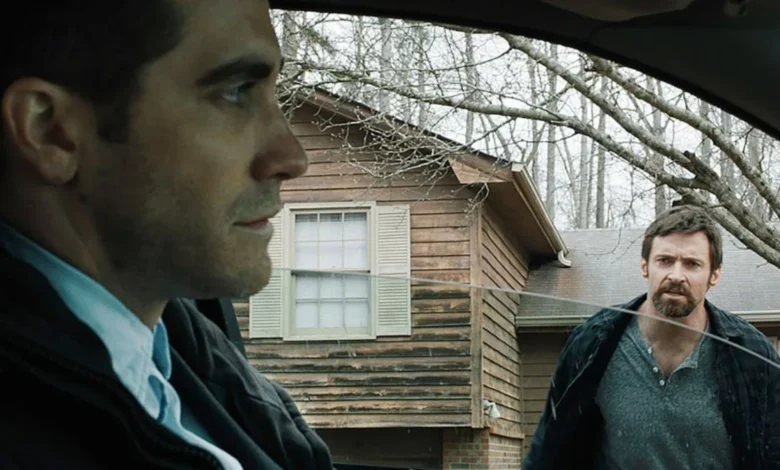
Released in theaters worldwide in the autumn of 2013, Denis Villeneuve’s gripping crime drama Prisoners remains one of the defining psychological thrillers of the 21st century. Long before Villeneuve commanded the global box office with monumental science-fiction epics like Dune and Blade Runner 2049, he crafted a gritty, morally complex exploration of human desperation. Set against the bleak, rain-slicked backdrop of suburban Pennsylvania, the film opens during a seemingly idyllic Thanksgiving gathering. However, the holiday descends into an absolute nightmare when six-year-old Anna Dover and her friend Joy Birch vanish without a trace. What follows is a harrowing investigation that forces law enforcement, grieving parents, and desperate community members to confront the absolute limits of their morality.
The Anatomy of a Missing Persons Investigation
The narrative framework of Prisoners immediately establishes high stakes through two contrasting figures: Keller Dover, a working-class father played by Hugh Jackman, and Detective Loki, a meticulous, heavily tattooed investigator portrayed by Jake Gyllenhaal. When the local police department seizes upon their primary suspect—a troubled young man named Alex Jones, played by Paul Dano—they quickly hit a procedural roadblock. Due to a critical lack of physical evidence linking Jones to the abduction site, the legal system demands his release.
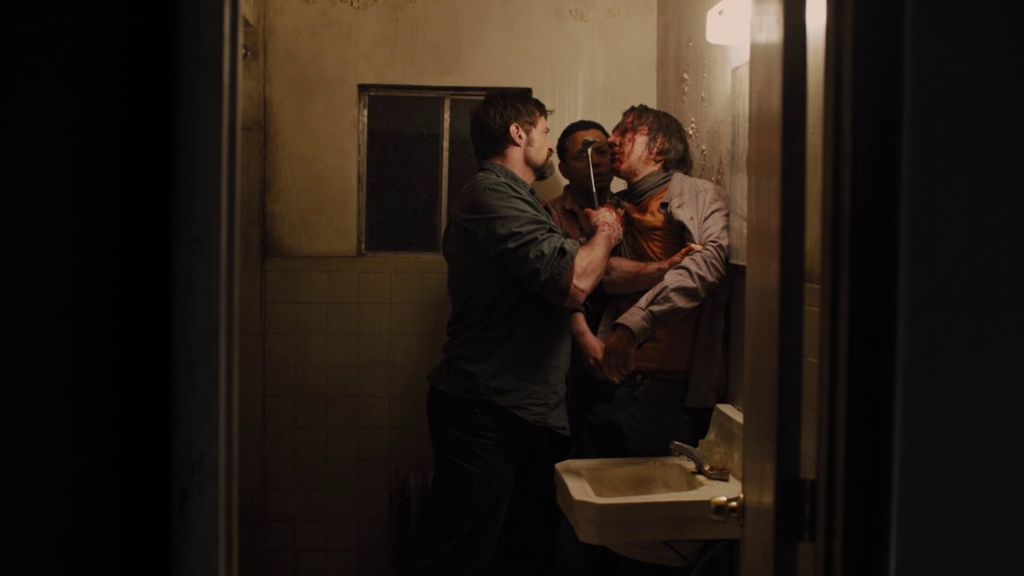
For Keller, legal protocol is entirely insufficient. Driven by a volatile mix of paternal panic and righteous fury, Keller takes matters into his own hands, tracking down Jones after his release and subjecting him to brutal interrogation tactics. This plot point represents one of the script’s most sophisticated maneuvers. Rather than presenting Keller as a traditional cinematic avenger operating on infallible instincts, the narrative paints him as an erratic, dangerous figure who commits severe crimes against an individual whose guilt remains unproven. This moral ambiguity elevates the film far beyond standard revenge-fantasy tropes, transforming it into a grueling study of righteous corruption.
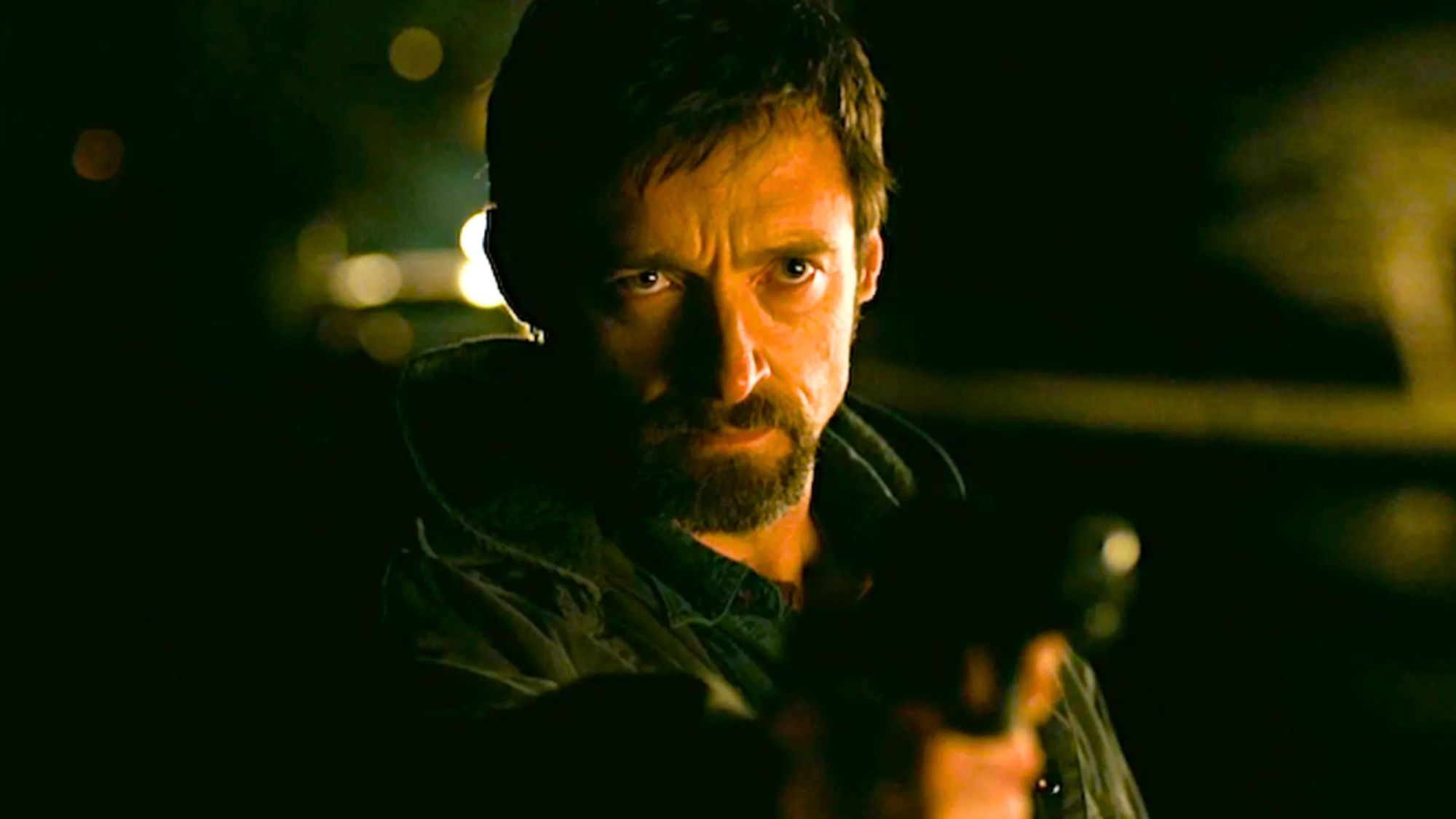
Parallel to Keller’s descent is Detective Loki’s methodical hunt for the truth. Gyllenhaal plays Loki with a quiet, coiled intensity—conveyed through subtle tics, compulsive blinking, and an unwavering commitment to the badge. Where Keller acts out of immediate, violent desperation, Loki relies on evidence, patience, and institutional procedure. The ideological friction between the two men drives the central tension of the film, raising profound questions about whether the ends can ever justify the means in the pursuit of justice.
Box Office Performance and Critical Reception
Distributed by Warner Bros. Pictures, Prisoners arrived in North American theaters on September 20, 2013, following a critically acclaimed premiere at the Toronto International Film Festival. The film achieved immediate commercial and critical success, defying expectations for a grim, R-rated psychological drama.
During its opening weekend, Prisoners dominated the domestic box office, securing the number-one spot with an impressive $20.8 million haul. Over its global theatrical run, the feature accumulated approximately $122.2 million worldwide against an estimated production budget of $46 million, proving that adult-oriented mystery dramas could still command strong theatrical numbers. Critical consensus was overwhelmingly positive; the film currently holds an 81% approval rating on Rotten Tomatoes alongside an 87% audience score. Reviewers widely praised Roger Deakins’ shadowy, atmospheric cinematography, Aaron Guzikowski’s intricate screenplay, and the powerhouse central performances delivered by its ensemble cast.
A Stacking Ground for Future Franchise Icons
One of the most fascinating retrospective elements of Prisoners is its inadvertent assembly of performers who would go on to define modern comic book cinema. At the time of its release, the cast already featured established stars, but few observers could have predicted the sheer volume of major cinematic franchises these actors would soon anchor.

Hugh Jackman was already a global icon for his definitive portrayal of Wolverine in 20th Century Fox’s X-Men franchise, a role he inhabited for over two decades. However, Prisoners offered him a stark departure from mutant heroism, casting him as a deeply flawed, agonizingly human father. Jake Gyllenhaal, who plays the obsessive Detective Loki, would later cross into the superhero landscape as the enigmatic villain Mysterio in Marvel Studios’ Spider-Man: Far From Home (2019).
Paul Dano, whose haunting portrayal of Alex Jones anchors much of the film’s early mystery, made a seismic return to the comic book genre nearly a decade later as the Riddler in Matt Reeves’ neo-noir masterpiece The Batman (2022). His ability to portray figures who blur the line between victim and perpetrator was already fully formed in Villeneuve’s thriller.
The supporting cast is similarly stacked with performers who have left indelible marks on both the Marvel Cinematic Universe and DC Extended Universe:
- Viola Davis, who delivers an emotionally devastating performance as grieving mother Nancy Birch, would later become a cornerstone of the DC universe as the ruthless government operative Amanda Waller across the Suicide Squad films and associated television projects.
- Terrence Howard, who portrays Franklin Birch, previously established his footing in the superhero genre as James "Rhodey" Rhodes in the inaugural Iron Man (2008) before Don Cheadle assumed the role in subsequent sequels.
- David Dastmalchian plays the disturbed Bob Taylor, expanding a prolific career in comic book adaptations that includes Kurt in Marvel’s Ant-Man trilogy, Polka-Dot Man in The Suicide Squad, and Abra Kadabra in DC’s The Flash television series.
- Dylan Minnette, who appears briefly as Keller’s teenage son Ralph, later stepped into the Marvel fold as Donnie Gill in ABC’s Agents of S.H.I.E.L.D.
Denis Villeneuve’s Transition to Hollywood Dominance
For director Denis Villeneuve, Prisoners served as a vital stepping stone in his transition from acclaimed independent Canadian cinema to major Hollywood studio filmmaking. Prior to 2013, Villeneuve was celebrated for foreign-language dramas, notably the Academy Award-nominated French-Canadian feature Incendies (2010).
Prisoners marked his first American feature film, proving that he could maintain his signature artistic discipline—characterized by deliberate pacing, moody atmospheres, and intense psychological exploration—within a commercial studio framework. The visual and thematic techniques refined during the production of Prisoners laid the direct groundwork for his subsequent cinematic triumphs, including the drug-cartel thriller Sicario (2015), the visionary science-fiction drama Arrival (2016), the cyberpunk epic Blade Runner 2049 (2017), and his monumental adaptations of Frank Herbert’s Dune.
Industry analysts often point to Prisoners as the turning point where Hollywood recognized Villeneuve’s capacity to handle high-stakes, multi-layered narratives with absolute precision. His ability to evoke profound unease without relying on cheap jump scares established him as a premier auteur of modern suspense.
Broader Impact and Legacy
More than a decade after its initial release, Prisoners holds up as a towering achievement in modern mystery filmmaking. While some critics at the time noted that its sprawling runtime and intricate twists occasionally leaned toward melodrama, the film’s psychological depth and tonal consistency have ensured its lasting reputation. It avoids the temptation of offering clean, comforting resolutions, instead leaving audiences to ponder the psychological fallout of trauma and the dangerous seduction of vigilante justice.
As Villeneuve continues to shape the landscape of contemporary cinema with upcoming entries in the Dune saga, revisiting his earlier work offers a clear look at a master filmmaker sharpening his craft. For viewers seeking a taut, morally grey psychological thriller backed by career-best performances from an all-star cast, Prisoners remains essential viewing and stands proudly as a modern classic of the genre.