Brad Pitt and Edward Berger Set to Revive World War Z Franchise in Upcoming Paramount Sequel

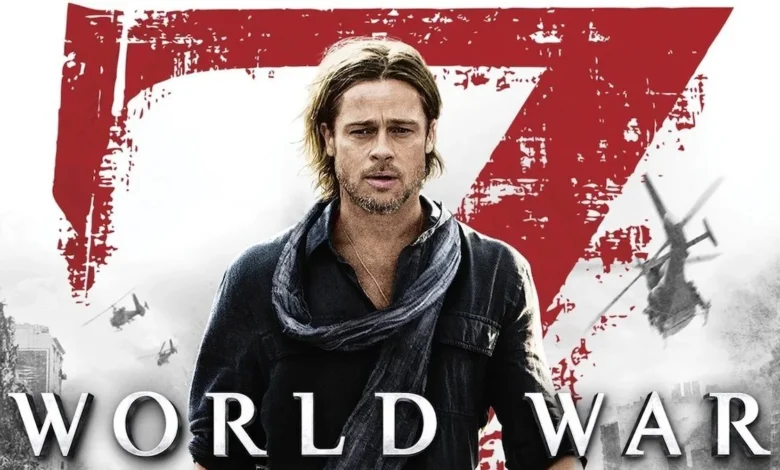
After more than a decade of speculation, production delays, and creative shifts, Paramount Pictures has officially moved forward with a sequel to the 2013 blockbuster World War Z. Industry reports confirm that Brad Pitt will reprise his role as United Nations investigator Gerry Lane, with acclaimed filmmaker Edward Berger—fresh off the success of the political thriller Conclave—tapped to direct the project. The announcement marks the end of a long-standing development stalemate for the franchise, signaling a major strategic push by the studio to revitalize one of its most commercially successful intellectual properties.
The production will be scripted by Dennis Kelly, known for his work on the British cult hit Utopia and the screenplay for Matilda: The Musical. The reunion of Pitt and Berger comes swiftly on the heels of their collaboration on the upcoming A24 film The Riders, which recently concluded principal photography.
A Chronology of a Long-Gestating Sequel
The path to a second installment of World War Z has been notoriously circuitous. Following the release of the original film in the summer of 2013, Paramount expressed immediate interest in a franchise expansion. However, the path to production was plagued by shifting creative visions.
In 2017, the project gained significant momentum when Paramount tapped David Fincher to direct, reuniting him with his Seven and Fight Club star, Brad Pitt. For nearly two years, the collaboration was touted as a high-concept alternative to typical genre fare. However, by early 2019, the studio officially shuttered the project, citing concerns over budget ballooning and logistical constraints. The failure of the Fincher-led iteration left the intellectual property in a state of indefinite dormancy, leading many industry analysts to conclude that the franchise had effectively run its course.
The revival of the project is attributed largely to the professional chemistry established between Pitt and Berger during the production of The Riders. According to industry insiders, Pitt, who served as a primary advocate for the sequel throughout its years in development hell, began discussing the potential for a new iteration of World War Z with Berger during their time on the A24 set. These conversations served as the catalyst for a new deal, effectively bypassing the logistical hurdles that had derailed previous attempts to continue the story.

Financial Performance and Market Context
The original World War Z, while loosely based on Max Brooks’ 2006 novel World War Z: An Oral History of the Zombie War, became a massive financial success despite a turbulent production history of its own, which included extensive reshoots. The film grossed approximately $540 million worldwide, cementing its place as one of the highest-grossing zombie-themed movies in cinematic history.
However, the film’s critical reception remained polarized. While audiences responded to the high-stakes action sequences and the scale of the "swarming" zombie mechanics, critics often pointed to the lack of fidelity to the source material. Brooks’ novel is framed as a series of oral histories documenting the geopolitical collapse caused by a global pandemic, whereas the film opted for a more traditional, character-focused action thriller format.
The decision to revisit this narrative in 2026 reflects a broader trend in Hollywood: the reliance on established, recognizable IP to mitigate financial risk in an increasingly fragmented streaming and theatrical landscape. Despite the saturation of the zombie genre—ranging from the long-running television success of The Walking Dead to various international horror offerings—Paramount appears confident that the return of a major star like Pitt, combined with the prestige directing pedigree of Edward Berger, will provide enough differentiation to warrant a theatrical release.
Creative Direction and Narrative Challenges
The narrative challenge facing Kelly and Berger is substantial. The first film concluded with Gerry Lane successfully identifying a "camouflage" pathogen that allowed human survivors to move among the infected without being detected, effectively blunting the immediate threat of the pandemic.
In the current cinematic landscape, where "pandemic fatigue" has become a genuine concern for audiences following the real-world events of 2020 and beyond, the narrative team must carefully navigate the tone of the sequel. Unlike the original, which arrived during the height of a zombie-trend peak, the sequel will be entering a market where audiences are more sensitive to themes of societal collapse and viral outbreaks.
While no plot details have been officially released, industry speculation suggests that the sequel may lean closer to the structural complexity of Brooks’ novel, potentially moving away from the "hero-centric" narrative of the first film to explore the lingering geopolitical ramifications of a world permanently altered by a biological threat.
Implications for the Horror Genre and Paramount
The hiring of Edward Berger is perhaps the most significant indicator of the studio’s intentions for the film. Berger, whose work on the Oscar-winning All Quiet on the Western Front and the tense, procedural focus of Conclave demonstrates a mastery of pacing and high-stakes tension, suggests that the studio is looking to elevate the sequel beyond the standard tropes of the action-horror genre.
For Paramount, this sequel represents a critical asset. With the studio looking to bolster its tentpole offerings, the revival of World War Z serves as a hedge against the unpredictability of new franchise development. By leveraging a known entity with a proven global box-office track record, the studio is positioning itself to capture both legacy fans of the 2013 film and a new generation of viewers drawn to high-production-value horror.
Industry Reactions and Future Outlook
The announcement has triggered a wave of discussion regarding the sustainability of the zombie subgenre. While some critics argue that the trope has been exhausted, others maintain that the inherent adaptability of the "undead" narrative allows for constant reinvention. The success of the upcoming project will likely depend on the film’s ability to evolve the genre’s visual language.
"The industry has a habit of returning to the well when it comes to proven commodities," noted a media analyst familiar with studio operations. "However, the success of this sequel will hinge on whether they can move past the 2013 formula. If they replicate the same beats, it might struggle to find an audience. If they bring a new, sophisticated perspective—which Berger is certainly capable of—it could set a new benchmark for horror-action hybrid films."
As of late 2026, the project remains in the early stages of pre-production. With the script currently in development under Dennis Kelly, observers expect casting announcements and production timelines to follow in early 2027. For now, the "Zombie Boogaloo," as some industry wags have jokingly dubbed it, represents a bold, if not entirely unexpected, bet by Paramount on the enduring power of the global box-office appeal of Brad Pitt and the persistent, if weary, public appetite for high-stakes apocalyptic cinema.
The project now enters a rigorous development phase, where the studio will likely focus on budget control to avoid the pitfalls of the ill-fated 2019 iteration. With a director known for disciplined storytelling and a star with a vested interest in the franchise’s legacy, the upcoming sequel to World War Z is poised to be one of the most scrutinized productions in the coming years. Whether it can replicate or exceed the $540 million success of its predecessor remains the central question for Paramount as they prepare to re-animate the global zombie war.