The cinematic legacy of Capcom’s foundational survival horror franchise, Resident Evil, has long been defined by an inherent tension between direct source-material fidelity and the demands of cinematic adaptation. Since the release of the original 1996 PlayStation title, which introduced players to the claustrophobic corridors of the Spencer Mansion and the sudden, heart-stopping terror of a zombified dobermann crashing through a glass window, the property has undergone numerous iterations on the silver screen. Following a commercially successful, multi-film franchise helmed by Paul W.S. Anderson throughout the 2000s and 2010s—which leaned heavily on superficial iconography such as iconic character cameos, tactical attire, and signature sunglasses—recent creative directions have shifted dramatically. The 2026 theatrical release of the Zach Cregger-directed Resident Evil reboot represents a watershed moment for the intellectual property, proving that breaking away from rigid adherence to established game canon can yield a more effective, atmospheric horror film.
Main Facts and Narrative Divergences
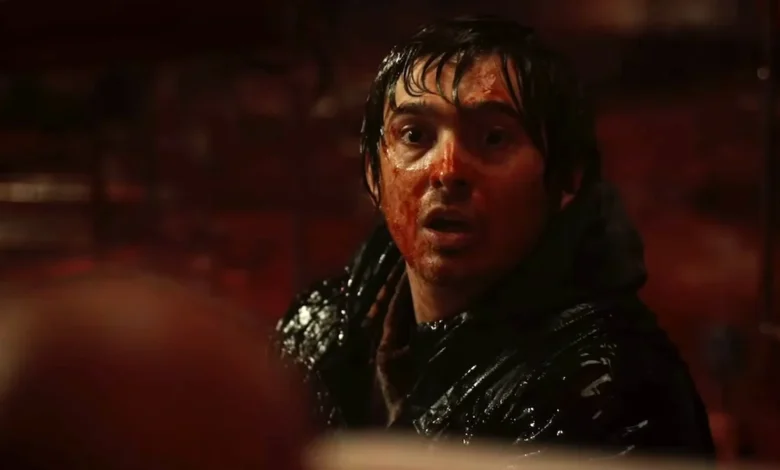
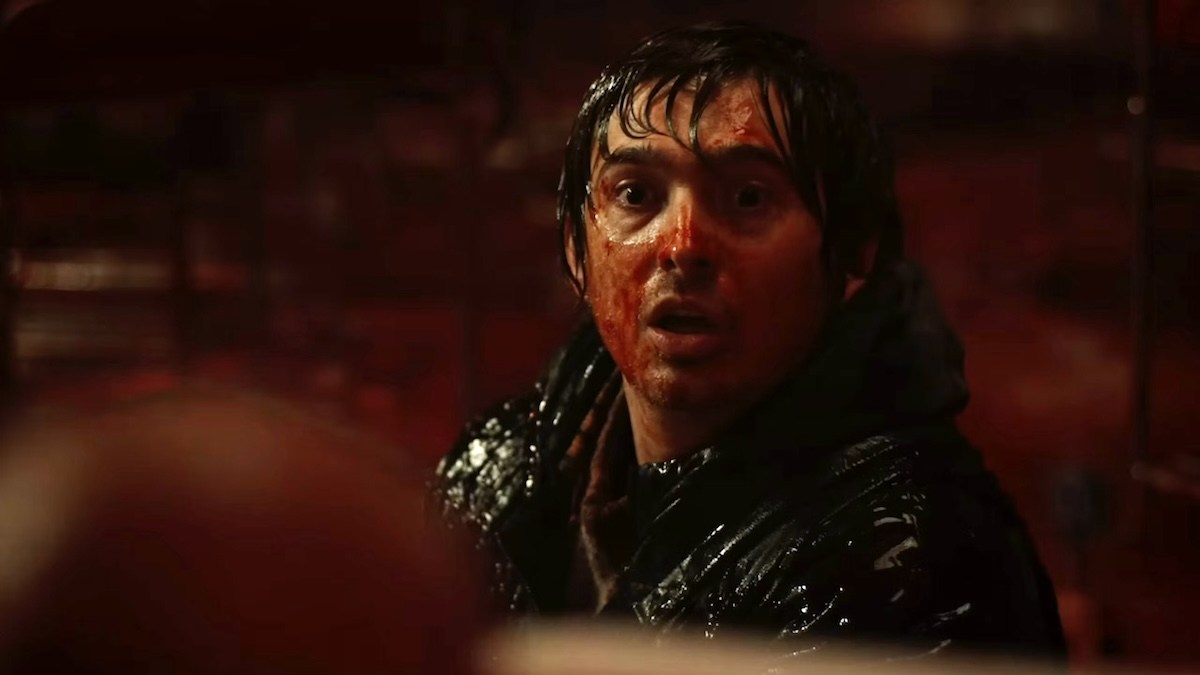
In the latest cinematic interpretation, Cregger establishes an entirely new entry point into the biohazard lore by casting Austin Abrams as Bryan, a medical courier whose routine delivery assignment turns catastrophic in a desolate, frozen rural landscape. Moving away from the classic Raccoon City zombie outbreak tropes established in the early games, Cregger introduces mutated threats that amalgamate various distinct biological hazards from across Capcom’s decades-long catalog.
Rather than featuring standard undead hounds, the film introduces a live canine adversary that exhibits hyper-aggressive agility, ultimately revealing the capability to burst through structural walls and unleash a horrifying tentacled appendage from its mouth. This mutation bears a striking functional resemblance to the Las Plagas parasites introduced in later installments like Resident Evil 4 and Resident Evil 5, despite the film chronologically preceding the discovery of that specific biological agent within official game lore. Furthermore, Cregger introduces Cronenbergian body-horror elements: defeated adversaries do not merely perish or remain static zombies; their severed neck stumps spawn tentacles capable of fusing and merging multiple corpses into a singular, sprawling bio-organic mass. The narrative culminates in a grim fate for Bryan, who exhibits G-virus-esque mutations—specifically reminiscent of William Birkin from Resident Evil 2—by developing a massive ocular mutation and absorbing surrounding biomass in a desperate bid for survival.
Chronology of the Cinematic Franchise
To understand the magnitude of Cregger’s directorial choices, it is necessary to examine the historical timeline of Resident Evil adaptations:
- 2002: Paul W.S. Anderson releases the first live-action Resident Evil film starring Milla Jovovich as Alice, an original character operating outside the game’s core continuity, establishing a high-action, sci-fi-heavy cinematic universe.
- 2004–2016: The Anderson franchise expands across six total films, progressively incorporating game protagonists such as Jill Valentine, Claire Redfield, Chris Redfield, and Albert Wesker, prioritizing action set-pieces and fan-service tokens over traditional survival horror atmosphere.
- 2021: Johannes Roberts directs Resident Evil: Welcome to Raccoon City, an attempt at a more game-accurate adaptation that directly compresses the plots of the first and second video games into a single narrative.
- September 2026: Zach Cregger’s reboot arrives in theaters, trading direct game-accurate character parity and plot points for an original atmospheric thriller that emphasizes resource management, escalating body horror, and psychological isolation.
Supporting Data and Franchise Economics
The Resident Evil multimedia empire represents one of Capcom’s most lucrative and enduring commercial assets. Cumulatively, the video game franchise has shipped over 150 million units worldwide since its debut, positioning it among the top-selling video game properties in history. The previous film adaptations under Sony Pictures and Constantin Film grossed over $1.2 billion globally, demonstrating sustained mainstream audience viability despite frequently mixed critical reception regarding narrative coherence and faithfulness to the source material. Cregger’s 2026 entry enters a crowded market of elevated horror cinema, backed by a production strategy that prioritizes practical creature effects and psychological dread over digital spectacle, signaling a calculated pivot by studio executives to capture both horror enthusiasts and legacy gamers.
Critical Analysis and Industry Responses
Industry analysts and entertainment commentators have noted that Cregger’s willingness to discard rigid adherence to video game lore has polarized long-term fans while winning over mainstream horror critics. Purists have pointed out chronological and biological discrepancies—such as the fusion of T-virus aesthetics, Las Plagas-style appendages, and G-virus-inspired mutations into a single unified threat. However, media scholars argue that these creative liberties allow the film to exploit the unique strengths of the cinematic medium effectively.
By placing an ordinary protagonist into an escalating spiral of corporate conspiracy and uncontrollable biological decay, the film successfully captures the core emotional tenor of the video game franchise: the creeping realization of helplessness, dwindling supplies, and the horrifying evolution of systemic biohazards. Rather than relying on superficial checklist "fan service"—such as obligatory miniskirts or copied dialogue trees—Cregger’s adaptation constructs an independent cinematic ecosystem that respects the underlying thematic DNA of survival horror.
Broader Impact and Implications for Video Game Adaptations
The release and subsequent reception of Cregger’s Resident Evil establish a crucial precedent for future video game-to-film adaptations. As Hollywood continues to mine interactive entertainment intellectual properties for cinematic content, the debate between literal translation and creative reinterpretation remains central. While past iterations attempted to please fanbases by meticulously replicating outfits, weapon models, and chronological plot beats to diminishing artistic returns, the 2026 reboot demonstrates that capturing the intangible mood, pacing, and systemic dread of a video game often requires narrative autonomy.
As Resident Evil continues its run in theaters worldwide, its commercial and critical performance suggests that audiences are increasingly receptive to auteur-driven interpretations of beloved gaming universes. By embracing original narrative avenues while honoring the grotesque, high-stakes aesthetic of Capcom’s foundational nightmare, the production charts a viable blueprint for how legacy franchises can successfully evolve on screen without sacrificing their essential identity.