Inside Baja’s Cultural Haven: How Hotel El Ganzo Became a Sanctuary for Modern Musicians

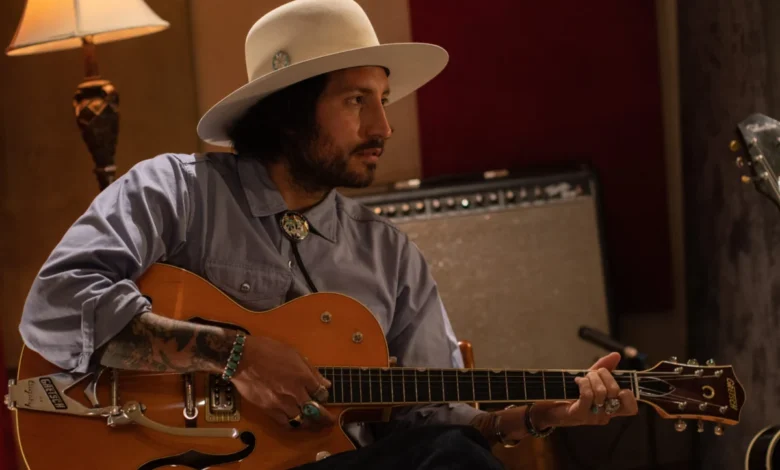
Nestled where the rugged Baja California desert abruptly yields to the serene Sea of Cortez, San José del Cabo is widely recognized for its luxury resorts, sportfishing, and pristine coastlines. Yet, tucked away within its marina infrastructure lies a unique intersection of hospitality and high-art incubation. Hotel El Ganzo, established with the explicit vision of functioning as a cultural beacon rather than a standard commercial lodging, has quietly redefined the concept of the artist residency. By intertwining a fully operational, 24-hour recording studio with high-end hospitality, the property operates on a foundational philosophy that prioritizes creative exploration over corporate profitability.
The Genesis of a Cultural Incubator
The conceptual architecture of Hotel El Ganzo stems from a desire to foster unrestricted artistic expression. Traditional recording studios face immense financial pressure, often forcing producers and engineers to cater exclusively to commercially viable acts guaranteed to shift units or generate high streaming volumes. This commercial imperative frequently stifles experimental projects and emerging voices.
Recognizing this systemic limitation in the music industry, property founder Pablo Sánchez Navarro engineered a sustainable workaround. By building a boutique hotel around a cultural hub—complete with an art gallery, curated murals, public sound installations, and a professional-grade recording studio—the business model of hospitality directly subsidizes the arts. The financial engine of guest accommodations absorbs the overhead, granting musicians the rare luxury of time, space, and infrastructural support without the looming pressure of studio hourly rates.
According to Paco Rosas, the property’s music director, this structure guarantees that creative integrity remains uncompromised. The ethos of the establishment is encapsulated by a simple internal maxim: art at the heart. Whether hosting an indigenous raga ensemble, electronic heavyweights like RÜFÜS DU SOL, or independent experimentalists, the curatorial compass points away from algorithmic popularity metrics and toward genuine cultural resonance.

Curatorial Philosophy and the Baja Advantage
Curating talent for a destination property in Baja California presents distinct geographic and logistical challenges. Situated on the southern tip of the Baja Peninsula, San José del Cabo operates with a degree of isolation akin to an island. For Rosas and the management team, this geographical boundary is leveraged as an asset rather than a hindrance.
The overarching curatorial question guiding the residency program is deliberately ambitious: What musical experiences can be brought to Baja that would otherwise bypass the region entirely due to commercial prioritization elsewhere? While many hospitality venues in Los Cabos focus strictly on mainstream entertainment to draw high-spending tourists, El Ganzo operates on a break-even threshold for its cultural programming. If a residency or showcase covers its operational costs, the mission is considered accomplished.
This unorthodox strategy has yielded an eclectic roster over the years, drawing global talent from diverse genres. The property’s remote yet alluring natural environment creates an intangible magnetism. Long before the hotel’s concrete was poured, cultural icons like Iggy Pop maintained residences nearby, and surf legends like Gerry Lopez frequented the coastline. This bohemian undertone established a fertile ground where international touring acts and local Mexican culture could coalesce naturally.
Chronology of Resilience: From Pandemic Isolation to Global Collaborations
The maturation of Hotel El Ganzo’s residency program has been marked by strategic persistence and unexpected historical turning points. Booking high-profile international artists often requires prolonged negotiation, characterized by Rosas as a deliberate exercise in patience—akin to fishing without letting go of the line.
A pivotal moment in the property’s timeline occurred in 2020 during the onset of the global COVID-19 pandemic. When international travel restrictions paralyzed the entertainment industry, Berlin-based band The Whitest Boy Alive—featuring singer Erlend Øye and his drummer—were stranded at the property. What began as an unexpected quarantine evolved into a four-month creative immersion. The resulting collaborative effort yielded a critically acclaimed release titled Quarantine at El Ganzo, solidifying deep interpersonal relationships between the artists and the management team.
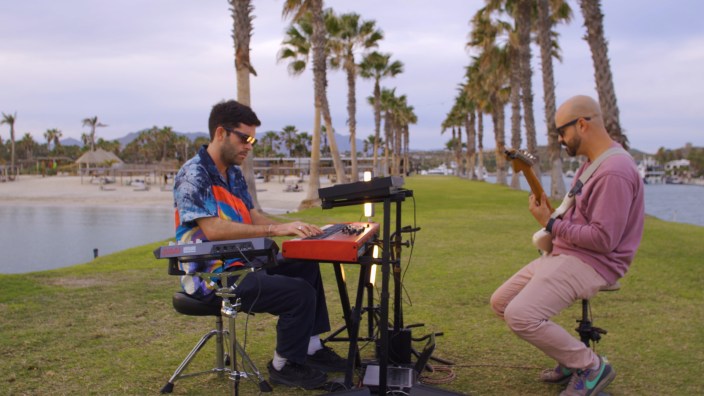
This unexpected chapter demonstrated the profound adaptability of the residency model. The bonds forged during the pandemic catalyzed subsequent industry networks. Øye, who also performs with Kings of Convenience, later collaborated with indie icon Mac DeMarco in Los Angeles, introducing DeMarco to the lore of the Baja property. Years of persistent outreach culminated in DeMarco’s integration into the El Ganzo ecosystem, aligning a multi-day recording stint with his broader Mexican tour.
Beyond established acts, the property actively cultivates nascent talent through initiatives like El Ganzo Radar. This open-call program invites emerging international artists to apply for fully funded residencies. A notable example includes a critically praised Afrobeat and cumbia fusion ensemble from Bogotá, Colombia, who arrived with minimal social media presence but exceptional artistic output. Following their residency, the group was integrated into the lineup of Viva El Ganzo, the property’s flagship music festival, providing a tangible career springboard.
The Residency Framework: Anatomy of an Artist Retreat
The mechanics of an El Ganzo residency are meticulously tailored to the specific psychological and professional requirements of each visiting creator. Unlike corporate brand sponsorships that demand heavy promotional obligations, the exchange is straightforward and artist-centric.
Typically, selected musicians are provided with a week-long stay at the hotel, complete with a dedicated travel budget, covered food and beverages, and unrestricted, round-the-clock access to the recording studio. In return, the artist commits to two primary deliverables: a recorded "Ganzo Session" and a live performance hosted within one of the property’s intimate venues.
Logistical flexibility remains a core tenet of the program. Recognizing that touring schedules often induce severe burnout, the residency adapts to individual needs. When electronic music outfit Parcels arrived following an exhaustive international tour, their itinerary deliberately omitted heavy studio hours, instead prioritizing ecological excursions such as whale watching and surfing ahead of upcoming recording commitments in Melbourne.

Conversely, hyper-prolific artists utilize the 24-hour facility to generate vast volumes of unreleased material. Producer and multi-instrumentalist Anderson .Paak famously recorded upwards of twenty tracks during a 2019 residency, showcasing the high-velocity output the environment can inspire when an artist is freed from external distractions.
Healing and Human Impact: Beyond the Commercial Metric
While musical output and public showcases are easily quantified metrics of success, the residency program frequently transcends professional development, occasionally serving a profound restorative function.
Music director Paco Rosas points to residencies involving deeply troubled or grieving artists as the most enduringly significant. In one poignant instance, singer-songwriter Taylor Kirk of Timber Timbre arrived at the property shortly after the death of his father, carrying an immense emotional weight that initially precluded any desire to create music. The unpretentious environment, paired with the supportive community of staff and fellow creatives, provided a psychological sanctuary. Upon departure, Kirk expressed a profound shift in perspective, underscoring that the residency functioned less as a commercial workshop and more as a space for human healing.
Such interactions validate the underlying thesis of the hotel’s founders: that art is fundamentally tied to human well-being, and providing physical space for reflection yields cultural dividends that defy standard corporate valuation.
Intimate Venues and Broader Industry Implications
Performances at Hotel El Ganzo deliberately reject the massive, sterile scale of modern stadium tours in favor of hyper-intimate engagement. The property features two primary performance spaces: a rooftop venue with a strict capacity of 350 patrons, and a maritime jetty situated directly on the water, surrounded by the marina and the beach, accommodating up to 900 guests.
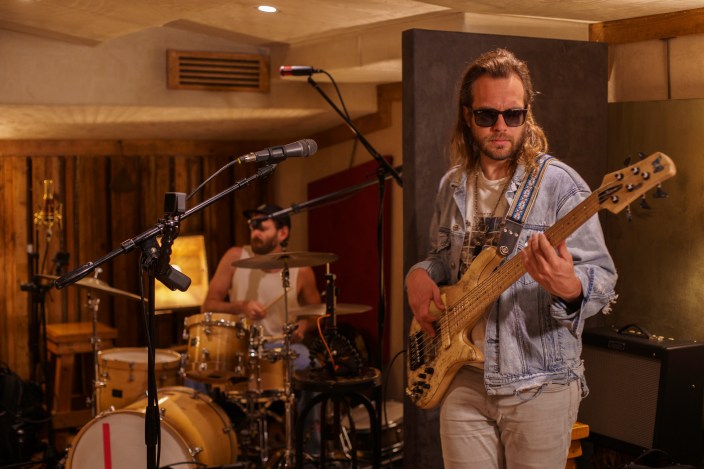
These spatial constraints ensure that audiences experience world-class acts in settings of rare proximity, fostering a direct connection between the performer and the listener. For the hospitality sector, this programming model offers a blueprint for experiential tourism, proving that cultural authenticity can serve as a viable differentiator in a crowded resort market.
As the music industry continues to grapple with the economic pressures of streaming monetization and rising touring costs, spaces like Hotel El Ganzo offer a vital alternative infrastructure. By serving as an operational bridge between raw inspiration and professional execution, the property demonstrates that commercial hospitality and uncompromising artistic patronage are not mutually exclusive. For artists navigating the friction of the modern music business, Baja continues to offer a rare sanctuary—a functional glitch in the matrix where the desert meets the sea, and the music is allowed to simply exist.
Related posts: