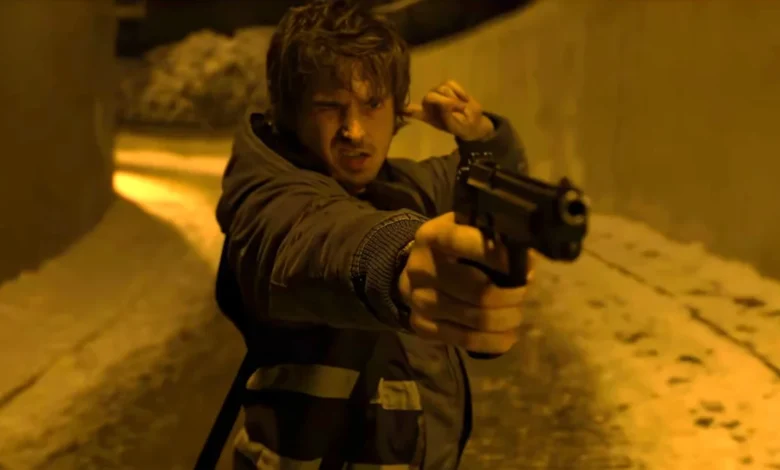
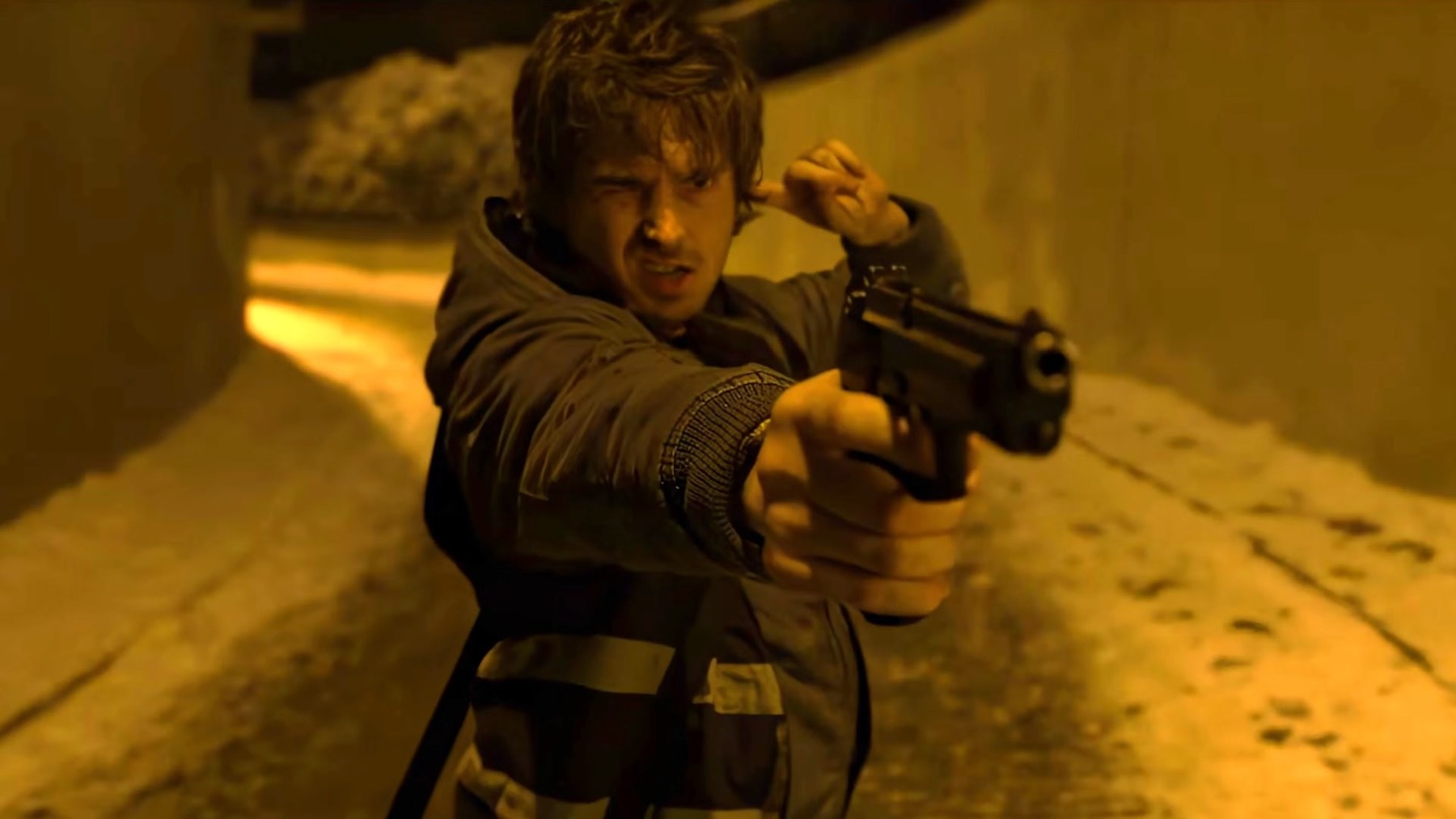
The theatrical release of Zach Cregger’s cinematic adaptation of Resident Evil has sparked widespread debate among film critics and gaming enthusiasts alike, particularly concerning its uncompromising and visceral conclusion. Arriving in theaters amid high expectations, Cregger’s interpretation of the iconic survival-horror franchise diverges significantly from traditional Hollywood video game adaptations by shifting the narrative focus away from established protagonists such as Leon S. Kennedy or Jill Valentine. Instead, the film centers on an ordinary, flawed millennial protagonist named Bryan, portrayed by Austin Abrams, whose harrowing journey through the quarantined streets of Raccoon City culminates in a tragic and grotesque finale. While cinematic purists have debated the tonal consistency of the film’s final act, a rigorous examination of the lore reveals that Cregger’s narrative choices pay profound homage to the environmental storytelling that defined the classic late-1990s Capcom video games.
Chronology and Narrative Progression of the Raccoon City Outbreak
The events of Cregger’s film unfold against the backdrop of a modern-day bioterrorism crisis, shifting the timeline of the fictional Raccoon City destruction from its classic autumn setting to a bleak, winter landscape. The narrative follows Bryan, an unwitting courier who believes he is transporting a life-saving medical organ to Raccoon City General Hospital for an ailing child. In reality, the package contains an experimental compound ordered by the Umbrella Corporation under the guise of precautionary measures against the burgeoning T-virus epidemic.
As Bryan navigates the deteriorating metropolitan environment, he contracts the viral pathogen, a realization that gradually dawns on him as physical symptoms manifest in his arm. Driven by a newfound, albeit belated, desire to survive and embrace a future as a father, Bryan pushes forward to reach the hospital. However, the timeline of the infection proves unforgiving. Upon delivering the compound, Bryan succumbs to the pathogen before a treatment can be administered, triggering a rapid and horrific cellular mutation.
The Biological Horror of the Final Act
The climax of the film sees Bryan transform into an abominable entity heavily reminiscent of the mutated forms of William Birkin from the seminal 1998 PlayStation title Resident Evil 2. Displaying grotesque physiological anomalies—including a massive shoulder-bound ocular tumor, a secondary abdominal maw, and prehensile tentacled appendages—Bryan’s mutated form wreaks havoc upon the surviving Umbrella Corporation scientists stationed at the facility.
Rather than serving as a heroic savior or facilitating the distribution of a miracle cure, Bryan’s character arc ends in total annihilation. He discards the experimental compound into the architectural rubble of the collapsing city and unleashes his rage against the incoming National Guard before facing his ultimate demise. This uncompromising resolution has polarized audiences, with some critics arguing that the sudden shift from an earnest, tragic character study to a grand-scale creature feature lacks tonal cohesion.
Contextualizing the Adaptation within Franchise Lore
To understand the broader implications of Cregger’s creative decisions, one must examine the foundational pillars of the Resident Evil franchise established by Capcom in 1996. While the overarching narrative of the video game series historically follows elite task forces such as S.T.A.R.S. or government agents like Leon S. Kennedy and Claire Redfield, the enduring legacy of the early trilogy—Resident Evil, Resident Evil 2, and Resident Evil 3: Nemesis—relies heavily on atmospheric dread and the undocumented tragedies of ordinary citizens.
Throughout the classic games, players frequently uncover the final testimonies of nameless civilians, local law enforcement officers, and corporate researchers who fell victim to Umbrella’s reckless experimentation. Found documents, audio logs, and environmental clues construct a tapestry of despair that defines the Raccoon City incident. Cregger’s depiction of Bryan functions as a cinematic manifestation of these background lore elements. Bryan is not designed to be the overarching hero of the corporate conspiracy; rather, he represents the collateral damage inherent to the biological warfare universe created by Capcom.
Industry Reactions and Fan Reception
Initial responses from the dedicated gaming community prior to the film’s release were marked by skepticism. Traditionalists expressed concern over the exclusion of legacy characters, the modernization of the setting to the 2020s, and perceived liberties taken with the distinct biological rules governing the T-virus, G-virus, and subsequent parasitic infections like Las Plagas.
However, post-release evaluations from hardcore enthusiasts suggest a reassessment of the film’s merits. Industry analysts note that by adopting the perspective of an everyday bystander caught in the geopolitical machinery of the Umbrella Corporation, Cregger successfully captures the hopeless, claustrophobic atmosphere that characterized the Spencer Mansion and the Raccoon City Police Department. The inclusion of modern artifacts, such as Bryan’s final smartphone audio recording left for his partner, serves as a contemporary equivalent to the typewriters and scattered journal entries integral to the interactive media source material.
Broader Implications for Video Game Adaptations
The commercial and critical performance of Cregger’s Resident Evil highlights a shifting paradigm in how major studios approach video game intellectual property. Historically, adaptations have struggled by either strictly mimicking gameplay mechanics to the detriment of cinematic pacing or straying so far from the source material that alienate core audiences.
By prioritizing atmospheric fidelity and thematic consistency over fan-service cameos, Cregger’s approach demonstrates that modern adaptations can successfully expand existing fictional universes. Bryan’s narrative arc—functioning as a self-contained tragedy that seamlessly integrates into the broader chronology of the Raccoon City catastrophe—provides a blueprint for future storytelling within established gaming franchises. Whether subsequent installments will incorporate legacy protagonists or continue to explore the peripheral victims of bioterrorism remains to be seen, but the film’s uncompromising ending has undeniably cemented its place within the ongoing discourse of contemporary horror cinema.