Public signage serves a foundational purpose within modern civil infrastructure: to guide human behavior, maintain public safety, regulate traffic flow, and communicate critical warnings with absolute clarity. From the simplest highway stop sign to complex hazard alerts in industrial complexes, visual indicators are designed to be universally understood. However, human error in urban planning, translation mishaps, unfortunate sign placement, and satirical creativity often yield instructions that defy logic. These anomalous markers force pedestrians, drivers, and patrons to pause, re-read, and frequently question the intent of the creators. A comprehensive look into the phenomenon of confusing public signage reveals a fascinating intersection of linguistics, psychology, and municipal oversight.

The Psychology and Linguistics of Miscommunication in Public Signage
To understand why public signage frequently lapses into absurdity, one must examine the cognitive processes behind visual communication. According to environmental psychology studies, the human brain processes visual symbols and text simultaneously, relying heavily on context to derive meaning. When contextual cues contradict literal instructions—such as a structural warning placed in an impossible location or a poorly translated commercial banner—cognitive dissonance occurs.
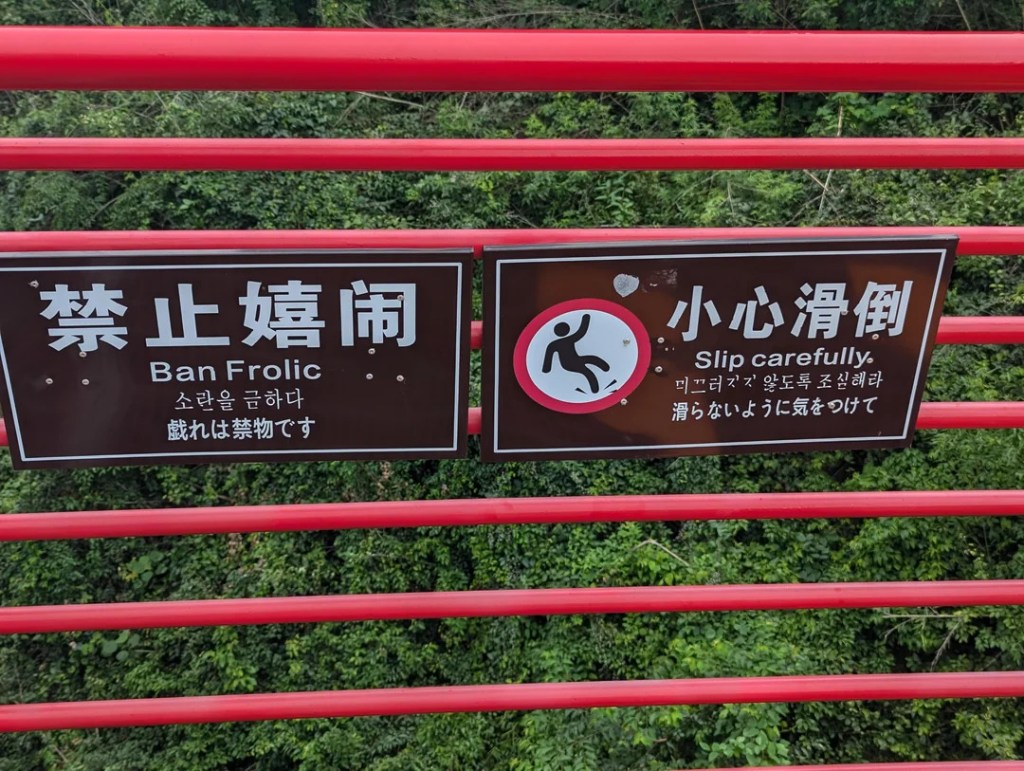
Linguists point out that literal translations, particularly in global tourist destinations and commercial districts, are frequent culprits. Idiomatic expressions, cultural nuances, and grammatical structures do not always translate seamlessly across languages, resulting in phrases that are grammatically nonsensical yet oddly endearing. Furthermore, municipal and corporate entities often install signs independently over extended periods. Without a centralized review board for aesthetic and semantic alignment, neighboring signs frequently create unintentional juxtapositions that alter each other’s meanings entirely.

Chronology of Viral Signage Phenomena
The documentation and public dissemination of confusing signage have evolved significantly over the past two decades, transitioning from localized amusement to a global digital phenomenon.
- Early 2000s: The advent of early internet forums and image-sharing boards provided a digital repository where travelers could upload photographs of bizarre foreign translations and architectural blunders.
- 2010s: The rise of dedicated online communities, particularly aggregate platforms such as Reddit, established formalized spaces dedicated to categorizing accidental public humor. Subreddits focusing on poorly placed or worded signs amassed millions of subscribers, turning everyday civic anomalies into viral content.
- Present Era: Smartphones equipped with high-resolution cameras ensure that nearly every pedestrian is a potential archivist. Municipalities and businesses occasionally capitalize on this trend, recognizing that a humorous or quirky sign can generate significant organic social media engagement.
Categorizing the Anomalies: From Structural Paradoxes to Linguistic Lapses
An examination of viral public notices reveals distinct categories of confusion, ranging from logistical impossibilities to semantic paradoxes.
Structural and Placement Paradoxes
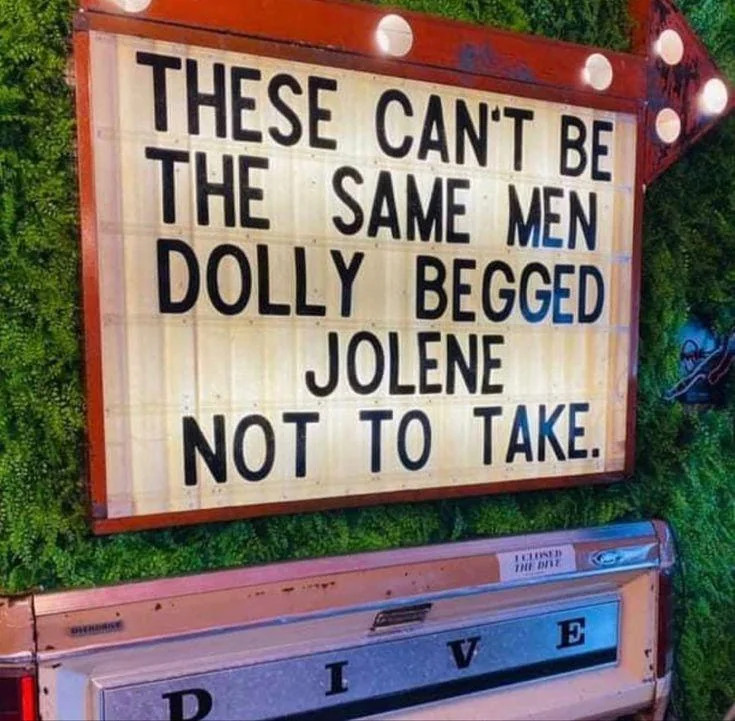
Some of the most perplexing signs derive not from their text, but from their physical environment. A prominent example includes safety warnings found on glass-bottom suspension bridges—such as those popularized in scenic regions of China. These bridges, engineered from multi-layered tempered glass designed to support thousands of pounds, frequently feature signs instructing visitors regarding footwear, behavioral restrictions, or structural safety. The juxtaposition of a stark warning sign against a sheer drop visible directly beneath the visitor’s feet often elicits more psychological distress than reassurance.
Similarly, geographical anomalies provide endless amusement for travelers. Instances where civic markers align to spell out unexpected phrases, or where directional signs point toward whimsical topographical coincidences—such as geographic points located near the English villages of Ham and Sandwich in Kent—highlight the unintentional humor inherent in cartographic labeling.
Commercial Translation and Corporate Mischief
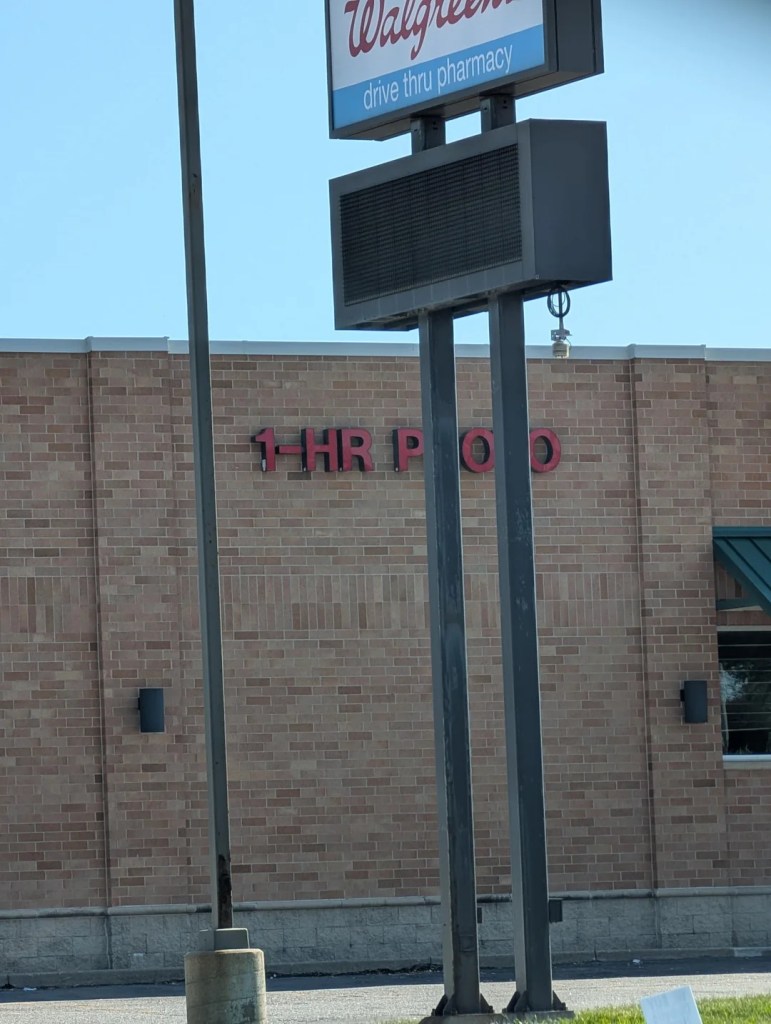
In the commercial sector, restaurants, retail outlets, and service providers rely on exterior signage to attract foot traffic. However, linguistic errors frequently produce memorable slogans. A recurring trope in global culinary marketing involves establishments combining broken English with exceptional local cuisine, prioritizing flavor over syntax.
At the same time, corporate entities occasionally fall victim to unfortunate placement. Signs prohibiting specific behaviors—such as feeding local wildlife near popular family dining establishments like Cracker Barrel—frequently sit adjacent to entirely unrelated municipal or commercial notices, creating ambiguous mandates that leave patrons guessing which rules apply to the immediate perimeter.
Economic and Societal Implications of Ambiguous Markers
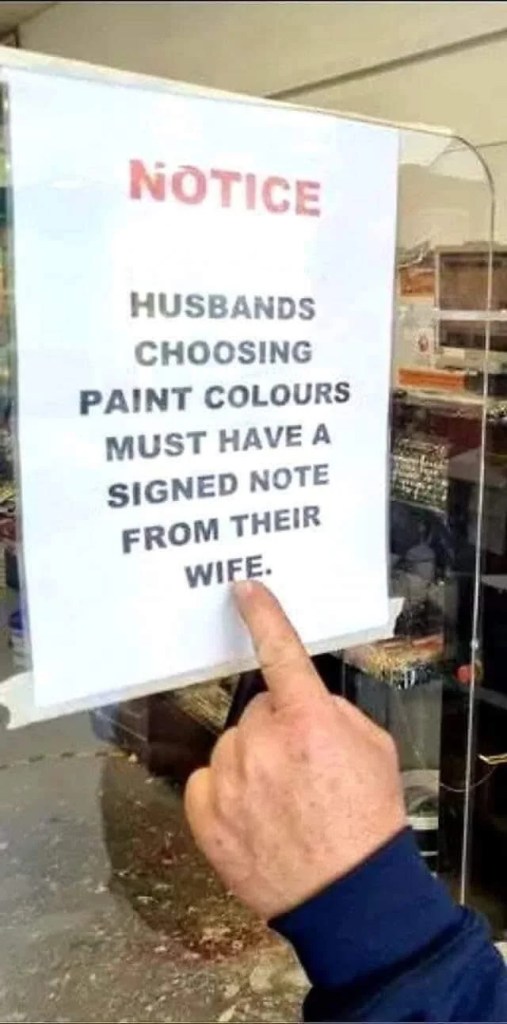
While confusing and humorous signs provide lighthearted entertainment for digital communities, they present legitimate operational challenges for urban planners, legal entities, and safety inspectors. Clear communication is a legal requirement in many jurisdictions, particularly regarding health, fire codes, and traffic regulations. Ambiguous phrasing or obscured placement can potentially invalidate liability waivers, confuse emergency responders, or lead to regulatory non-compliance fines for businesses.
Urban design firms increasingly emphasize "universal design" principles, which advocate for pictograms and standardized iconography over text-heavy explanations. Standardized international symbols reduce the risk of linguistic misinterpretation, ensuring that safety mandates remain clear regardless of a viewer’s native language or literacy level.
Societal Reception and Cultural Significance
Despite the regulatory need for clarity, the public appetite for linguistic anomalies remains robust. Sociologists suggest that humorous signs offer a collective coping mechanism against the rigid rules and bureaucratic structures of daily life. In an increasingly automated and regulated world, encountering a sign that commands the impossible—or makes a grammatical error that defies corporate polish—reminds citizens of human fallibility.
As long as human beings continue to draft municipal codes, translate commercial menus, and hammer posts into the ground, the phenomenon of the baffling public sign will endure. These accidental monuments to miscommunication serve as a reminder that perfection is elusive, and that sometimes, the most effective way to navigate a confusing world is to pause, read the fine print, and laugh at the absurdity of it all.
Related posts: