LEGO and Daft Punk Announce Official Collaboration Culminating in Fan-Inspired Pyramid Stage Set for 2027

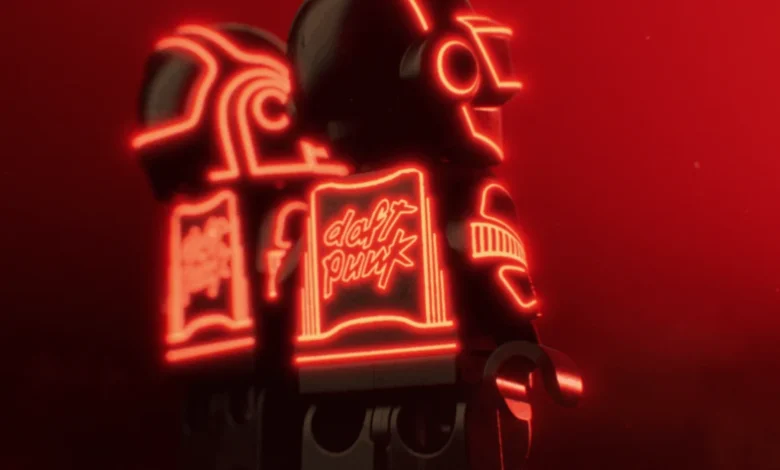
The intersection of electronic music and brick-based construction is set to enter a new dimension following a landmark announcement confirming an official partnership between the LEGO Group and the legendary French electronic music duo Daft Punk. The collaboration, slated for a major commercial rollout in 2027, bridges two cultural titans that have heavily influenced modern design, youth culture, and artistic innovation over the past several decades. At the heart of this upcoming collection is an official retail adaptation of a fan-designed concept originating from the popular LEGO Ideas platform, featuring the duo’s iconic and universally recognized pyramid stage.
The announcement brings together Thomas Bangalter and Guy-Manuel de Homem-Christo—who performed as the helmeted robotic duo Daft Punk from 1993 until their amicable separation in 2021—with the Danish toy manufacturer renowned for fostering global creativity. Beyond a standard product release, the multi-faceted partnership promises a comprehensive mashup of digital content, live events, and immersive experiences designed to intersect the worlds of music, contemporary culture, and tactile building. While the finalized retail product remains under wraps and subject to design modifications following its initial fan-model phase, anticipation among collectors, music enthusiasts, and LEGO builders has reached unprecedented levels.
Origins of the Collaboration and the LEGO Ideas Ecosystem
The genesis of this official partnership traces back to the digital corridors of LEGO Ideas, a crowdsourcing initiative that allows community members to submit their own custom brick-built designs. If a user-submitted concept garners 10,000 public votes, it undergoes a rigorous review board evaluation by professional LEGO designers and executives to determine viability for mass production as an official set.
The Daft Punk Concert submission was brought to life by Patrick Harboun and his son during COVID-19 lockdown restrictions. Seeking a creative outlet during a period of global isolation, the father-son duo channeled their shared adoration for the electronic music pioneers into designing a miniature brick tribute. What began as a domestic bonding exercise quickly snowballed into a viral online sensation, easily clearing the 10,000-vote threshold on the LEGO Ideas platform and capturing the attention of both the LEGO review board and representatives for the musical act.
Reflecting on the unexpected trajectory of their quarantine project, Patrick Harboun noted the profound impact of the community-driven platform. "This all started as a creative escape during lockdown between my son and I because of our shared love of Daft Punk and LEGO building," Harboun explained. "We never dared imagine it would take off in this way. Watching our passion project become part of an official collaboration is an incredible experience, and it’s a reminder of what makes the LEGO Ideas community so special. That a simple idea, shared by fans, really can become something much bigger."
The Creative Vision Behind the Pyramid Stage
For millions of electronic music fans worldwide, the pyramid stage remains the definitive visual signature of Daft Punk’s live performances. First introduced during their legendary 2006–2007 Alive tour, the towering, luminescent structure served as the command center for the duo. Encased inside custom LED-mapped panels that pulsed in rhythm with their genre-defining anthems, the pyramid fundamentally altered how electronic music acts approached live stage design, setting a new benchmark for concert production values.
Cedric Hervet, Creative Director for Daft Punk, emphasized the symbolic importance of translating this architectural marvel into the LEGO medium. "The pyramid stage is one of the most recognisable expressions of Daft Punk’s visual world, so it feels fitting that this fan-created design will be centre stage of this partnership," Hervet stated. "Fans have always played an important part in Daft Punk’s story, and we are excited to see that creativity reflected through the LEGO universe."
The involvement of the core Daft Punk creative team ensures that the final retail product will maintain aesthetic authenticity, honoring the meticulous attention to detail that characterized the duo’s active career. From the minimalist geometry of the stage setup to the bespoke minifigure renderings of the robot helmets, the collaboration aims to satisfy both die-hard electronic music collectors and avid adult fans of LEGO (AFOLs).
Chronology of Daft Punk: From Underground House to Global Icons
To understand the cultural gravity of a Daft Punk LEGO partnership, one must examine the enduring legacy of the French house duo. Formed in Paris in 1993 by Thomas Bangalter and Guy-Manuel de Homem-Christo, the project evolved out of an earlier indie rock band named Darlin’. Taking their moniker from a negative review in the British music magazine Melody Maker—which dismissed their early guitar-driven tracks as "a daft punky thrash"—the duo pivoted entirely to electronic instrumentation, pioneering the French touch house music movement.
The timeline of their illustrious career is marked by critical acclaim, commercial triumphs, and a steadfast commitment to visual anonymity:
1993: Thomas Bangalter and Guy-Manuel de Homem-Christo form Daft Punk in Paris, France.
1997: Release of their debut studio album, Homework, featuring breakthrough club hits like Da Funk and Around the World, establishing them as leaders of the global electronic music scene.
2001: Release of Discovery, accompanied by an extensive narrative anime visual project (Interstella 5555) overseen by legendary Japanese artist Leiji Matsumoto. The album yields timeless classics such as One More Time and Harder, Better, Faster, Stronger.
2006–2007: The launch of the Alive tour. Performing inside an enormous, custom-built LED pyramid, the tour redefines modern festival and concert production.
2010: Composes the critically acclaimed orchestral and electronic score for the Walt Disney Pictures film Tron: Legacy.
2013: Release of Random Access Memories. Recorded primarily with live studio session musicians, the album spawns the global megahit Get Lucky (featuring Pharrell Williams and Nile Rodgers) and sweeps the Grammy Awards, winning Album of the Year.
2021: Daft Punk officially announces their breakup via an emotionally resonant video titled Epilogue, utilizing footage from their 2006 avant-garde film Electroma.
2023–Present: Continued archival releases, 10th-anniversary editions of landmark albums, and select curatorial projects keep the legacy alive, culminating in the upcoming 2027 LEGO partnership.
The Evolution and Cultural Footprint of the LEGO Brand
Parallel to the trajectory of Daft Punk, the LEGO Group has undergone a profound corporate and cultural evolution. Founded in 1932 by Ole Kirk Kristiansen in Billund, Denmark, the company transitioned from producing simple wooden toys to patenting the iconic interlocking plastic brick in 1958. Over the decades, the brand expanded from a children’s toy manufacturer into a global cultural phenomenon, fostering an intensely dedicated adult consumer base.
The introduction of specialized sub-brands—such as LEGO Ideas, LEGO Art, and adult-targeted display sets—has allowed the company to tap directly into nostalgia, pop culture, and high-end design aesthetics. By partnering with musical legacy acts, cinematic franchises, and architectural icons, LEGO has positioned its product lines not merely as playthings, but as collectible design objects. The intersection of this brand maturity with Daft Punk’s futuristic minimalism represents a natural alignment of two entities that deeply value geometry, precision, and imaginative world-building.
Broader Industry Implications and Market Analysis
Market analysts evaluating the 2027 partnership point to several key drivers behind the collaboration, noting its potential to capitalize on the lucrative adult collector market—frequently referred to in the toy industry as "Kidults." Adults purchasing toys and collectibles for themselves represent one of the fastest-growing segments in the global retail market, driven largely by nostalgia for 1990s and 2000s pop culture.
Furthermore, luxury and lifestyle collaborations have become increasingly vital for brands seeking to transcend traditional retail boundaries. By integrating Daft Punk across music, culture, and creative spaces through upcoming events and content mashups, the LEGO Group is effectively utilizing the partnership as a multi-channel marketing campaign. This strategy mirrors successful previous cross-overs with streetwear brands, modern artists, and automotive giants, reinforcing LEGO’s status as a contemporary lifestyle brand rather than a traditional toy maker.
For longtime fans of the electronic duo, the collaboration offers a tangible connection to an act that has remained inactive in terms of live touring or new music production since their 2021 split. While the robots may have powered down their master console, their visual iconography remains as potent as ever. Whether fans have been listening since the underground club days of Homework or discovered the group through streaming algorithms and viral social media clips, the upcoming LEGO release provides an entirely new portal into their meticulously curated universe.
Looking Forward to 2027
As development continues behind closed doors at LEGO headquarters in Billund, anticipation will undoubtedly mount. The journey from a father-son quarantine lockdown project to an officially licensed global product line underscores the democratic nature of modern consumer culture, where passionate fan communities hold the power to influence corporate strategy and product development.
Further details regarding exact release dates, retail pricing, piece counts, and the accompanying experiential content rollout are expected to be announced by the LEGO Group closer to the launch window. Until then, builders and music aficionados alike are left to anticipate how the boundless creative potential of the plastic brick will interpret the sleek, mysterious, and unforgettable world of electronic music’s most iconic androids.
Related posts: