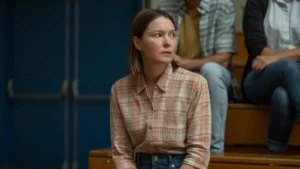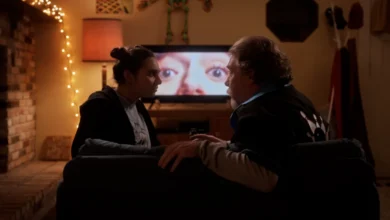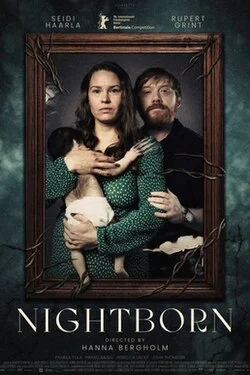
In a chilling exploration of the anxieties surrounding new parenthood, director Hanna Bergholm’s latest film, Nightborn, delves into the psychological depths of maternal suspicion and the isolating experience of doubt. The film, co-written by Bergholm and Ilja Rautsi, stars Seidi Haarla as Saga, a Finnish mother whose burgeoning joy with her newborn son is rapidly eclipsed by a profound and unsettling conviction that something is fundamentally wrong with the child. Her husband, Jon, portrayed by Rupert Grint, struggles to comprehend Saga’s growing distress, creating a palpable rift between them as she grapples with a truth he cannot perceive. Pamela Tola also features in the cast, contributing to the film’s nuanced portrayal of family dynamics under immense pressure.
Nightborn‘s narrative unfolds against the stark, evocative backdrop of the Finnish forest, a setting that Bergholm masterfully transforms into a character in itself, oscillating between breathtaking beauty and a sense of encroaching dread. This deliberate choice of environment amplifies the film’s thematic concerns, mirroring Saga’s internal struggle as she becomes increasingly isolated within her own home and mind. The film eschews conventional jump scares and gratuitous gore, opting instead for a meticulously crafted slow-burn psychological horror that burrows into the viewer’s psyche, leaving a lasting impression.
A Director’s Proven Prowess in Unsettling Motherhood Narratives
Hanna Bergholm’s return to the genre after the critical success of Hatching (2022) signals a continued fascination with the darker, more primal fears associated with motherhood. Hatching, which explored a young girl’s obsession with a bird and the unsettling consequences of her actions, established Bergholm as a director capable of weaving unsettling psychological narratives with visceral, often disturbing, imagery. Nightborn appears to build upon this foundation, shifting the focus to the intense pressures and vulnerabilities experienced by a new mother. This thematic continuity suggests a deliberate artistic exploration of the psychological transformations and potential anxieties that can arise during the postpartum period, a territory rarely explored with such depth and unnerving authenticity in mainstream cinema.
The film’s synopsis highlights a core conflict: Saga’s internal conviction versus the external dismissal of her fears. This setup is fertile ground for psychological horror, as it forces both the protagonist and the audience to question the nature of reality and the reliability of perception. The synopsis states: "In a Finnish forest, Saga and her husband Jon embark on a new chapter as parents, but Saga’s joy is overshadowed by a chilling suspicion about their newborn. Unbeknownst to Jon, causing a rift as she alone grapples with the disturbing truth." This brief description immediately establishes the central tension and the potential for escalating paranoia.
Performances Underpinning the Psychological Terror
Central to Nightborn‘s effectiveness is the performance of Seidi Haarla as Saga. Critics have lauded her portrayal as the emotional anchor of the film, capturing the excruciating reality of a mother caught between her instincts, her growing terror, and the crippling weight of self-doubt. Her ability to convey these complex emotions is crucial in making Saga’s experience feel painfully authentic, ensuring that each unsettling revelation resonates deeply with the audience. This level of performance is essential for a film that relies heavily on internal conflict and psychological distress rather than overt external threats.
Rupert Grint, known for his role as Ron Weasley in the Harry Potter series, delivers a more restrained performance as Jon. His character serves as the grounded counterpoint to Saga’s escalating anxieties. Grint’s portrayal focuses on Jon’s struggle to maintain a semblance of normalcy and to support his wife, all while grappling with her increasingly disturbing behavior. The dynamic between Haarla and Grint is described as providing a vital emotional foundation, making the eventual horror more impactful because it stems from the disintegration of a seemingly loving relationship. The chemistry between the lead actors is thus not merely a plot device but a crucial element in elevating the film’s dramatic and horrific impact.
Visual Storytelling and Atmospheric Dread
The visual landscape of Nightborn is another significant element contributing to its unsettling atmosphere. The Finnish wilderness is depicted with a striking visual style, described as both breathtaking and deeply unnerving. The ancient forests and the isolated family home become potent symbols of the film’s themes. The cinematography is noted for its embrace of long silences and a creeping sense of dread, allowing the atmosphere to build organically. This approach eschews the reliance on constant shocks, instead fostering a more profound and sustained sense of unease. Such atmospheric tension is a hallmark of effective psychological horror, inviting the audience to become immersed in the film’s world and its characters’ psychological states.
Exploring the Nuances of Parental Anxiety
Beyond its horror elements, Nightborn is praised for its willingness to delve into the darker, often unspoken emotions surrounding parenthood. The film tackles themes such as postpartum anxiety, overwhelming fear, guilt, and the immense responsibility that comes with raising a child. Importantly, it does so without resorting to exploitative sensationalism. Instead, the film is seen as utilizing familiar genre tropes to explore something far more intimate and emotionally devastating. This suggests a sophisticated approach to storytelling, where genre conventions are subverted or repurposed to serve a deeper, more humanistic narrative.
The screenplay, a collaboration between Hanna Bergholm and Ilja Rautsi, is credited with keeping the audience engaged and guessing. The narrative skillfully layers psychological tension with the possibility of supernatural elements, deliberately avoiding simplistic explanations. Each peculiar occurrence serves to deepen the mystery while simultaneously highlighting the growing emotional chasm between Saga and Jon. This ambiguity is a powerful tool in psychological horror, as it forces viewers to confront their own interpretations and to empathize with the characters’ uncertainty.
A Deliberate Pace for Profound Impact
While Nightborn might present a challenge for viewers expecting a relentless pace of creature features or continuous scares, its deliberate pacing is integral to its success. For those willing to immerse themselves in its unsettling atmosphere, the film offers a deeply resonant horror experience. The review suggests that Nightborn transcends the typical monster-in-the-shadows narrative, exploring the terrifying possibility that the greatest horror lies in trusting one’s instincts when no one else believes them. This theme of ostracization and the validation of internal experience is a potent source of dread.
In its concluding remarks, the review positions Nightborn as an intelligent, beautifully crafted psychological horror film. It highlights the confluence of haunting performances, stunning visuals, and emotionally grounded storytelling, culminating in an unforgettable exploration of the fears associated with new parenthood. Hanna Bergholm’s continued emergence as a distinctive voice in contemporary horror is emphasized, suggesting a directorial vision that is both compelling and consistently impactful.
Release and Distribution
The film is slated for a premiere on Shudder on July 31st. This platform is known for its curated selection of horror content, suggesting that Nightborn is expected to appeal to a discerning audience within the genre. The recommendation to "give this one a good look" indicates a strong belief in the film’s quality and its ability to satisfy viewers seeking a more nuanced and psychologically driven horror experience. The anticipation surrounding its release, particularly following Bergholm’s previous success, positions Nightborn as a significant entry in the 2026 horror landscape.
Broader Context and Potential Implications
The thematic focus on postpartum anxiety and maternal doubt in Nightborn taps into a growing cultural conversation about mental health and the societal pressures placed upon new mothers. While not explicitly a film about mental illness, its exploration of a mother’s distressing perceptions and the potential for those perceptions to be dismissed resonates with real-world experiences. The film’s success in portraying these anxieties through a horror lens could encourage further discussion and destigmatization of such issues within cinematic narratives.
The critical reception, as evidenced by the review, suggests that Nightborn is not merely a genre exercise but a film with genuine artistic merit and thematic depth. Its ability to blend psychological introspection with atmospheric horror indicates a sophisticated approach that can appeal to both genre enthusiasts and a broader audience interested in compelling character studies and emotionally resonant storytelling. The comparison to Hatching further solidifies Bergholm’s reputation as a director who can explore complex psychological themes with a unique and unsettling cinematic style. The film’s visual artistry, combined with its potent thematic material, suggests it will be a talking point within the horror community and beyond, prompting reflection on the hidden anxieties that can surface during one of life’s most significant transitions.