Matthew Lillard Discusses Youth Anxiety and Modern Realities in Mike Flanagan’s New Carrie Adaptation on Amazon Prime Video

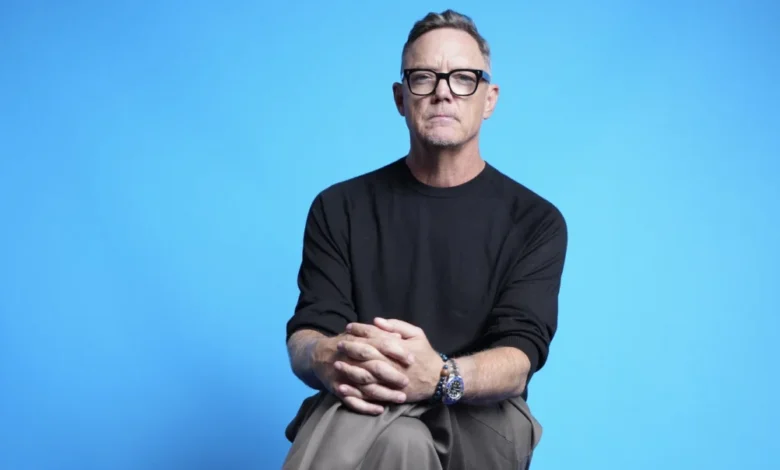
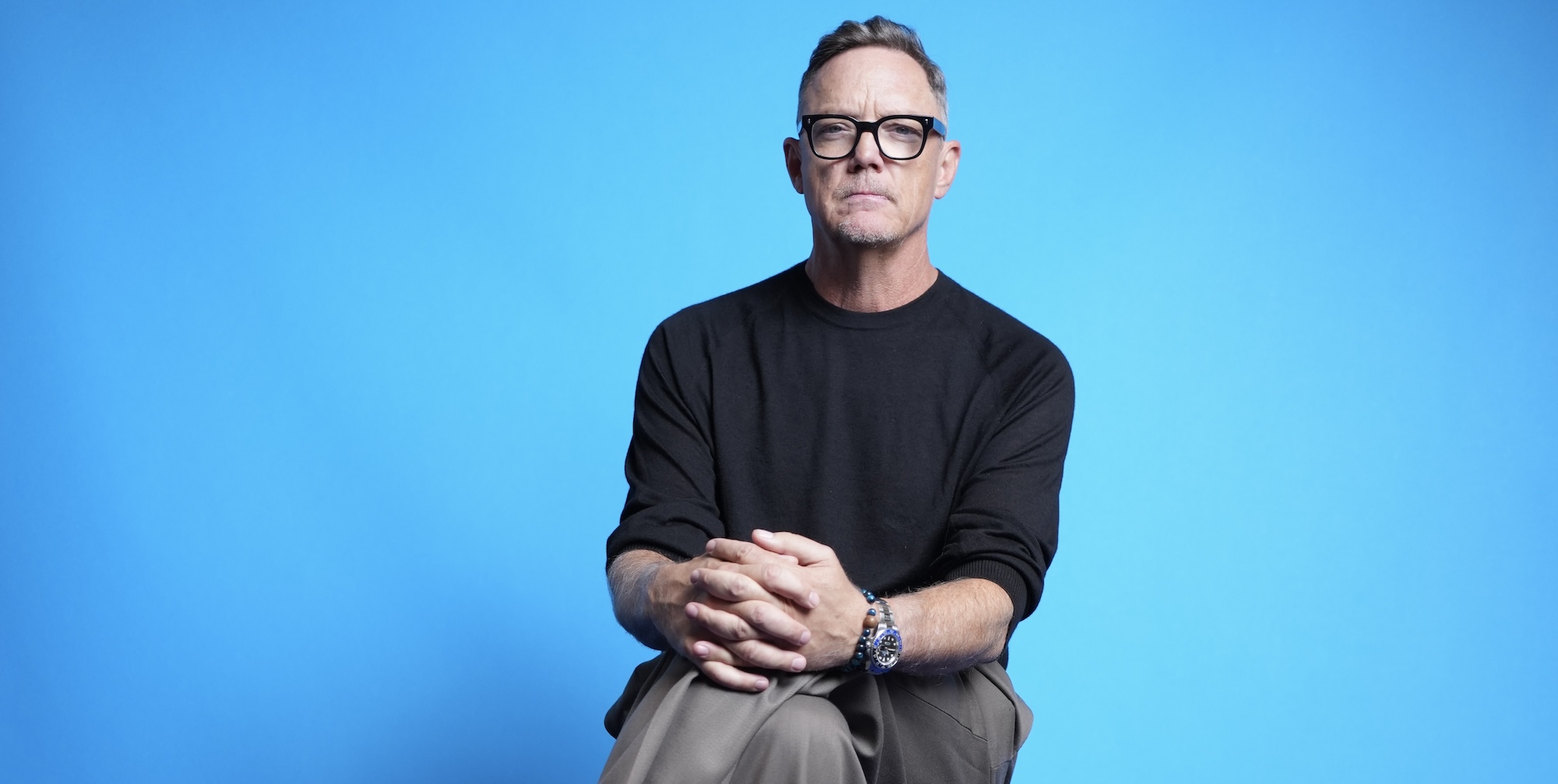
The landscape of modern adolescence has shifted dramatically since the 1970s, a reality brought to the forefront by Mike Flanagan’s reimagined television adaptation of Stephen King’s classic novel Carrie, currently streaming on Amazon Prime Video. Actor Matthew Lillard, who stars in the series as Principal Grayle, has been vocal about how the psychological climate for today’s youth differs vastly from the era when Brian De Palma’s original 1976 cinematic adaptation debuted. Drawing from his experiences raising three children between the ages of 18 and 24, Lillard highlights an underlying current of pervasive fear and systemic anxiety that defines contemporary growing up, setting a grim backdrop for the fictional horrors explored in the narrative.
In the newly released Amazon Prime Video series, Flanagan expands upon King’s original 1974 text—and De Palma’s subsequent film—by anchoring the supernatural elements of telekinesis within a starkly recognizable contemporary sociopolitical framework. Rather than relying solely on the fantastical premise of a bullied teenager discovering magical powers to enact vengeance, the modern adaptation confronts real-world horrors head-on. From the opening episodes, the series introduces harrowing elements of twenty-first-century schooling, including active shooter drills where students witness simulated threats within classrooms, bridging the gap between supernatural fiction and authentic institutional terror.
The Evolution of Adolescent Isolation and Fear
The narrative of Carrie has long served as a cautionary tale regarding isolation, peer abuse, and maternal neglect. In the foundational iterations by Stephen King and subsequent filmmakers, Carrie White’s ultimate breaking point was triggered by supernatural abilities colliding with relentless humiliation. However, the cultural and technological environment surrounding today’s teenagers has fundamentally altered the nature of social ostracization.
Modern high school environments are heavily influenced by digital interconnectedness, viral social media campaigns, and anonymous online harassment. The Flanagan adaptation explicitly incorporates these contemporary stressors into the plotline, featuring elements such as targeted social media accounts designed to humiliate students. According to sociological data tracking adolescent mental health over the past decade, rates of clinical anxiety and depressive disorders among young adults have surged significantly, driven in part by constant digital surveillance and the pervasive threat of real-world violence.
Lillard notes that his own adult children, despite being articulate and intelligent, exhibit a hyper-vigilance unfamiliar to older generations. Simple public outings, such as attending a movie screening, involve environmental scanning and continuous exit-locating behaviors. This heightened state of alert reflects a broader cultural anxiety that the series seeks to examine, positioning the fictional trauma of Carrie White as an extreme manifestation of widespread adolescent distress.
Behind the Scenes of Flanagan’s Reimagined Series
Production on the new episodic adaptation of Carrie involved a meticulous creative effort led by showrunner Mike Flanagan, known for his thoughtful approaches to horror and psychological depth within intellectual properties. The series departs from traditional slasher conventions by distributing narrative focus across multiple perspectives, examining not only Carrie White—portrayed by Summer H. Hall with initial warmth and vulnerability—but also the systemic failures surrounding her peers and educators.
Crucially, the adaptation dedicates substantial narrative time to dissecting the home lives of Carrie’s tormentors. Character arcs such as that of chief antagonist Chris Hargensen, played by Alison Thornton, are grounded in generational trauma and domestic neglect. Rather than painting characters with broad villainous strokes, the series explores how aggressive or apathetic parenting creates the behavioral foundations for schoolyard cruelty. Chris’s narrative highlights a distant mother and an aggressive, litigious father more preoccupied with financial preservation than emotional stewardship.
Similarly, the home life of Carrie remains anchored in the toxic, religiously fanatical environment enforced by her mother, Margaret White, portrayed by Samantha Sloyan. By juxtaposing these parallel domestic failures, the series constructs an argument that institutional and interpersonal violence stems primarily from adult dereliction of duty rather than inherent malice in youth.
Matthew Lillard on Portraying Principal Grayle
For Matthew Lillard, stepping into the role of Principal Grayle offered a distinct departure from the high-energy, eccentric performances that defined much of his early career in cult classics like Scream and Hackers. As the educational leader attempting to maintain stability within a volatile high school environment, Grayle functions as an anchor of calm amidst escalating chaos.
Lillard’s preparation for the role involved extensive dialogue with real-world educators, providing him with firsthand insight into the contemporary challenges faced by school administrators and teachers. Through these conversations, the actor developed a profound respect for the modern education sector, noting that teachers frequently navigate extreme budgetary constraints, administrative pressures, and student trauma while choosing a path rooted in civic duty over private sector financial gain.
A central thesis reinforced during Lillard’s research—and woven directly into the thematic fabric of the series—is the pedagogical principle that behavioral issues in children are fundamentally rooted in adult failures. According to educators consulted during production, children are rarely born malicious; rather, hostile or maladaptive behaviors in school environments are almost invariably symptomatic of dysfunctional domestic environments or institutional neglect.
Broader Social Implications and Critical Reception
The release of Carrie on Amazon Prime Video arrives amid ongoing national discourse surrounding school safety, mental health resources for adolescents, and the regulation of firearms. By integrating elements such as active shooter drills and systemic institutional failures into a mainstream horror narrative, the series invites viewers to reflect on the societal conditions that permit youth alienation to fester.
Critics have noted that Flanagan’s adaptation successfully avoids trivializing the source material by grounding the horror in recognizable sociological phenomena. While the telekinetic violence remains a central plot point, the emotional resonance of the series relies on its critique of adult negligence, social media cruelty, and the normalization of fear within educational institutions.
The broader implications of the series touch on the responsibilities of community stakeholders, parents, and policymakers in safeguarding the psychological well-being of the next generation. As Lillard observes, the persistent anxiety experienced by contemporary youth is an urgent reality that demands active acknowledgment rather than passive dismissal. Through its layered storytelling and committed performances, the new adaptation of Carrie transcends standard genre tropes to present a sobering reflection of contemporary adolescence.