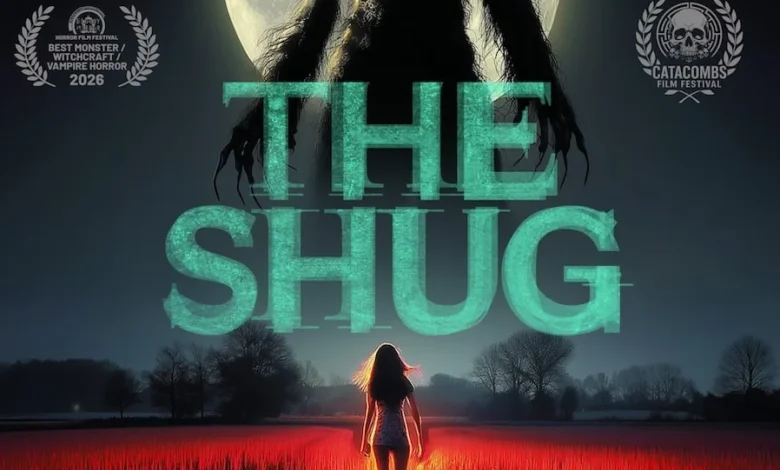
Black Mandala has unveiled the official trailer and poster for the upcoming horror film, The Shug, a project that delves into the terrifying unknown while simultaneously exploring the enduring impact of human trauma. Directed by Martin J. Pickering and penned by Pickering and Matt Bowmer, the film draws its inspiration from a series of purported monster sightings reported across Britain in 2024, tapping into a contemporary vein of unexplained phenomena that has captured public imagination.
The film’s synopsis sets a compelling stage for a narrative that promises to intertwine cryptid lore with deeply personal psychological struggles. The story centers on John, an individual grappling with alcoholism and the lingering psychological scars of a violent encounter with the creature during his adolescence. Decades later, this suppressed trauma is reawakened as the mysterious "Shug" begins to resurface, its sightings escalating and fear gripping the local community. Reluctantly, John finds himself drawn into the investigation, joining forces with Alice Bowmer, a determined journalist seeking to uncover the truth behind the growing reports, and "The Hobbo Adventurer," a popular paranormal YouTuber dedicated to exploring the unexplained. Their collaborative pursuit of answers, however, leads them to a chilling realization: the legend of the Shug is far more complex and personally intertwined with their own lives than they could have ever anticipated.
Genesis of the Shug: A Modern Cryptid Emerges
The inspiration for The Shug stems from a phenomenon that has become increasingly prevalent in the digital age: the proliferation of alleged cryptid sightings and encounters. While the film’s narrative is fictional, its grounding in contemporary reports adds a layer of contemporary relevance. The year 2024 saw a notable surge in anecdotal accounts across the United Kingdom of unusual creatures and unexplained phenomena, fueling online discussions and local folklore. These reports, often shared on social media platforms and paranormal forums, range from fleeting glimpses of large, shadowy figures in rural areas to more detailed descriptions of amphibious or ape-like beings.
The precise origin and nature of these 2024 sightings remain unverified, often attributed to misidentification of known animals, elaborate hoaxes, or genuinely unexplained occurrences. However, the sheer volume and consistency of some reports have captured the attention of both amateur cryptozoologists and the general public, creating a fertile ground for fictional exploration. The Shug appears poised to capitalize on this contemporary fascination with the unknown, offering a cinematic interpretation of these modern myths.
A Narrative of Fear and Healing: Unpacking the Synopsis
The film’s synopsis immediately highlights a dual focus: the external threat of a monstrous entity and the internal battle against personal demons. John’s character arc is central to this theme. His alcoholism serves as a tangible manifestation of his unresolved trauma, a coping mechanism for a past he desperately wishes to forget. The creature’s return forces him to confront not only the external danger but also the deeply buried memories and emotional pain associated with his initial encounter. This narrative choice suggests a thematic exploration of how unresolved trauma can manifest and fester, and how confronting the external source of fear can be intrinsically linked to personal healing.
The introduction of journalist Alice Bowmer and paranormal YouTuber "The Hobbo Adventurer" injects an element of investigative urgency and diverse perspectives into the plot. Alice represents the pursuit of factual evidence and journalistic integrity, while "The Hobbo Adventurer" embodies the popular culture fascination with the paranormal and the power of online dissemination of information. Their alliance with John, despite his initial reluctance, underscores the idea that understanding and confronting extraordinary threats often requires collaboration and the pooling of disparate knowledge and skills. The synopsis hints at a revelation that transcends mere monster hunting, suggesting that the Shug’s legend is "far darker—and far more personal—than any of them imagined." This implies a potential connection between the creature and the characters themselves, perhaps revealing origins, motives, or a shared history that deepens the stakes beyond a simple survival narrative.
Thematic Depth: Creature Features and Psychological Resonance
The genre of creature features has a long and storied history in cinema, often serving as a vehicle for exploring societal anxieties and primal fears. From the iconic monsters of Universal Studios to the more contemporary threats in films like Alien and A Quiet Place, these narratives frequently tap into our innate fear of the unknown, the monstrous "other," and the fragility of human existence in the face of overwhelming natural or supernatural forces.
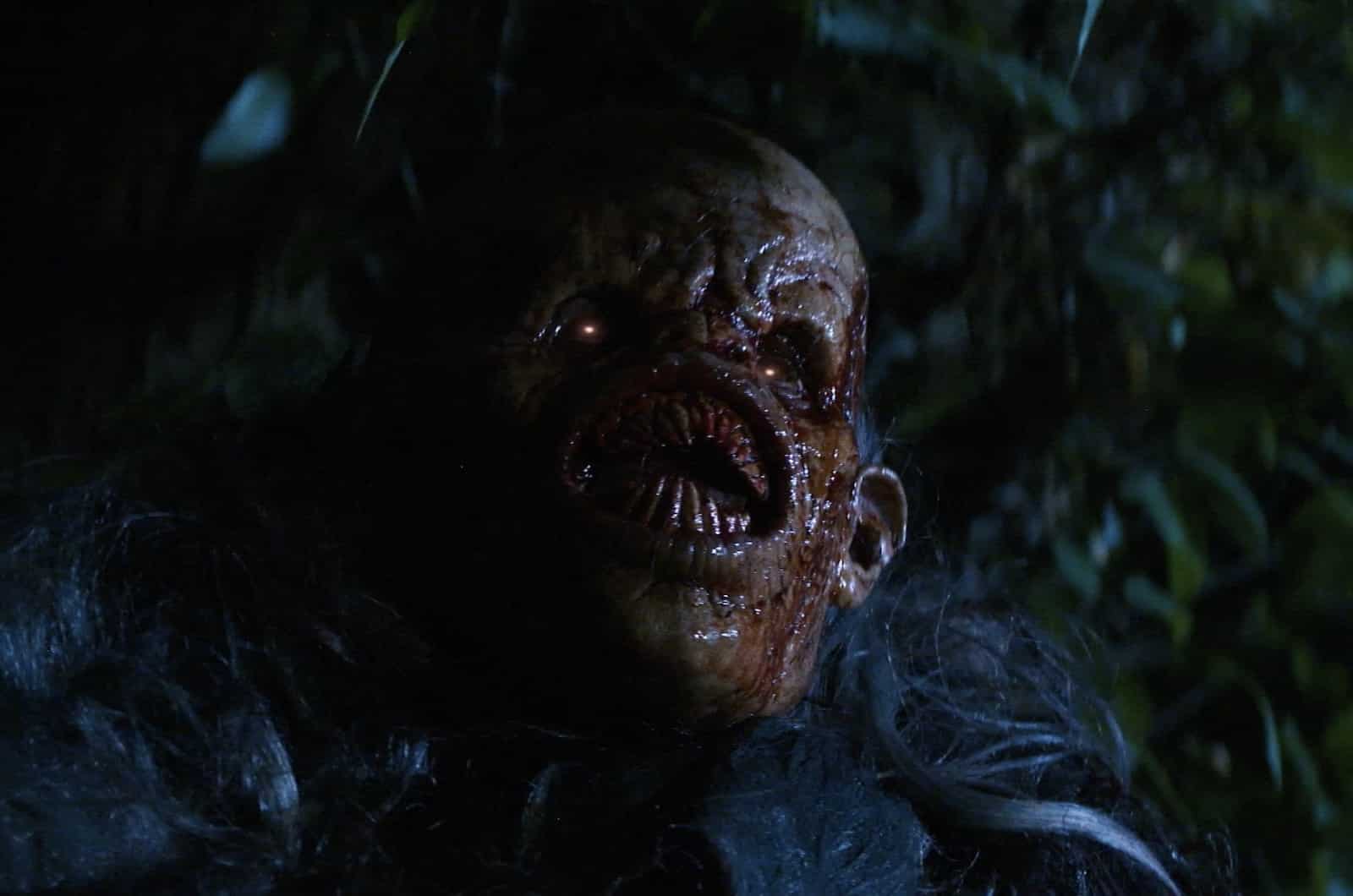
The Shug appears to be elevating this traditional genre by explicitly incorporating the dimension of human trauma. This approach is not entirely unprecedented, as many successful horror films have interwoven psychological depth with supernatural or monstrous elements. For instance, films like The Babadook use a literal monster as a metaphor for grief and depression, while Hereditary explores inherited trauma through a supernatural lens. By focusing on John’s past trauma and its reawakening, The Shug signals an ambition to create a more nuanced and emotionally resonant viewing experience. The creature, in this context, may function not only as a physical antagonist but also as a catalyst for confronting and processing deeply ingrained psychological wounds. This blending of external horror with internal struggle has the potential to create a more profound and lasting impact on audiences.
Production and Release: A Glimpse into the Film’s Identity
Directed by Martin J. Pickering, a filmmaker with a burgeoning portfolio in the horror genre, and co-written by Pickering and Matt Bowmer, The Shug is being brought to audiences by Black Mandala, a production company known for its engagement with independent horror cinema. The release of the trailer and poster serves as the initial public unveiling of the film’s aesthetic and thematic direction.
The trailer, accessible via the provided YouTube embed, offers a first look at the visual style, tone, and potential scares within the film. While specific details about the creature’s design and the film’s visual effects are best assessed by viewing the trailer, such promotional materials are crucial in establishing audience expectations and generating anticipation. The poster, often a critical piece of marketing art, aims to encapsulate the film’s essence in a single image. Its composition, color palette, and central imagery typically provide clues about the genre, the nature of the threat, and the overall mood of the film. The inclusion of laurel imagery on the poster, as indicated by the file name, could subtly suggest critical acclaim or an aspirational artistic intent.
The film’s announced release year of 2026 places it within a dynamic landscape of horror filmmaking, where audiences are constantly seeking fresh takes on familiar tropes. The specific casting of Nicholas Clarke, Alice Henley, Mae Sutton, Dean Kilby, Jack Armstrong, Jason Hall, and Funso Foluso-Henry suggests a ensemble of talent that will be crucial in bringing the film’s narrative and thematic complexities to life.
Broader Implications: Cryptids, Media, and Psychological Well-being
The phenomenon of cryptid sightings, particularly in the age of pervasive social media and readily available recording devices, raises interesting questions about the interplay between folklore, media, and human psychology. The widespread sharing of alleged encounters can contribute to a collective sense of wonder, fear, and even communal validation. This can, in turn, fuel further reports and create a feedback loop where belief and perception mutually reinforce each other.
The Shug‘s premise, drawing from such contemporary reports, reflects a cultural moment where the line between verifiable fact and speculative belief is increasingly blurred. The film’s exploration of human trauma in parallel with a creature feature narrative also speaks to a growing audience demand for horror that offers more than just jump scares. Films that successfully tap into deeper psychological themes often resonate more profoundly, offering catharsis or prompting introspection.
The success of The Shug will likely depend on its ability to balance the thrill of a creature encounter with the authentic portrayal of human vulnerability and the arduous process of healing from trauma. If executed effectively, the film could contribute to a broader conversation about how we understand and process fear, both external and internal, and how folklore and myth continue to evolve in the modern world. The integration of a journalist and a paranormal influencer into the narrative also hints at an awareness of the media’s role in shaping public perception of the unexplained, adding another layer of meta-commentary to the film’s unfolding mystery.