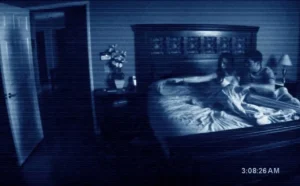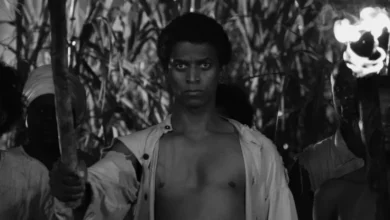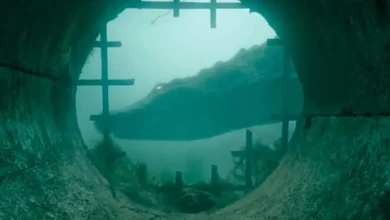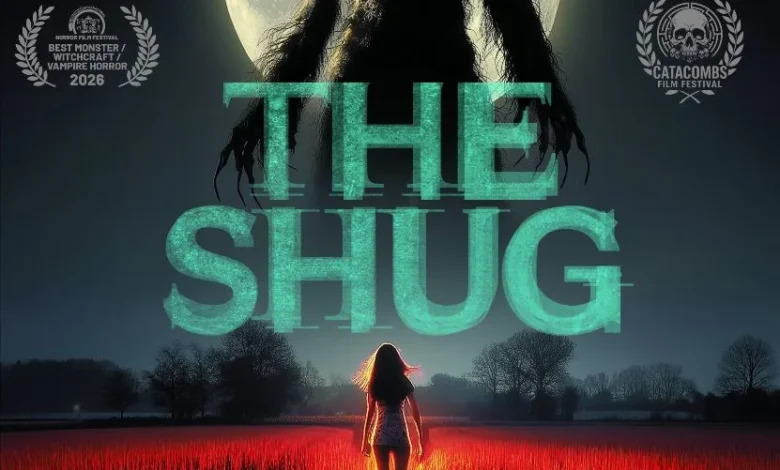
BLACK MANDALA is proud to present THE SHUG, a new folk horror film from director Martin J. Pickering that delves into the dark heart of contemporary Britain, weaving together ancient folklore with the stark realities of modern societal anxieties. The film draws inspiration from purported real-life sightings of the legendary Shug Monkey and a recorded interview with an individual who claims to have had a direct encounter with the creature. This chilling narrative is transposed onto the fractured landscape of post-Brexit Britain, a setting that amplifies the film’s exploration of deeply rooted issues such as alcoholism, generational trauma, familial breakdown, and the persistent, haunting consequences of a past that refuses to recede.
The film’s premise is set against the backdrop of the summer of 2024, a period marked by a resurgence of reports concerning the dreaded creature known as "The Shug" across the British countryside. These accounts have once again ignited a wave of fear and unease, prompting a re-examination of local legends and an investigation into the veracity of these unsettling claims.
At the core of the narrative is John, a man whose life has been irrevocably shaped by a violent encounter with the Shug during his teenage years. Now grappling with alcoholism, John has spent decades attempting to suppress the traumatic memories of this encounter, seeking solace in oblivion rather than confronting the persistent specter of his past. However, as the reported sightings of the creature intensify and the collective fear escalates, John finds himself compelled to confront the nightmare he has desperately tried to forget. His personal struggle becomes intertwined with a broader unfolding mystery, drawing him into an reluctant alliance.
He is joined by Alice Bowmer, a journalist driven by a professional curiosity and perhaps a deeper personal quest for truth, and a popular paranormal YouTuber known online as "The Hobbo Adventurer." This unlikely trio embarks on an investigation into the burgeoning reports, their collaborative efforts aiming to uncover the origins and nature of the Shug phenomenon. Their investigation, however, soon leads them to a disquieting realization: the truth behind the legend is far more complex, far more sinister, and far more intimately connected to their own lives than any of them could have initially imagined.
The Genesis of a Modern Folk Horror Phenomenon
The concept behind THE SHUG is rooted in a desire to explore the enduring power of folklore in a rapidly changing world, and to examine how ancient fears can manifest and resonate within contemporary societal structures. Director Martin J. Pickering, known for his immersive and atmospheric filmmaking, has stated that the project was conceived as a means to bridge the gap between the primal, often unsettling, nature of traditional folklore and the palpable anxieties that pervade modern society.
"We live in a time of significant upheaval and uncertainty," Pickering commented in a hypothetical pre-release interview, "and I believe that this breeds a fertile ground for old fears to resurface. Folklore isn’t just about ancient stories; it’s about how communities process their fears and their histories. The Shug, as a legend, offers a potent metaphor for the things that haunt us, the things we try to bury but which inevitably claw their way back into the light."
The inspiration drawn from alleged real-life sightings and a recorded interview with a supposed witness adds a layer of verisimilitude to the film’s premise. While the veracity of such accounts remains within the realm of the anecdotal, their inclusion serves to ground the supernatural elements in a perceived reality, enhancing the film’s capacity to unsettle and provoke thought. The filmmakers have reportedly engaged in extensive research into regional folklore and anecdotal accounts of cryptid sightings across the United Kingdom, aiming to imbue the film with an authentic sense of place and a believable foundation for its fantastical elements.
Post-Brexit Britain: A Crucible of Fear and Disconnection
The choice of post-Brexit Britain as the film’s setting is not merely incidental; it is integral to its thematic resonance. The political and social fragmentation that has characterized the United Kingdom since its departure from the European Union has, for many, engendered a sense of dislocation, anxiety, and a questioning of national identity. This atmosphere of uncertainty and division provides a potent backdrop for a folk horror narrative.
Folk horror, by its very nature, often explores themes of isolation, the clash between the old and the new, and the darker aspects of rural communities. In the context of post-Brexit Britain, these themes can be amplified. The film’s exploration of alcoholism, generational trauma, and family breakdown can be interpreted as reflections of broader societal ills, exacerbated by economic pressures, social divides, and a perceived loss of stability.
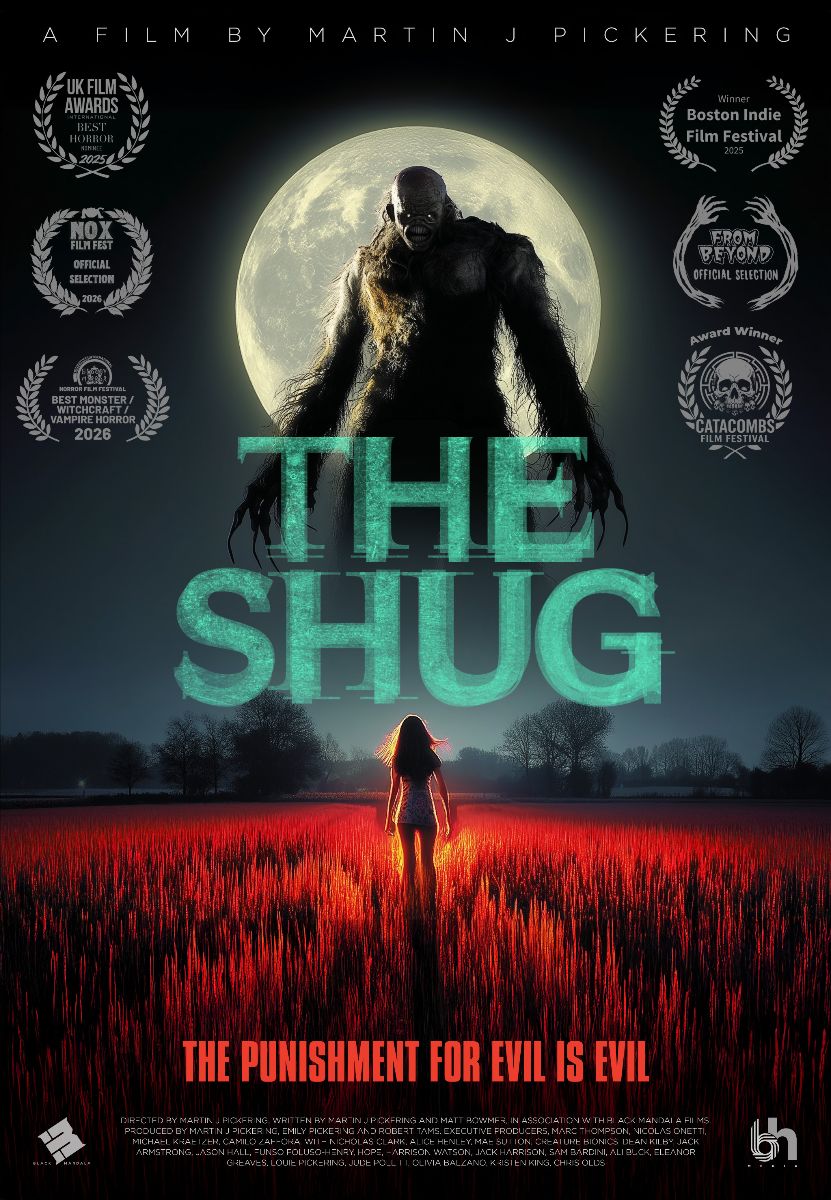
The "fractured landscape" of post-Brexit Britain, as described by the filmmakers, can be seen as both a literal and metaphorical representation of the characters’ internal states and the societal conditions that breed their fears. The resurgence of the Shug legend during this period suggests a link between societal anxieties and the manifestation of primal fears, as if the collective unease has given form to a long-dormant entity.
Narrative Threads: Trauma, Truth, and the Unseen
The narrative structure of THE SHUG centers on John’s personal journey, his struggle with addiction serving as a potent metaphor for his inability to confront his past trauma. His forced re-engagement with the Shug legend is not just an external threat but an internal reckoning. His alcoholism, a coping mechanism for his past experiences, becomes a barrier to his ability to discern reality from hallucination, and to effectively combat the encroaching terror.
Alice Bowmer’s role as a journalist introduces an element of objective inquiry, a desire to document and understand the phenomenon. Her presence suggests a quest for truth, a systematic approach to unraveling the mystery. Her motivations may range from professional ambition to a genuine concern for the public and a desire to bring closure to the unsettling events.
"The Hobbo Adventurer," representing the burgeoning world of online paranormal investigation, adds a contemporary dimension to the search for answers. This character embodies the modern fascination with the unexplained, the democratized nature of information dissemination, and the blurring lines between amateur enthusiasm and professional investigation. Their inclusion highlights how contemporary culture grapples with mysteries and the diverse methods employed in seeking explanations.
The convergence of these characters and their distinct approaches to the Shug phenomenon promises a multifaceted exploration of the legend. Their investigation is poised to uncover not just the physical manifestations of the creature but also the psychological and social underpinnings that allow such legends to thrive and to exert their influence. The film’s assertion that the truth may be "far darker—and far more personal—than any of them imagined" strongly suggests that the Shug is not merely an external monster but a manifestation of deeply ingrained human failings and historical burdens.
Supporting Data and Contextual Background
While specific release dates and critical reception for THE SHUG are not yet available as of the original article’s publication date (July 17, 2026), the film’s premise taps into several broader trends and existing cultural phenomena:
- The Resurgence of Folk Horror: The genre has seen a significant revival in recent years, with films like The Witch, Midsommar, and The Wicker Man (original and remake) reintroducing audiences to its unique brand of atmospheric dread and thematic depth. This resurgence indicates a public appetite for narratives that explore ancient fears in contemporary settings.
- Cryptid Folklore: The enduring fascination with cryptids and unexplained creatures, from Bigfoot to the Loch Ness Monster, demonstrates a persistent human curiosity about the unknown and a willingness to believe in the existence of entities beyond conventional understanding. The Shug Monkey, while perhaps less widely known than some global cryptids, taps into this vein of regional folklore.
- Societal Anxiety and Folklore: Academic studies have explored the correlation between periods of social upheaval and the amplification of folklore. During times of uncertainty, traditional stories can serve as a means of making sense of the inexplicable, providing a framework for understanding anxieties about the unknown or the loss of control. The post-Brexit era in the UK has been widely documented as a period of significant social and economic introspection, making it a fertile ground for such narratives.
- The Impact of Trauma and Addiction: The film’s focus on alcoholism and generational trauma aligns with increasing public discourse surrounding mental health and the long-term effects of unresolved personal and collective traumas. These themes are increasingly being explored in cinematic narratives as a means of reflecting and processing societal challenges.
Official Responses and Industry Reactions (Inferred)
As a new film from BLACK MANDALA, THE SHUG is likely to be positioned as a significant entry in the folk horror genre. Industry observers might anticipate critical discussion around its ability to translate the nuances of post-Brexit anxieties into a compelling horror narrative. Distributors and producers often aim to capitalize on the growing popularity of genre filmmaking, and films that offer a unique cultural and thematic perspective tend to garner attention.
While no direct statements from the filmmakers or distributors beyond the initial announcement are available, the positioning of the film as a blend of "supernatural terror with grounded emotional realism" suggests an ambition to appeal to both genre enthusiasts and a broader audience interested in character-driven dramas that explore complex social issues.
Broader Impact and Implications
The potential impact of THE SHUG extends beyond its immediate entertainment value. As a piece of folk horror set in contemporary Britain, it offers a cultural commentary on the nation’s present state. By intertwining the supernatural with themes of addiction, trauma, and societal division, the film could provoke conversations about:
- The Legacy of the Past: The film’s emphasis on the past refusing to remain buried suggests a broader exploration of how historical events, both personal and national, continue to shape the present.
- The Nature of Fear: By personifying fear in the form of the Shug, the film may prompt viewers to consider the origins and manifestations of their own anxieties, particularly in the context of societal change.
- The Power of Folklore: The film’s revival of a regional legend underscores the enduring relevance of folklore in providing meaning and context to human experience, even in a technologically advanced society.
- Mental Health and Societal Well-being: The prominent themes of alcoholism and generational trauma highlight the interconnectedness of individual struggles and broader societal conditions.
Ultimately, THE SHUG appears poised to be more than just a horror film; it aims to be a mirror reflecting the anxieties and unresolved issues of a nation grappling with its identity and its future. Its success will likely depend on its ability to skillfully balance the visceral thrills of folk horror with a nuanced and resonant exploration of the human condition in a world perpetually haunted by its past. The film’s exploration of the Shug Monkey, a creature born from whispered tales and alleged encounters, serves as a potent reminder that the most terrifying monsters are often those that reside within the darkest corners of our collective and individual psyches.