HBO Max’s Harry Potter Series Poised for December Debut with Unprecedented Streaming Budget and Revamped Narrative Approach

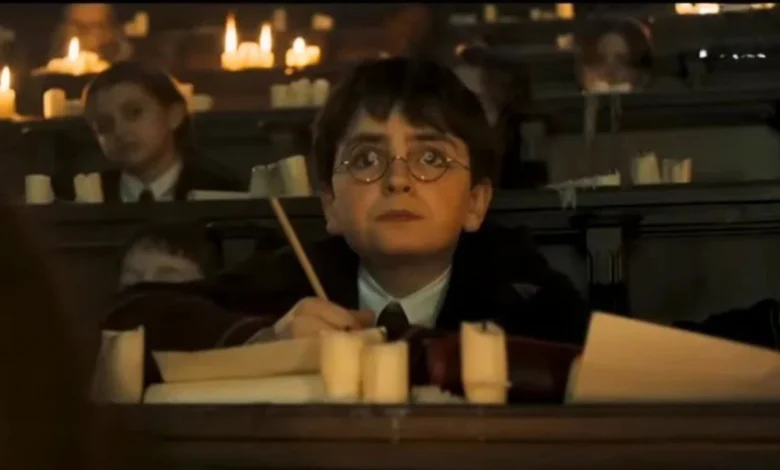
The highly anticipated Harry Potter series on HBO Max is set to enchant audiences with the arrival of its inaugural season this December, a launch that is generating considerable buzz following recent revelations from its director of photography. During a recent YouTube masterclass special, cinematographer Adriano Goldman disclosed that the ambitious project boasts the "largest production budget ever allocated to a streaming series," a declaration that immediately elevates expectations for the long-form adaptation of J.K. Rowling’s iconic novel series. This monumental investment underscores Warner Bros. Discovery’s strategic commitment to one of its most valuable intellectual properties, aiming to deliver a comprehensive retelling that promises to explore depths unattainable by the original cinematic adaptations due to inherent time constraints.
A New Chapter for the Wizarding World: The Strategic Imperative
The decision to embark on a multi-season television series re-envisioning the Harry Potter saga marks a significant strategic move for Warner Bros. Discovery, particularly for its streaming platform, Max. Following the completion of the original eight-film series, which collectively grossed over $7.7 billion worldwide and became one of the highest-grossing film franchises in history, and the subsequent Fantastic Beasts spin-off films, the Harry Potter universe remains a global cultural phenomenon. However, the original films, while beloved, were necessitated by theatrical runtimes to condense intricate plots, character developments, and extensive world-building elements from Rowling’s seven-book series. Many fan-favorite moments, subplots, and character nuances were either truncated or entirely omitted.
This new series aims to rectify those perceived shortcomings by dedicating one season to each of Rowling’s seven books, allowing for a meticulous, chapter-by-chapter adaptation. This long-form narrative structure provides an unprecedented canvas for exploring the nuances of Harry’s journey, the complexities of his relationships, the intricate political landscape of the wizarding world, and the deeper lore that captivated millions of readers. The sheer scope of this endeavor necessitates a substantial financial commitment, which Goldman’s comments now quantify as unparalleled in the streaming landscape.
Unpacking the "Largest Production Budget Ever" Claim
Adriano Goldman’s assertion about the series’ budget positions it in an exclusive echelon of streaming productions, surpassing even some of the most lavish series seen to date. While specific figures remain confidential, this statement implicitly places the Harry Potter series above productions known for their colossal expenditures. For context, Amazon Prime Video’s The Lord of the Rings: The Rings of Power reportedly spent an estimated $465 million for its first season alone, primarily on securing rights and initial production. HBO’s own House of the Dragon, a prequel to Game of Thrones, commanded over $20 million per episode. Other high-profile series from major franchises like Disney+’s Star Wars and Marvel Cinematic Universe shows, as well as Netflix’s Stranger Things, have also featured budgets ranging from $15 million to $30 million per episode.
Goldman’s remark suggests that the Harry Potter series’ per-season or overall budget might exceed these benchmarks, indicating an investment likely in the hundreds of millions of dollars, potentially even approaching or surpassing half a billion dollars for its initial run. Such an astronomical budget is typically allocated to ensure world-class visual effects, intricate set designs, authentic period costumes, extensive international filming locations, and the recruitment of top-tier talent both in front of and behind the camera. For Warner Bros. Discovery, this represents not merely an investment in a television show but a strategic bet on the enduring power of the Harry Potter brand to attract and retain subscribers in the highly competitive streaming wars.
Behind the Lens: Cinematographer Adriano Goldman’s Vision
Adriano Goldman, an acclaimed director of photography known for his work on critically lauded series such as The Crown and Sense8, brings a distinguished eye to the wizarding world. His participation in the YouTube masterclass offered crucial insights into the creative direction and aesthetic philosophy guiding the new adaptation. Goldman’s reputation for crafting visually rich and emotionally resonant narratives suggests a sophisticated approach to the Harry Potter universe.
Among his specific disclosures, Goldman revealed that Hogwarts, the iconic School of Witchcraft and Wizardry, will not make its grand appearance until the very end of the first episode. This narrative choice is significant. It implies a deliberate pacing that will likely devote substantial screen time to Harry Potter’s initial, deprived life with the Dursleys in the Muggle world, meticulously building the contrast before his magical destiny unfolds. This could allow for a deeper exploration of Harry’s character, his early struggles, and the incremental discovery of his extraordinary heritage, amplifying the emotional impact of his eventual entry into the wizarding realm. It also presents an opportunity to subtly weave in early hints of the wider magical world and the lingering shadow of Voldemort, setting a more mature tone from the outset.
Goldman also detailed the distinct visual language being employed: the Muggle world will be depicted with a "bluer and paler" color palette, emphasizing its mundane, often bleak reality from Harry’s perspective. In stark contrast, Hogwarts and the wizarding world will burst forth with vibrant hues, symbolizing the wonder, magic, and boundless possibilities that await him. This thoughtful use of color grading is a powerful storytelling tool, designed to visually reinforce the emotional and thematic shifts in Harry’s journey and enhance the immersive experience for viewers.
Furthermore, Goldman stated that the series will adopt a "more realistic and down-to-earth approach" compared to the first two Harry Potter films. This comment resonates deeply with fans who often cite Harry Potter and the Prisoner of Azkaban as a turning point in the film series’ maturity. Directed by Alfonso Cuarón, Azkaban embraced a darker, more grounded aesthetic and narrative complexity, which many argue elevated the franchise from a whimsical children’s fantasy to a more profound coming-of-age saga. By beginning with a similar tonal foundation, the HBO Max series appears poised to explore the inherent darkness and moral ambiguities of the wizarding world from its inception, rather than gradually transitioning into it. This could allow for more nuanced character development and a deeper exploration of the mature themes present in Rowling’s later books.
Fan Expectations and the Promise of Book Fidelity
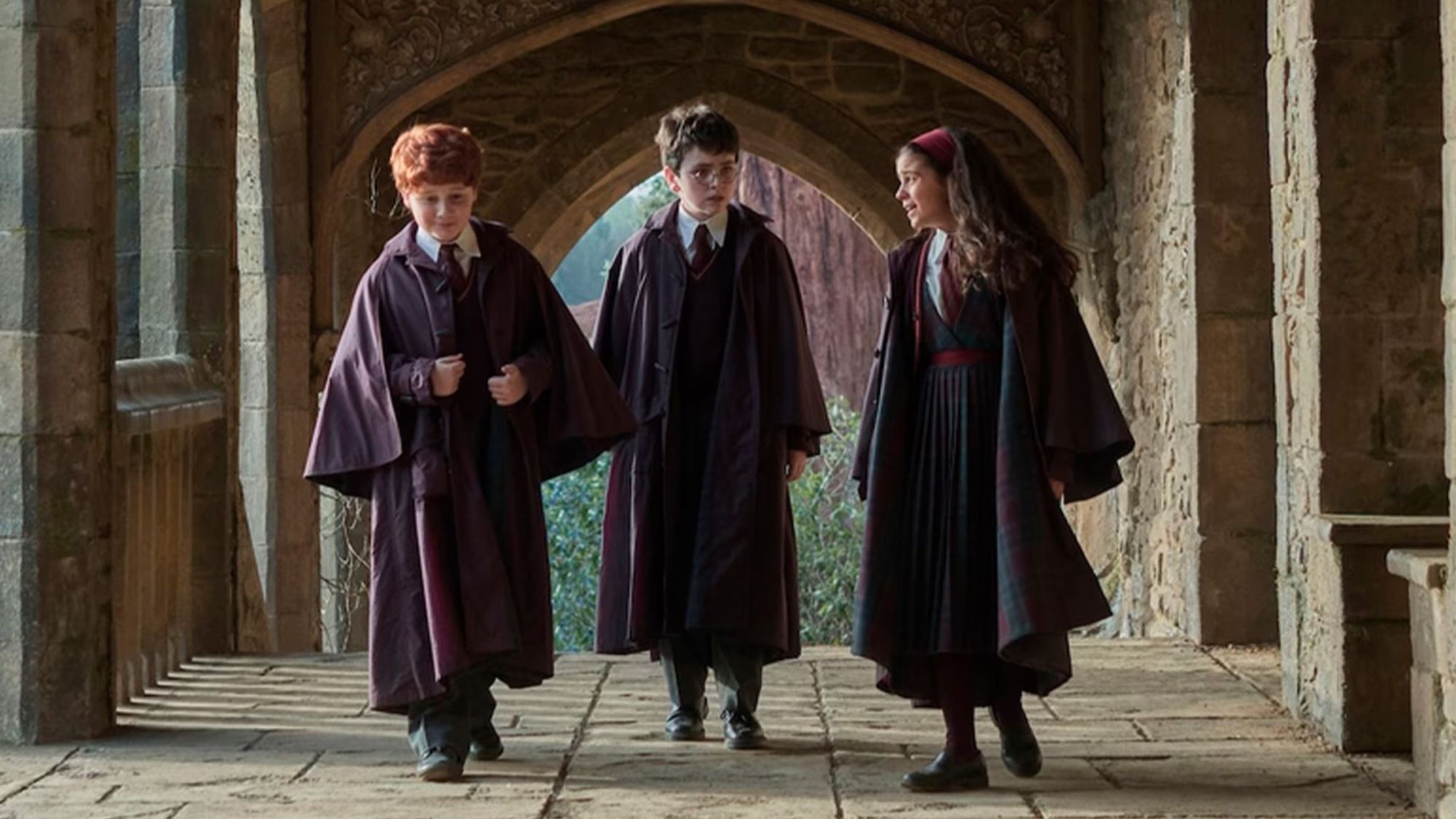
The promise of a long-form adaptation has ignited fervent discussions among the dedicated Harry Potter fanbase. Decades after the books’ initial publication, fans still recall beloved elements and character arcs that were minimized or cut from the original films. The new series offers a golden opportunity to bring these cherished details to life.
Key areas where fans anticipate greater fidelity include:
- Neville Longbottom’s Arc: The films depicted Neville as a brave, if initially clumsy, ally, but largely compressed his profound journey from an insecure child to a pivotal leader in the fight against Voldemort. The series could delve into his backstory, his parents’ fate, and his crucial role in the final battle.
- Snape and the Marauders’ Past: The complex history between Severus Snape, James Potter, Lily Evans, and the other Marauders is central to understanding many characters’ motivations. A series format can allocate sufficient time to explore these intricate relationships, their school rivalries, and the tragic circumstances that shaped Snape’s life.
- House-Elves and S.P.E.W.: Hermione Granger’s passionate campaign for the rights of house-elves, culminating in the Society for the Promotion of Elfish Welfare (S.P.E.W.), was largely absent from the films. This subplot offers valuable insights into class structures, prejudice, and social justice within the wizarding world.
- Peeves the Poltergeist: A fan-favorite character from the books, Peeves was famously cut from the films. His inclusion would add a layer of mischievous humor and chaos to Hogwarts.
- Expanded Lore and World-Building: The books are rich with details about wizarding culture, history, and various magical creatures that were glossed over in the films. A series could elaborate on subjects like the origins of magic, other magical schools, and the wider political landscape beyond Britain.
- Quidditch: While featured in the films, the strategic intricacies and thrilling nature of Quidditch matches could be explored in greater detail, showcasing more of the sport’s tactical depth and excitement.
By committing to a book-per-season structure, the production team signals a strong intention to honor the source material, a move that is likely to be met with immense enthusiasm from the global fandom.
The Shadow of Controversy and Warner Bros. Discovery’s Gamble
The revival of the Harry Potter franchise for a new generation is not without its complexities, particularly in light of J.K. Rowling’s controversial public statements regarding gender identity. These remarks have led to significant backlash from segments of the fanbase and the LGBTQ+ community, creating a challenging environment for any new Harry Potter production. Warner Bros. Discovery has publicly stated its commitment to supporting the LGBTQ+ community while also acknowledging Rowling’s role as the creator of the Wizarding World and an executive producer on the series.
The decision to proceed with such a massive financial investment amidst this ongoing controversy represents a significant gamble for the studio. The hope is that the quality and fidelity of the adaptation, coupled with the enduring popularity of the Harry Potter stories, will ultimately transcend the external issues and attract a broad audience. The unprecedented budget can be seen as a vote of confidence in the franchise’s intrinsic appeal and a strategic attempt to re-center the narrative on the magic of the stories themselves.
Chronology of the Revitalization
The journey to this December premiere has been a carefully orchestrated process:
- April 2023: Warner Bros. Discovery officially announced the development of a new Harry Potter television series for its streaming service, then known as HBO Max, later rebranded as Max. The announcement confirmed the one-season-per-book format and J.K. Rowling’s executive producer role.
- Throughout 2023-2024: Pre-production, casting calls, and initial filming phases commenced, largely under wraps, with sporadic reports and rumors circulating among fans.
- Recent Months: Key crew members, including cinematographer Adriano Goldman, have begun to share insights, offering the first tangible details about the series’ scope and artistic direction. Goldman’s masterclass provided the most comprehensive look yet into the production’s ambition and visual strategy.
- December (Targeted): The highly anticipated first season is scheduled to premiere, introducing a new generation of viewers to Harry Potter’s story and offering a fresh perspective for long-time fans.
Broader Implications and the Future of Streaming
The Harry Potter series on Max is poised to have significant ramifications beyond its immediate viewership numbers. Its colossal budget and high-profile status will undoubtedly set a new benchmark for intellectual property adaptations in the streaming landscape. Should it achieve critical and commercial success, it could embolden other studios to invest even more heavily in long-form retellings of beloved book series, moving away from condensed film adaptations.
For Warner Bros. Discovery, the series is a cornerstone of its content strategy, aimed at driving subscriber growth and enhancing the perceived value of the Max platform. In an era of intense competition among streaming services, exclusive, premium content based on universally recognized brands is paramount. The economic ripple effects could extend to merchandising, theme park attractions, and other ancillary revenue streams, further solidifying the Harry Potter brand’s multi-billion-dollar empire.
Culturally, the series has the potential to reignite the global phenomenon that Harry Potter became. It will introduce the wizarding world to a new generation of children and rekindle the magic for existing fans, fostering new discussions and interpretations. The blend of a familiar story with a fresh, detailed, and visually ambitious approach promises to be a captivating experience, positioning the Harry Potter series not just as a major streaming event, but as a significant moment in the ongoing evolution of popular storytelling.
As the December premiere approaches, all eyes will be on Max to see if this unprecedented investment and ambitious creative vision can deliver a magical experience truly worthy of the wizarding world’s enduring legacy.