Robert Eggers upcoming werewolf horror film Werwulf receives an official R rating from the Motion Picture Association

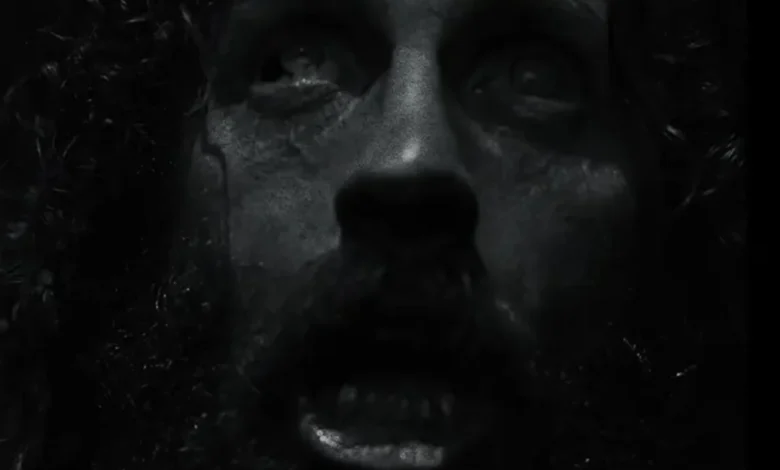
The Motion Picture Association (MPA) has officially issued an R rating for Robert Eggers’ highly anticipated 13th-century period horror film, Werwulf. According to the classification board, the film has been cited for "strong bloody/disturbing violent content, gore, sexual assault, graphic nudity, and strong sexual content." This restrictive rating confirms the project’s trajectory as one of the most intense entries in Eggers’ filmography, aligning with his own prior assessments of the material. When footage of the film was first presented to exhibitors at CinemaCon, Eggers described the project as the "darkest thing I have ever written," setting expectations for a visceral experience that moves beyond traditional creature-feature tropes.
A Return to Historical Brutality
Werwulf marks a significant pivot for the director, who has carved out a niche for himself in the genre by blending meticulous historical research with psychological and supernatural terror. Since his 2015 debut The Witch, Eggers has demonstrated an obsession with authenticity, utilizing period-accurate dialects and production design to ground his supernatural narratives.
The film is set in medieval England, a period that Eggers has explored previously in his Viking-era epic The Northman. For this project, he has reunited with his Nosferatu ensemble, including Aaron Taylor-Johnson, Lily-Rose Depp, and Willem Dafoe. The screenplay was co-written by Sjón, the Icelandic novelist and poet who also collaborated with Eggers on The Northman. This creative partnership is expected to emphasize the folklore and folk-horror elements of lycanthropy, stripping away the modern cinematic conventions often associated with werewolf transformations to focus on the primal, harrowing nature of the myth.
Production Chronology and Development
The development of Werwulf has been a closely guarded process. Following the completion of Nosferatu, production shifted toward this project, which was designed to explore the intersection of human savagery and beastly instinct. The project’s timeline gained momentum throughout 2026, as Focus Features began its marketing push.
- Early 2026: Production wraps on the principal photography of Werwulf, with post-production focusing heavily on practical effects and creature design to maintain the "gritty" aesthetic for which Eggers is known.
- April 2026: Footage is screened at CinemaCon, where the director’s comments regarding the film’s "dark" tone generate immediate industry buzz and suggest a departure from the more stylized approach of his previous work.
- Late 2026: The official trailer is released, confirming the period setting and showcasing the tension-filled atmosphere. The marketing material purposefully omits a clear look at the werewolf, focusing instead on the psychological breakdown of the characters, particularly the performance by Aaron Taylor-Johnson.
- December 2026: The film is scheduled for a wide theatrical release on Christmas Day, with specialized 35mm screenings available in select markets for cinephiles seeking a more tactile, traditional viewing experience.
Analysis of the MPA Classification
The MPA’s decision to assign an R rating based on "strong sexual content" and "sexual assault" is notable, as it indicates that the horror in Werwulf is not purely confined to supernatural violence. In the landscape of contemporary horror, films that push into these categories often signal a thematic focus on trauma or the dehumanization of the protagonist.
From an industry perspective, the R-rating is a standard expectation for Eggers’ work, yet it serves as a critical marketing tool. By clearly demarcating the film’s extreme content, the studio is signaling to audiences that this is a "prestige horror" title intended for mature viewers. This aligns with the broader success of A24 and Focus Features in cultivating a market for adult-oriented, director-driven horror, which has seen increased box office returns over the last decade. Historically, films like The Witch and The Lighthouse utilized their ratings as badges of honor, and Werwulf appears to be leaning into this brand identity.
Broader Implications for the Horror Genre
The release of Werwulf on December 25, 2026, presents an interesting counter-programming strategy. While the holiday season is typically dominated by family-friendly blockbusters and awards-season dramas, the decision to launch a visceral, R-rated horror film on Christmas Day suggests that Focus Features is confident in the film’s appeal to a specific, loyal demographic.

This move also highlights the shifting perception of horror in the awards circuit. Robert Eggers has become a central figure in the "elevated horror" movement—a term often debated by critics but nonetheless representative of a shift where horror is increasingly viewed as high-art. The inclusion of stars like Aaron Taylor-Johnson and Willem Dafoe, both of whom have significant dramatic credentials, further reinforces the film’s status as a high-priority theatrical event.
Technical and Theatrical Considerations
Beyond the narrative, the decision to offer 35mm screenings of Werwulf speaks to a growing trend in the exhibition industry. As digital projection becomes the global standard, specialized screenings of 35mm film prints have become a way for directors to connect with a core audience of film enthusiasts. By encouraging fans to see the film in its original analog format, Eggers is emphasizing the craftsmanship of the production, mirroring the period-accurate, analog approach he takes to his cinematography.
The film’s marketing team has been careful to maintain the mystery surrounding the titular creature. The trailers released to date have focused on the auditory elements—specifically the sounds of the transformation and the howling—rather than revealing the physical design of the beast. This "less is more" approach is a classic technique in horror, designed to build anticipation and ensure that the reveal remains impactful for the audience during their first viewing in the theater.
The Role of Narrative Collaborations
The collaboration between Robert Eggers and Sjón remains a focal point for industry analysts. Sjón’s background in surrealist literature and Icelandic mythology provides a unique narrative depth that complements Eggers’ visual precision. Their past work on The Northman proved that they could balance historical accuracy with intense, high-stakes storytelling. With Werwulf, the pair is tackling a subject that is deeply rooted in European folklore, providing an opportunity to re-examine the werewolf myth from a lens that is both historically informed and uniquely contemporary in its exploration of violence.
Expected Market Impact
As the release date approaches, the industry will be watching to see how the R-rating influences the film’s reach. While R-rated films historically have a lower ceiling than PG-13 titles, they also tend to have stronger "legs" if word-of-mouth is positive. Given Eggers’ track record for delivering visually stunning and thematically dense films, Werwulf is positioned to perform well with both critics and the core horror audience.
For the studio, the challenge will be balancing the extreme nature of the content—as outlined by the MPA—with the need for a wide enough appeal to justify the production budget. However, the existing buzz surrounding the film suggests that the "dark" nature of the writing is being viewed as a feature rather than a hurdle. By targeting the Christmas window, Focus Features is clearly betting that audiences are looking for something more provocative than the typical holiday fare, setting the stage for what may be one of the most talked-about theatrical experiences of the late 2026 season.
In summary, Werwulf represents a calculated, high-stakes entry into the horror genre. By leaning into the intensity of the source material and utilizing a prestigious creative team, the production is primed to challenge audiences’ expectations while reinforcing the power of the werewolf myth in modern cinema. Whether the film succeeds in its goal of becoming the "darkest" story in Eggers’ catalog remains to be seen, but the official rating and the pedigree of its cast and crew ensure that it will be a focal point of discussion through the end of the year.