Since its official launch in 2017, Crunchyroll has rapidly ascended to become the preeminent global platform for anime streaming, offering an expansive library that spans both timeless classics and the latest weekly releases. The platform’s strategic content acquisitions and quarterly lineup announcements have cultivated a dedicated global fanbase, making it an indispensable resource for anime enthusiasts. However, July 2026 marked a significant point of contention, as Crunchyroll quietly de-listed six critically acclaimed yet often underrated anime series without any prior announcement, igniting widespread frustration within the anime community. This incident, while not unprecedented for the platform, is being characterized by many fans as one of the most severe content purges to date, primarily due to the unique nature of the removed titles and the immediate lack of alternative legal streaming options.
The Opaque Nature of Content Removals in Streaming
The practice of content cycling is a common, albeit often unannounced, reality across the streaming industry. Platforms frequently add and remove titles as licensing agreements expire or strategic priorities shift. For Crunchyroll, which solidified its market dominance through the 2021 acquisition and subsequent integration of Funimation, the management of an ever-growing catalog involves complex negotiations with various rights holders. The lack of transparency surrounding these removals, however, has consistently been a sore point for subscribers. In the case of the July 2026 purge, the absence of an official statement from Crunchyroll leaves fans and industry observers to speculate on the underlying causes. The most plausible explanations typically revolve around the expiration of licensing agreements or a perceived lack of sufficient viewership to justify the renewal costs. While all six series removed are lauded by critics and a segment of the fanbase, their status as older, "underrated" titles released several years prior likely means they struggled to attract a consistent influx of new viewers, making them vulnerable to such decisions. This situation highlights a critical challenge in the digital age: the ephemeral nature of content accessibility when tied to specific streaming licenses, leaving the future availability of these beloved series uncertain.
A Chronology of Crunchyroll’s Ascendancy and Content Evolution
Crunchyroll’s journey began long before its formal 2017 launch as a premium subscription service. Founded in 2006, it initially operated as a fan-upload site before transitioning to a legal distributor, securing major investment and partnerships. Its 2017 re-launch as a consolidated, user-friendly platform marked a pivotal moment in global anime distribution, significantly lowering the barrier for international fans to access a vast library legally. The platform’s aggressive expansion strategy included acquiring simulcast rights for new seasons, translating series into multiple languages, and expanding its global footprint.
A significant shift occurred in 2021 when Sony Pictures Entertainment, the parent company of Funimation, acquired Crunchyroll from AT&T. This merger, finalized in 2022, effectively consolidated the two largest anime streaming services under one umbrella. While initially celebrated for promising a unified anime ecosystem, it also led to a period of content migration from Funimation to Crunchyroll and, subsequently, the quiet removal of titles that either had expiring licenses or were deemed redundant post-merger. This consolidation streamlined operations but also centralized control over a substantial portion of the anime library, amplifying the impact of any content removals. The July 2026 incident is seen by many as a continuation of this trend, where business decisions prioritizing new or highly popular content inadvertently sideline older, niche, but equally valuable series.
The Business of Anime Streaming: Licensing, Viewership, and Profitability

The economics of anime streaming are complex, driven by a global market projected to reach billions of dollars annually. Licensing agreements for anime titles are typically negotiated on a per-territory, per-title, and time-limited basis. These agreements involve intricate financial models, including upfront fees, revenue sharing, and minimum guarantees, all of which are influenced by the popularity of the series, the reputation of the studio, and the competitive landscape. For a platform like Crunchyroll, managing hundreds, if not thousands, of these individual contracts is a monumental task.
When a license approaches its expiration, the streaming service must weigh the cost of renewal against the anticipated return on investment. Factors such as current viewership numbers, potential for new subscriber acquisition, and the strategic importance of the title within the overall catalog all play a role. Older, critically acclaimed titles, while cherished by existing fans, might not always generate the same level of new subscriptions or engagement as contemporary blockbusters. This can make their renewal a difficult business decision, particularly when resources could be allocated to acquiring newer, potentially more impactful content. The absence of specific viewership data for individual titles, which is proprietary information held by streaming services, further complicates external analysis but suggests that the removed series likely did not meet internal metrics for continued retention.
Fan Reactions and the Call for Digital Preservation
The anime community’s reaction to the July 2026 removals has been swift and overwhelmingly negative. Social media platforms, anime forums, and fan communities were abuzz with expressions of disappointment, anger, and a sense of betrayal. Many fans highlighted the unique value of these specific titles, noting that Black Lagoon, Blood Blockade Battlefront, and Barakamon are not easily replaceable within the streaming landscape. The sentiment echoed across various platforms was a plea for greater transparency from Crunchyroll regarding content removals and a concern for the long-term preservation of anime as cultural artifacts.
The unannounced nature of the purge exacerbated frustrations, as it denied fans the opportunity to rewatch or finish series before their disappearance. This practice is seen as disrespectful to subscribers who pay for access to a diverse library. Some fans have voiced fears that such removals push viewers towards illegal streaming sites, undermining the very goal of legitimate platforms. There’s a growing call for streaming services to adopt clearer communication policies, perhaps including "leaving soon" sections, similar to other major streaming platforms, to allow users to plan accordingly. Furthermore, the incident has reignited discussions about the importance of physical media (DVDs, Blu-rays) as a safeguard against the unpredictable nature of digital content availability.
Broader Implications for Anime Accessibility and the Streaming Landscape
The July 2026 content purge on Crunchyroll carries significant implications for anime accessibility, digital rights, and the future of streaming. Firstly, it underscores the fragility of digital content ownership. Unlike physical media, which a consumer owns outright, streaming access is a leased service, subject to the evolving business decisions of the platform. This means that even beloved titles can vanish overnight, becoming inaccessible to the very audience that supports the industry.
Secondly, the incident highlights a potential trend where older, niche, or "underrated" series, despite their critical acclaim or cult status, may struggle to find a permanent home on major streaming platforms. As platforms increasingly prioritize new, high-demand content to attract and retain subscribers, the cost-benefit analysis for maintaining less-watched titles becomes increasingly unfavorable. This could lead to a future where a significant portion of anime history becomes difficult, if not impossible, to legally stream, creating a "digital dark age" for certain titles.

Finally, for Crunchyroll specifically, these repeated unannounced removals, particularly of fan-favorite classics, risk eroding subscriber trust and loyalty. While the platform remains dominant, a perception of content instability could prompt subscribers to re-evaluate their subscriptions or seek alternatives. The challenge for Crunchyroll will be to balance its commercial imperatives with its role as the primary custodian of global anime accessibility, fostering a sense of community and reliability rather than frustration and uncertainty.
The Six Removed Anime Series: A Closer Look
The six series removed in July 2026 represent a diverse range of genres and appeal, each holding a special place in the hearts of many anime fans. Their sudden disappearance leaves a significant void.
6) Black Lagoon
Black Lagoon, which premiered in 2006 with an OVA mini-series Roberta’s Blood Trail following its conclusion, remains an iconic action anime despite its waning mainstream popularity. Produced by Madhouse, renowned for its high-quality animation, the series is celebrated for its gritty realism, unvarnished portrayal of violence, and morally ambiguous characters. Set in the fictional, crime-ridden city of Roanapur, the story follows the Lagoon Company, a group of mercenary transporters navigating a world of pirates, mobsters, and assassins. Its protagonist, Revy, is an enduring figure in anime, known for her unparalleled marksmanship and complex persona. The series stands out for its mature themes and its refusal to shy away from the brutality inherent in its setting, offering a stark contrast to many other action titles. Its removal means a significant piece of modern anime’s action genre is now without a legal streaming home.
5) Blood Blockade Battlefront
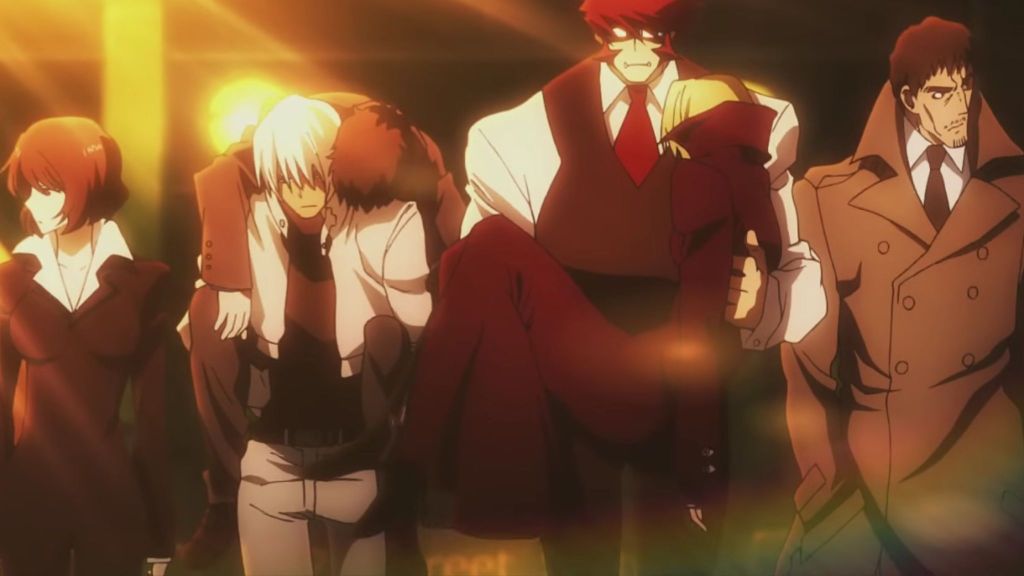
A visually stunning and narratively unique action series from Studio Bones (known for My Hero Academia and Fullmetal Alchemist), Blood Blockade Battlefront (2015, with a second season in 2017) garnered critical acclaim for its blend of dark fantasy, quirky humor, and distinctive art style. The premise involves a portal opening in New York City, merging it with the demon realm to form Hellsalem’s Lot, a chaotic metropolis teeming with supernatural entities. The story centers on Leonardo Watch, a photographer who gains the "All-Seeing Eyes of the Gods" and joins Libra, a secret vigilante organization dedicated to maintaining order. The series’ strength lies in its dynamic action sequences, vibrant character roster, and ability to balance grim undertones with an eccentric, comedic sensibility. Its departure is a loss for fans of stylized urban fantasy and unique world-building.
4) Rokka: Brave of the Six Flowers
Rokka: Brave of the Six Flowers, an underrated action fantasy series from Passione (2015), stands out for its unique blend of fantasy adventure and murder mystery. Based on a light novel series, it captivated audiences with its intriguing premise: when the Demon God awakens, six heroes, chosen by the Goddess of Fate, are destined to defeat it. However, when self-proclaimed "Strongest Man in the World" Adlet Mayer arrives to join the Braves, he finds there are seven heroes instead of the prophesied six, leading to a tense whodunit where one of them must be an imposter. The series’ strength lies in its clever plotting, psychological suspense, and unique take on the "chosen heroes" trope. Its single season left fans longing for more, and its removal dashes any lingering hopes for a second season or easy rewatchability.
3) Orange
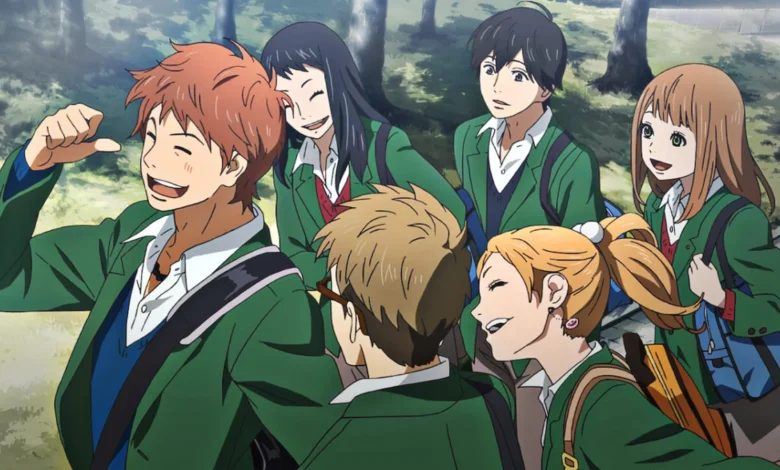
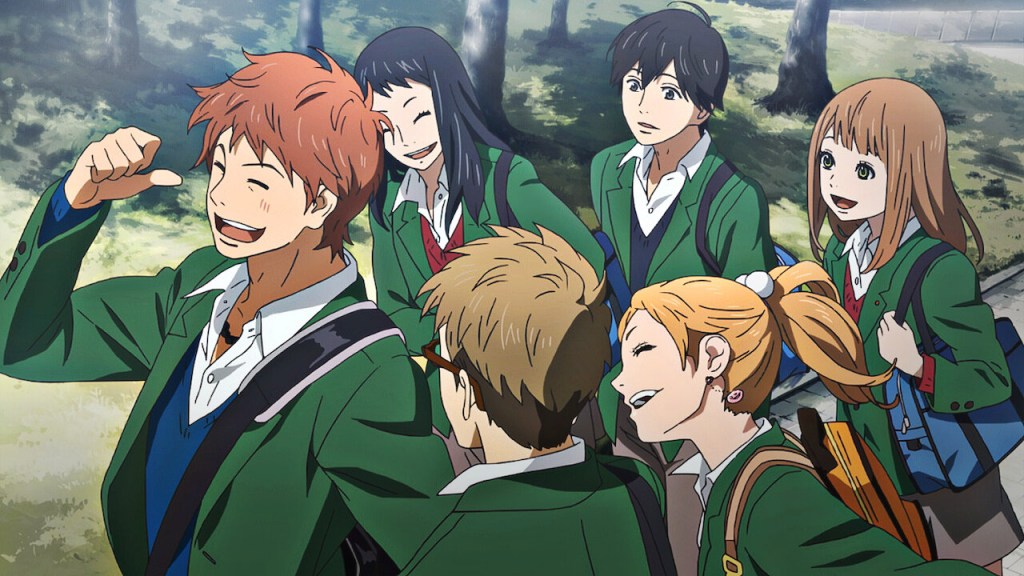
A poignant time-travel drama, Orange (2016) from Telecom Animation Film, consistently receives praise for its emotional depth and exploration of themes like regret, mental health, and friendship. The story follows Naho Takamiya, a high school sophomore who receives letters from her 26-year-old future self. These letters detail future events and urge her to prevent a tragic outcome, specifically concerning a new transfer student, Kakeru Naruse. The anime sensitively tackles difficult subjects, offering a unique blend of slice-of-life charm with a compelling, high-stakes narrative. While not a mainstream shonen hit, Orange has maintained a dedicated fanbase drawn to its thoughtful storytelling and character development. Its removal is particularly impactful given its sensitive themes and the message of living without regrets, making it a valuable series for many.
2) Grimgar, Ashes and Illusions
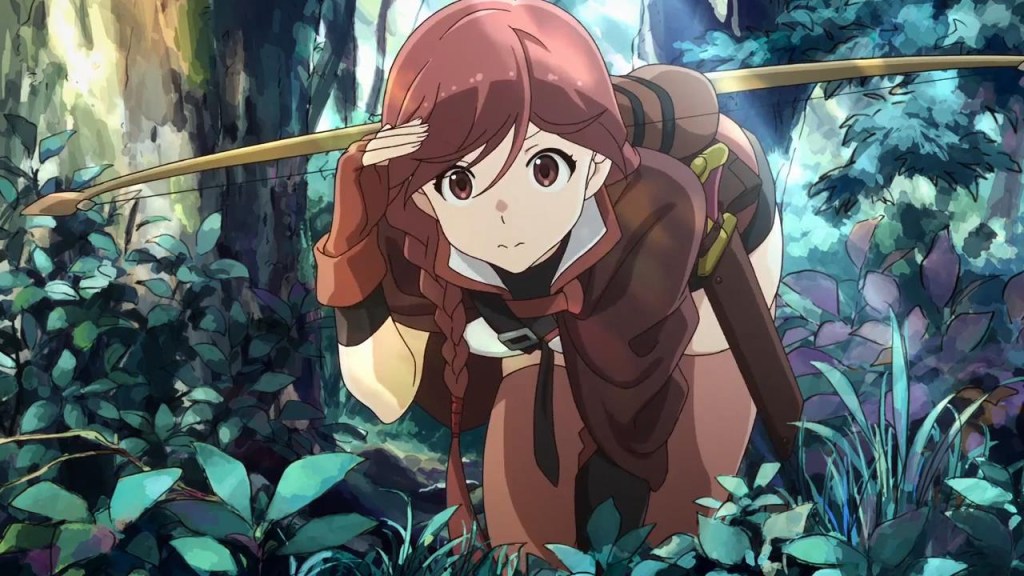
Grimgar, Ashes and Illusions (2016), produced by A-1 Pictures, is an isekai series that subverts many genre tropes by presenting a brutal, realistic take on being transported to a fantasy world. Unlike protagonists who quickly gain overpowered abilities, the characters in Grimgar wake up with no memories and minimal skills, forced to fight for survival against weak monsters just to earn enough to eat. The series is praised for its slow, deliberate pacing, emphasis on character development, and unflinching portrayal of the psychological toll of survival. It delves into themes of loss, camaraderie, and the harsh realities of a perilous world, making its characters deeply human and relatable. Its distinct artistic style and melancholic atmosphere set it apart, and its removal means one of the most unique and grounded takes on the isekai genre is no longer readily available.
1) Barakamon
Often hailed as one of the finest slice-of-life anime ever made, Barakamon (2014) from Kinema Citrus is a heartwarming story of personal growth and self-discovery. The plot centers on Handa Sei, a young, arrogant calligrapher who, after assaulting an art critic, is exiled by his father to a remote island. There, he struggles to adapt to the slow-paced, rustic lifestyle, but gradually finds himself charmed by the eccentric islanders, particularly the mischievous young girl Naru Kotoishi. The series is celebrated for its gentle humor, endearing characters, and profound exploration of finding inspiration and joy in simplicity. It’s a masterclass in character-driven narrative, showcasing Handa’s evolution from a self-absorbed artist to a more humble and connected individual. The removal of Barakamon is a significant blow to the slice-of-life genre’s representation on the platform, as it’s widely regarded as a benchmark for the genre’s best qualities.
In conclusion, Crunchyroll’s unannounced removal of these six distinctive anime series in July 2026 has ignited a critical conversation within the anime community and the broader streaming industry. It highlights the inherent tension between commercial viability and the desire for content preservation, especially for older, critically valued titles. As streaming continues to evolve, the demand for greater transparency, stable content libraries, and a commitment to maintaining the diverse history of anime will only grow louder from a passionate and engaged global fanbase. The incident serves as a stark reminder that in the digital age, access to beloved cultural works remains a fluid and often precarious privilege.