The Legacy of the Knightfall Saga
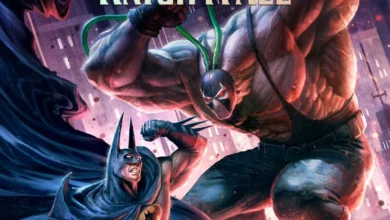
The original Knightfall event, which ran through DC Comics from 1993 to 1994, serves as the narrative bedrock for this animated trilogy. It remains a watershed moment in the medium, primarily for its daring decision to temporarily remove Bruce Wayne from the role of Batman after he was brutally incapacitated by the villain Bane. The storyline was not merely a physical battle; it was a psychological deconstruction of what it means to be the Dark Knight.
In the comics, the narrative trajectory was divided into three distinct acts: Knightfall, which saw the systematic wearing down of the Batman; Knightquest, which explored the rise of the successor, Jean-Paul Valley; and KnightsEnd, which concluded with the inevitable return of the original Batman. By adapting this into a three-part animated film series, Warner Bros. is providing a comprehensive look at a saga that redefined the Caped Crusader for a generation of readers.
Chronology and Release Strategy
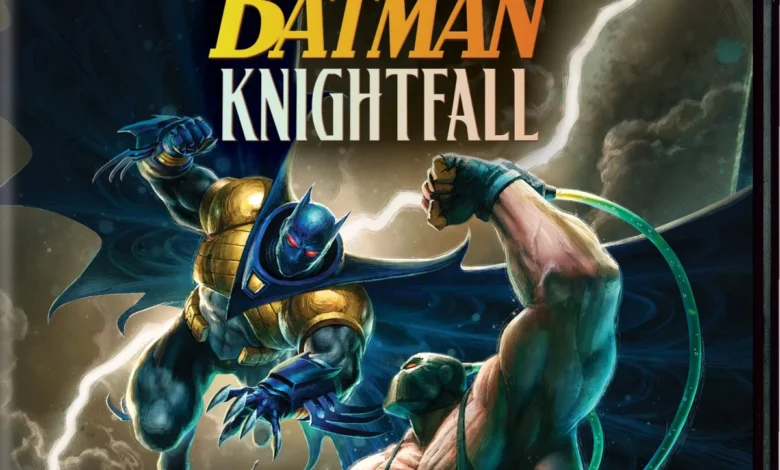
The release of Batman: Knightfall Part 2: Knightquest on December 15, 2026, continues a structured rollout intended to build sustained interest in the franchise. The first installment, Batman: Knightfall Part 1: Knightfall, set the stage by detailing the exhaustion of Bruce Wayne and his eventual breaking at the hands of Bane.
The studio’s commitment to this trilogy is further evidenced by the planned conclusion of the series in 2027. This staggered release mimics the high-stakes pacing of the original event, allowing for each chapter to focus on the specific character shifts inherent in the source material. By splitting the adaptation into three distinct films, the production team, led by supervising producer Rick Morales and producers Jim Krieg and Kimberly S. Moreau, has been able to maintain the narrative density that made the 1990s comics so critically successful.
Technical Specifications and Cast
The production features a high-profile voice cast intended to bring gravity to the heavy subject matter. Anson Mount, recognized for his work on Star Trek: Strange New Worlds, provides the voice for the fractured Bruce Wayne/Batman. The role of the primary antagonist, Bane, is voiced by Michael Mando, while Pablo Schreiber portrays the complex and increasingly unstable Jean-Paul Valley, also known as Azrael.
The technical specifications for the home media release are designed to cater to modern cinematic standards. The film will be available in 4K UHD, Blu-ray, and DVD formats, with the 4K and Blu-ray editions utilizing DTS-HD audio. The runtime is confirmed at 76 minutes, a length that suggests a focused, fast-paced narrative intended to keep the tension high throughout the second act. The release is rated R, reflecting the mature, gritty nature of the source material, which includes intense action and "strong bloody violence."
Special Features and Behind-the-Scenes Insights
Beyond the primary feature, Warner Bros. Home Entertainment has included two significant special features designed to offer context for long-term fans and newcomers alike.
- Azrael Batman: The Next Knight: This featurette details the design challenges and creative choices involved in translating the 1990s comic book aesthetic of the "Azrael-Batman" suit into a modern, functional animation style. The shift from the classic, pragmatic suit to the high-tech, armored, and arguably excessive design of the 90s serves as a visual metaphor for the character’s descent into violence.
- Knightfall: To Kill Or Not to Kill: This segment explores the moral core of the second act. Unlike Bruce Wayne, who adheres to a strict code of non-lethal justice, Jean-Paul Valley represents a departure from that philosophy. The feature includes discussions with DC experts and the film’s creators regarding how this ethical conflict drives the plot toward its inevitable, destructive conclusion.
Broader Implications for the DC Animated Universe
The success of this trilogy has significant implications for the DC animated film slate. By focusing on "event-level" storytelling, Warner Bros. Animation is signaling a shift toward more serialized, long-form narratives rather than standalone features. This approach aligns with the current trends in streaming and physical media, where audiences are increasingly seeking deep-dive adaptations of legendary comic book arcs.
Furthermore, the choice to tackle Knightfall—a story that inherently asks, "Is Gotham safer with a more violent protector?"—suggests that the studio is confident in its ability to navigate darker, more complex themes. The financial and critical performance of this series will likely influence which DC comic events are selected for adaptation in the coming years. Given the massive success of their previous direct-to-video titles, Knightfall represents a calculated attempt to maintain dominance in the adult-oriented animation market.
Analytical Overview
The narrative arc of Knightquest is arguably the most difficult to adapt because it requires the audience to sympathize with an antagonist-in-the-making. Jean-Paul Valley is not a villain in the traditional sense, but his methodology fundamentally challenges the morality of the Batman mantle. The creative team, including director Jeff Wamester and writer Jeremy Adams, faces the challenge of keeping the viewer invested in a character whose actions become increasingly abhorrent.
The decision to keep the release date fixed for the mid-December window is a strategic move to capitalize on the holiday shopping season. By providing a product that caters to both the collector’s market (via 4K UHD physical discs) and the mass-market streaming audience (via platforms like Apple TV and Amazon Prime), the distributor ensures maximum reach.
Production and Distribution Context
The collaboration between Warner Bros. Animation, DC, and Warner Bros. Discovery Home Entertainment continues to be a tightly integrated pipeline. As part of the broader Warner Bros. Discovery umbrella, the project benefits from cross-divisional support, ensuring that the title is available across all major digital transaction platforms simultaneously with its physical debut.
This distribution model is crucial in an era where physical media sales have become a niche, high-end market. By offering 4K UHD versions with high-fidelity audio and behind-the-scenes documentaries, the studio is effectively catering to "completists" and die-hard DC fans who prioritize high-quality home viewing experiences.
As of late 2026, the Knightfall trilogy stands as a centerpiece of the DC animated catalog. With the first part established and the third part slated for 2027, the second installment functions as the critical pivot point of the saga. Whether it succeeds in capturing the desperation and moral decay of the 1990s source material remains to be seen, but the sheer scale of the production confirms that the studio views this project as a milestone in their ongoing commitment to adapting DC’s most storied comic book literature.
For fans of the series, the December 15, 2026, launch will be the culmination of months of anticipation. With the trailer already circulating and the technical specifications finalized, the stage is set for the return of one of the most volatile eras in Batman’s history. The industry will be watching to see if the bold, violent, and uncompromising nature of the Knightquest narrative resonates with contemporary audiences as effectively as it did in the pages of the original 1994 comic books.