The Ingenious Strategy Behind Kenner’s “Battle Damaged” Star Wars Vehicles and Their Enduring Collector Appeal

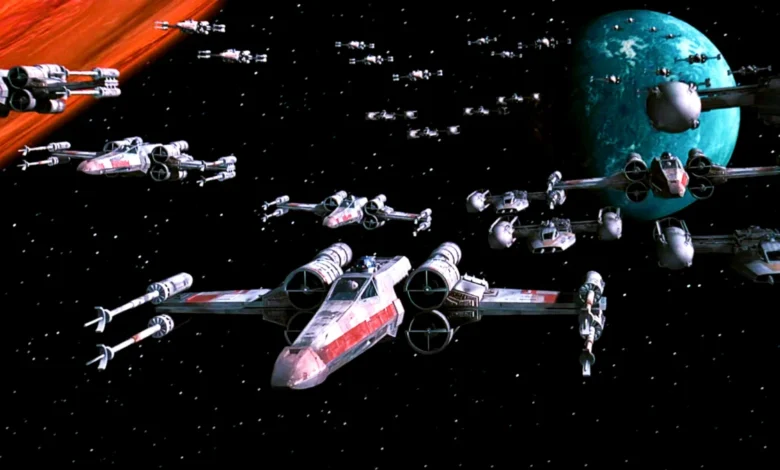
When The Empire Strikes Back premiered in 1980, it presented Kenner Products, the toy company holding the coveted Star Wars merchandising license, with an intriguing and complex commercial challenge. For three years, Kenner’s immensely popular Star Wars toy line had dominated retail shelves, giving children ample time to acquire the initial wave of eighteen action figures and a growing armada of larger-ticket items, including the iconic Millennium Falcon, the imposing TIE Fighter, and Luke Skywalker’s trusty X-Wing. This widespread market saturation meant that by the time the highly anticipated sequel arrived, many young fans already possessed the core heroes and vehicles. Kenner’s conundrum was clear: how could they compellingly sell characters and starships that children already owned?
The Dawn of a Merchandising Phenomenon: Kenner’s Star Wars Legacy
To understand the magnitude of Kenner’s challenge, one must first appreciate the unprecedented success of the original Star Wars toy line. Launched in 1978, a year after the film’s groundbreaking debut, Kenner’s initial foray into Star Wars merchandise was marked by an almost accidental stroke of genius. Due to unexpected demand and production delays, Kenner famously offered an "Early Bird Certificate Package" in Christmas 1977 – essentially an empty box that promised four action figures (Luke Skywalker, Princess Leia, R2-D2, and Chewbacca) would be mailed to consumers in the spring of 1978. This ingenious solution not only appeased eager children and parents but also built immense anticipation, transforming a logistical problem into a marketing triumph.
Following the "Early Bird" success, Kenner rapidly expanded its line, introducing a steady stream of new figures, playsets, and vehicles. By 1980, the company had established itself as a titan in the toy industry, largely on the back of Star Wars. The original 18 figures, including fan favorites like Darth Vader, Obi-Wan Kenobi, and Han Solo, were staples in toy boxes across the globe. The larger vehicles, meticulously designed to complement the 3.75-inch figures, were particularly sought after, representing significant birthday and Christmas investments for families. This historical context underscores the difficult position Kenner found itself in as The Empire Strikes Back loomed: maintaining momentum for a franchise that had already sold millions of units of its most recognizable assets.
Adapting to the Sequel: New Costumes and Clever Repackaging
Kenner’s strategy for the sequel involved a two-pronged approach. For the beloved human heroes, the solution was relatively straightforward and logical within the film’s narrative. New planets and plot developments in The Empire Strikes Back naturally necessitated costume changes. This allowed Kenner to release "new" versions of Han Solo (in Hoth gear and Bespin fatigues), Luke Skywalker (in Hoth pilot attire and Bespin outfit), and Princess Leia (in Hoth outfit and Bespin gown). Even the droids, R2-D2 and C-3PO, received slight variations or specific accessories tied to key film sequences, providing justification for repeat purchases. These character variants were a common and effective tactic in the toy industry, leveraging new cinematic looks to drive sales.
However, the large-scale vehicles presented a more formidable obstacle. The Millennium Falcon, X-Wing, and TIE Fighter were central to the Star Wars universe, but their designs remained largely consistent across the first two films, albeit with some wear and tear. Creating entirely new vehicle molds was a costly and time-consuming endeavor, potentially cannibalizing sales of the still-popular original versions. Kenner needed a cost-effective, innovative idea that would refresh existing products without significant manufacturing overhaul. The answer came in the form of "Battle Damage."
The Birth of "Battle Damage": A Stroke of Marketing Genius
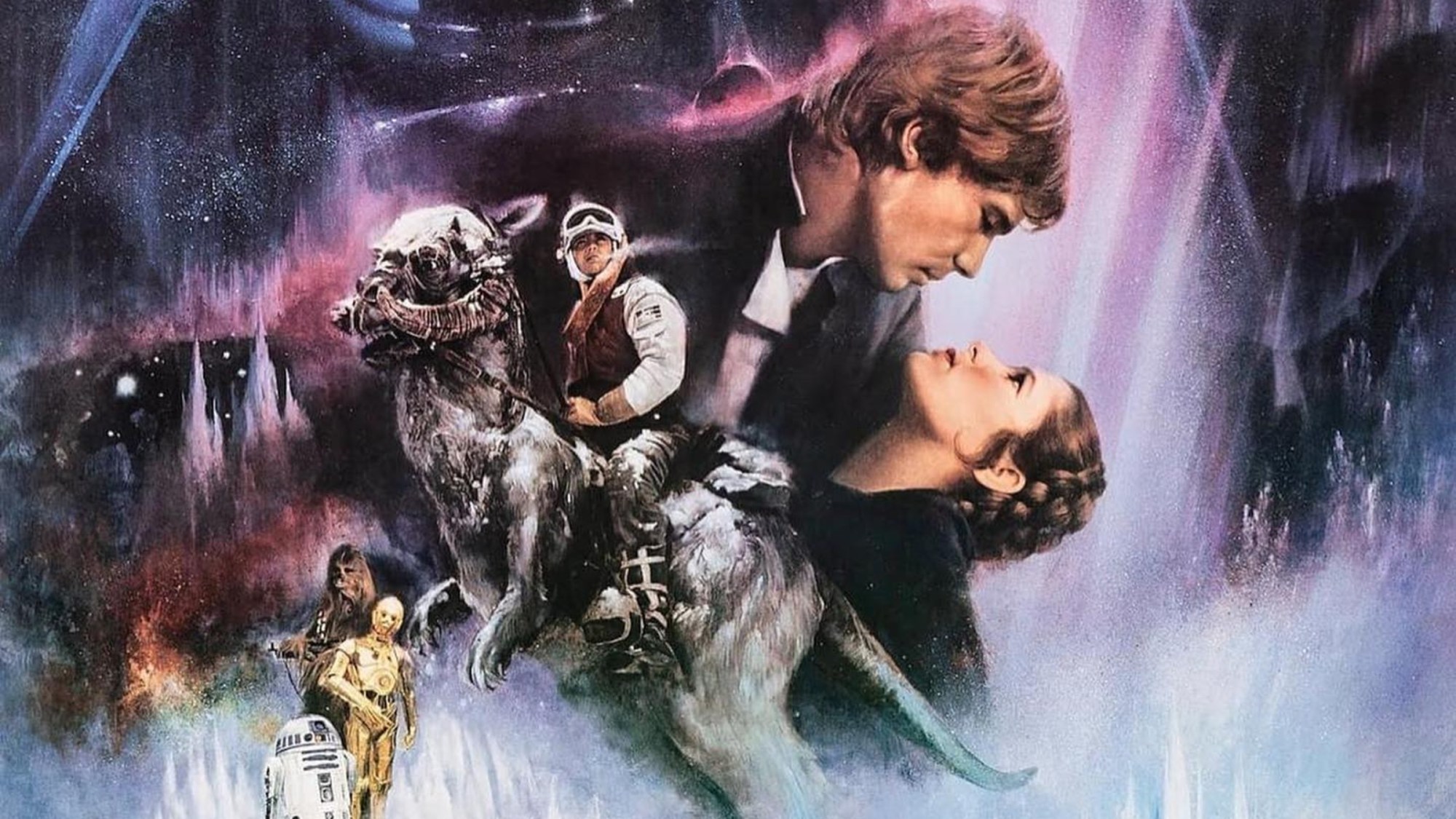
Kenner’s "Battle Damaged" concept was a masterclass in product innovation and cost-efficiency. Instead of redesigning or re-tooling the X-Wing and TIE Fighter, Kenner simply provided a sheet of adhesive stickers designed to simulate blaster marks, scorched panels, and other signs of combat wear. These stickers were to be applied by the consumer, transforming a pristine vehicle into one that had just emerged from a fierce skirmish in a galaxy far, far away. This seemingly minor addition had a profound impact on merchandising strategy.
From a manufacturing perspective, the "Battle Damaged" variant was incredibly economical. Kenner’s only additional cost, compared to the standard X-Wing, was the inclusion of the sticker sheet itself. This was a negligible line item during production, much like the cardboard "Special Offer" inserts often found in other Kenner products. By delegating the "battle damage" application to the purchaser, Kenner kept assembly costs identical to the regular X-Wing, maximizing profit margins while offering a distinct new product. This brilliant maneuver allowed Kenner to essentially resell the same popular vehicles to a market that already owned them, appealing to both completionist collectors and children seeking a fresh play experience.
Chronology and Product Synergy: A Well-Timed Release
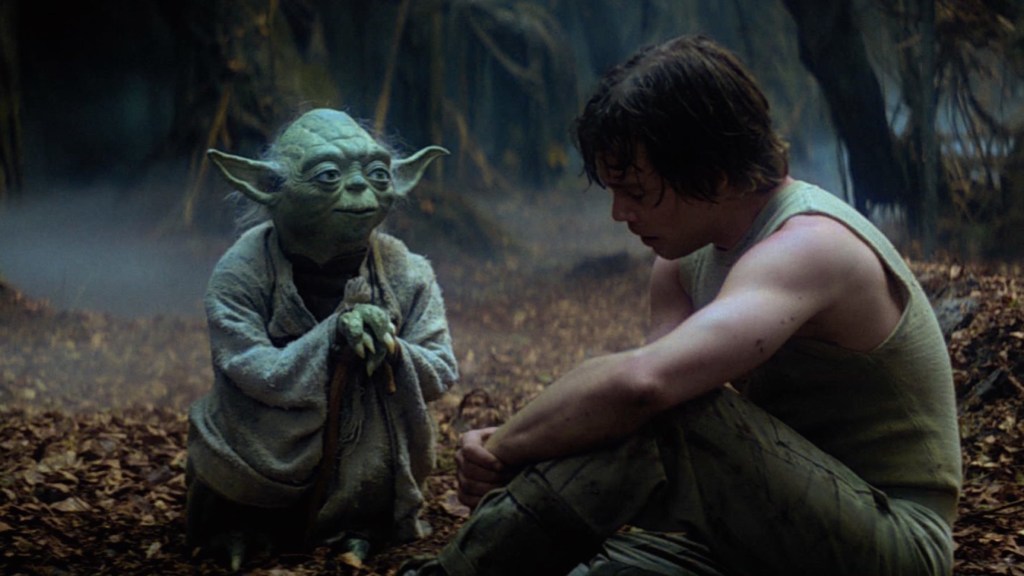
The "Battle Damaged" X-Wing did not hit shelves immediately with The Empire Strikes Back‘s May 1980 release. Instead, it was strategically launched in 1981, aligning with the introduction of other key Empire Strikes Back merchandise, particularly those related to the Dagobah sequence. The toy’s packaging prominently featured a tableau of Luke Skywalker on Dagobah with Yoda and Ben Kenobi (represented by the standard Ben Kenobi figure, as Kenner never produced a "Force Ghost" variant).
This timing was crucial. Yoda’s appearance in The Empire Strikes Back was a closely guarded secret prior to the film’s release, intentionally excluded from all advance trailers, marketing materials, and initial merchandise to preserve the surprise. Releasing the "Battle Damaged" X-Wing alongside the new Yoda figure and the Dagobah playset in 1981 was a prime example of Kenner’s shrewd product synergy. It integrated the new vehicle variant into the unfolding narrative of The Empire Strikes Back merchandise, giving it a fresh context beyond just being a "damaged" version of an existing toy. This thoughtful release strategy reinforced the idea that the "Battle Damaged" X-Wing was an essential part of the new film’s toy universe, not just a rehash.
Subtle Variations and the Collector’s Quest for Rarity
Beyond the iconic sticker sheet, the "Battle Damaged" X-Wing held subtle differences that would later become a focal point for ardent collectors. Once removed from its packaging and without the stickers applied, the vehicle was almost identical to the standard version. The intention was for the toy’s owner to apply the battle damage stickers over the factory-applied standard decals. If a child chose not to use the stickers, they would essentially have a regular Kenner X-Wing, with only minute differences discernible to the most dedicated enthusiasts.
One such subtle variation was the color of the canopy plastic. The "Battle Damaged" X-Wing’s canopy was typically cast in a slightly different shade of grey, as opposed to the pure white of the standard version. As is common with many plastic color variations in vintage Kenner products, this difference likely stemmed from multiple production runs at different factories or shifts in plastic resin suppliers, rather than an intentional design choice for the "Battle Damaged" variant itself. However, for today’s discerning collectors, these slight discrepancies are key indicators of authenticity and rarity, further distinguishing the variant from its common counterpart.
The "Battle Damaged" vehicles, particularly in mint-in-box (MIB) condition with the sticker sheet intact and unused, quickly became elusive variants. This rarity was amplified by the fact that the standard X-Wing and TIE Fighter remained in continuous production simultaneously. The limited initial distribution and the ephemeral nature of adhesive stickers contributed significantly to their scarcity over time.
The Enduring Value in the Collector’s Market: A Case Study
Today, the "Battle Damaged" X-Wing and TIE Fighter are highly sought-after items in the vintage toy collecting market, often commanding prices far exceeding those of their standard counterparts. This elevated value is particularly evident in mint-in-box examples, especially those where the sticker sheet remains unused and perfectly preserved – a condition that is exceedingly rare.
Loose "Battle Damaged" X-Wings and TIE Fighters are commonly found with their stickers either missing entirely or peeling, a testament to the limitations of adhesive technology from nearly five decades ago. The glues used were never designed to withstand the test of time, environmental factors, or repeated play. This degradation of the stickers is endemic to many vintage Kenner Star Wars items, where decals were applied by the consumer or were simply prone to wear.
A recent auction at Heritage provides a compelling illustration of this market dynamic. A "Battle Damaged" X-Wing Fighter, despite sporting some "battle damage" of its own on the packaging and experiencing sticker adhesion issues, garnered significant interest. The listing noted that "The livery decal sheet is present, but the adhesive has failed, causing decals to fall off the sheet. Decals C, D, and F are missing as a result." Despite these imperfections, bidding quickly escalated, reaching a price of $159 with the buyer’s premium. This value, while not at the pinnacle of MIB perfection, demonstrates the strong demand for this particular variant, positioning it within range of, and sometimes exceeding, the typical four-hundred dollar value of a mint-condition standard Empire Strikes Back X-Wing.
The factors contributing to this robust market value are multifaceted:
- Rarity: The "Battle Damaged" variants were produced in smaller quantities than the standard versions and were often overlooked by consumers who already owned the original.
- Condition of Stickers: The integrity of the sticker sheet is paramount. A complete, unused, and still-adhering sticker sheet significantly increases the item’s value, as it represents the "intended" pristine state of the variant before customization.
- Historical Significance: These vehicles represent a pivotal moment in toy merchandising history, a creative solution to a common sequel problem.
- Nostalgia: For many adult collectors, these toys evoke powerful memories of childhood and the golden age of Star Wars.
Broader Impact and Lasting Legacy on the Toy Industry
Kenner’s "Battle Damaged" concept was far more than a simple marketing gimmick; it was an influential innovation that continues to resonate throughout the toy industry today. The strategy of introducing minor cosmetic variations or customizable elements to existing product molds became a widely adopted template for other toy lines and franchises. From superhero action figures with interchangeable "damaged" parts to modern vehicle lines featuring "weathered" paint applications, the "battle damage" gimmick survives to this day as a clever and cost-effective way to keep main characters and major vehicles fresh on retail shelves.
This approach offers multiple benefits:
- For New Collectors: It provides an entry point into a popular line with a distinct item, even if the core mold is familiar.
- For Long-Time Collectors: It tempts repeat purchases by offering a unique variant that adds to the completeness of their collection.
- For Manufacturers: It maximizes the return on investment for existing molds and tooling, reducing the need for costly redesigns between product waves or film releases.
Kenner’s Star Wars line is widely regarded as one of the most successful and influential toy lines ever produced, not just for its sheer sales volume but also for its groundbreaking marketing strategies and innovative product development. The "Battle Damaged" vehicles stand as a testament to Kenner’s ingenuity and business acumen, demonstrating how a company can overcome perceived saturation by offering creative, value-added variations. This pioneering approach forever changed the landscape of toy merchandising, proving that sometimes, the most effective innovations are those that leverage existing assets in unexpected ways, cementing Kenner’s legacy as a true industry transformer. The enduring appeal and significant value of these vintage items in the collector’s market are a direct reflection of their historical importance and the brilliant, yet simple, idea behind their creation.