James Gunn Denies Panic In The Sky Influence on Man of Tomorrow as DC Universe Speculation Continues

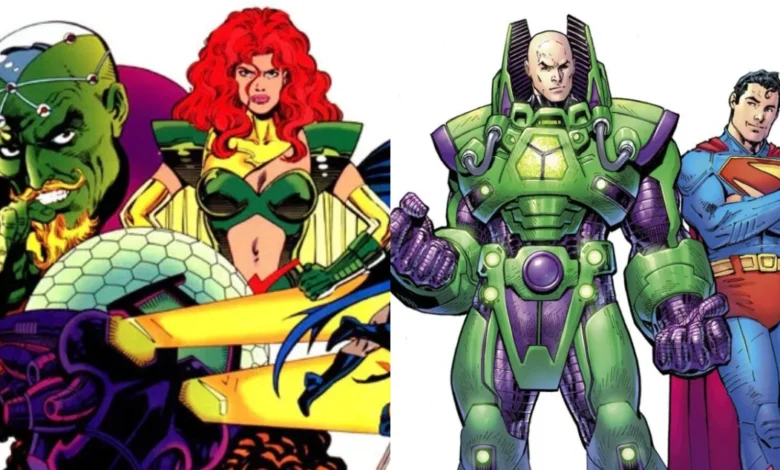
The development of the upcoming DC Universe (DCU) feature film Man of Tomorrow remains a focal point of intense industry and fan scrutiny, particularly regarding the narrative foundations of the project. Recently, speculation reached a fever pitch regarding whether the classic 1992 comic book arc Panic In The Sky would serve as the primary source material for the film’s adaptation of the extraterrestrial antagonist Brainiac. However, DC Studios co-CEO James Gunn has officially addressed these rumors, clarifying the creative process behind the film and tempering expectations regarding specific character inclusions.
The Origin of the Panic In The Sky Theory
The theory linking Panic In The Sky to Man of Tomorrow gained significant traction in recent months, fueled by a series of interconnected rumors regarding the DCU’s casting and narrative direction. The speculation initially centered on the debut of Wonder Woman within the DCU; when Gunn publicly debunked the report that the Amazonian hero would appear in the film, the void in discourse was quickly filled by secondary theories.
Observers began to focus on the inclusion of the character Maxima—a powerful alien queen often associated with Superman lore—as a potential secondary villain. Because Maxima features prominently in the Panic In The Sky storyline, alongside Brainiac, fans and industry analysts hypothesized that the 1992 crossover event would serve as the structural backbone for the new film. This speculation relied on the assumption that if Maxima were to appear, the source material defining her most iconic conflict with Superman would logically follow.
James Gunn Sets the Record Straight
In a direct response to inquiries posted on his Threads account, James Gunn addressed the rumors surrounding the film’s source material. Gunn emphasized that while he has conducted exhaustive research into the history of the character Brainiac, the film is not a direct adaptation of any single comic book arc.
"Fun story but not really, no," Gunn stated when asked about the influence of Panic In The Sky. "More specifically: I read almost every Brainiac story to put Brainiac in Man of Tomorrow together and used bits and pieces I thought worked best. But Panic In The Sky wasn’t a key influence on the story."
This statement serves as a significant corrective to the ongoing narrative surrounding the film’s production. By clarifying that the script is a composite of various iterations of Brainiac throughout DC history rather than a faithful retelling of a specific event, Gunn has highlighted the studio’s preference for original storytelling within the DCU’s shared universe framework.
Understanding the Brainiac Mythos
Brainiac, first introduced in Action Comics #242 in 1958, is one of the most enduring antagonists in comic book history. Over the decades, the character has been reinvented numerous times, ranging from a humanoid alien to a sentient machine, and from a collector of cities to a cosmic entity.
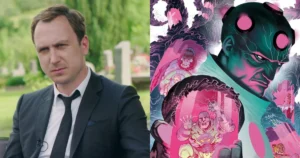
The Panic In The Sky storyline, written by Roger Stern and drawn by various artists, saw Superman lead an Earth-based coalition against Brainiac and Mongul, who had taken control of the sentient satellite Warworld. While it remains a fan-favorite arc, the character’s evolution has been vast. By opting for an "amalgam" approach—drawing "bits and pieces" from various iterations—Gunn suggests that the version of Brainiac appearing in Man of Tomorrow may be a unique synthesis designed specifically for the requirements of the new DCU cinematic continuity.
The Implications for Character Casting
The dismissal of the Panic In The Sky theory carries significant implications for the rumored appearance of Maxima. With the primary narrative bridge to her most famous appearance now removed from the conversation, the likelihood of the character appearing in Man of Tomorrow has decreased significantly.
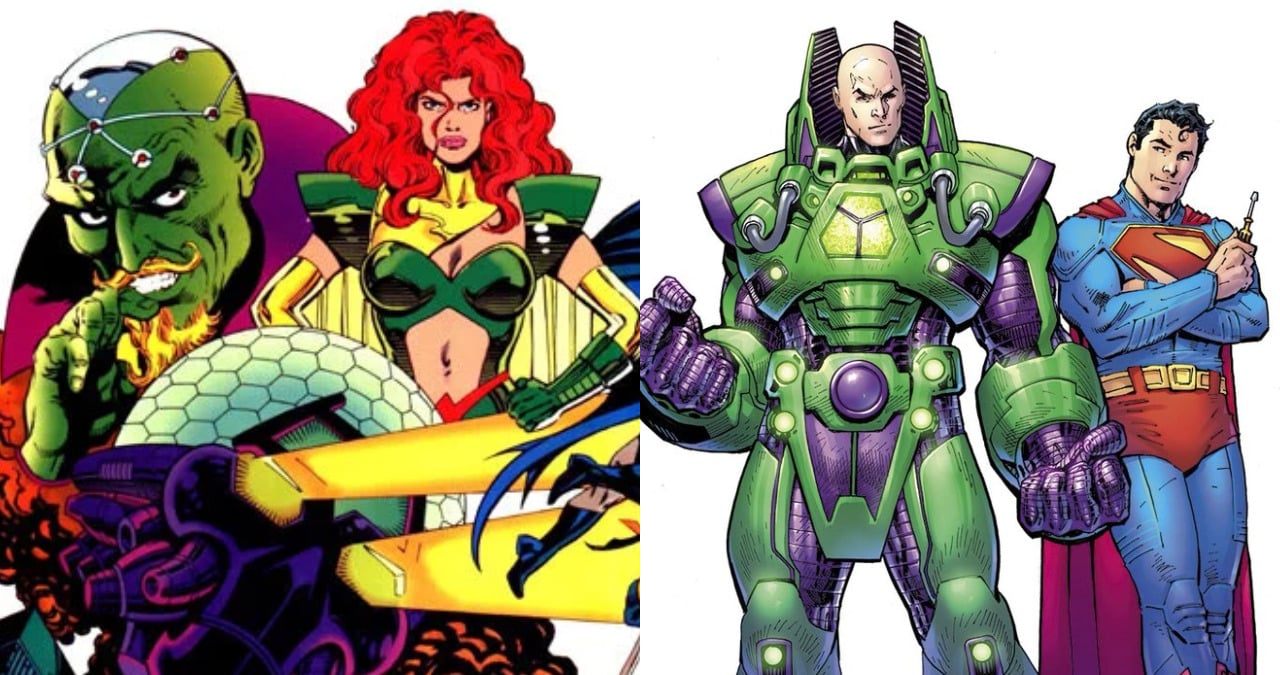
Furthermore, the initial reports suggesting that DC Studios was casting an "athletic woman" for a high-profile role—which many assumed to be Maxima—are now being viewed with increased skepticism. Industry analysts suggest that the rumor may have been a conflation of casting calls or simply incorrect information circulating within trade circles. As it stands, there is no official confirmation that Maxima, or any additional antagonist beyond the central threat of Brainiac, will appear in the film.
Chronology of the DCU Production
The path to Man of Tomorrow has been marked by a rigorous approach to narrative construction under the leadership of James Gunn and Peter Safran. Since the announcement of the "Gods and Monsters" chapter of the DCU, the studio has maintained a strategy of methodical development.
- January 2023: James Gunn and Peter Safran announce the initial slate of the new DC Universe, establishing the vision for the interconnected franchise.
- 2024: Casting updates and script development continue behind closed doors, with the studio actively discouraging leaks and unauthorized reports.
- Early 2025: Speculation regarding Brainiac’s role in the DCU intensifies as pre-production moves into high gear.
- February 2026: Reports emerge linking the film to the Panic In The Sky comic arc, following the debunking of Wonder Woman’s involvement.
- Current Status: James Gunn clarifies that the film is a custom-built narrative using elements from various Brainiac stories, rather than a direct adaptation of a specific comic series.
- July 9, 2027: The scheduled theatrical release date for Man of Tomorrow.
The Strategy of Original Narrative Construction
The decision to avoid direct adaptations of specific comic book arcs is a hallmark of the current DCU strategy. While previous cinematic attempts at comic book adaptations often leaned heavily on singular, iconic storylines—such as The Death of Superman or The Dark Knight Returns—the new DCU approach focuses on creating a unique tapestry.
By utilizing "bits and pieces" from across the character’s 70-year history, the creative team aims to avoid the pitfalls of direct translation, where narrative pacing and character motivations often suffer when compressed into a feature-length film. This methodology allows for a more flexible adaptation that can integrate into a larger, multi-year storytelling strategy. It also shields the film from the inevitable comparisons to the source material that often plague direct adaptations.
Broader Impact on Fan Speculation
The exchange on social media between James Gunn and the fanbase underscores the challenges of managing expectations in the age of rapid information sharing. The cycle of "rumor-to-debunking" has become a common feature of modern tentpole filmmaking.
From an industry perspective, Gunn’s proactive communication serves as a method of brand management. By addressing specific rumors, the studio can mitigate the risk of fan disappointment upon the film’s release. If audiences go into the theater expecting a 1:1 adaptation of a legendary comic event and receive a brand-new interpretation, the divergence can lead to negative reviews. By setting the record straight early, Gunn is managing the narrative to ensure that the audience is prepared for an original vision of the Superman mythos.
Conclusion and Future Outlook
As the release date of July 9, 2027, approaches, the focus for the DC Universe will continue to shift toward the thematic and visual direction of the project. The clarification regarding Panic In The Sky serves as a reminder that the DCU is committed to forging its own identity.
For fans, the focus now turns to what elements of the Brainiac mythos the studio has chosen to retain. Will they focus on the collector aspect of the character? The technological threat? Or perhaps the cold, calculated intelligence that has made Brainiac a persistent threat to the House of El for decades? While the specifics remain under wraps, the confirmation that the film is a curated, bespoke experience suggests a high level of narrative control.
The studio’s reliance on a diverse array of comic book influences rather than a single source suggests that Man of Tomorrow is being positioned as a foundational pillar of the new DCU. By prioritizing the internal logic of the cinematic universe over the demands of comic book purists, James Gunn and his team are establishing a precedent that the upcoming chapter of DC’s film history will be defined by its own rules, its own pace, and its own unique vision of its most iconic characters. As the production enters its next phase, the industry will continue to monitor how this original approach resonates with both long-term fans and a new generation of cinema-goers.
Related posts: