Dead Media Unleashes Physical Terror as Antenna Releasing Launches National Roadshow Tour Featuring Joseph Scrimshaw and Joe Lynch

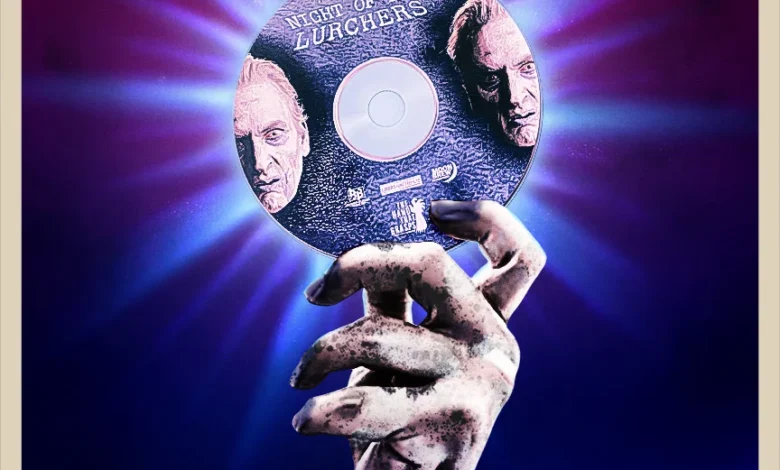
The enduring allure of physical media and the nostalgic dread of the analog era collide in the new horror feature Dead Media, which is currently embarking on a multi-city theatrical roadshow tour across the United States. Distributed by Antenna Releasing, the film merges the classic tropes of haunted objects with the specific anxieties of lost media preservation, modern streaming fatigue, and the tactile appreciation of video store relics.
Helmed by writer and director Joseph Scrimshaw—whose multi-faceted creative background includes prominent work with Adult Swim and the cult-favorite comedy movie-mocking platform Rifftrax—Dead Media brings a unique blend of comedic timing and genuine chills to the contemporary horror landscape. Backing the project as an executive producer is veteran genre filmmaker Joe Lynch, renowned in the horror community for directing high-octane and critically praised features such as Wrong Turn 2: Dead End and Suitable Flesh. Together, the creative team has crafted a love letter to the video nasty era that simultaneously deconstructs the perils of digging too deep into forgotten pop culture history.
The Premise: When the Past Refuses to Stay Buried
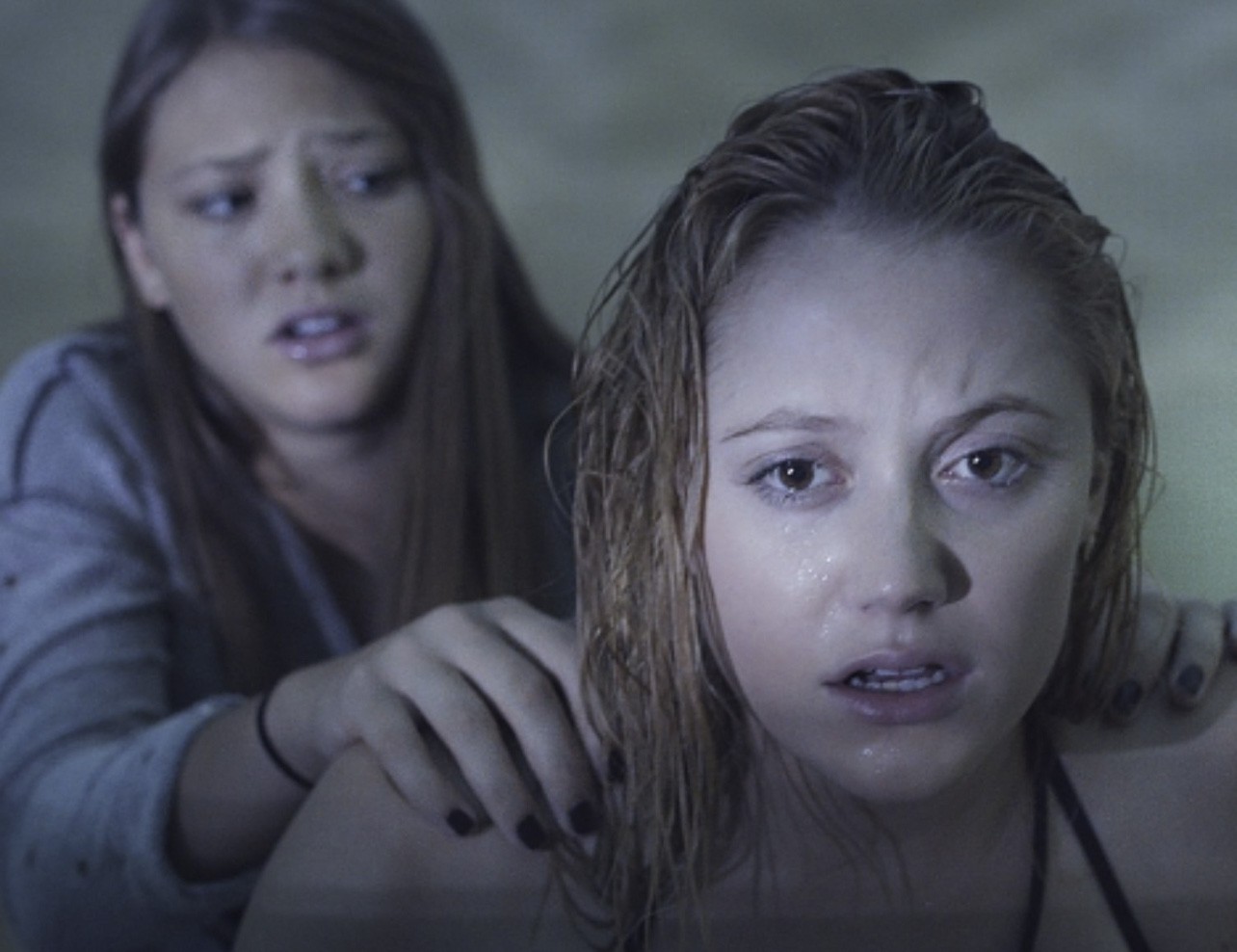
At the narrative center of Dead Media is Maggie, portrayed by Sammi-Jack Martincak. Maggie is a troubled young woman attempting to anchor herself in a routine evening of cinematic escapism alongside her two closest friends, played by Jessica Fenton and Sam Landman. Seeking to bypass the endless, algorithmic choices of modern streaming platforms, the trio attempts to unearth and stream a notoriously obscure, long-lost 1990s horror cult-classic titled Night of the Lurchers.
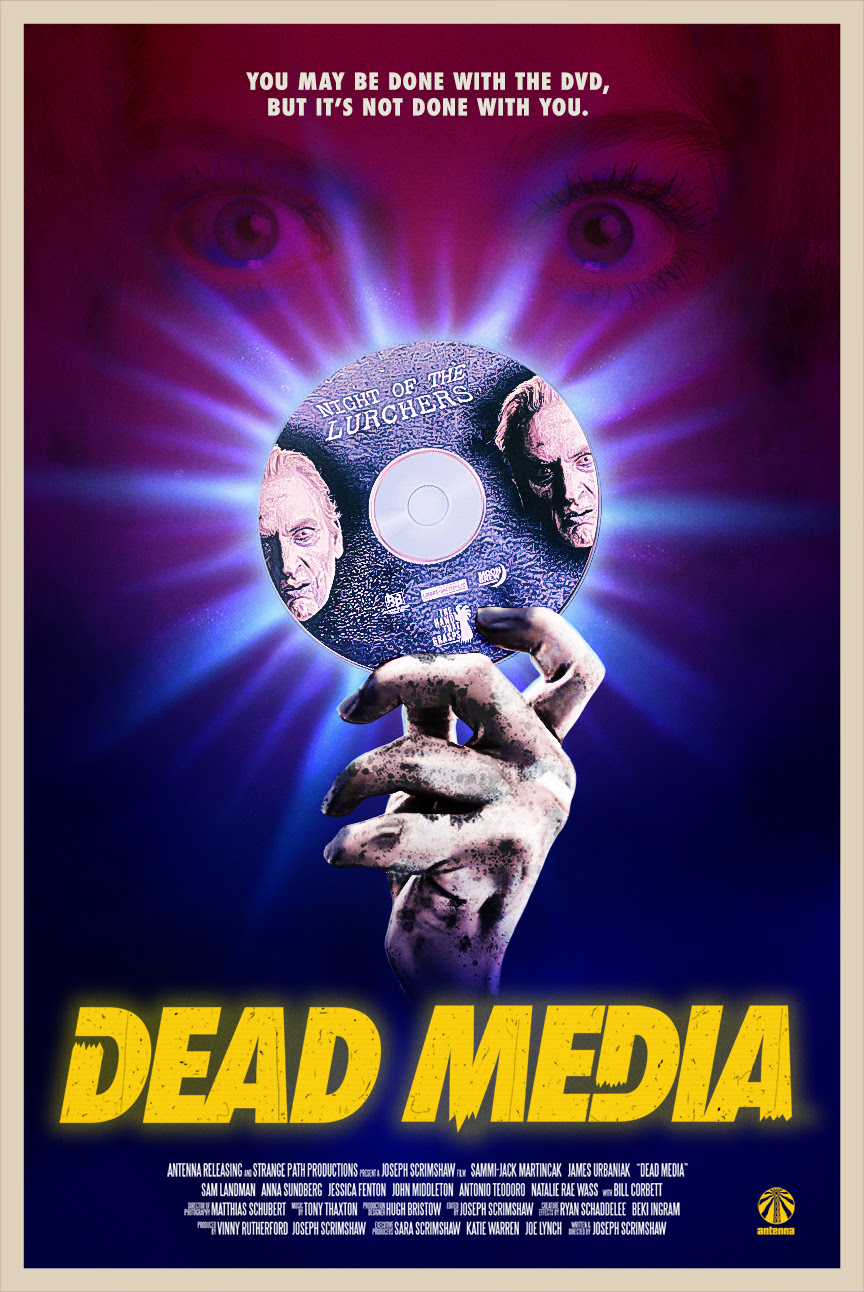
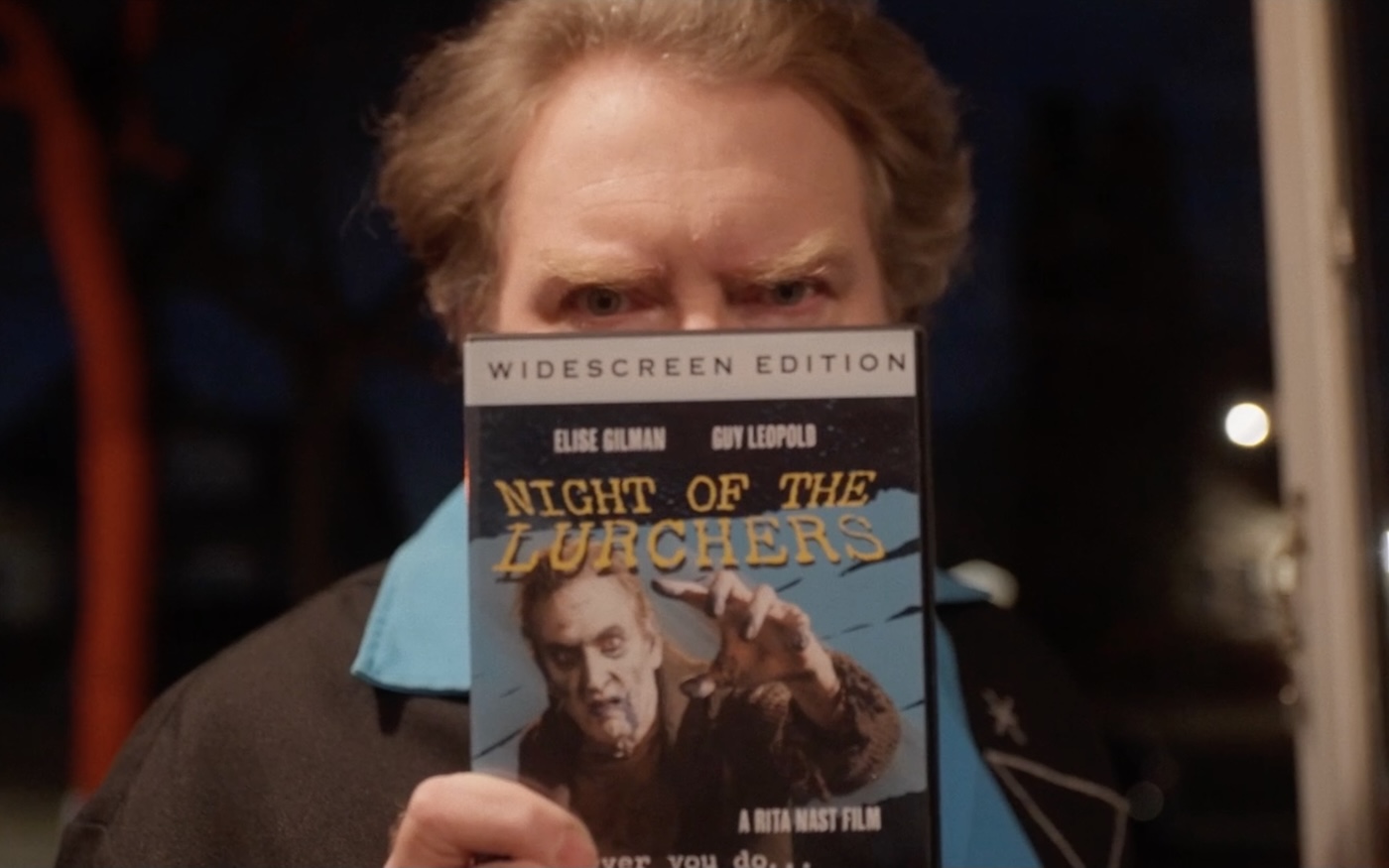
However, their digital search is abruptly interrupted when Maggie’s eccentric and lonely super-fan uncle, brought to life by veteran character actor James Urbaniak, makes an unexpected visit. He arrives bearing a physical artifact: a rare DVD edition of Night of the Lurchers packed with extensive, blood-soaked bonus features and behind-the-scenes material.
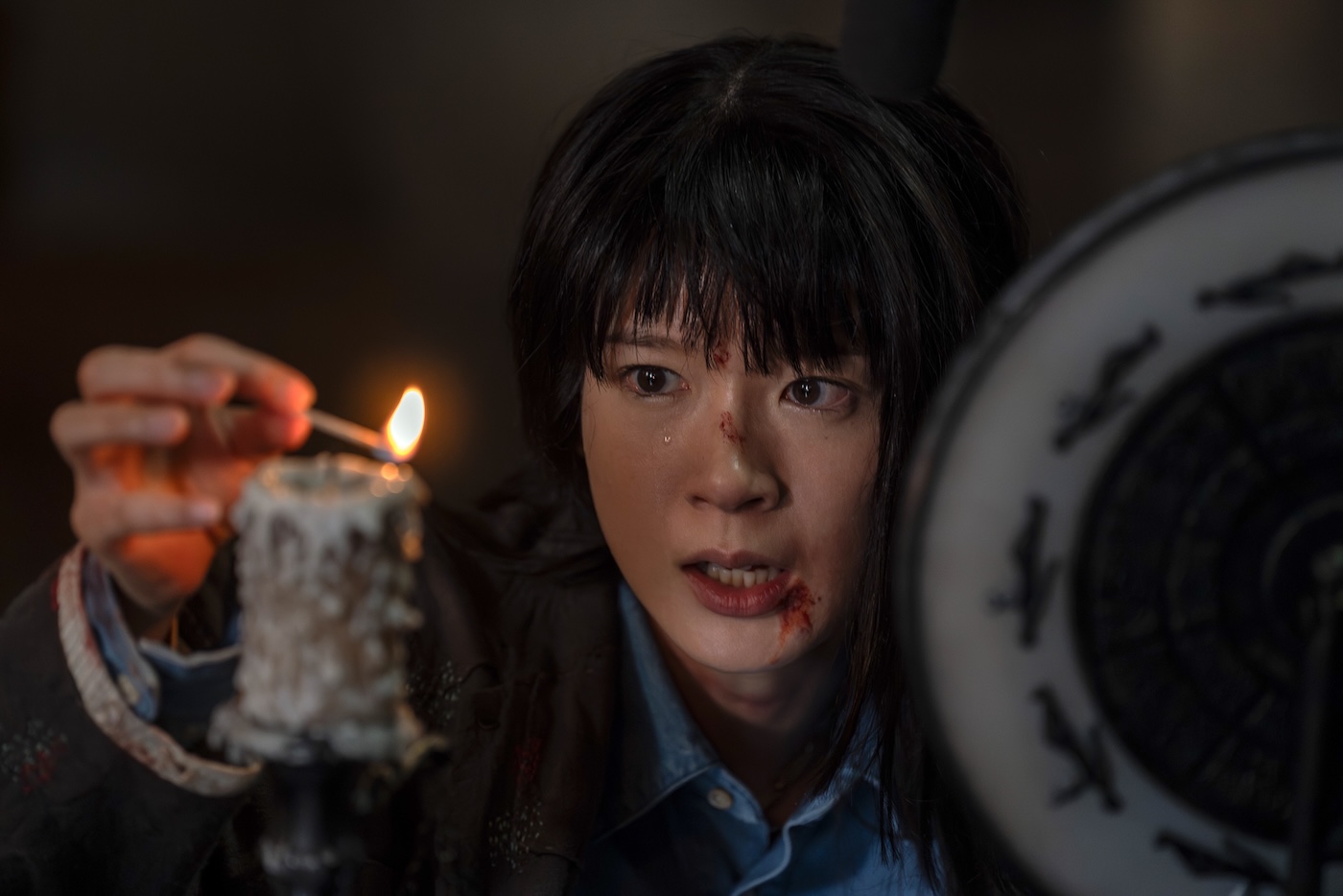
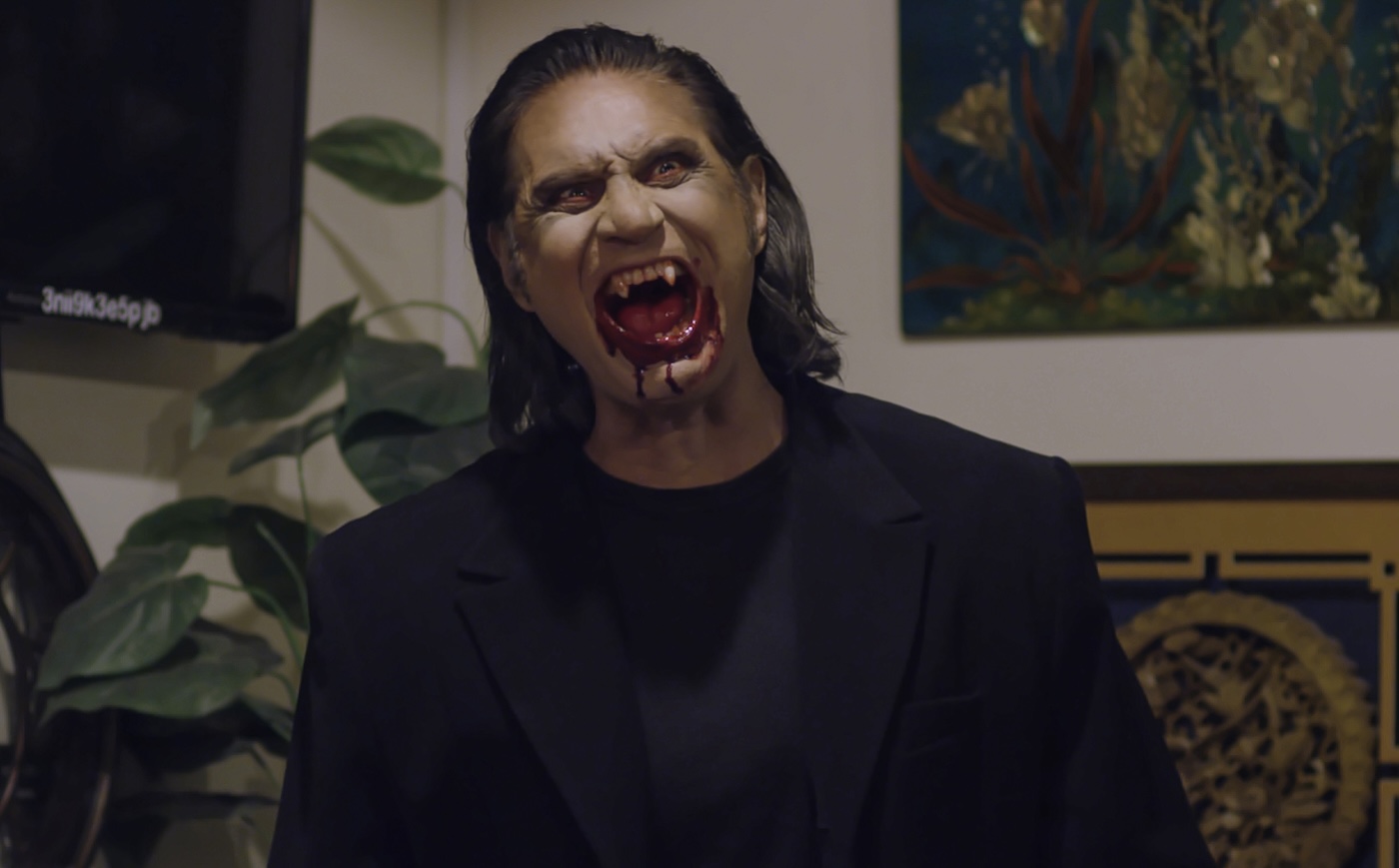
What begins as a nostalgic viewing party quickly devolves into a desperate fight for survival. As the group interacts with the physical disc and explores its hidden menus, they realize the media is far more than a forgotten cinematic oddity—it is fundamentally haunted. The gruesome horrors depicted on the screen begin to bleed through the digital divide, manifesting physically within the confines of their living room and threatening to consume everyone present. Anna Sundberg rounds out the principal cast, adding further depth to the doomed circle of friends.

The Roadshow Phenomenon and Live Q&A Integration
In an era dominated by day-and-one digital streaming releases, Antenna Releasing has elected to champion a classic distribution model for Dead Media. By launching a theatrical roadshow tour, the studio is actively leaning into the communal experience of cinema-going, a strategy that mirrors the themes of the film itself.
Rather than deploying a traditional silent rollout, the distributor has coordinated with writer and director Joseph Scrimshaw to accompany the film across its national trajectory. Scrimshaw is actively participating in live, in-person Q&A sessions at every tour stop. These post-screening discussions offer audiences a rare glimpse into the independent filmmaking process, the logistical challenges of executing practical effects on a modest budget, and the deep-seated cultural obsession with physical media preservation.
Industry analysts note that roadshow formats have experienced a minor renaissance within the independent horror sector. Distributors are increasingly discovering that specialized, event-ized theatrical screenings paired with talent appearances can build formidable grassroots momentum. For a film explicitly themed around the tangible artifacts of film history—DVDs, physical menus, and lost cuts—a traveling physical tour serves as a brilliant meta-marketing strategy that resonates deeply with cinephiles and physical media collectors alike.
Background and Context: The Rise of Analog Horror and Lost Media
Dead Media arrives at a culturally significant inflection point for the horror genre. Over the past decade, audiences have witnessed an exponential surge in subgenres fixated on analog technology, found footage, and the concept of "lost media"—mythical television broadcasts, unreleased video games, and unfinished films rumored to possess supernatural or psychological hazards.
Projects like Milk & Serial and various internet-born alternate reality games (ARGs) have demonstrated a voracious public appetite for stories that weaponize obsolescence. As major streaming conglomerates continually purge content for tax write-offs and licensing convenience, the vulnerability of digital culture has become palpable. Physical media has transitioned from a perceived obsolete format into a rebellious counter-cultural movement championed by collectors, boutique home video labels, and cinephiles who refuse to let media vanish into a corporate ether.
Joseph Scrimshaw’s background in comedy and satire provides Dead Media with a distinct tonal advantage. While firmly anchored in terror, the film navigates the absurdities of fan culture, obsessive fandoms, and the peculiar sociology of physical media collectors. Urbaniak’s character—the lonely super-fan uncle—embodies a complex archetype within genre communities: the dedicated archivist whose passion borders on the dangerously obsessive.
Industry Implications and the Future of Indie Horror Distribution
The collaboration between Scrimshaw, Lynch, and Antenna Releasing highlights a broader shift in how independent horror films carve out market share in a crowded ecosystem. With major studios dominating multiplexes and streaming services oversaturated with content, independent filmmakers must rely on high-concept premises, strong thematic relevance, and direct audience engagement to stand apart.
By focusing on a narrative where technology turns against the consumer, Dead Media taps into a universal, modern anxiety. Smart TVs, streaming algorithms, and digital libraries have largely replaced the physical video store shelves that once defined cinephile culture. By resurrecting the video store panic of the 1980s and 1990s—where moral guardians and urban legends warned of cursed videotapes—the film bridges the gap between historical horror tropes and contemporary digital alienation.
Furthermore, Joe Lynch’s involvement as executive producer signals a strong seal of approval from a respected voice within the genre community. Lynch’s career has consistently straddled the line between mainstream accessibility and underground grit, making him an ideal mentor and producer for a project that blends sharp humor with visceral practical effects.
Theatrical Itinerary and Audience Engagement
As Dead Media continues its journey across the United States, Antenna Releasing has encouraged fans to monitor local independent theater listings and official social media channels for updated tour dates and ticketing information. With Joseph Scrimshaw present to contextualize the film’s creation and engage directly with horror communities, each stop on the roadshow promises to be an interactive celebration of independent genre filmmaking.
The film stands as a timely reminder that while physical media can sometimes feel like a relic of a bygone era, the stories and objects we hold onto hold immense power—sometimes enough to manifest our worst nightmares directly into the living room. For horror fans weary of algorithmic homogeneity, Dead Media offers a bloody, nostalgic, and fiercely original antidote.