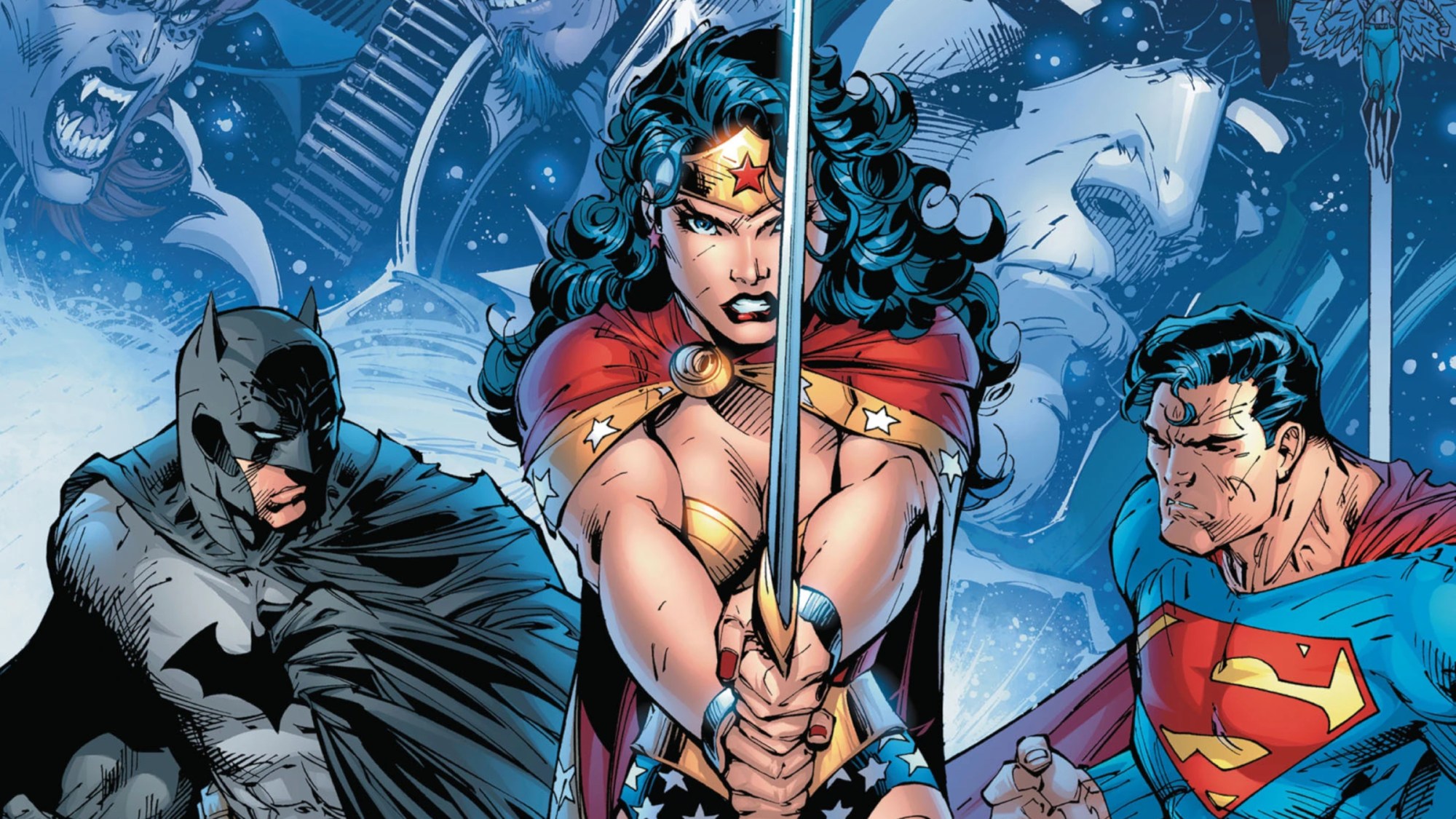
As one-third of DC’s iconic Trinity alongside Superman and Batman, Wonder Woman stands at the pinnacle of superhero lore, yet her solo comic book titles have historically struggled to match the sales numbers of her male counterparts. While analysts often point to a complex matrix of marketing, historical branding, and shifting readership demographics to explain this commercial disparity, a closer examination of editorial choices over the last four decades reveals a distinct narrative bottleneck. Since the watershed 1985–1986 crossover event Crisis on Infinite Earths, DC Comics has systematically flattened Diana of Themyscira’s rich, multifaceted publication history into a singular archetype: the pristine Greek warrior princess. By exclusively wedding her adventures to divine pantheons and mythological existential threats, publishers have inadvertently isolated Wonder Woman from the street-level relatability, genre-blending absurdity, and grounded human supporting casts that keep other flagship superheroes dynamic, accessible, and commercially robust.
A Historical Shift: From Silver Age Eclecticism to Post-Crisis Monoculture
To understand the current creative limitations placed upon Wonder Woman, one must examine the fundamental editorial pivot that occurred in the wake of Crisis on Infinite Earths. Prior to the 1986 reboot orchestrated by legendary writer and artist George Pérez, Diana’s adventures were characterized by an eclectic, genre-fluid sensibility. Created by William Moulton Marston in 1941, the Golden Age Wonder Woman certainly dealt with Greco-Roman deities, but those mythic elements shared equal narrative space with romance plots, wartime espionage, superhero team-ups, and unadulterated pulp science fiction.
During the Silver and Bronze Ages, it was entirely normal for Wonder Woman to juggle threats from traditional supervillains while simultaneously navigating bizarre encounters with mer-men, alien civilizations, or domestic civilian dilemmas. Her narrative ecosystem was vast, unpredictable, and tonally diverse.
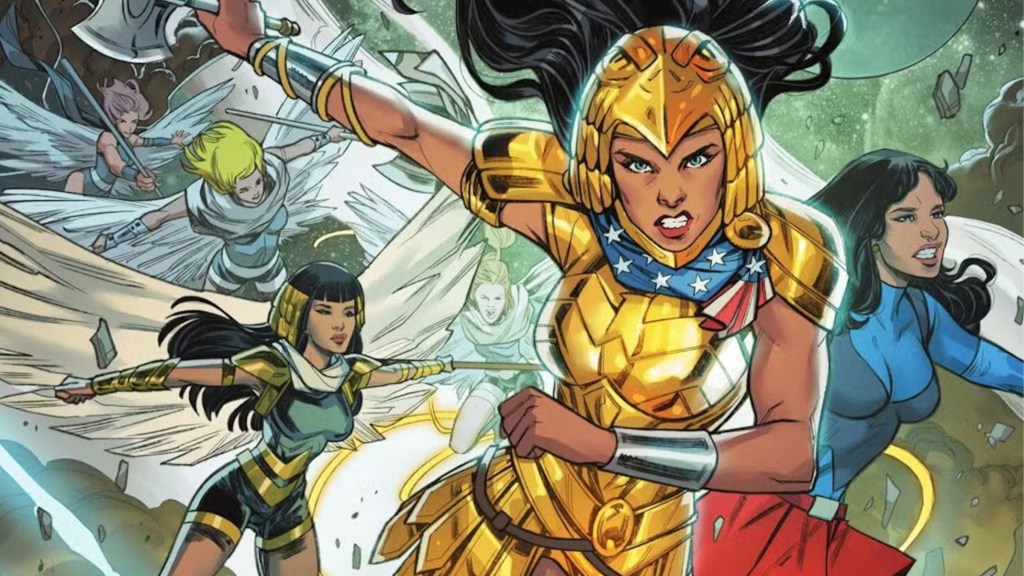
However, Pérez’s post-Crisis relaunch intentionally restructured the character to sever her ties from the specific constraints of World War II and ground her firmly within an expanded, deeply serious framework of Greek mythology. Themyscira was given an intricate, blood-soaked history, and Diana’s rogues’ gallery shifted heavily toward gods, monsters, and magical anomalies. While this critically acclaimed reimagining successfully modernized the character for a generation of readers, it established a rigid precedent. For the past forty years, subsequent creative teams have largely treated this mythological warrior template not as one facet of Wonder Woman’s identity, but as the entirety of it.
The Consequence of Isolation: Losing the Superhero Framework
The systemic reliance on high-stakes mythological storytelling has created significant structural deficiencies in modern Wonder Woman runs. In contemporary narratives, Diana is almost exclusively thrust into epic, world-ending clashes against Olympians, titans, or ancient curses threatening her island home. While these high-fantasy epics can yield powerful individual storylines, their relentless repetition strips Wonder Woman of foundational elements that define the standard superhero experience.
Unlike Superman or Batman, who frequently interact with expansive civilian supporting casts, maintain established secret identities, and respond to municipal crime, Wonder Woman often lacks a localized environment. Her modern runs rarely feature investigations into ordinary street-level corruption or everyday human struggles. Furthermore, her civilian persona, Diana Prince, has frequently been treated as a perfunctory disguise rather than a lived-in identity that connects her to the pulse of humanity.
When a character is perpetually draped in divine armor and positioned as an untouchable, revered deity of peace and truth, she risks becoming emotionally distant from the readership. Critics and industry observers have noted that this elevated detachment can cause Wonder Woman to feel increasingly generic—a warrior archetype interchangeable with various fantasy tropes rather than a distinct, flesh-and-blood hero operating within the cohesive, lived-in universe of DC Comics.
Embracing the Past: Lessons from Batman and Superman
The paradox of modern comic book publishing is that DC’s other primary pillars—Batman and Superman—have thrived precisely because they embraced the eccentricities of their publishing histories rather than running away from them. Both characters survived the grim-and-gritty 1990s and various modern reboots by finding ways to incorporate the Silver Age weirdness, camp, and stylistic variety of their pasts into contemporary storytelling frameworks.
Superman balances cosmic battles with quiet, human-centric moments in Metropolis as Clark Kent, engaging with everyday journalism, familial dynamics, and local community issues. Batman, despite his dark reputation, regularly hosts stories that lean into the absurdities of Gotham’s criminal underworld, utilizing a vast supporting cast of police officers, civilian allies, and reformed rogues to anchor his crusade in physical reality.
Wonder Woman, conversely, has rarely been afforded that same editorial grace. Writers have historically shied away from introducing non-mythological elements out of fear that levity or ordinary human drama might dilute her majestic warrior image. Yet, historical precedent proves that Diana’s stories achieve their greatest cultural resonance when they balance epic grandeur with human intimacy.
Pathways Forward: Diversifying Diana’s Narrative Landscape
Industry analysts and comic historians frequently point out that revitalizing Wonder Woman’s commercial footprint does not require discarding her rich mythological heritage, but rather supplementing it with a return to genre diversity. Reintroducing foundational non-military, non-mythological elements—such as modernized iterations of her classic supporting casts, like the Holiday Girls or grassroots civilian allies—would immediately ground Diana in the everyday perspectives of real people.
By allowing Wonder Woman to tackle mundane crime, engage in lighthearted or unconventional adventures, and occasionally embrace the fun, unpredictable nature of superhero comic books, DC Comics could dismantle the insular bubble that currently restricts her titles. Liberating Diana from the exhausting requirement to be a solemn, pristine warrior princess in every single issue would give her stories the breathing room they desperately need. Ultimately, for Wonder Woman to truly function as the inspirational pillar of peace, love, and truth that DC consistently proclaims her to be, she must be trusted not just to save the cosmos from divine wrath, but to walk comfortably among the very humanity she has sworn to protect.