Behind the Mask II: The Return of Leslie Vernon Officially Enters Production in Illinois

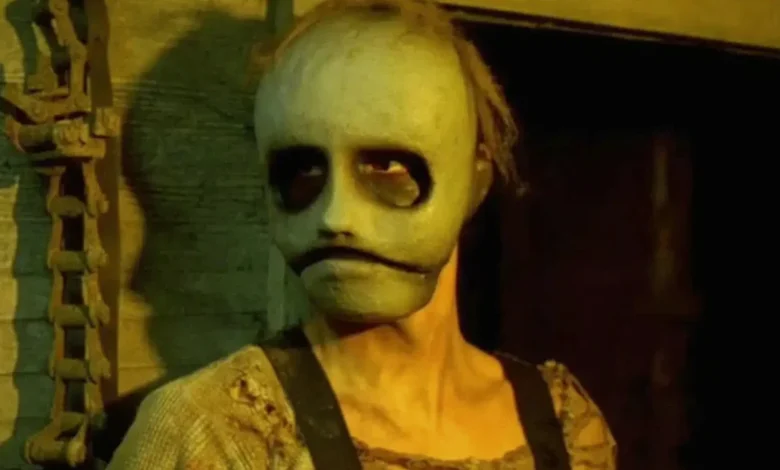
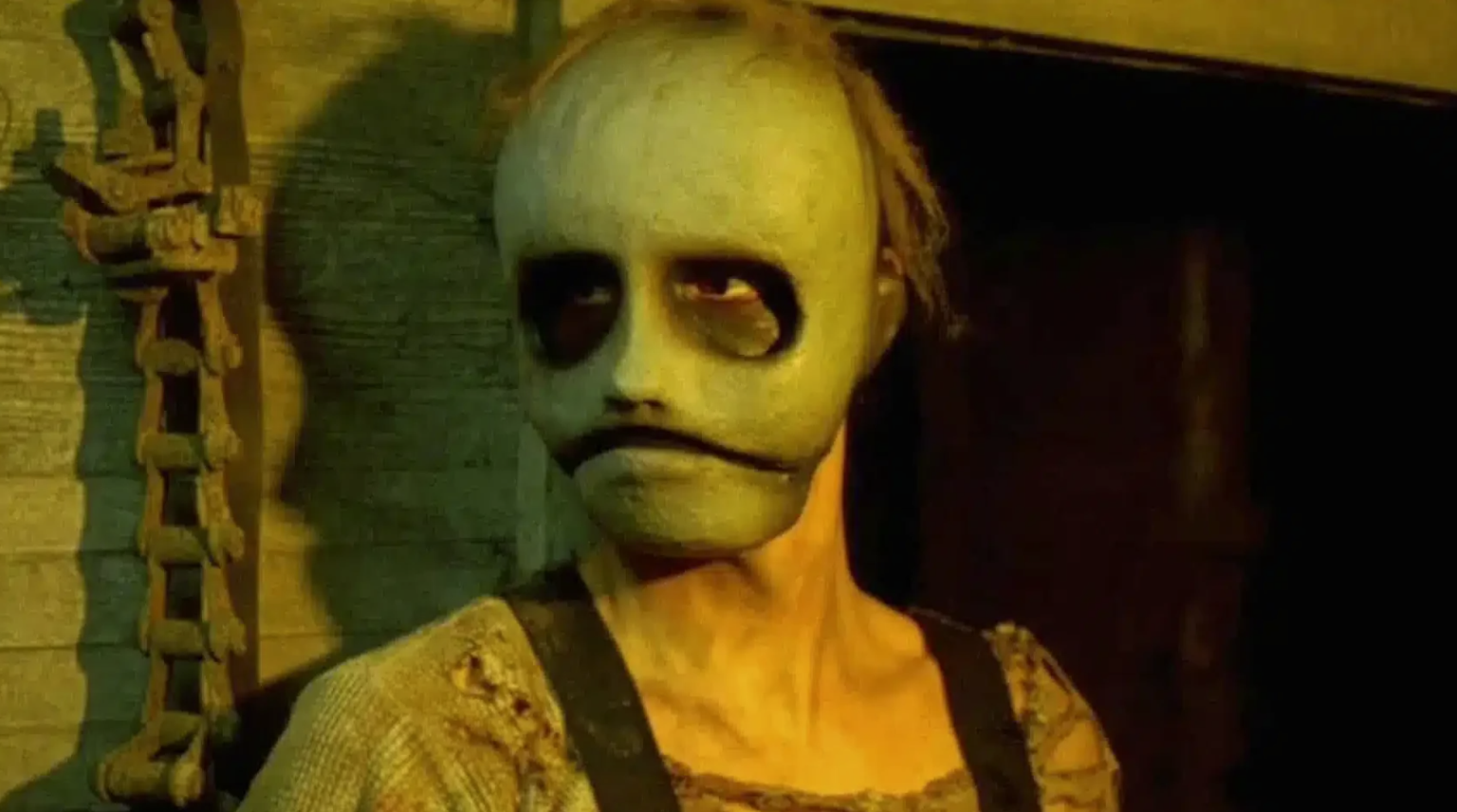
The long-awaited sequel to the 2006 cult horror-comedy mockumentary Behind the Mask: The Rise of Leslie Vernon has officially commenced principal photography in Illinois, signaling a major milestone for a project that has spent nearly two decades navigating the notoriously difficult independent financing landscape. Actor Ben Pace, who reprises his role as the diligent and increasingly conflicted cameraman Doug, confirmed the commencement of production over the weekend by sharing a photograph from the Midwestern set. For horror aficionados who have spent the last twenty years championing Scott Glosserman’s meta-fictional masterclass, the cameras finally rolling represents the end of a protracted, agonizingly slow development cycle.
The continuation of Leslie Vernon’s self-mythologizing journey brings back nearly all of the foundational creative pillars that made the original film a critical darling upon its debut at the South by Southwest (SXSW) Film Festival. Director Scott Glosserman is back at the helm, working from a screenplay penned once again by David J. Stieve. Nathan Baesel steps back into the iconic overalls and friendly flannel of Leslie Vernon, the charismatic, serial-killer-in-training who treated a documentary film crew to a masterclass in the mechanics of slasher tropes. Also returning are Angela Goethals as Taylor Gentry, the intrepid journalist who transitioned from documenting a monster to fighting for her life, and horror royalty Robert Englund, who reprises his role as the wheelchair-bound Dr. Halloran, a psychological adversary modeled closely on the classic Laurie Strode or Dr. Loomis archetypes.

A Two-Decade Evolution of Meta-Horror
To understand the cultural significance of Behind the Mask II, one must examine the legacy left by its predecessor. Released in 2006, the original film predated the self-aware deconstruction popularized by later horror entries, operating instead as a sophisticated mockumentary. It posited a universe where legendary slasher figures like Michael Myers, Jason Voorhees, and Freddy Krueger were real historical precedents, and aspiring bogeymen like Leslie Vernon studied their methodologies with the rigorous discipline of graduate students.
Leslie famously outlined the archetype of the "Ahab"—a sole surviving individual, typically a young woman, destined to become the final adversary of the killer. The film brilliantly walked a tightrope between satire and genuine terror, deconstructing tropes such as why victims always trip while running, how atmospheric lighting and sound effects are mysteriously manufactured in abandoned houses, and the meticulous physical conditioning required to endure being repeatedly struck with blunt objects only to rise again. Despite earning critical acclaim—including winning the Audience Award at SXSW and the Dorothy Arzner Directors Prize at the Outfest—the film suffered from limited theatrical distribution, eventually achieving its legendary status through home video, streaming platforms, and word-of-mouth recommendations among horror enthusiasts.
For nearly two decades, fans and creators alike attempted to resurrect the franchise. Crowdfunding campaigns, script rewrites, and shifting independent studio landscapes repeatedly stalled momentum. The announcement that production is finally underway in Illinois provides definitive proof that the perseverance of the creative team has paid off, transitioning the project from perpetual development hell into active reality.
Expanding the Cast and Updating the Slasher Playbook
While the return of the core cast guarantees a seamless narrative continuation, the production has also injected fresh blood into its ensemble. David Howard Thornton, widely recognized by contemporary horror fans for his terrifying, boundary-pushing portrayal of Art the Clown in Damien Leone’s ultra-violent Terrifier franchise, has signed on for a key role in the sequel. Thornton’s casting bridges two distinct eras of independent horror: the smart, self-referential satire of the mid-2000s and the extreme, practical-effects-driven gore spectacles of the modern box office.
According to early working outlines from the production, Behind the Mask II is set twenty years after the events of the original mockumentary. The narrative premise reflects the drastic evolution of the horror genre itself over the last two decades. Leslie Vernon is no longer just studying the analog techniques of 1980s icons; he is now forced to adapt his craft to an era defined by social media, instant digital saturation, and viral culture. In a landscape where real-life violence can be streamed globally in seconds and everyday people are obsessed with true crime content, Leslie finds himself competing against—and learning from—a terrifying new breed of modern killer who understands how to weaponize the internet for maximum notoriety.
This thematic pivot offers a fertile ground for satire. The first film targeted the predictable formulas of the VHS slasher era; the sequel aims its lens at the algorithm-driven, hyper-connected digital age, where traditional rules of suspense and urban legend have been upended by smartphones and viral video clips.
Targeted Release and Exhibition Plans
While producers have yet to ink a deal with a major distributor for a wide theatrical rollout, the creative team has already established an ambitious scheduling goal. According to statements from the set, the filmmakers are targeting an October 27, 2027 premiere in Salem, Massachusetts.
The choice of location and date carries significant thematic weight. Salem, synonymous with America’s dark history of witch trials and modern Halloween celebrations, serves as an ideal backdrop for a horror premiere. Furthermore, the filmmakers intend to pair the new sequel with a screening of the 2006 original, offering audiences a hometown double feature that honors the legacy of the first film while introducing the expanded universe to a new generation of viewers.

Industry analysts note that while independent horror films frequently bypass traditional studio systems in favor of targeted festival runs and boutique streaming acquisitions, a high-profile title like Behind the Mask II carries built-in audience demand that could attract competitive bids from specialty distributors specializing in genre cinema.
Industry Implications and Cultural Resonance
The production of Behind the Mask II arrives at a time when the horror genre is experiencing a commercial and critical renaissance, characterized by an appetite for both elevated auteur-driven narratives and self-referential throwbacks. Franchises that defined previous decades are constantly being rebooted, yet few have approached their own mythologies with the level of analytical deconstruction seen in Glosserman and Stieve’s work.
The return of Leslie Vernon poses fascinating questions about how independent filmmaking has evolved since 2006. When the first film was made, digital filmmaking was still transitioning away from celluloid, and social media marketing was in its infancy. Today, a production can leverage digital platforms to build anticipation long before a single frame is edited. By casting modern genre icons like David Howard Thornton alongside legacy veterans like Robert Englund, the production is signaling its intent to honor horror history while aggressively engaging with contemporary horror fandom.
As cameras continue to roll on location in Illinois, the broader entertainment industry will be watching closely to see how a satirical masterpiece from the mid-2000s adapts to a cultural landscape fundamentally altered by the internet. For now, the legend of Leslie Vernon lives on, proving that true monsters—much like the resilient final girls who pursue them—refuse to stay dead.