When Physical Horror Strikes Home: Joseph Scrimshaw Blends Nostalgia and Supernatural Terror in Feature Debut Dead Media

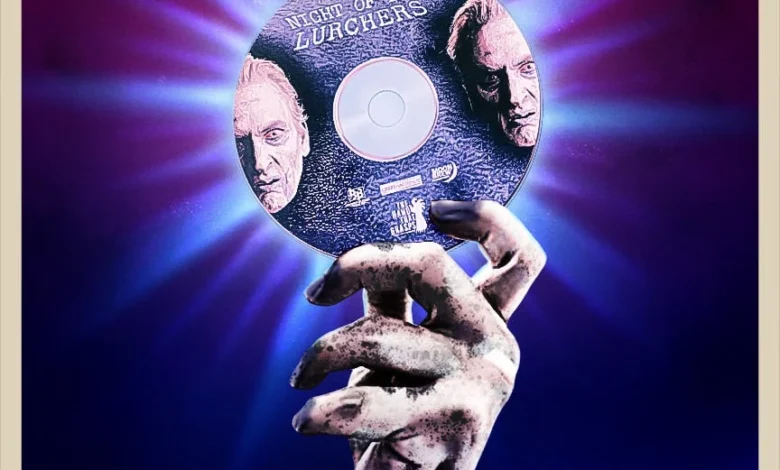
The landscape of home entertainment has undergone a seismic shift over the past two decades, transitioning from tangible, physical artifacts like VHS tapes and DVDs to boundless, intangible digital libraries and streaming algorithms. While convenience has won the war for modern consumers, a passionate subculture of cinephiles and physical media collectors continues to mourn the loss of cover art, liner notes, and, most importantly, the coveted digital real estate known as bonus features. Capitalizing on this widespread cultural nostalgia—while twisting it into a blood-soaked nightmare—writer and director Joseph Scrimshaw has made his feature-length directorial debut with Dead Media. Distributed by Antenna Releasing, the film officially became available to horror enthusiasts across various Video-on-Demand (VOD) platforms, offering audiences a unique blend of 1980s and 1990s creature-feature sensibilities wrapped inside a modern supernatural cautionary tale.
Main Facts and Narrative Premise
At its core, Dead Media follows a troubled young woman named Maggie, who is attempting to reclaim a sense of normalcy by hosting a casual movie night with her two closest friends. Seeking a dose of retro escapism, the trio initially attempts to track down and stream a long-lost 1990s horror cult-classic titled Night of the Lurchers. However, their digital search is abruptly interrupted by an unexpected visit from Maggie’s eccentric and fiercely dedicated super-fan uncle. Arriving bearing gifts of a physical variety, he hands the group a rare DVD edition of the film, promising an authentic viewing experience complete with all the bloody, feature-loaded glory of physical media’s golden age.
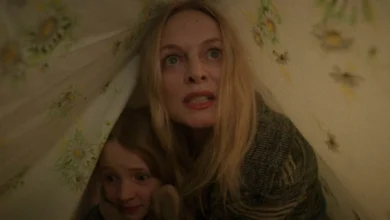
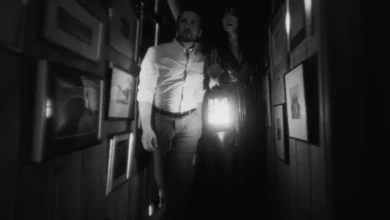
What begins as a nostalgic cinematic trip down memory lane quickly devolves into a desperate fight for survival. As the friends load the disc and navigate its interactive menus and hidden easter eggs, they rapidly discover that the physical media they hold in their hands is profoundly haunted. The boundary between the television screen and the real world dissolves, and the grotesque horrors depicted within the fictional cult classic begin to materialize inside Maggie’s living room. Far from a standard, formulaic creature feature, Scrimshaw’s debut deliberately eschews traditional genre tropes, opting instead to weave a narrative that functions simultaneously as a carefree, spooky romp and an emotionally resonant, deeply thoughtful character study dealing with grief, isolation, and human connection.
The Evolution of Home Video and Cultural Context
To understand the thematic resonance of Dead Media, one must examine the broader cultural shift that defines contemporary media consumption. The transition from physical formats to streaming giants has undeniably democratized access to cinema, allowing viewers to call up thousands of titles with the touch of a remote control. Yet, this convenience has come at a distinct cost to the ritualistic aspects of watching movies. In the eras of VHS and DVD, physical media fostered a tactile relationship between the audience and the art. Owning a physical copy meant possessing artwork, reading liner notes, and—crucially—exploring special features such as director commentaries, behind-the-scenes documentaries, deleted scenes, and interactive menus.
Special features often served as an educational portal for aspiring filmmakers and a deep-dive treasure trove for devoted fans, transforming a passive viewing experience into an active, engaged exploration of filmmaking craft. By centering his narrative around a haunted DVD and the forgotten bonus content of a fictional 1990s B-movie, Scrimshaw taps into a potent vein of modern melancholy. The film’s premise literalizes the metaphorical ghosts of physical media left behind in closets, thrift stores, and bargain bins, transforming obsolete technology into a literal conduit for supernatural terror.
Production Background and Directorial Vision
Joseph Scrimshaw, widely recognized for his work across various entertainment mediums including comedy, podcasting, writing, and theatre, brings a distinct sensibility to his first feature-length horror outing. Known for sharp comedic timing and deep reverence for pop culture history, Scrimshaw channels his affection for practical monster effects and creature features of the late 20th century into Dead Media.
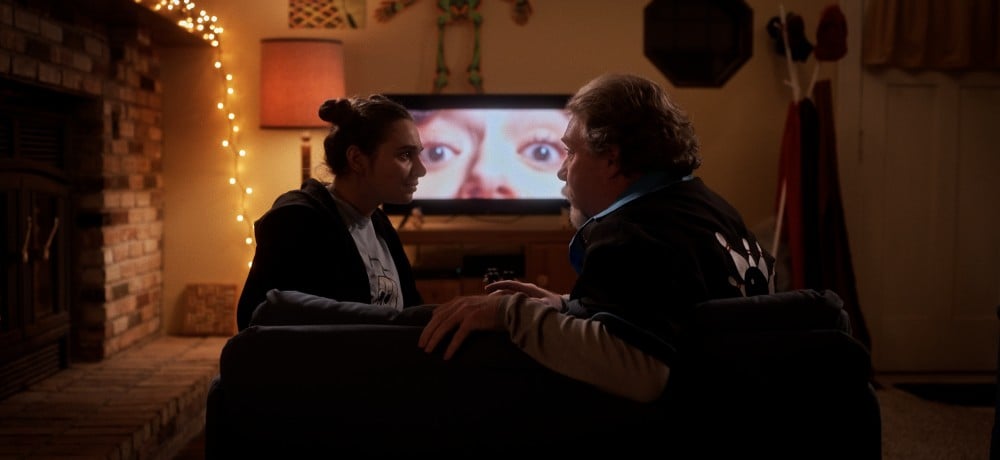
The production deliberately leans into the aesthetic markers of 1990s cult cinema. Night of the Lurchers—the fictional film within the film—was meticulously crafted to mirror the gritty, low-budget charm, practical creature designs, and ambitious overreach typical of direct-to-video horror releases from that decade. By grounding the supernatural threat in a tangible, physical object (the haunted DVD), the production design team emphasizes the weight, texture, and inherent eeriness of physical media when stripped of its nostalgic comfort.
Chronology of the Release Strategy
The rollout of Dead Media reflects the modern independent film distribution landscape, where digital platforms serve as the primary gateway to a geographically dispersed audience of genre fans.
- Pre-Release Campaign: Antenna Releasing established early momentum by releasing promotional trailers highlighting the film’s unique premise, blending retro creature-feature nostalgia with modern supernatural dread.
- Exclusive Previews: Horror-centric outlets, including Daily Dead, were granted exclusive first looks and clips—such as the pivotal moment a character utters the ominous warning, "Have I ever told you this movie’s cursed?"—to generate organic buzz within the horror community.
- VOD Launch: The film officially dropped across major VOD platforms, allowing immediate access for home viewers worldwide. This digital-first strategy ensures that audiences sitting in their living rooms—ironically engaging in the very act of home viewing that the film deconstructs—can experience the movie instantly.
Critical Analysis and Genre Implications
Dead Media arrives at a fascinating intersection of horror cinema. In recent years, audiences have witnessed a massive resurgence in analog horror, found-footage revivals, and meta-cinematic narratives that explore the haunted nature of media—ranging from VHS tapes in the V/H/S franchise to cursed internet videos in films like Ring.
However, Dead Media carves out a distinct niche by specifically targeting the DVD era rather than purely focusing on analog tape or purely digital phenomena. The 1990s and early 2000s represent a fascinating transitional window where physical media incorporated interactive digital menus, Easter eggs, and multiple layers of bonus content. Scrimshaw weaponizes these interface elements, turning seemingly benign menu screens and bonus feature featurettes into navigational hazards for the trapped characters.
Furthermore, the film’s dual identity—balancing high-energy, spooky monster thrills with a grounded character piece about a troubled young woman and her friends—reflects a broader trend in contemporary independent horror. Modern audiences increasingly demand that genre films offer emotional stakes alongside traditional jump scares and creature gore. By anchoring the supernatural menace in themes of isolation and shared trauma, Dead Media uses its monster-movie framework to explore real-world vulnerabilities.
Broader Impact and Where to Watch
As Dead Media continues to find its audience across VOD platforms, its reception underscores the enduring viability of indie horror that relies on smart concepts, practical aesthetics, and heartfelt respect for genre history. For collectors, cinephiles, and casual horror fans alike, the film serves as both a thrilling ride and a poignant reminder of what was gained and lost in the digital transition.
For those interested in exploring the cursed depths of Night of the Lurchers and uncovering the dark secrets hidden within its bonus features, Dead Media is currently available across major VOD services. Additional information, promotional materials, and official streaming links can be found by visiting the official Antenna Releasing film page at https://www.antennareleasing.com/films/deadmedia.
Related posts: