Side Quest: Frostpunk Brings Intense Survival Puzzle Gameplay to the Tabletop This Summer

The Frostpunk franchise, developed by 11 Bit Studios, has long been synonymous with the concept of "survival at any cost." Since its inception in 2018, the digital city-builder has challenged millions of players to lead the last remnants of humanity through a global volcanic winter, forcing them to balance dwindling coal reserves, public unrest, and the grim reality of child labor against the singular goal of societal survival. Now, that same atmosphere of claustrophobic tension is set to transition from the sprawling, resource-heavy board game adaptation to a more focused, narrative-driven experience: Side Quest: Frostpunk.
Scheduled for a debut at Gen Con this coming August, the title represents a strategic pivot for the intellectual property. Rather than requiring the multi-hour setup and sprawling physical footprint of the previous official board game adaptation, Side Quest: Frostpunk aims to deliver a condensed, high-stakes escape-room experience that can be completed in approximately 60 to 90 minutes.
A New Chapter in the Frozen Wasteland
The Side Quest series, a collaborative project between publishers Board&Dice and Lockme, is recognized for its ability to distill complex atmospheric settings into portable, puzzle-focused modules. Designers Jakub Caban and Bartosz Idzikowski, the creative minds behind the acclaimed Escape Tales series and previous adaptations of titles like Nemesis and 7th Sea, are spearheading the design.
In Side Quest: Frostpunk, the scope is narrowed from the macro-management of an entire city to the micro-management of a scouting party. Players—either solo or in a group of up to four—assume the roles of scouts venturing into the lethal tundra. The narrative premise is immediate and urgent: the party discovers an abandoned, non-functional generator in the wilderness. The players must repair and stabilize this structure within a six-day limit, a mechanic that serves as the game’s primary "ticking clock" and the driving force behind the puzzle-solving requirements.
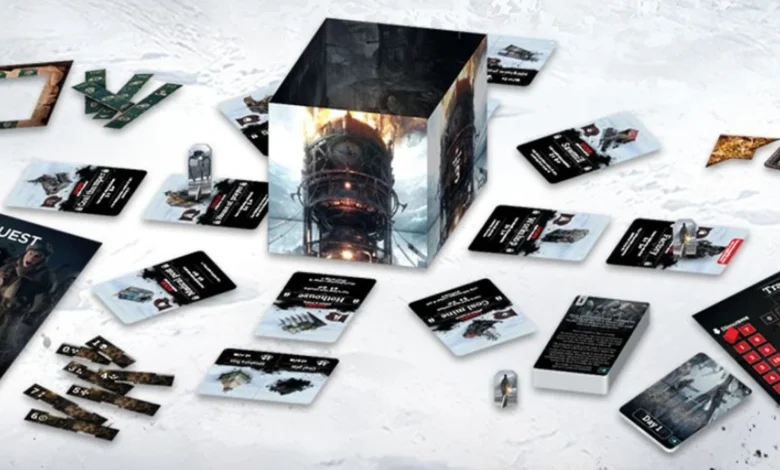
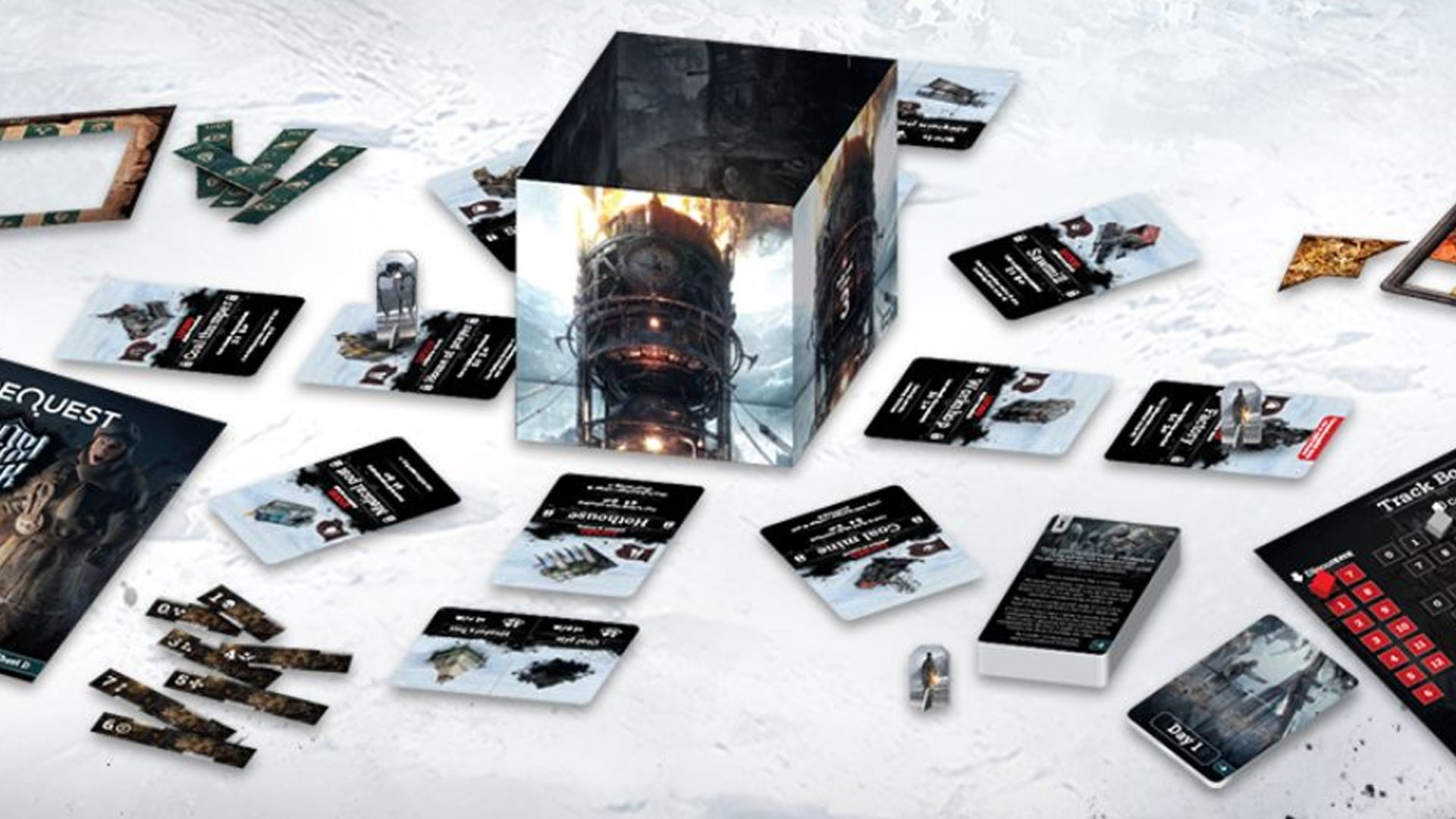
Early previews of the component layout show a central card configuration representing the generator, surrounded by a ring of cards that represent the surrounding environment. This spatial design encourages players to manipulate the layout to uncover secrets, manage temperature variables, and track essential resources like steam cores and food supplies. Despite being ranked as a "two out of four" on the publishers’ internal complexity scale, the game is designed to maintain the series’ signature blend of deductive reasoning and thematic pressure.
Chronology of the Frostpunk Tabletop Expansion
The expansion of the Frostpunk brand into the physical board game market has been a multi-year effort to translate the digital intensity of the original PC title into a tabletop format.
- 2018: 11 Bit Studios releases the original Frostpunk video game, which achieves critical acclaim for its ethical dilemmas and brutal difficulty curve.
- 2021: A highly anticipated, massive-scale board game adaptation is successfully crowdfunded. The game is praised for its production value and faithfulness to the source material but noted for its significant "table presence" and steep learning curve.
- 2023: Following the success of the larger board game, 11 Bit Studios begins diversifying its licensing efforts to include smaller, more accessible tabletop experiences.
- Early 2024: Board&Dice and Lockme announce the upcoming release of the Side Quest installment, signaling a shift toward "escape-room-in-a-box" mechanics.
- August 2024: The scheduled release of Side Quest: Frostpunk at Gen Con, the premier tabletop gaming convention held in Indianapolis.
Analyzing the Shift to Micro-Gaming
The decision to move toward a more contained experience is not merely a stylistic choice; it represents a broader trend in the tabletop industry toward "accessible complexity." While the previous board game iteration was a "lifestyle" game—demanding a significant time commitment and a dedicated hobby space—the Side Quest version occupies a different market segment.
Data from the board game industry indicates a rising consumer demand for "one-shot" experiences. According to recent market analysis from BoardGameGeek and similar industry trackers, titles that offer high-intensity, short-duration gameplay (under 120 minutes) have seen a 15% year-over-year increase in interest. This "escape room" format allows for a lower barrier to entry, enabling casual players to experience the Frostpunk brand without the burden of learning a complex rulebook that rivals the depth of the original digital software.
By focusing on a scouting party rather than a city mayor, the game shifts the perspective from administrative burden to individual survival. This allows designers to emphasize the "puzzle" aspects of survival—such as rationing specific components or navigating environmental hazards—without needing to track the political or economic variables of a thousand-person colony.
Official Perspectives and Design Philosophy
While publishers have remained tight-lipped regarding specific spoilers or puzzle solutions to protect the integrity of the escape-room experience, the design philosophy is clear: the environment is the enemy. Jakub Caban and Bartosz Idzikowski have built their reputations on integrating narrative depth into tabletop puzzles. Their work on the Escape Tales series demonstrated an ability to weave branching storylines into simple card-based mechanics.
"The goal with the Side Quest series is to capture the essence of a world in a box," a spokesperson for the development team noted in preliminary discussions. "For Frostpunk, that essence isn’t just about managing resources; it’s about the feeling of being cold, isolated, and running out of time. We aren’t asking players to run a city; we are asking them to survive the next ninety minutes."
This focus on atmosphere is bolstered by the artistic direction, which utilizes the grim, industrial, and frost-bitten aesthetics established by 11 Bit Studios. By leveraging existing visual assets, the game creates an immediate sense of continuity for fans of the digital game.
Broader Implications for the Tabletop Sector
The integration of established digital IPs into smaller, episodic tabletop formats suggests a maturing of the licensing landscape. For game developers like 11 Bit Studios, this strategy serves two purposes: it keeps the franchise relevant during the development cycles of new digital installments, and it provides a "gateway" product for consumers who may be intimidated by traditional, large-box board games.
The implications for the hobbyist market are equally significant. As physical retail space for board games becomes more competitive, compact products like Side Quest: Frostpunk are easier to stock and distribute than traditional "big box" games. Furthermore, the focus on cooperative gameplay—where players must work together to solve the puzzles—taps into the high demand for social, non-competitive tabletop activities.
As the release at Gen Con approaches, the focus remains on whether the title can successfully balance the "unforgiving" nature of the Frostpunk brand with the accessibility required for a casual puzzle game. The history of the franchise suggests that players expect to fail, and the success of this title may depend on whether that failure feels like a fair consequence of poor decision-making or an insurmountable barrier.
Regardless of the final outcome, the move into the "escape-room-in-a-box" genre is a calculated maneuver that broadens the reach of the Frostpunk universe. Whether players find themselves huddled around their dining room tables this summer, desperately calculating the last of their virtual steam cores, remains to be seen. However, one thing is certain: the cold, harsh, and unforgiving world of Frostpunk is proving to be as adaptable to the tabletop as it is to the screen, providing a chilling new challenge for those brave enough to face it.