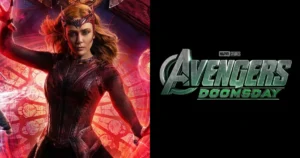
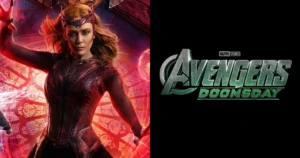
Elizabeth Olsen Addresses Rumors Regarding Her Potential Involvement in Avengers Doomsday

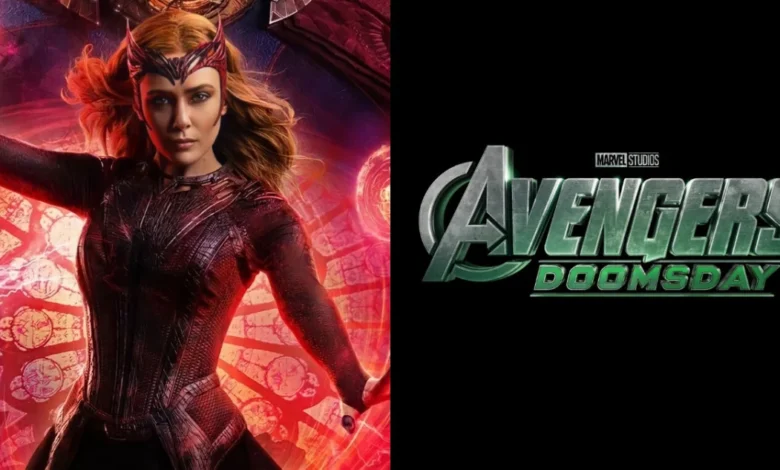
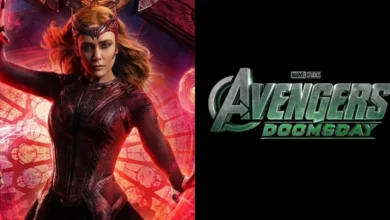
The Marvel Cinematic Universe (MCU) is currently in a state of high-stakes transition as it pivots toward the upcoming Multiverse Saga conclusion. Central to the speculation surrounding the next major ensemble piece, Avengers: Doomsday, is the status of Wanda Maximoff, also known as the Scarlet Witch. Elizabeth Olsen, who has portrayed the character since her debut in the post-credits scene of Captain America: The Winter Soldier in 2014, has long been a focal point of fan theories regarding her character’s potential return. Despite intense public curiosity, the actress has maintained a position of strategic ambiguity, most recently addressing the subject at the Chicago Comics and Entertainment Expo (C2E2).
The Narrative Arc of Wanda Maximoff
To understand why the potential return of the Scarlet Witch is a cornerstone of current MCU discourse, one must examine her trajectory over the last decade. Following her evolution from a reluctant antagonist in Avengers: Age of Ultron to a core Avenger in Captain America: Civil War, the character’s depth was significantly expanded in the Disney+ series WandaVision. This project established her as the most powerful entity in the MCU, capable of manipulating reality on a planetary scale.
Her subsequent role as the primary antagonist in Doctor Strange in the Multiverse of Madness culminated in what appeared to be her death at Mount Wundagore. However, in the world of comic book adaptations, "death" is rarely a permanent state. The Scarlet Witch’s influence has persisted through the narrative, leaving a vacuum in the MCU’s power hierarchy that many believe can only be filled by her return. As the studio gears up for the release of Avengers: Doomsday, set for December 2026, the question of whether Wanda Maximoff will reappear to confront the threat posed by the new iteration of Doctor Doom has become a persistent topic of industry analysis.
Official Statements and Public Appearances
During her recent appearance at C2E2, Elizabeth Olsen addressed the persistent inquiries regarding her status within the upcoming film. When questioned about her involvement in the project, Olsen expressed a lack of awareness regarding the film’s specific plot details. Her comments were notably candid: "I know nothing. I know about VisionQuest, because I’ve seen Paul [Bettany] in the last six months. I know nothing about any of it. Is [Secret Wars] what happens after? I’m not kidding. Why did I think there were two Secret Wars? Are there not?"
While these statements are frequently interpreted by fans as a denial, industry insiders often note that Marvel Studios maintains a culture of extreme secrecy. Actors involved in major MCU crossovers are often under strict non-disclosure agreements, leading them to deflect questions using varying degrees of plausible deniability. Olsen’s confusion regarding the relationship between the upcoming Avengers films—Avengers: Doomsday and the subsequent Avengers: Secret Wars—could be read as genuine, or as a carefully calibrated response designed to protect the studio’s marketing timeline.
Contextualizing the MCU Timeline
The MCU is currently navigating a complex release schedule that aims to culminate the Multiverse Saga. The timeline for these developments is as follows:
- 2021: WandaVision airs, cementing the Scarlet Witch’s role as the primary catalyst for reality-warping events.
- 2022: Doctor Strange in the Multiverse of Madness concludes with the apparent sacrifice of the Scarlet Witch.
- 2024: Robert Downey Jr. is officially announced to return to the MCU, not as Iron Man, but as the iconic villain Victor von Doom (Doctor Doom), set to debut in Avengers: Doomsday.
- 2025: Production intensifies for upcoming projects, including the highly anticipated VisionQuest, which explores the resurrection of the android Vision.
- 2026: Avengers: Doomsday is scheduled for theatrical release in December, marking the return of the Avengers to the big screen.
The inclusion of Paul Bettany in VisionQuest provides a narrative bridge. Since the Vision’s current form—often referred to as "White Vision"—retains the memories of the version that loved Wanda, it is logically inferred that any plot involving him will eventually require a confrontation or reconciliation with the Scarlet Witch.

Analytical Perspectives on Character Reintegration
From a production standpoint, the return of a character as significant as the Scarlet Witch involves balancing fan demand with narrative cohesion. Marvel Studios has historically utilized the "multiverse" as a tool to bring back legacy characters while introducing new iterations. If the studio intends to lean into the "Mutant Saga," which is expected to follow the conclusion of the current Avengers arc, the Scarlet Witch—whose comic book origins are intrinsically tied to the X-Men—becomes an essential figure.
Analysts suggest that the Scarlet Witch’s return would not necessarily require the specific version seen in the 2022 Doctor Strange film to be resurrected. The multiverse provides a narrative loophole, allowing for "variants" of characters to appear, which could explain why Olsen might truly be "in the dark" about a specific role; she could be cast as a different version of Wanda, or the script might be undergoing revisions that exclude her character entirely at this stage of development.
Broader Implications for the Multiverse Saga
The introduction of Doctor Doom as the overarching antagonist necessitates a level of threat that historically requires the combined power of the Avengers and their allies. In the source material, the Scarlet Witch has frequently played a pivotal role in events involving cosmic-level threats. Her potential absence would signal a significant shift in the power dynamics of the MCU.
Furthermore, the studio’s approach to secret-keeping serves as a double-edged sword. While it builds anticipation, it also creates an environment where every public comment from a cast member is scrutinized for hidden meaning. The "will she or won’t she" narrative surrounding Elizabeth Olsen has become an effective, albeit unintentional, marketing tool. It ensures that the conversation remains focused on the Scarlet Witch, regardless of whether she appears in the final cut of the film.
Future Outlook and Industry Expectations
As the production of Avengers: Doomsday moves into its primary filming stages, further leaks and official casting announcements are expected. Historically, Marvel Studios has utilized San Diego Comic-Con and D23 events to reveal major casting updates. If Olsen is indeed involved, the reveal would likely be held until the final stages of the marketing campaign to maximize the "surprise factor" for audiences.
Ultimately, the future of the Scarlet Witch in the Marvel Cinematic Universe remains in a state of suspended animation. Whether she is waiting in the wings for a grand return in the fight against Doctor Doom, or if her story has truly concluded, remains one of the most compelling questions for the franchise. For now, the audience is left to navigate the intersection of promotional mystery and the inevitable expansion of the Marvel multiverse, waiting for the studio to confirm the roster that will define the next chapter of the Avengers.
The dedication of fans and the consistent analytical focus on the Scarlet Witch highlight the success of the character’s development over the last decade. Regardless of the final decision regarding her role in Avengers: Doomsday, Elizabeth Olsen’s portrayal has left an indelible mark on the superhero genre, ensuring that the character remains a permanent part of the discourse regarding the future of the Marvel Cinematic Universe. As December 2026 approaches, the industry will continue to monitor production updates, casting sheets, and official trailers for any definitive sign that the Scarlet Witch is preparing to rewrite reality once more.
Related posts: