Reviving the Golden Era of Survival Horror: Three Modern Releases Bridging Nostalgia and Current-Gen Performance

The horror genre occupies a unique, highly engaged niche within the global video game industry. While cinematic mediums force audiences to passively observe characters make ill-fated decisions, interactive media places the burden of survival directly onto the player. Navigating blackened corridors, rationing scarce ammunition, and answering distant, unsettling cries are experiences that leverage the interactive medium to evoke genuine psychological tension. As the Halloween season approaches annually, the market experiences a surge of fresh entries—such as upcoming releases like Halloween: The Game, Hellraiser, and Silent Hill: Townfall. However, the modern revival of survival horror relies heavily on the profound legacy established by pioneering franchises like Resident Evil, Silent Hill, Fatal Frame, and Alone in the Dark.
To understand the current resurgence, industry analysts point to a growing consumer appetite for retro-inspired mechanics married to contemporary graphical fidelity. Developers are increasingly recognizing that fans of classic 1990s and 2000s survival horror do not merely want high-definition remasters; they want brand-new intellectual properties that faithfully replicate the design philosophies of a bygone era. Modern hardware allows these indie and mid-tier studios to preserve atmospheric dread, deliberate pacing, and resource scarcity while discarding the technical limitations of yesterday. For enthusiasts seeking to celebrate the Halloween season with titles that honor the roots of the genre while meeting modern standards of performance, three recent releases stand out as essential additions to the contemporary horror canon.
Hollowbody: A PS2-Era Tribute to Psychological Isolation
In the late 1990s and early 2000s, Konami’s Silent Hill emerged as a titan of psychological survival horror, directly challenging Capcom’s action-oriented Resident Evil series. The franchise achieved cultural permanence through multiple sequels and cinematic adaptations, establishing a blueprint for fog-shrouded environments, cryptic puzzles, and deeply personal narratives. Capturing this specific atmospheric cadence, British independent studio Headware Games released Hollowbody for PC in 2024, subsequently expanding the title to console platforms.
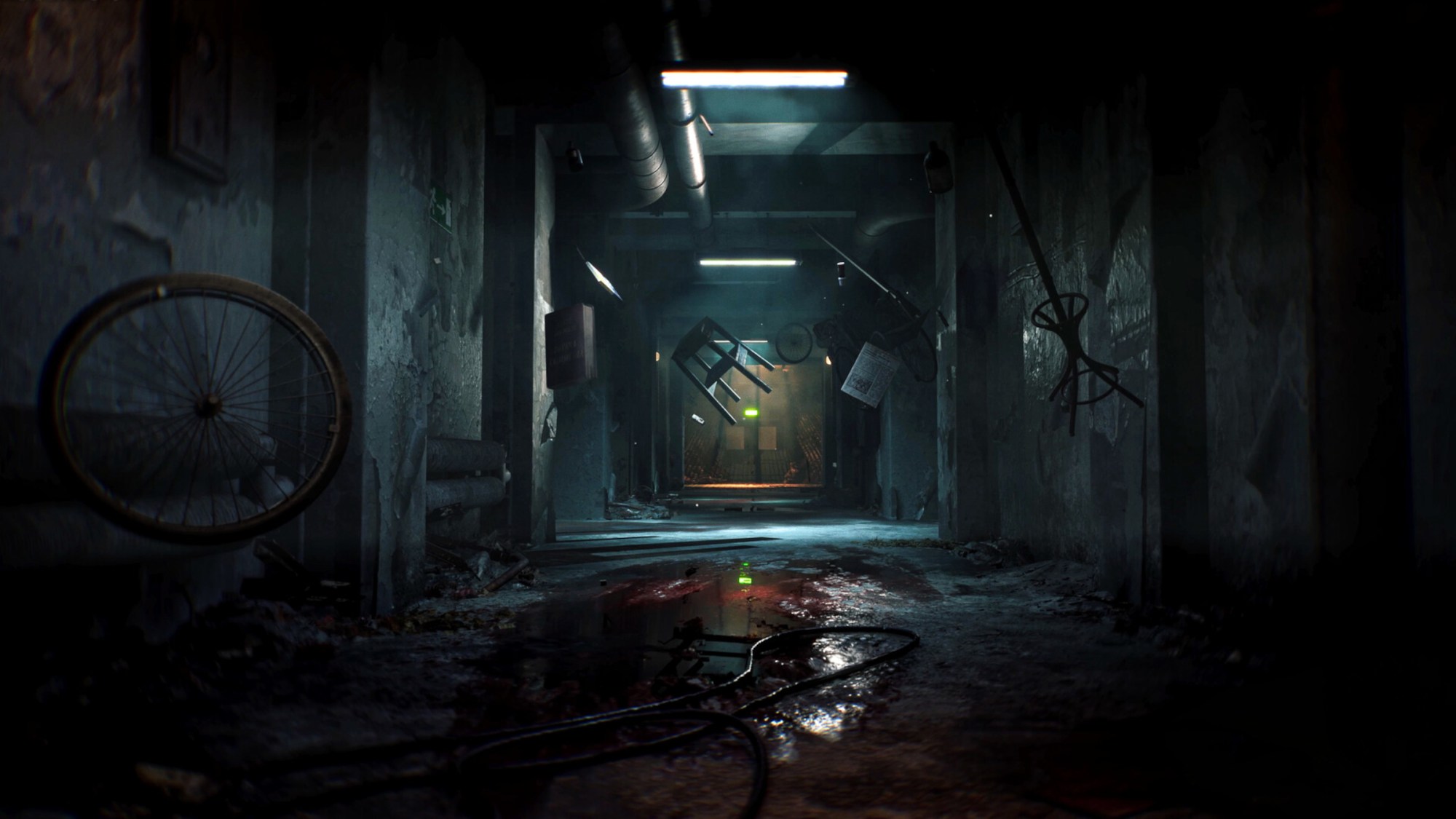
Hollowbody is a narrative-driven, third-person survival horror game set in a dystopian, near-future iteration of the British Isles. Players control Mica Holloway, a cynical smuggler attempting to locate her missing partner, Sasha, whose expedition went dark in a quarantined zone. When Mica’s aircraft suffers catastrophic failure, she finds herself stranded in a desolate, municipal wasteland overrun by mutated, biological anomalies.
Aesthetically, Headware Games made the deliberate artistic choice to emulate the visual texture of sixth-generation consoles, specifically the PlayStation 2. The character models possess a deliberate rigidity, and the environmental textures intentionally avoid the hyper-realistic polish of current-generation blockbusters. Rather than indicating a low production budget, this stylistic restraint serves to evoke the exact sensory memory of 2001 gaming. Gameplay-wise, players navigate claustrophobic interiors armed only with a flashlight, a firearm, and severely limited inventory space. Resource management is paramount; combat is often a liability rather than a preferred solution, forcing players to weigh the cost of every bullet. Hollowbody succeeds as both a nostalgic homage to Konami’s golden era and a mechanically sound survival horror experience in its own right.
Tormented Souls: Reliving the 32-Bit Era of Fixed Cameras and Tank Controls
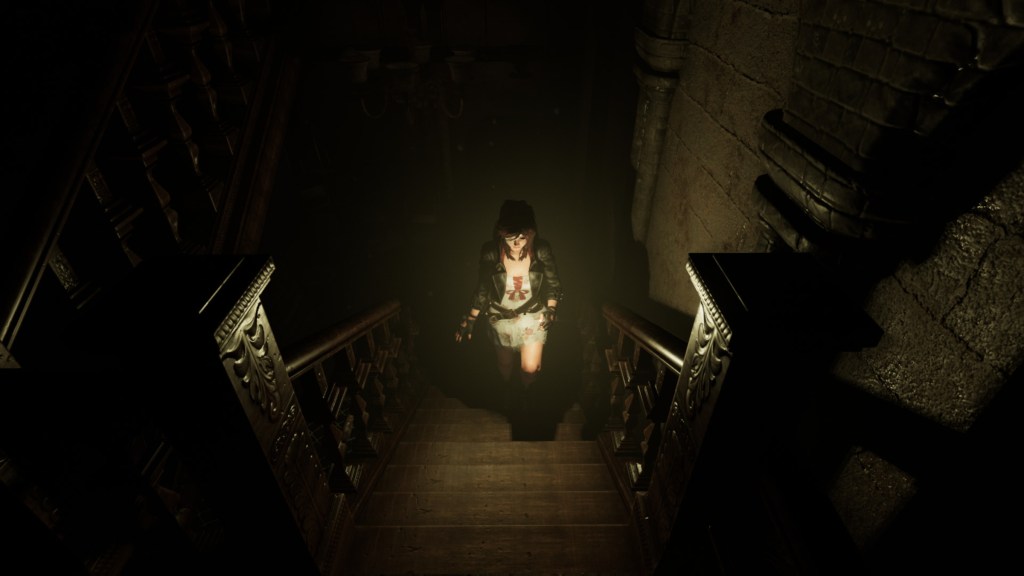
For gamers yearning for the uncompromising difficulty and design constraints of the mid-1990s, developer Dual Effect engineered Tormented Souls, a title designed to emulate the classic 32-bit Resident Evil and Alone in the Dark frameworks. Released to critical praise for bridging old-school mechanics with modern lighting engines, the game provides a masterclass in classic survival horror tropes: fixed cinematic camera angles, pre-rendered backgrounds, labyrinthine mansion exploration, and cryptic inventory puzzles.
The narrative centers on Caroline Walker, a young woman investigating the mysterious disappearance of twin girls at a decrepit, repurposed brutalist hospital. Upon arriving at the facility, Caroline is ambushed, rendered unconscious, and awakens to find herself surgically connected to medical equipment in a bathtub, missing her right eye. To escape and unravel the facility’s dark history—which involves illegal human experimentation and an esoteric cult—Caroline must navigate a maze of horrors relying on her wits and a rapidly dwindling supply of defensive items.
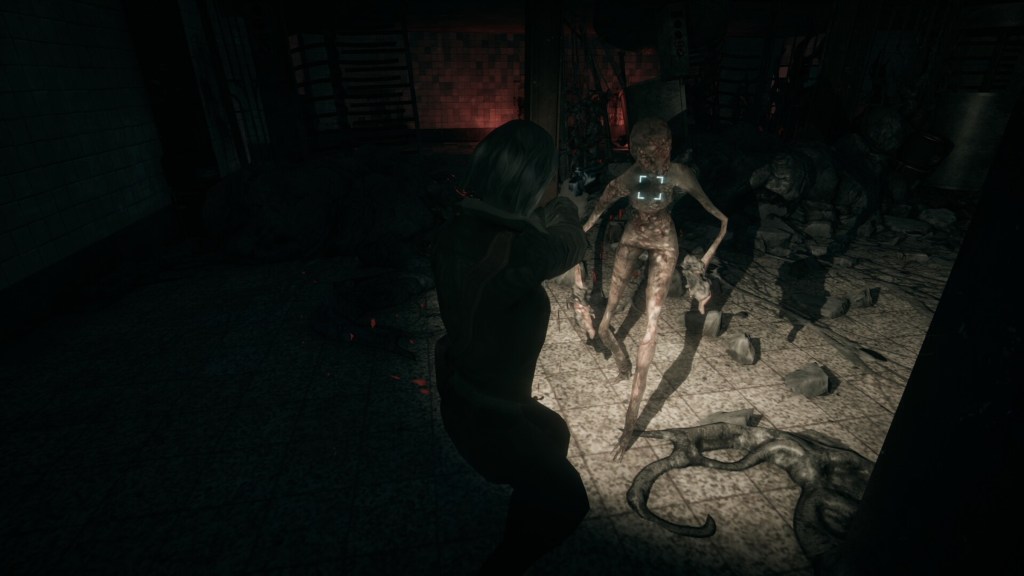
In a nod to both classic purists and modern accessibility, Tormented Souls offers dual control schemes. Players can utilize the D-pad for traditional, rigid tank controls that restrict movement to directional turns, or employ the analog stick for fluid, modern 3D navigation. Furthermore, the game preserves classic save mechanics, requiring players to locate specific in-game items—in this case, tape recorders and cassette tapes—to record their progress at designated safe rooms. The intentionally campy voice acting and melodrama further cement the title’s identity as a loving pastiche of the 1996 survival horror boom, paving the way for its similarly anticipated sequel, Tormented Souls II.
Cronos: The New Dawn: Evolving the Legacy of Sci-Fi Survival Horror
In 2008, Electronic Arts and Visceral Games forever altered the landscape of science-fiction horror with the release of Dead Space. Heavily influenced by cinematic classics like Ridley Scott’s Alien and John Carpenter’s The Thing, Dead Space placed players in the heavy boots of Isaac Clarke, an engineer dispatched to repair the planet-cracker mining ship USG Ishimura. The ship had fallen victim to an alien contagion that reanimated and twisted the corpses of the deceased into nightmarish entities known as Necromorphs. The game introduced iconic mechanics, most notably strategic limb dismemberment—requiring players to sever appendages rather than target center-mass—and environmental hazard navigation within zero-gravity settings.
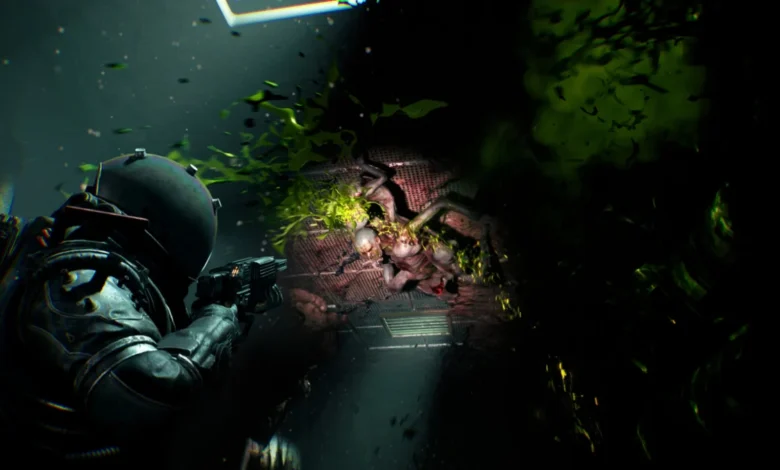
Building upon the legacy established by Dead Space, Polish developer Bloober Team—fresh off their critically acclaimed work on the Silent Hill 2 remake—introduced Cronos: The New Dawn. This ambitious sci-fi survival horror title shifts the narrative to a bleak, alternate-future Eastern Europe devastated by a global cataclysm known simply as "The Change." Players assume the role of the Traveler, an operative belonging to a mysterious faction called the Collective, tasked with traversing a ruined timeline to extract the essence of key historical figures before the apocalypse consumes them.
The antagonists of Cronos: The New Dawn, referred to as "orphans," present a tactical combat puzzle very similar to the Necromorphs of its spiritual predecessor. These grotesque, biomechanical monstrosities are resilient to standard ballistic trauma and require thermal incineration to permanently eradicate. Because fuel for flamethrowers and incendiary rounds is exceptionally rare, players must utilize blunt force and precise kinetic strikes to incapacitate threats temporarily while conserving resources. The protagonist’s heavily armored, industrial aesthetic heavily evokes Isaac Clarke’s engineering suit, and environmental interactions—such as stomping on crates and enemies alike—pay direct homage to classic sci-fi tropes. Through intricate level design, oppressive atmospheric audio, and high-stakes resource management, Cronos: The New Dawn represents the apex of modern technological capability applied to classic survival horror formulas.
Market Implications and the Future of the Genre
The commercial and critical viability of titles like Hollowbody, Tormented Souls, and Cronos: The New Dawn highlights a significant shift in the video game development landscape. As major publishers increasingly focus on live-service models and open-world multiplayer experiences, independent and mid-tier studios have seized the opportunity to cater to single-player narrative enthusiasts.
Industry data indicates that consumer demand for retro-styled horror games has grown consistently over the past decade. This trend is driven not only by aging demographics who experienced the original PlayStation and PlayStation 2 eras firsthand, but also by younger generations discovering classic mechanics through digital storefronts and streaming platforms. By combining the deliberate pacing, intellectual challenges, and atmospheric dread of the past with modern quality-of-life improvements, developers are ensuring that the survival horror genre remains vibrant, terrifying, and deeply relevant for decades to come.