The Evolution of the CoD Aesthetic
The history of cosmetic monetization in Call of Duty has been a pendulum swinging between military realism and commercial opportunism. In the early iterations of the franchise, player models were strictly codified by faction-based uniforms, ensuring that friend-or-foe identification was instantaneous and immersion was maintained. However, the rise of the "Games as a Service" model necessitated a more aggressive approach to microtransactions.
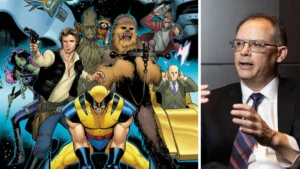
By 2022 and 2023, the cosmetic landscape of Warzone had shifted dramatically. The introduction of licensed characters from films, television shows, and sports leagues became a primary revenue driver. While these collaborations—such as those featuring operators from The Boys, Dune, and Fallout—proved immensely profitable, they drew sharp criticism from a vocal segment of the player base. Critics argued that the inclusion of brightly colored, non-canon characters destroyed the visual clarity of the battlefield and eroded the tension of the tactical gameplay.
Last year, Activision attempted a corrective measure, publicly acknowledging that the series had drifted from its core identity. The company promised that with the launch of Black Ops 7, a "clean break" would occur, whereby older, immersion-breaking skins would not carry forward, and new cosmetics would be curated to fit the established narrative universe of that title. Yet, within months, the commercial pressure to cross-promote intellectual properties led to the inclusion of Fallout content, rendering the promise of a strictly authentic aesthetic effectively void.
The Mechanism of the New Toggle
The newly announced feature is a client-side visual filter. When enabled, this toggle aims to simplify the visual presentation of enemy and ally operators, stripping away some of the more egregious or distracting cosmetic elements. By allowing players to prioritize a more uniform visual experience, the developers are attempting to bridge the gap between two competing player philosophies.
However, the technical limitations of this feature are notable. According to official documentation released by the development team, the filter is not a blanket "classic mode." It is specifically designed to work within the confines of the current season’s assets. Crucially, the toggle does not retroactively remove items from the game code, nor does it necessarily apply to every piece of content released under the Modern Warfare 4 banner. It is a targeted solution for a broader systemic issue: how to monetize digital vanity items while preserving the competitive integrity of a tactical shooter.
Chronology of Cosmetic Integration
- 2020-2021: Warzone experiences rapid growth. Cosmetics are primarily realistic, military-themed variants.
- 2022: The "crossover era" begins in earnest with the introduction of characters from action cinema and pop culture, leading to initial community pushback.
- 2023: Activision acknowledges feedback regarding "skin fatigue" and promises a more disciplined approach for Black Ops 7.
- 2024: Despite initial promises of adherence to an authentic aesthetic, major licensed collaborations continue to populate the store, leading to renewed calls for visual filters.
- 2026 (September): The launch of Modern Warfare 4 marks the introduction of the operator toggle, a direct response to the community’s desire for visual cohesion.
Analyzing the Industry Implications
The implementation of a visual toggle is a rare move for a modern live-service game. Most developers are incentivized to ensure that every player sees every cosmetic, as the primary purpose of premium skins is to function as a status symbol or a marketing billboard for the player wearing them. By allowing players to disable these visuals, Activision is making a calculated trade-off. They are betting that the increase in player retention among "purist" gamers—who might otherwise quit the game due to visual clutter—outweighs the potential loss in visibility for the cosmetic items being hidden.
From a design perspective, this represents a recognition that "one-size-fits-all" visual fidelity is no longer sustainable in a game that lasts for half a decade or more. As the game accumulates thousands of assets, the visual noise becomes a performance concern and a gameplay hindrance. A toggle provides a localized solution that respects the player’s agency.
Official Stance and Future Outlook
Activision has remained relatively reserved regarding the long-term roadmap for this feature. While the current blog post clarifies that the toggle is a feature of the Modern Warfare 4 integration, it leaves open questions about its expansion. Players are already speculating whether this toggle will eventually include a "disable all store items" option, which would allow for a pure, base-game-only visual experience.
When asked for clarification, representatives for the publisher noted that the team is "continuously evaluating player feedback to ensure the best possible balance between creative expression and competitive visibility." While this is standard corporate phrasing, the inclusion of the toggle itself confirms that the studio is no longer ignoring the friction caused by the store’s inventory.
The broader implication is that the "meta-verse" model of Call of Duty is reaching a saturation point. When a game reaches a state where the developers must provide an option for players to opt out of seeing the very items they sell, it highlights a fundamental tension in the current monetization model. If the toggle is successful in improving the player experience without significantly impacting revenue, it is likely that we will see similar features in other high-profile live-service titles.
The Challenges Ahead
The primary challenge for Infinity Ward and the supporting studios will be the management of the "tacky" factor. If the game continues to release operators that are intentionally designed to be garish or distracting to gain a competitive advantage—or simply to drive sales—a single toggle may not be enough. If, as the season progresses, new content continues to violate the established aesthetic, the toggle will essentially become a dead feature, failing to address the underlying problem of visual bloat.
For now, the player base remains cautiously optimistic. The existence of the toggle is an acknowledgment of a problem that the company spent years denying. Whether this represents a genuine change in philosophy or a temporary placation of the community remains to be seen. The success of this feature will likely be measured by how many players adopt it, and more importantly, whether the development team commits to maintaining the visual "purity" of the base operators as the lifecycle of Modern Warfare 4 continues.
As it stands, Warzone is entering a transitionary period. The game is currently caught between its roots as a grounded military simulation and its reality as a massive, cross-media commercial platform. The operator toggle is a bridge between these two identities, but whether it is a permanent fixture of the franchise’s future or merely a temporary concession remains an open question for the community and the developers alike. The industry will be watching closely to see if other major shooters follow suit, potentially ushering in an era of "customizable immersion" for the modern live-service title.
Related posts: