DC Announces ‘From Comic to Screen: The Art of Supergirl’, Tracing Kara Zor-El’s Evolution

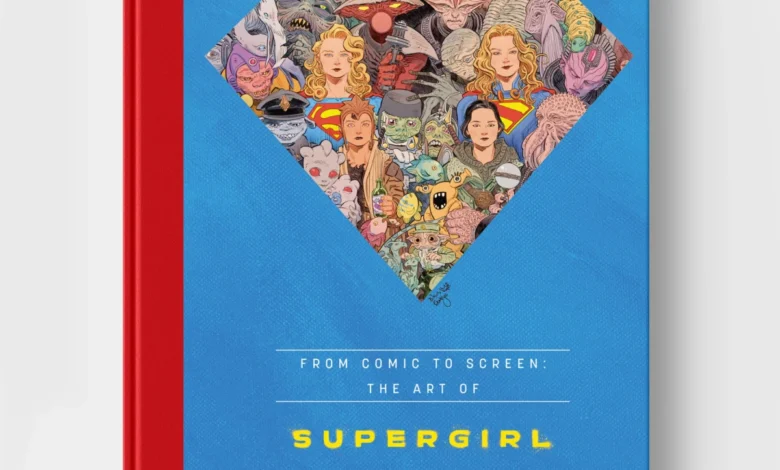
The announcement positions From Comic to Screen: The Art of Supergirl not merely as a collection of visuals but as a comprehensive exploration of the artistic and storytelling processes involved in translating a beloved character from one medium to another. Authored by James Field, the 224-page collection is designed to provide an intimate look behind the curtains, featuring an extensive array of concept art, detailed production designs, insightful annotated script pages, and a wealth of never-before-seen materials. These elements are specifically chosen to illuminate the symbiotic relationship between the comic book’s original vision and the film’s innovative interpretation, offering readers a unique perspective on how contemporary artistic and narrative choices define the trajectory of a major superhero.
The Creative Nexus: Woman of Tomorrow Meets the Silver Screen
Central to this ambitious project is the celebrated comic series Supergirl: Woman of Tomorrow. Penned by Eisner Award-winning writer Tom King, with breathtaking art by Bilquis Evely and vibrant colors by Matheus Lopes, the series redefined Kara Zor-El for a new generation. Published between 2021 and 2022, Woman of Tomorrow garnered widespread critical acclaim for its mature storytelling, epic scope, and poignant exploration of Kara’s identity, trauma, and unwavering sense of justice in a harsh, unforgiving galaxy. The series presented a more world-weary yet ultimately hopeful Supergirl, embarking on a quest for vengeance that evolved into a journey of self-discovery. Its distinctive visual language, characterized by Evely’s expressive linework and Lopes’s ethereal color palette, imbued Kara with a powerful, almost mythic presence, resonating deeply with readers and critics alike.
The profound impact and narrative depth of Supergirl: Woman of Tomorrow quickly established it as a foundational text for the character’s future, so much so that DC Studios co-CEOs James Gunn and Peter Safran explicitly cited it as a primary inspiration for the upcoming Supergirl feature film. This direct lineage underscores the significance of the art book, as it will meticulously document how the themes, motifs, and characterizations developed by King, Evely, and Lopes have been translated, adapted, and expanded upon for the cinematic medium. Readers will be able to see Evely’s iconic illustrations juxtaposed with early cinematic explorations, revealing the intricate journey of ideas from comic panel to storyboard, and ultimately, to the live-action set.
An Unprecedented Glimpse into Artistic Collaboration
The book promises to feature new, exclusive interviews with both the comic’s creators—Tom King, Bilquis Evely, and Matheus Lopes—and the filmmakers behind the much-anticipated summer epic. These interviews are expected to offer invaluable insights into the collaborative process that guided Kara’s transformation across mediums, detailing the creative challenges and triumphs involved in adapting such a revered source material. The dialogue between the creators of Woman of Tomorrow and the cinematic team will provide a rare opportunity to understand how fidelity to the source material is balanced with the necessity of cinematic reinvention, offering a masterclass in adaptation.
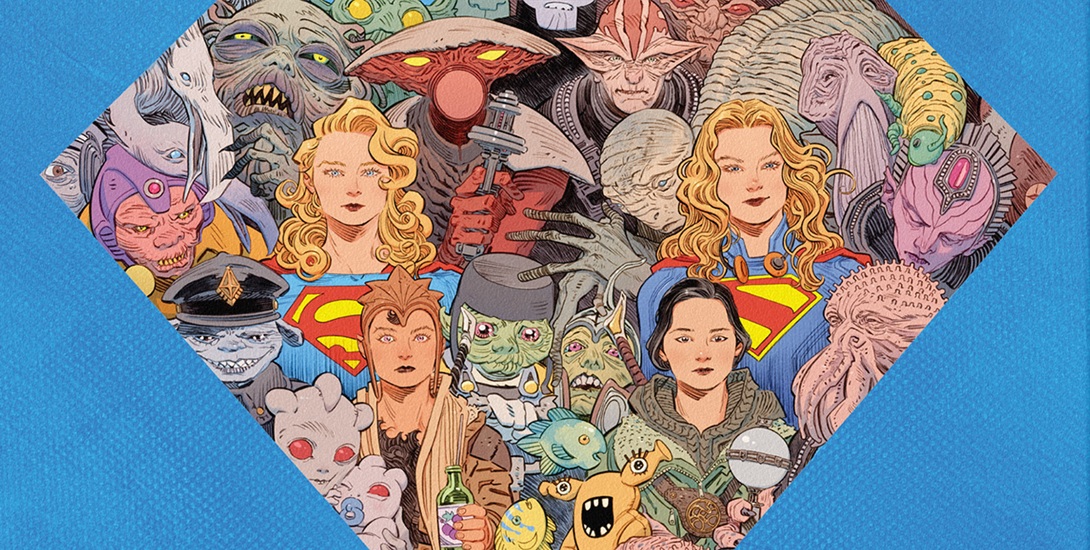
Bilquis Evely’s distinctive cover art for From Comic to Screen: The Art of Supergirl itself signals the book’s intention, likely blending elements that symbolize both the comic’s aesthetic and the film’s new direction. Her contribution extends beyond the comic’s internal pages, affirming her pivotal role in defining the character’s contemporary visual identity. The inclusion of her work alongside early cinematic explorations within the book promises to highlight the visual continuity and evolution that is central to the project’s thesis.
Supergirl’s Enduring Legacy: A Chronological Journey
To fully appreciate the scope of From Comic to Screen: The Art of Supergirl, it is essential to contextualize Kara Zor-El’s long and varied history within the DC Universe. Supergirl first appeared in Action Comics #252 in May 1959, created by Otto Binder and Al Plastino. As Superman’s cousin, also a survivor of Krypton, her initial role was often defined by her relationship to the Man of Steel. However, over the decades, she has evolved significantly, undergoing numerous reboots, reimaginations, and shifts in her characterization.
Key Milestones in Supergirl’s History:
- 1959: Debuts in Action Comics #252.
- 1985-1986: Sacrifices herself in Crisis on Infinite Earths, a pivotal event that removed her from continuity for a period, emphasizing the profound impact she had.
- Late 1980s – 1990s: Various iterations, including a "Matrix" Supergirl (a protoplasmic entity from a pocket dimension) and an angel-like "Linda Danvers" Supergirl, showcased attempts to reinvent the character outside of her traditional Kryptonian origins.
- 2004: Jeph Loeb and Michael Turner reintroduce Kara Zor-El in Superman/Batman #8, bringing her back as Superman’s biological cousin from Krypton, largely restoring her classic origin with a modern sensibility. This version proved highly popular and led to her own ongoing series.
- 2011: The New 52 reboot presents a younger, more alienated Supergirl struggling to adapt to Earth after Krypton’s destruction, emphasizing her isolation and immense power.
- 2015-2021: The Rebirth era saw a more optimistic Supergirl, reconnecting with her human identity as Kara Danvers, coinciding with the popularity of the live-action Supergirl television series.
- 2021-2022: Supergirl: Woman of Tomorrow by Tom King, Bilquis Evely, and Matheus Lopes offers a profound, critically acclaimed reinterpretation that directly inspires the new DCU film.
- 1984: The character’s first live-action feature film, starring Helen Slater, offered a charming but commercially unsuccessful portrayal.
- 2007-2011: Laura Vandervoort portrays a recurring Supergirl on The CW’s Smallville, exploring her early years and struggles.
- 2015-2021: Melissa Benoist stars as Kara Danvers/Supergirl in The CW’s hugely successful Supergirl television series, which ran for six seasons and was a cornerstone of the "Arrowverse."
This rich tapestry of history highlights Supergirl’s enduring appeal and her capacity for reinvention. The upcoming DC Studios film and the accompanying art book signify another monumental chapter in this evolution, building directly on the narrative and aesthetic foundations laid by Woman of Tomorrow.
DC Studios’ Vision: A Cohesive Universe and the Role of Art
The new Supergirl film is a cornerstone of James Gunn and Peter Safran’s "Gods and Monsters" chapter, the inaugural phase of the revamped DC Universe (DCU). This new cinematic universe is designed for unprecedented connectivity between film, television, animation, and video games, moving away from the more disjointed approach of previous DC film efforts. By explicitly tying the Supergirl film to Woman of Tomorrow, DC Studios is signaling a commitment to drawing directly from acclaimed comic book narratives, ensuring that the source material’s integrity and creative spirit are honored in the adaptation process.
The introduction to From Comic to Screen: The Art of Supergirl, penned by DC Studios itself, is expected to articulate this overarching vision. It will likely detail the strategic importance of Supergirl within the new DCU, perhaps hinting at her role and thematic significance in the broader narrative tapestry being woven. This introduction will serve as an official statement on the studio’s approach to character adaptation and universe building, emphasizing the collaborative spirit that spans across DC Comics and DC Studios.
Conversely, Jim Lee, the President, Publisher, and Chief Creative Officer of DC Comics, will provide the afterword. Lee’s perspective, as a legendary comic artist and a steward of DC’s comic legacy, will undoubtedly offer a reflective look at Supergirl’s enduring relevance. His afterword is anticipated to celebrate the character’s history while underscoring the vital role of comic book creators in shaping the foundational narratives and visuals that inspire subsequent adaptations. It will likely reinforce the idea that the "rebirth" of Supergirl in the DCU is deeply rooted in her trailblazing comic book history.
The Significance of "The Art Of" Books in Modern Fandom
"The Art Of" books have become a staple in the entertainment industry, particularly for major film and comic book releases. These volumes serve multiple crucial functions:
- Documentation of Creative Process: They offer a historical record of the artistic journey, from initial concept to final product, preserving the ephemeral stages of creative development.
- Educational Value: For aspiring artists, writers, and filmmakers, they provide invaluable lessons in design, storytelling, and adaptation techniques.
- Enhanced Fandom Engagement: They allow fans to delve deeper into the worlds they love, appreciating the intricate details and the immense effort that goes into bringing these stories to life.
- Promotional Tool: They build anticipation for upcoming releases, offering tantalizing glimpses while educating audiences about the inspirations and creative choices behind a project.
- Collector’s Item: As high-quality, often limited-edition hardcovers, they are prized possessions for collectors and enthusiasts.
From Comic to Screen: The Art of Supergirl exemplifies these functions perfectly. It is not just an ancillary product but an integral part of the launch of the new Supergirl film and the broader DCU. It validates the artistic merit of Supergirl: Woman of Tomorrow by showcasing its direct influence and provides a unique educational resource on the challenges and artistry of comic-to-screen adaptation.
Implications for the DC Universe and Beyond
The release of From Comic to Screen: The Art of Supergirl holds several significant implications:
- Reinforcement of DCU Cohesion: It underscores DC Studios’ commitment to a unified narrative and aesthetic vision, where comic book stories directly inform cinematic endeavors. This is a crucial differentiator from previous DC film strategies.
- Elevation of Comic Book Artistry: By dedicating a substantial volume to the artistic dialogue between comic and film, it elevates the perception of comic books as serious, influential art forms, not merely source material to be loosely adapted.
- Fandom Bridge: The book acts as a powerful bridge between comic book readers and filmgoers, encouraging film fans to explore the source material and comic fans to appreciate the adaptation process.
- Setting a Precedent: This direct, explicit connection and celebratory art book may set a precedent for how other DCU projects are developed and presented, particularly those directly inspired by specific comic runs.
- Academic Resource: For future studies on superhero media, adaptation theory, and visual culture, this book will be an invaluable primary source, documenting a major character’s contemporary transformation.
The 2026 release year for both the film and the art book highlights a rare creative convergence for Supergirl. The film’s premiere in June, followed by the art book in September, creates a synergistic release strategy, allowing fans to experience the cinematic narrative and then immediately delve into the intricate artistic journey that brought it to fruition. This staggered release allows for extended engagement and provides a deeper appreciation for the creative efforts involved.
Publication Details and Availability
From Comic to Screen: The Art of Supergirl is a substantial hardcover volume, measuring 9 1/8 inches by 10 7/8 inches and comprising 224 pages. It is written by James Field, with a striking cover by Bilquis Evely. The book will retail for $49.99 and carries the ISBN 978-79951-712-2. It is scheduled to be available wherever books are sold starting September 29, 2026. This comprehensive publication is poised to become an indispensable addition to the collection of any DC enthusiast, offering a rare and illuminating look at the creative alchemy behind one of the most iconic characters in the superhero pantheon. It stands as both a celebration of Supergirl’s enduring legacy and a testament to the artists, writers, and filmmakers who continue to shape her vital place in the ever-expanding DC Universe.