Exploring the BEAM YouTube Channel and the Digital Preservation Efforts of Roddenberry Entertainment

The landscape of Star Trek fandom and historical preservation has undergone a significant digital transformation with the launch and expansion of BEAM, a dedicated YouTube channel curated by Roddenberry Entertainment. As the official production entity founded by the late Gene Roddenberry, the organization has pivoted toward a content strategy that blends original programming with the archival exploration of the franchise’s six-decade history. This initiative serves as both an entertainment hub for the modern fan base and a centralized repository for artifacts that defined the science fiction genre, bridging the gap between legacy media and contemporary digital storytelling.
The Genesis and Mission of BEAM
BEAM was established to function as an expansive digital home for original programming, specifically designed to delve into the legacy and future of the Star Trek universe. By leveraging the Roddenberry estate’s unique access to behind-the-scenes materials, the channel aims to provide in-depth narrative perspectives that move beyond standard commentary.
The strategy behind the channel is threefold: the production of fandom-focused episodic content, the analysis of narrative themes through professional critique, and the maintenance of a digital museum—the Roddenberry Archive—which highlights physical memorabilia. By collaborating with established industry figures, such as Jessica Lynn Verdi, host of the Mission Log podcast, and various guest contributors, Roddenberry Entertainment has created a collaborative ecosystem that integrates diverse voices from within the Star Trek journalistic community.
Ranking with Roddenberry: Analytical Frameworks
One of the core pillars of the BEAM channel is the original series Ranking with Roddenberry. This program utilizes a comparative methodology to evaluate various facets of the Star Trek franchise. By applying a rubric that spans from “Ensign” to “Admiral,” the series encourages viewers to reconsider the critical standing of specific episodes, characters, and thematic arcs.
Recent analytical entries on the channel have focused on underappreciated cinematic entries, such as the retrospective on five Star Trek films that often escape critical acclaim. By shifting the focus toward the narrative strengths and technical achievements of these films, the series provides a framework for re-evaluating the franchise’s trajectory. Furthermore, the show frequently addresses character depth, specifically challenging established archetypes, such as the common reductionist view of Captain James T. Kirk. By contextualizing the character within the social and political landscape of the 1960s, the series posits that Kirk was, and remains, a progressive figurehead.
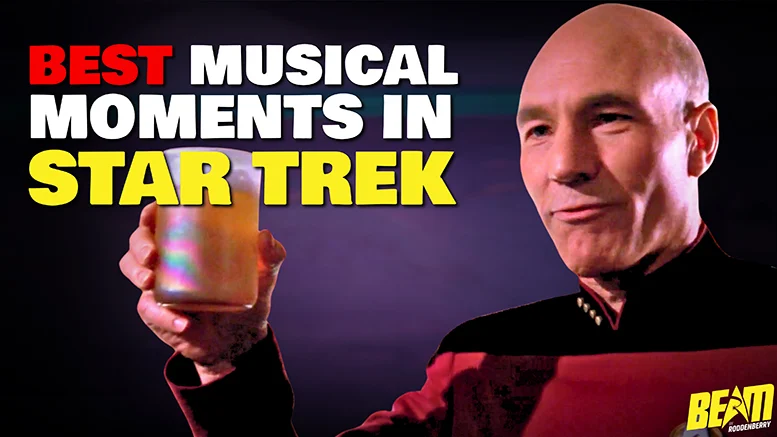
Beyond character analysis, the channel explores the systemic elements of the Star Trek universe, such as the ranking of "worst jobs" within Starfleet. This topic, which has gained significant traction following its exploration in animated series like Star Trek: Lower Decks, allows for a grounded, humorous, and sociological look at the working conditions of the franchise’s secondary characters. Musical history also features prominently, with dedicated deep dives into the most memorable musical moments across the various series, often excluding high-profile viral episodes like "Subspace Rhapsody" to highlight the broader spectrum of creative sound design throughout the franchise’s history.
The Roddenberry Archive: Archival Preservation and Historical Context
The second major component of the BEAM initiative is the Inside the Roddenberry Archive series. This production is grounded in the practice of institutional memory, focusing on the preservation and exhibition of rare artifacts. The historical significance of this endeavor cannot be overstated, as the items within the collection represent the physical foundation of the television industry’s most enduring sci-fi legacy.
Recent highlights from the archive include:
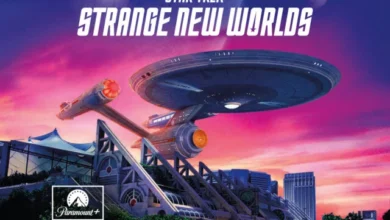
- The Enterprise Restoration: The return of the original studio model of the USS Enterprise to the Roddenberry family collection, a milestone for fans of television history and model-making.
- Weaponry Evolution: Detailed examinations of the Bat’leth, the iconic Klingon weapon, showcasing the iterative design process that transformed it from initial concept art to the screen-used prop.
- Manuscript History: The display of original scripts featuring handwritten annotations by Majel Roddenberry, offering a window into the collaborative and often rigorous drafting process that characterized early production cycles.
These videos often feature guest experts, including renowned Star Trek historians and technical consultants such as Mike and Denise Okuda, as well as noted industry professionals like Dan Curry and Ben Robinson. These experts provide the necessary technical context to verify the provenance of these items, ensuring that the archive serves as a reliable historical record rather than merely a collection of memorabilia.
Supporting Data and Industry Collaboration
The success of BEAM is largely attributed to its collaborative model. By partnering with organizations such as The Nacelle Company and various influential creators like Jesse Gender, Roddenberry Entertainment has effectively integrated its channel into the broader digital discourse. This collaborative network allows for cross-pollination of audiences, as fans of legacy commentary, like the Mission Log reaction videos, are introduced to the archival content, and vice versa.
From a data-driven perspective, the shift toward "long-form analysis" on platforms like YouTube represents a pivot in how intellectual property holders engage with their fan base. While traditional marketing relies on short-form promotional content, the BEAM channel utilizes a high-engagement model. By producing content that is specifically designed to be "evergreen," the channel ensures sustained viewership metrics, as these retrospective and analytical videos remain relevant to fans long after their initial release.
Implications for Franchise Management
The implications of the Roddenberry Archive project are significant for the broader entertainment industry. As studios increasingly look to leverage their "back catalogs," the model established by Roddenberry Entertainment provides a blueprint for how to maintain audience interest in legacy properties. By transforming historical artifacts into accessible content, the estate is effectively managing the brand’s equity.
Furthermore, the emphasis on "behind-the-scenes" access serves as a counter-measure to the rise of misinformation regarding production histories. By presenting primary sources—such as original scripts, internal memos, and prop-testing footage—the archive serves as the final authority on the development of the Star Trek universe. This authoritative stance not only reinforces the prestige of the Roddenberry name but also fosters a deeper, more educated level of engagement among the global fan base.
Broader Impact and Future Outlook
The BEAM channel currently stands as a comprehensive digital ecosystem that serves both the casual viewer and the academic researcher of television history. Its dual focus on subjective analysis (via Ranking with Roddenberry) and objective preservation (via the Roddenberry Archive) creates a balanced output that caters to the evolving needs of the modern viewer.
As the Star Trek universe continues to expand with new streaming series and cinematic projects, the role of BEAM as a bridge to the past becomes increasingly vital. By maintaining the integrity of the franchise’s history while providing a platform for critical discourse, Roddenberry Entertainment is ensuring that the legacy of Gene and Majel Roddenberry remains relevant in an era of rapid content consumption. The ongoing efforts of these contributors, including Jay Stobie and Jessica Lynn Verdi, continue to shape how the next generation of fans will perceive the foundational pillars of Star Trek. As the repository grows, so too does the opportunity for fans to participate in the ongoing conversation regarding the future of the franchise, ensuring that the "mission" continues well into the digital age.