The Walking Dead Surrounded Brings the Iconic Zombie Apocalypse to the World of Compact Wallet Games

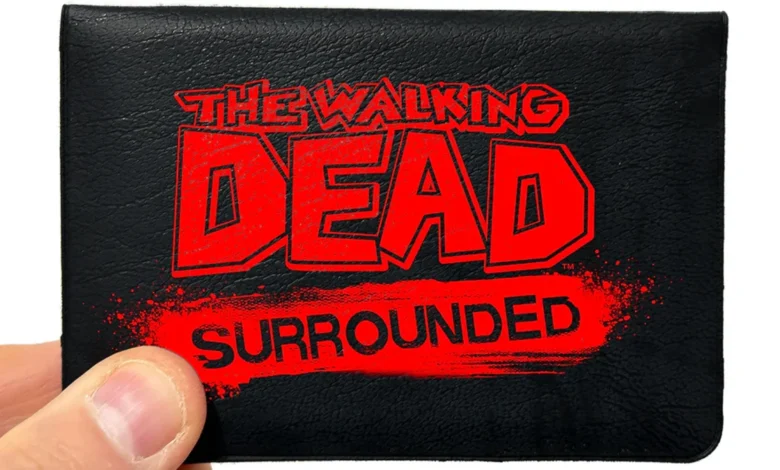
The Walking Dead franchise, a cultural phenomenon that redefined the horror genre for a new generation, has officially entered the world of tabletop gaming through a new, ultra-portable The Walking Dead: Surrounded. Developed by Button Shy Games in collaboration with Skybound Entertainment, this cooperative card game distills the high-stakes tension of Robert Kirkman’s seminal comic book universe into a format small enough to fit inside a pocket. As the franchise marks over two decades of existence, this release represents a strategic shift toward accessible, "micro-game" experiences that cater to both hardcore fans and casual tabletop enthusiasts.
A Legacy of Survival: The Origins of a Cultural Icon
To understand the significance of The Walking Dead: Surrounded, one must look back at the franchise’s humble beginnings. Created by Robert Kirkman and artist Tony Moore, the original comic book series debuted in October 2003 under Image Comics. It was a stark departure from typical zombie narratives of the era; rather than focusing solely on the "how" of the outbreak, Kirkman focused on the psychological toll of sustained survival.
The series became a global juggernaut following its 2010 adaptation by AMC. The television series, which ran for eleven seasons, transformed the "walker" from a niche horror trope into a household name. This success spurred an entire ecosystem of intellectual property, including spin-offs such as Fear the Walking Dead (2015), The Walking Dead: World Beyond (2020), and the more recent Dead City (2023). Beyond the screen, Telltale Games’ 2012 interactive narrative series set a new benchmark for emotional storytelling in video games, proving that the brand was highly adaptable across various media formats. The introduction of The Walking Dead: Surrounded into this ecosystem is a logical evolution, bringing the franchise into the burgeoning market of "wallet games"—a category that prioritizes portability and minimalist design without sacrificing thematic depth.
Mechanics of the Apocalypse: How Surrounded Functions
The Walking Dead: Surrounded is designed for one to four players, positioning the group in a desperate race for survival within an ever-expanding, procedurally generated map. Unlike traditional board games that require large tables and complex setups, Surrounded utilizes a set of cards that serve multiple purposes: locations, resources, survivors, and threats.
The core gameplay loop centers on resource management and spatial awareness. Players navigate a grid of location tiles, each potentially concealing vital supplies needed to sustain the group. However, the game employs a "push-your-luck" mechanic; flipping a tile to search for resources carries the inherent risk of uncovering a horde of walkers.
A critical component of the game is the recruitment system. Players may encounter cards featuring key survivors or faction leaders. These cards act as force multipliers. Survivors provide passive bonuses and scavenging efficiency, while leaders offer unique tactical abilities. The challenge, however, lies in the interpersonal friction—if the player group fails to manage their morale or resources effectively, the internal conflicts inherent to The Walking Dead lore manifest as mechanical penalties. This mirrors the series’ central thesis: that the living are often a greater threat than the dead.
The Rise of the Wallet Game Phenomenon
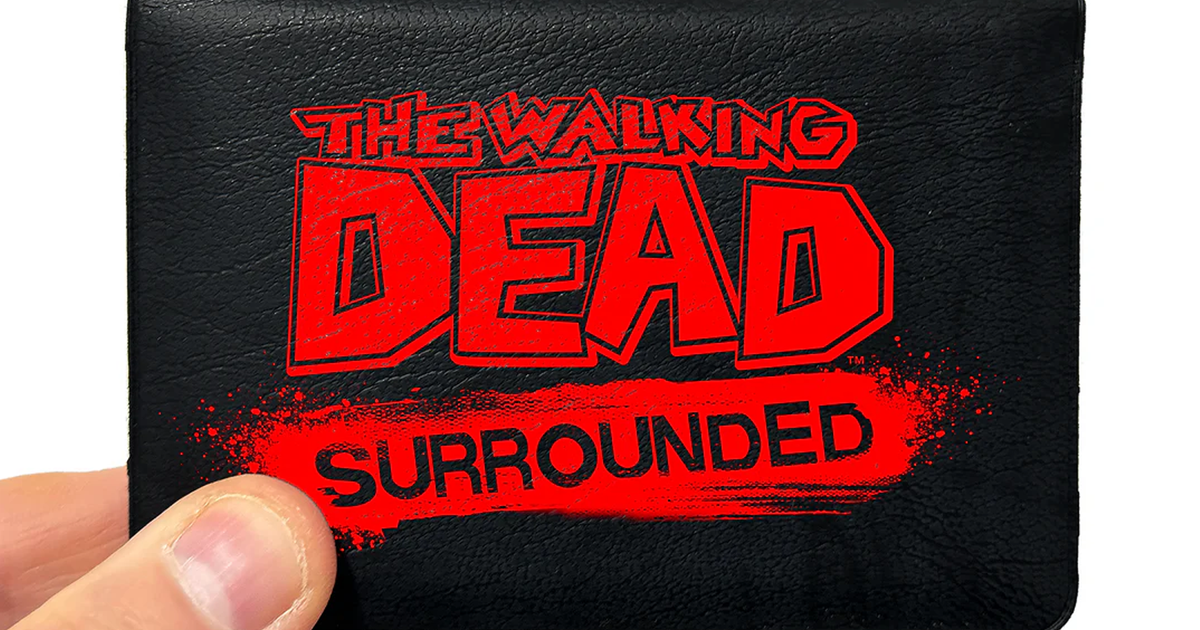
Button Shy Games has carved out a unique niche in the tabletop industry by specializing in games packaged in small, vinyl wallets, typically containing exactly 18 cards. This format has gained significant traction among gamers who prioritize portability and low barrier-to-entry pricing. The decision to partner with Skybound Entertainment for a major IP like The Walking Dead signifies a maturation of this niche market.
For many consumers, the appeal of a "wallet game" is the ability to carry a full-featured cooperative experience to a coffee shop, a flight, or a convention without the logistical burden of a traditional board game box. The Walking Dead: Surrounded is priced at approximately £10 ($12), making it a highly accessible entry point for fans of the show who may not consider themselves "board gamers." The additional release of the "Under Siege" expansion, priced at £4 ($5), provides further longevity by adding new scenarios and threat levels, ensuring that the game remains replayable even after the initial mechanics have been mastered.
Strategic Implications and Market Analysis
The release of Surrounded highlights a broader trend in the tabletop industry: the "miniaturization" of major intellectual properties. As the cost of paper, manufacturing, and logistics rises, publishers are increasingly looking for ways to deliver value through high-density design. Button Shy’s business model relies on the economy of scale provided by their standardized 18-card format, which significantly reduces manufacturing overhead.
From a market perspective, this is a calculated move. The Walking Dead fanbase is vast but aging, and many original readers are now looking for gaming experiences that fit into their busy, adult lives. By offering a game that can be played in under 30 minutes, Button Shy is capturing an audience that might otherwise be intimidated by the multi-hour "dungeon crawler" board games that typically characterize licensed horror titles.
Furthermore, the cooperative nature of the game serves as a social hook. By forcing players to communicate and plan together, the game replicates the "group survival" dynamic that fans have watched for years on television. This alignment between gameplay mechanics and narrative themes is a hallmark of successful licensed products.

Chronology of Development
The journey to bringing The Walking Dead to the tabletop space has been long and varied, but the partnership with Button Shy marks a distinct milestone.
- 2003: Robert Kirkman launches The Walking Dead comic series.
- 2010: The AMC television series premieres, cementing the IP’s global dominance.
- 2012: Telltale Games releases the award-winning The Walking Dead interactive series, proving the brand’s viability in gaming.
- 2020-2023: Expansion of the franchise through various spin-offs, maintaining consistent brand awareness.
- 2024: Button Shy Games and Skybound Entertainment announce the release of The Walking Dead: Surrounded, targeting the portable gaming demographic.
Evaluating the Impact
While it is too early to measure the long-term impact of Surrounded on the tabletop market, the initial response from the enthusiast community has been positive. The game has been noted for its "table presence" despite its small size—a feat achieved through effective graphic design and art direction that uses official promotional assets from the franchise.
The implications for the broader tabletop industry are clear: licensed games no longer need to be massive, expensive "all-in" boxed sets to be successful. By focusing on a tight, thematic core, developers can provide a meaningful experience that respects both the source material and the player’s time.
For the casual observer, The Walking Dead: Surrounded serves as a testament to the enduring power of the brand. Even decades after its debut, the story of Rick Grimes and the survivors of the apocalypse remains a touchstone for horror fans. Whether played solo or with a group of friends, the game offers a tactile, portable way to engage with a world that has kept audiences on the edge of their seats for over twenty years.
As the industry continues to evolve, the success of titles like Surrounded will likely encourage other publishers to explore the wallet-game format for their own licensed properties. For now, players looking to test their own survival skills can find The Walking Dead: Surrounded, along with its "Under Siege" expansion, directly through the Button Shy Games online storefront. The game stands as a reminder that even in a world overrun by the undead, the most important tools for survival are preparation, cooperation, and the ability to adapt to a changing, and often unforgiving, environment.