City of Six Moons is an upcoming solo board game that challenges players to decipher an alien language to learn its rules.

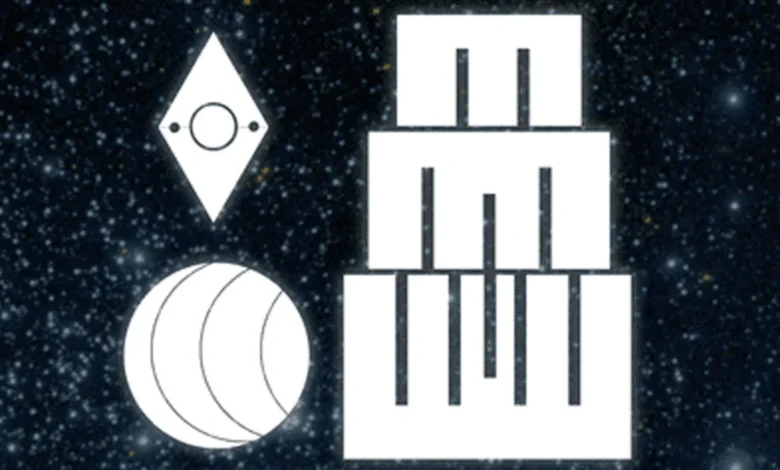
The landscape of modern tabletop gaming is defined by an increasing complexity in rulebooks, with publishers often striving for maximum clarity to ensure accessibility. However, the upcoming release City of Six Moons, published by Hollandspiele, stands in stark opposition to this trend. Designed by Amabel Holland, the game is set to arrive in the coming month with a rulebook written entirely in an alien language comprised of symbols, glyphs, and icons. This design choice transforms the prerequisite of learning a game’s mechanics into an immersive, archaeological-style investigation, forcing players to decode the language before they can even begin to understand the objective of the game itself.
The Philosophy of Alien Design
The central conceit of City of Six Moons is not merely thematic; it is a fundamental pillar of the game’s architecture. Amabel Holland has conceptualized the project as a simulation of a genuine artifact. By removing the safety net of human-readable instructions, the designer is stripping away the cultural familiarity that players typically bring to a tabletop experience. In this context, the "rulebook" becomes a primary puzzle in its own right, requiring the player to evaluate the components and the text through the lens of a civilization that functions on different logical and societal parameters.
According to statements provided by Holland on social media platforms, the goal is to cultivate a specific emotional response in the player—a sense of profound, lingering discovery. The act of deciphering is not an incidental hurdle; it is the core experience. Once the code is cracked, the game transitions from a mysterious, unfolding enigma into a functional, replayable solitaire experience. Holland acknowledges that this process fundamentally alters the player’s relationship with the game. Once the "secret" of the language is unveiled, the initial mystery is lost, a transition that the designer describes as a deliberate and intended outcome.
Chronology of the Project
The development of City of Six Moons reflects a growing trend in indie game design where the boundaries between the medium and the message are intentionally blurred. While specific development milestones have not been publicly disclosed in detail, the project has garnered significant attention within the enthusiast community through its unconventional marketing and design approach.
- Early Conceptualization: The project was developed under the Hollandspiele label, co-owned by Amabel and Mary Holland, a publisher known for its commitment to historical simulations and high-concept tabletop experiences.
- Announcement and Teasers: Through early 2024, teasers regarding the game’s unique linguistic barrier began to circulate on platforms like BoardGameGeek and Bluesky.
- Imminent Release: The game is scheduled for a broad release in the coming month, marking a significant moment for the publisher as they transition from historical wargaming into highly experimental, single-player abstract experiences.
The Mechanics of Silence
One of the most provocative aspects of this release is the designer’s stated policy regarding player support. In the modern era of board games, it is standard for publishers to host FAQ documents, errata pages, and community forums where players can seek clarification on edge cases. Holland has explicitly stated that she will refuse to answer any questions regarding the rules.
This policy forces players to rely entirely on their own intuition and their ability to internalize the logic of the alien language. This creates a high barrier to entry, but it also elevates the status of the player. In the absence of an "official" explanation, the player’s interpretation of the rules effectively becomes the authoritative version for their session. This empowers the user to engage with the game as an independent explorer rather than a passive consumer following instructions.
Market Context and Industry Implications
The tabletop gaming industry has seen an explosion in the popularity of "solo-only" games over the last five years. Data from industry analysts suggests that the solo board game market grew by approximately 15% annually between 2020 and 2023, spurred largely by the COVID-19 pandemic and a shift toward domestic leisure activities. While many of these games focus on optimizing engine-building mechanics or narrative roleplay, City of Six Moons represents a niche, avant-garde segment of the market that prioritizes psychological and cognitive challenges over traditional entertainment metrics.
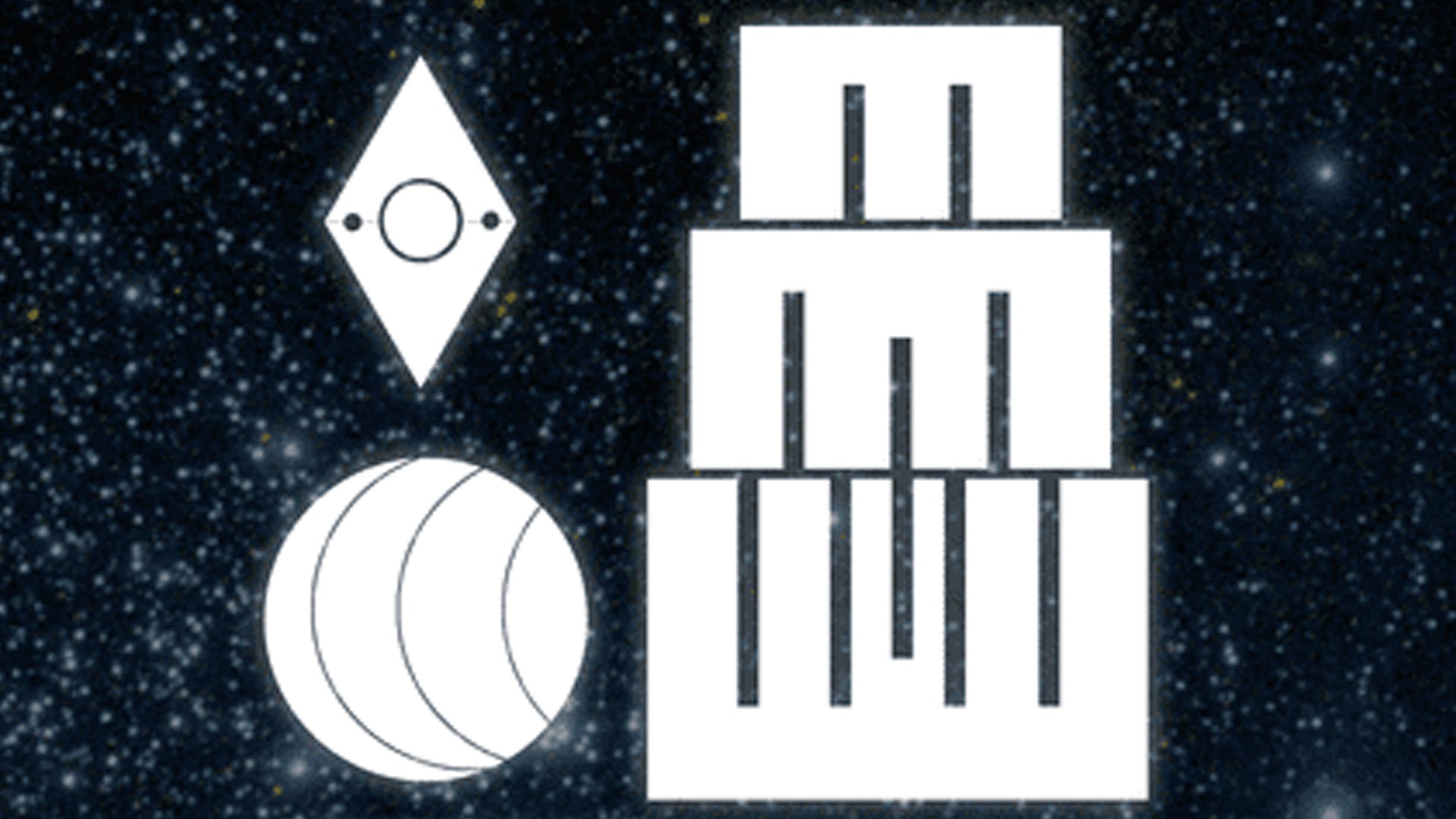
The decision to publish a game that is, by design, "inaccessible" is a bold financial move. From a publishing standpoint, the risk lies in player frustration. If the linguistic barrier is too high, or if the "payoff" of playing the game does not justify the time spent decoding the rules, the product may struggle to find a long-term audience. However, the prestige of the Hollandspiele label, coupled with the rarity of such experimental design, suggests that the game will likely find a dedicated following among hobbyists who view board games as intellectual, artistic, or even literary projects.
Analysis: The Ethics of Obfuscation
From a critical perspective, the design of City of Six Moons challenges the prevailing industry standard that equates "good design" with "clarity." By intentionally obfuscating the rules, the game asks the player to participate in the creative process. It is a form of interactive literature.
However, this approach also introduces questions regarding accessibility. For players who struggle with complex systems or those with cognitive disabilities, the removal of clear instruction could be a significant barrier to entry. Yet, the publisher seems to be targeting a specific demographic: those who value the process of discovery above all else.
Furthermore, the game’s reliance on iconographic language suggests a universalist approach to communication. If the icons are designed well enough, they might rely on semiotics—the study of signs and symbols—rather than linguistic fluency. This could potentially allow the game to transcend language barriers, provided the player is willing to engage in the logic of the symbols provided.
The Role of the Componentry
While the rulebook is the most discussed element of the game, the physical components remain a secondary point of interest. In traditional games, components are labeled to match the rules. In City of Six Moons, the assumption is that the components will either be abstract enough to be self-explanatory or that they will be marked with the same alien glyphs. This creates a closed-loop system where the physical pieces act as the glossary for the rulebook.
The artwork, as revealed in promotional materials, suggests a high-quality production standard consistent with the Hollandspiele catalog. The aesthetic is intended to immerse the player in the alien setting, likely using color palettes and shapes that evoke a sense of the "other." The synergy between the artwork and the cryptic rules is expected to be the final piece of the puzzle.
Conclusion: A Shift in Tabletop Paradigms
As the release date for City of Six Moons approaches, the board game community remains divided between skepticism and anticipation. Some critics argue that the game is a "gimmick," while others see it as a necessary evolution of the medium, pushing games into the realm of high art.
Regardless of the commercial outcome, the project serves as a landmark moment in the history of tabletop game design. It forces the industry to confront the possibility that the rulebook is not just a manual, but a narrative device that can be used to set the tone, pace, and mystery of the experience. Whether players will successfully decipher the language or find themselves lost in the "city of six moons" remains to be seen, but the journey to understand the rules will undoubtedly be as significant as the game itself. For the player, the true victory may not be winning the game, but the act of understanding the alien logic that sustains it.
Related posts: