Freak War: A New Hybrid Card Game Blending Trading Card Mechanics with Accessible Party Play

The landscape of tabletop gaming is undergoing a significant shift as independent developers move away from the high barrier to entry associated with traditional trading card games (TCGs) in favor of pick-up-and-play party experiences. The latest entrant in this category is Freak War, a card game developed by cartoonist Nate Galbraith under the Sheltonshire Games label. Designed to occupy the space between the strategic depth of long-standing TCGs like Pokémon and the rapid-fire, chaotic nature of modern party games like Exploding Kittens, Freak War seeks to democratize the hobby by eliminating complex deck-building requirements while retaining the thrill of monster-based combat.
Origin and Conceptual Development
The genesis of Freak War can be traced to a casual observation by Galbraith, known in creative circles as "sketchnate." While observing children attempting to emulate the mechanics of Pokémon trading card battles using standard Uno cards, Galbraith noted the inherent difficulty in translating a complex, rule-heavy system into a spontaneous playground environment. When he suggested they pivot to the classic playing card game "War"—also known as "Battle"—the children found a functional, albeit visually dull, alternative.
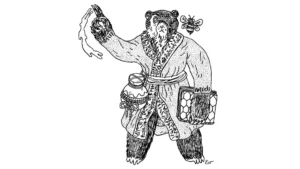
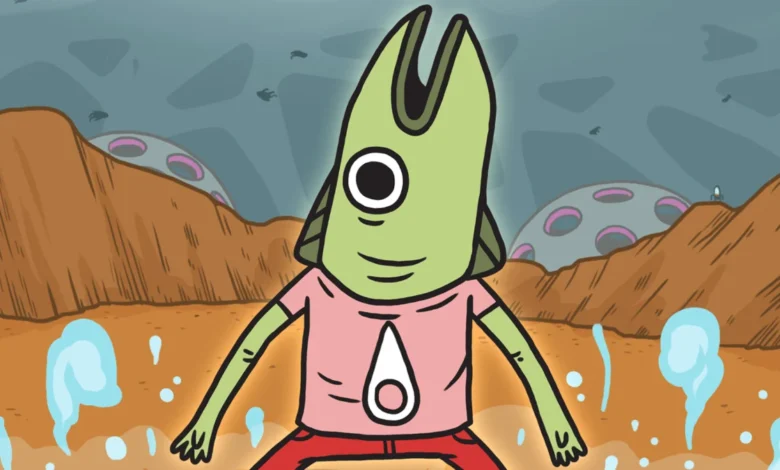
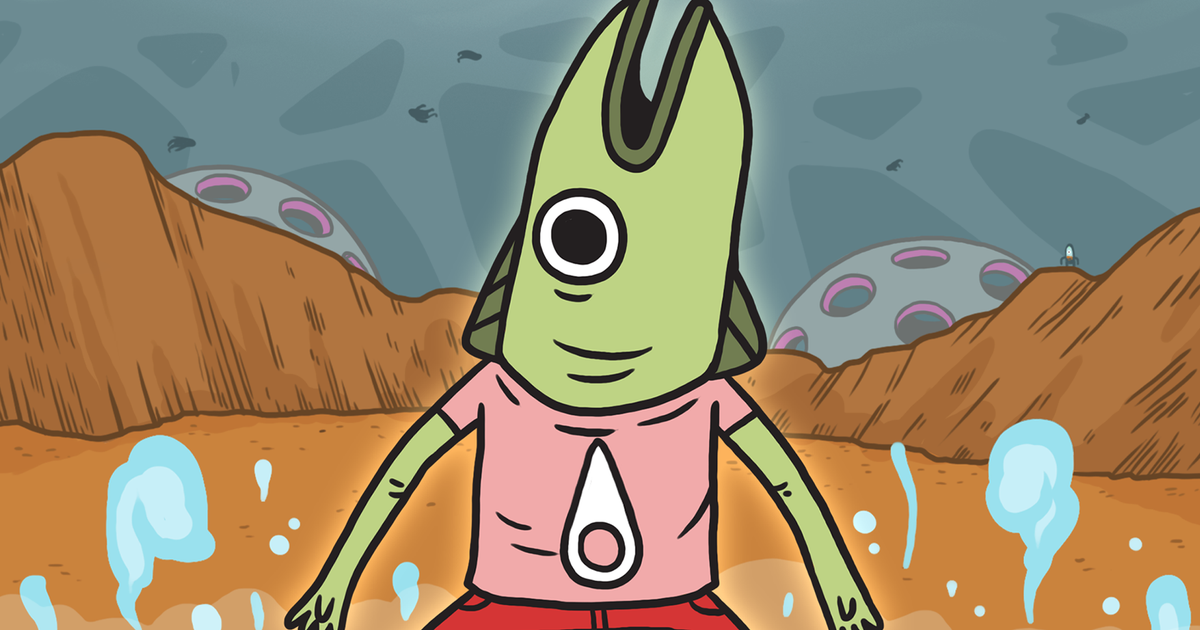
Galbraith recognized a gap in the market for a game that utilized the simplicity of War but incorporated the visual allure and excitement of evolving monsters and tactical modifiers. Over the following months, he developed a roster of bizarre, mutated creatures—ranging from buff fish-people to time-traveling tigers—to populate a deck that functions as both a tactical tool and a narrative canvas. By merging the "draw and play" simplicity of traditional card games with the "take-that" mechanics prevalent in modern party gaming, Galbraith effectively bridged two distinct gaming demographics.
Mechanics and Gameplay Structure
Freak War is built upon a foundation of flexibility. Unlike most TCGs, which require players to spend hours refining decks and studying meta-game statistics, Freak War allows for immediate engagement. A standard game supports up to four players, though the modular nature of the deck allows for larger groups. The core gameplay loop involves each player placing a creature card on the table simultaneously; the player with the highest attack value claims the pot.
The strategic depth is introduced through modifier cards and evolutionary stages. Players can augment their creatures with items such as the "Super Sword" or "Super Duper Sword," or utilize special effects to manipulate the board state. If two players tie in attack power, the game triggers a secondary conflict, requiring participants to discard cards and engage in a follow-up battle to resolve the stalemate. The victor of the round collects the played cards, adding them to their own deck, with the ultimate goal being the acquisition of the entire pool of cards.
The game offers two primary modes of play: "War" and "Battle." The "War" mode leans into pure, randomized chaos, where players simply flip the top card of their deck. In contrast, "Battle" mode allows players to exercise more agency by selecting creatures from their hands. Furthermore, the game includes rules for "King of the Hill" and team-based play, providing longevity for players who wish to explore deeper tactical variations beyond the base ruleset.
Lore and Visual Identity
Central to the appeal of Freak War is its distinct aesthetic, which features a lore-rich universe born from a cataclysmic event: the emergence of a second sun. This celestial anomaly serves as the justification for the game’s "freak" inhabitants. Animals familiar to the average person have been warped into absurd, muscular, or surreal versions of themselves.
The creature designs are intentionally playful and occasionally meta. For instance, the "Fly Guy" creature receives a power boost if there is actual, uneaten food present in the gaming area, a design choice that underscores the game’s intent as a social, party-centric experience. The card layout is a clear homage to the design language of the Pokémon TCG, utilizing a familiar structure that provides immediate visual shorthand to anyone who has engaged with major collectible card games in the past.
Crowdfunding Success and Market Context
The project’s launch on Kickstarter was met with immediate success, exceeding its initial $10,000 funding goal within a short timeframe. This response reflects a broader trend in the tabletop industry, where niche, lower-cost games are seeing increased interest from backers who are weary of the high-investment nature of major TCG franchises. As of the current campaign timeline, the project is scheduled to conclude on June 13th, with physical distribution to backers projected for June of the following year.
The $20 price point per deck places the game firmly in the "impulse buy" category, positioning it as an accessible alternative to more expensive hobbyist games. By offering various expansion packs featuring diverse creatures, Sheltonshire Games is utilizing a business model that mimics the collectible nature of Pokémon or Magic: The Gathering, but without the mandatory financial or temporal commitment.
Broader Implications for the Tabletop Industry
The emergence of Freak War highlights a growing fatigue among gamers regarding the "arms race" of competitive TCGs. Many established games in the genre suffer from power creep—a phenomenon where new cards are consistently stronger than older ones, effectively forcing players to constantly upgrade their collections to remain competitive. By focusing on a "party TCG" format, Freak War offers a refreshing alternative that prioritizes social interaction and humor over rigid, competitive optimization.

Analysts in the board gaming space note that the success of such titles often signals a pivot toward "asymmetrical fun." Where titles like Cards Against Humanity once dominated the party game market through shock value and adult humor, the current market is trending toward games that offer high-quality illustration and approachable mechanics that can be enjoyed across multiple generations. Freak War’s ability to function as a simple game of chance while offering optional strategic depth makes it a versatile tool for various social settings.
Strategic Outlook and Future Expansion
As the crowdfunding campaign enters its final stages, the focus for Sheltonshire Games shifts toward production logistics and the fulfillment of international orders. The decision to include meta-commentary on modern monster-collection tropes suggests that Galbraith is keenly aware of the gaming culture he is parodying. This self-awareness is a key driver of the game’s potential longevity; by keeping the tone light and the barriers to entry low, the developers are hedging against the common pitfalls of indie tabletop projects that often struggle to maintain community engagement post-launch.
The inclusion of different creature packs—ranging from "buff penguins" to "cute snails"—indicates a clear roadmap for post-launch support. This modular release strategy allows the developer to keep the game fresh without overwhelming new players with a massive, front-loaded rulebook. Furthermore, the game’s ability to be played with a standard shuffled deck or a custom-built one ensures that it can cater to both the casual player who wants a quick round and the hobbyist who enjoys the process of curation.
Ultimately, Freak War represents a deliberate effort to capture the "fun" of the trading card game experience while stripping away the administrative burden that keeps many potential players at arm’s length. Whether or not it achieves the long-term cult status of its inspirations remains to be seen, but its early financial performance suggests that there is a significant audience hungry for games that do not demand perfection, but rather, simply promise a good time. With a release window set for the upcoming summer season, the game is well-positioned to capitalize on holiday gatherings, cementing its role as a potential staple for casual game nights in the coming year.
Related posts: