A Landmark Reveal for a Golden Anniversary
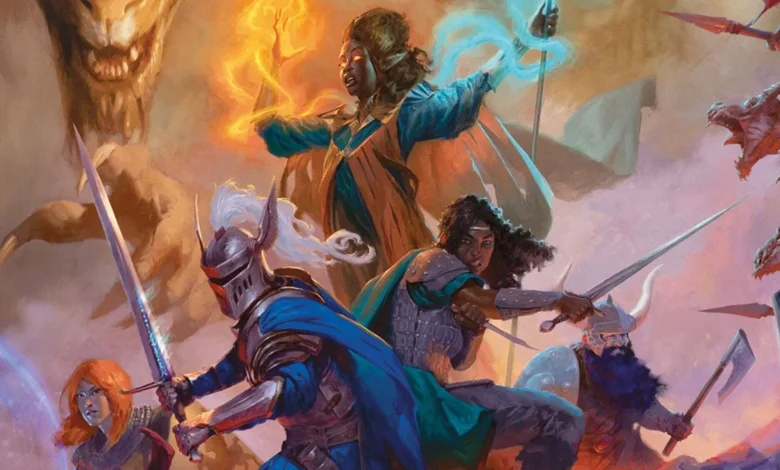
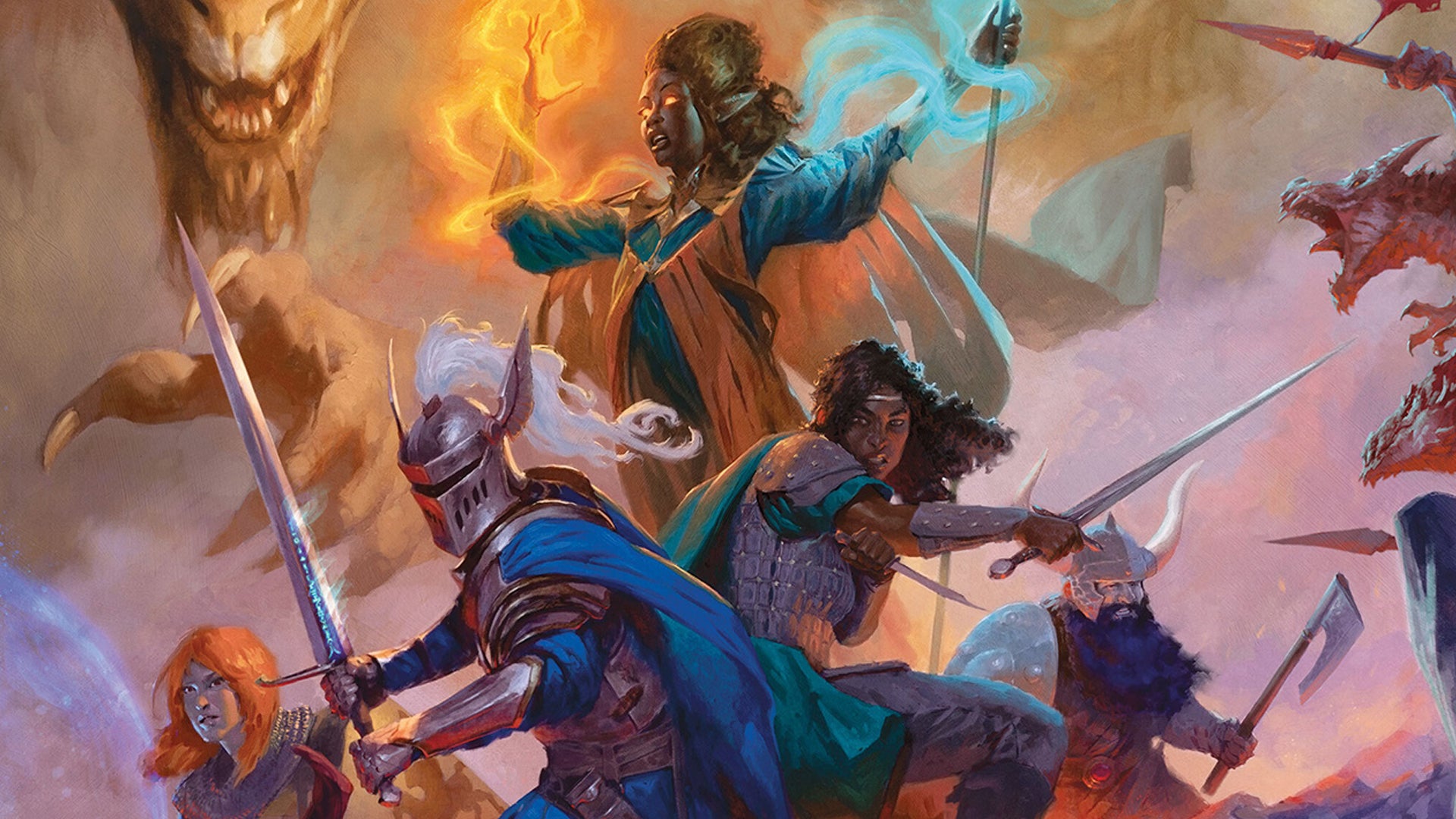
The artwork, illustrated by veteran artist Tyler Jacobson—who also illustrated the core rulebooks for the 2014 Fifth Edition release—serves as a visual bridge between the game’s past and its future. The cover depicts a dynamic battle scene featuring a golden dragon soaring above a diverse party of adventurers. Notably, the composition serves as an homage to the game’s 50-year legacy, incorporating iconic figures from D&D lore, including Molliver the rogue, the elf queen Yolande, the valiant knight Strongheart, and the stalwart dwarven warrior Elkhorn.
This nod to history is intentional. Wizards of the Coast has framed the 2024 release not as a traditional "Sixth Edition," but as an evolution of the existing Fifth Edition framework. By integrating legendary characters into the cover art, the company is signaling that the new rulebooks are designed to maintain compatibility with existing 5E content while providing a more polished, refined, and expansive experience for Dungeon Masters and players alike.
The Staggered Rollout: A New Core Trilogy
The release of the 2024 Player’s Handbook on September 19, 2024, is the first step in a carefully orchestrated three-part release schedule. Following the PHB, the Dungeon Master’s Guide is scheduled for a November 12, 2024, release, with the comprehensive, expanded Monster Manual slated for February 18, 2025. Each of these three core volumes will feature a 384-page count, ensuring that the new "core trilogy" is the most robust and substantive set of rules ever produced for the system.
This cadence allows the developer to focus on the individual needs of different player demographics. The Player’s Handbook will focus on character creation, classes, and feats; the Dungeon Master’s Guide will provide updated world-building tools and encounter balancing; and the Monster Manual will feature a complete overhaul of the game’s bestiary. The shift from the traditional black-and-red spines of the 2014 books to a new, vibrant red aesthetic across all three 2024 volumes acts as a branding reset, intended to sit prominently on retail shelves and in home collections.
Historical Context and Design Evolution
To understand the significance of this release, one must look at the trajectory of the game since the debut of the "D&D Next" playtest that eventually became the 2014 Fifth Edition. Since then, the game has seen unprecedented growth, fueled by the rise of actual-play series like Critical Role, the accessibility of digital tools like D&D Beyond, and the cultural ubiquity of the hobby.
The 2024 revisions, formerly codenamed "One D&D," represent a refinement of the lessons learned over the last ten years. Lead designers Jeremy Crawford and Chris Perkins have emphasized that this update is a direct response to player feedback. The rules for all ten chromatic and metallic dragon species, for example, have undergone a total rebalancing to ensure they pose a distinct, tactical challenge in combat. This extends to the entire bestiary, as the design team has systematically reviewed and adjusted the statistics of nearly every creature in the game to improve gameplay flow and consistency.
Visual Cues and Symbolic Homage
The artwork on the 2024 Player’s Handbook is dense with symbolism that appeals to long-time fans. The inclusion of a red dragon in the bottom corner of the cover is widely viewed as a direct reference to the iconic 1980s "Red Box" starter set. For many, that box was the gateway into the hobby, and by echoing its aesthetic, Wizards of the Coast is leaning into the nostalgia that drives much of the TTRPG market.
The back cover, which features a bronze dragon carrying a diverse group of adventurers—including a tiefling, an elf, and a human—serves as a symbolic "blank slate" for new players. By depicting "stand-in" characters, the art emphasizes that the game is an inclusive space where anyone can craft their own hero. Furthermore, early print runs of these books will feature a commemorative 50th-anniversary seal, a marketing touch that highlights the prestige of the brand’s half-century milestone.
Industry Implications and Market Strategy
The strategy behind the 2024 rollout is indicative of a broader shift in how tabletop publishers manage long-term intellectual property. By opting for an "evolution" rather than a "replacement," Wizards of the Coast is attempting to mitigate the risk of market fragmentation. In previous decades, new editions often required players to discard their existing libraries. The current strategy encourages players to keep their 2014-era books while adopting the 2024 versions as the new standard for gameplay.
Retailers are also a focal point of this release. As has been the case with previous major D&D launches, local game stores will have access to exclusive variant covers. The alternate cover for the 2024 Player’s Handbook, which features a different arrangement of elves and a gold dragon accented with gold foil, is designed to drive foot traffic to brick-and-mortar stores, reinforcing the importance of the physical hobby shop as a community hub.
Expert Analysis of the "Rules Revision"
From a mechanical perspective, the implications of these revisions are significant. By rebalancing the core math of the game—specifically concerning encounter difficulty and monster capabilities—Wizards of the Coast is addressing one of the most common critiques of high-level 5E play: the lack of scaling difficulty for high-level parties.

The 2024 books are expected to clarify ambiguous rules that have been the subject of community debate for a decade. By codifying these clarifications into the core text, the designers are aiming to lower the barrier to entry for new Dungeon Masters. "The goal is not to reinvent the wheel, but to make it roll smoother," noted one industry analyst following the reveal. The move to consolidate the rules into a cleaner, more intuitive format is expected to increase the longevity of the Fifth Edition ruleset, potentially carrying it through the next several years of the brand’s growth.
Public Reception and Future Outlook
The announcement has been met with a mix of excitement and scrutiny. While the artistic direction has been largely praised for its callback to the game’s roots, the community remains focused on the content within the pages. As the release dates approach, attention will shift toward the specific mechanical changes to classes like the Fighter, Wizard, and Rogue, and how these changes will interact with legacy content.
For Wizards of the Coast, the 2024 core rulebooks represent a test of their current business model. Can they sustain the momentum of the "Fifth Edition era" while simultaneously refreshing the product line enough to justify a new purchase? The success of the "staggered rollout" will likely be measured not just by initial sales, but by the community’s adoption of the new rules as the default for organized play and home games.
As the industry prepares for the September launch, the focus remains on the synthesis of legacy and progress. Whether these changes succeed in balancing the needs of veteran players who crave mechanical depth and newcomers who require accessibility remains to be seen. However, one thing is certain: with a half-century of history behind it, Dungeons & Dragons continues to demonstrate a remarkable ability to reinvent itself while keeping its core identity as a game of imagination, collaboration, and high-stakes adventure intact. The dragon on the cover is not just a monster; it is a symbol of the game’s enduring presence in the modern cultural landscape.
Related posts: