Ben Affleck’s Batman v Superman Comments Revive Age-Old Questions About Superhero Audiences

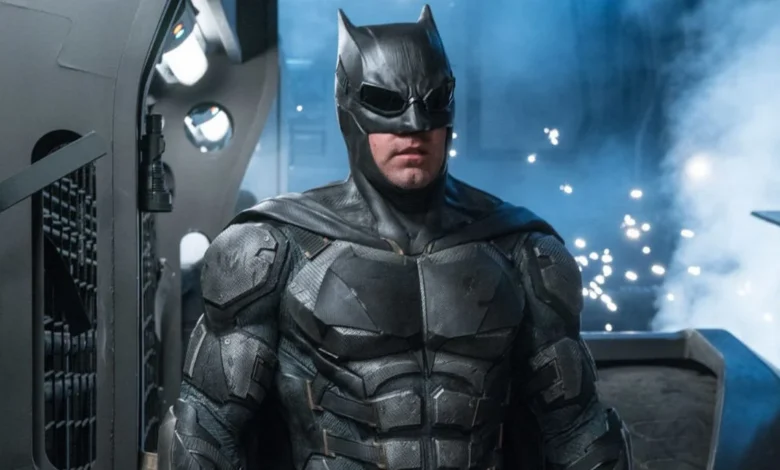
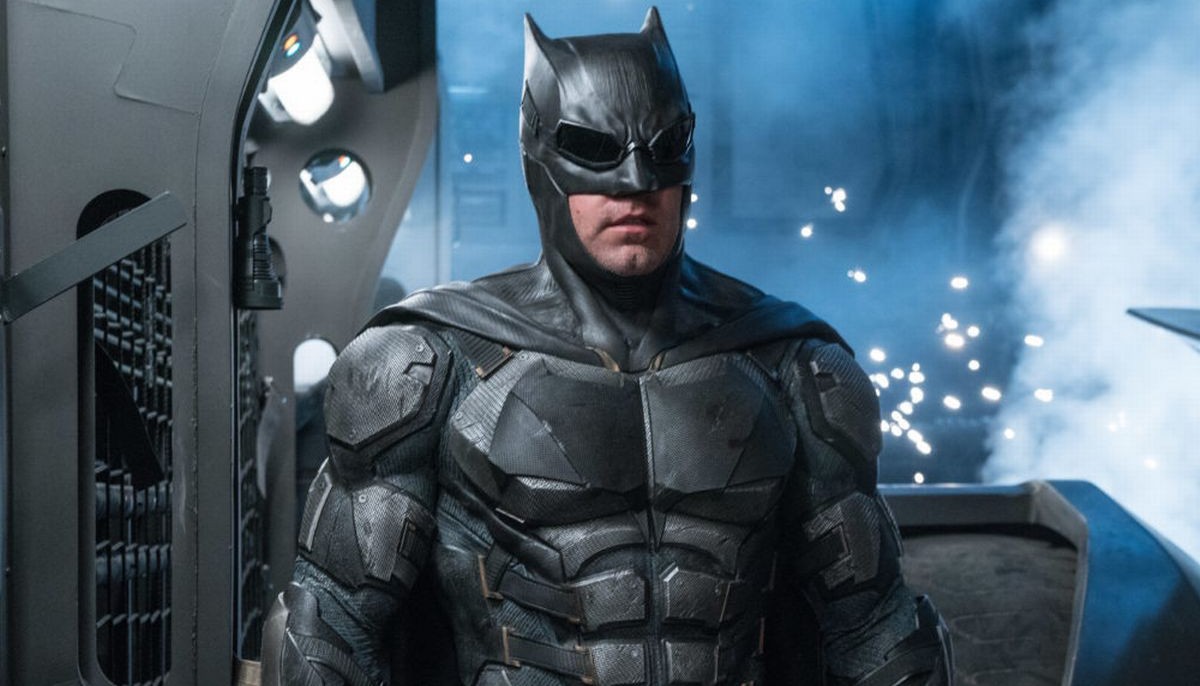
The ongoing debate regarding the true target demographic of the superhero genre has resurfaced following recent remarks by Academy Award-winning actor and filmmaker Ben Affleck. In a comprehensive interview with Variety, Affleck reflected on his tenure as the Dark Knight under director Zack Snyder, explicitly addressing the polarizing critical reception and dark, uncompromising tone of 2016’s Batman v Superman: Dawn of Justice. Affleck pointed to a fundamental dichotomy that has plagued major studio franchises for decades, questioning whether modern comic book adaptations should target mature audiences with R-rated narratives akin to Todd Phillips’ Joker, or pursue broad, four-quadrant family-friendly appeal in the style of traditional Marvel Studios releases, aside from rare exceptions like Deadpool & Wolverine.
This tension between crafting "grown-up" cinematic experiences and maintaining accessibility for younger demographics is not merely a modern Hollywood dilemma. Rather, it represents the continuation of a nearly century-old identity crisis that began with the inception of the comic book industry itself. As major studios continue to invest billions of dollars into cinematic universes, the question of whether superheroes are fundamentally children’s entertainment or a legitimate vehicle for complex, adult storytelling remains as contentious today as it was in the golden age of print.
The Origins of the Genre: Power Fantasies with Adult Subtext
To understand the modern cinematic struggle, one must examine the historical roots of the medium. The modern superhero genre was effectively born in June 1938 with the publication of Action Comics #1. Featuring Superman on its iconic cover—smashing a green sedan over his head while terrified onlookers flee—the issue established the character as a quintessential power fantasy. Clad in bright primary-colored tights, Superman was immediately embraced by young readers captivated by his godlike abilities.
However, a closer examination of the foundational stories written by Jerry Siegel and Joe Shuster reveals that these early narratives tackled surprisingly sophisticated and adult themes. While the character’s primary adversaries included everyday bullies, Superman’s crusades quickly expanded to address systemic societal failures of the Great Depression era. In early storylines, the Man of Steel intervened in cases of domestic abuse, confronted corrupt politicians and governors sentencing innocent men to the electric chair, and punished negligent landlords forcing impoverished tenants to live in dangerous squalor.
Rather than utilizing superhuman strength merely for gratuitous destruction, these narratives used fantastical elements to present simple, wish-fulfillment solutions to complex, real-world socioeconomic crises. This dual-layered appeal—providing accessible spectacle for youths while addressing structural anxieties for adults—became the foundational DNA of the entire medium.
World War II and the Shift in Readership Demographics
The precarious balance between juvenile adventure and mature socio-political commentary shifted dramatically with the outbreak of World War II. Comic books experienced an unprecedented surge in popularity, largely driven by members of the United States Armed Forces. Stationed across the globe, GIs relied on comic books as a primary source of inexpensive, highly portable entertainment.
Recognizing their primary audience, publishers and creators mobilized the genre for the war effort. Superheroes were integrated directly into geopolitics, defending the American home front against saboteurs and fighting prominent fascist villains such as the Red Skull and Captain Nazi. Characters became direct ideological proxies for the Allied forces, resonating heavily with adult soldiers experiencing the high-stakes reality of global conflict.
Despite this heavy reliance on an adult demographic, a significant cultural shift occurred following the conclusion of the war. As military personnel returned home and reintegrated into civilian life, millions of veterans swiftly abandoned comic books, leaving the medium behind as a juvenile pursuit. This mass departure cemented a persistent cultural misconception that comic books were originally and exclusively created for children. Consequently, adult readers who maintained an interest in the medium were frequently marginalized as socially stunted, while subsequent literary milestones achieved by creators like Alan Moore (Watchmen) and Frank Miller (The Dark Knight Returns) in the 1980s were incorrectly viewed as the industry’s sudden, unprecedented invention of maturity, rather than a resurgence of its wartime roots.
The 1950s Backlash and the Censorship Era
The loss of the mature military readership in the post-war era led to a marked pivot toward lighter, more fantastical storytelling during the early 1950s. Characters like Batman and Superman transitioned away from addressing domestic corruption, instead focusing on science-fiction tropes involving alien invasions and atomic mutations.
However, this era of relative innocence was abruptly halted by a severe moral panic. In 1954, German-American psychiatrist Frederic Wertham published Seduction of the Innocent, a sensationalist book arguing that comic books—particularly horror, crime, and suspense titles popular among adults and adolescents alike—were directly responsible for juvenile delinquency. Wertham’s claims triggered congressional hearings, widespread book burnings, and the establishment of the Comics Code Authority (CCA), a draconian self-censorship body that effectively stripped the industry of its mature titles.
It was not until the early 1960s, under the creative partnership of Stan Lee, Jack Kirby, and Steve Ditko at Marvel Comics, that the medium experienced a renaissance. By introducing flawed, relatable heroes dealing with personal neuroses, financial troubles, and interpersonal conflict, Marvel successfully recaptured an older demographic of college students and young adults, paving the way for the profound moral complexities of the Bronze Age of comic books.
Navigating the Boundary Between Camp and Commentary
The historical tightrope walk between childish absurdity and adult socio-political commentary is perhaps best exemplified by DC Comics’ infamous 1988 storyline A Death in the Family. Written by Jim Starlin and illustrated by Jim Aparo, the narrative achieved instant notoriety by introducing severe, high-stakes consequences to the Batman mythos: the brutal murder of Jason Todd, the second Robin, at the hands of the Joker.
Yet, this dark narrative milestone was simultaneously steeped in surreal, politically charged satire. In a bizarre twist of Cold War diplomacy, the storyline featured the Joker being appointed as Iran’s delegate to the United Nations under the authority of Ayatollah Khomeini. Furthermore, the narrative’s grim climax was dictated by an unprecedented marketing gimmick: readers were invited to call a dedicated 900-telephone hotline to vote on whether Robin should survive the Joker’s assault.
This juxtaposition of serious geopolitical tension and juvenile marketing gimmicks highlights the inherent contradictions of the superhero genre. The boundary separating sophisticated adult drama from self-parodying absurdity has historically been porous and ill-defined.
Implications for Modern Superhero Cinema
Ben Affleck’s recent critique of Batman v Superman: Dawn of Justice brings these historical tensions directly into the modern multi-billion-dollar film industry. Released in March 2016 by Warner Bros., the Zack Snyder-directed blockbuster grossed over $873 million worldwide but faced severe criticism for its somber tone, philosophical musings on theodicy, and visceral depictions of urban violence reminiscent of post-9/11 security anxieties.
Media analysts and cultural critics have frequently debated whether major studios can successfully merge high-concept philosophical questions with four-quadrant commercial entertainment. While cinematic universes routinely attempt to incorporate mature themes—such as state-sponsored surveillance, terrorism, and existential dread—critics often argue that these narrative elements are frequently simplified to appeal to the widest possible audience, occasionally resulting in tonal inconsistencies.
As Hollywood navigates an era of superhero fatigue and shifting box-office paradigms, the fundamental question raised by Affleck remains unanswered. Whether through the gritty, uncompromising realism of R-rated features or the expansive, family-friendly formulas of dominant franchises, the genre continues to grapple with its dual heritage. Superheroes remain inherently theatrical creations—individuals navigating extraordinary conflicts in colorful costumes—yet they consistently serve as a mirror for society’s deepest anxieties regarding power, justice, and responsibility. For nearly a century, the medium has entertained younger generations while simultaneously offering adult audiences a stylized space to contemplate complex, unresolved questions, ensuring that this creative tension will persist for generations to come.