Former Treyarch Developer Slams Activision Executives Over Lucrative Call of Duty Re-Releases While Creators Receive Nothing

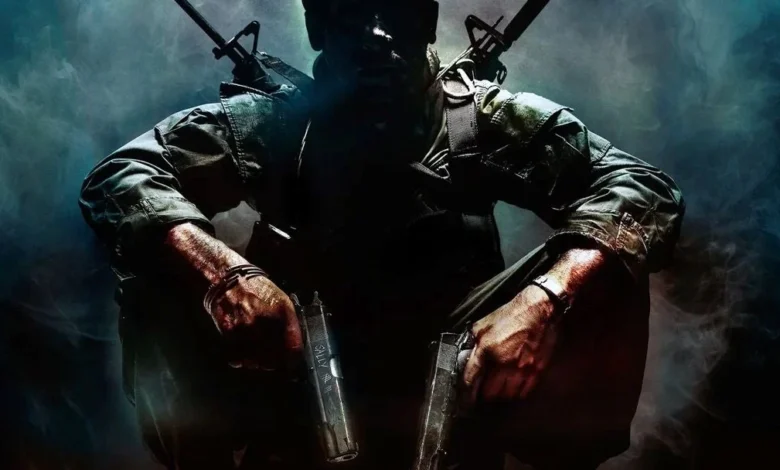
The video game industry has long wrestled with issues surrounding compensation, labor practices, and the long-term value of creative contributions. These tensions reached a boiling point recently following the highly successful commercial re-release of two classic titles in the blockbuster Call of Duty franchise: Black Ops and Black Ops II. While the re-issued ports shattered sales expectations and generated hundreds of millions of dollars for publisher Activision and its parent company Microsoft, the developers who originally built the games have received no financial compensation or ongoing benefits from the windfall.
The situation has brought renewed scrutiny to the economic models underpinning modern video game publishing, prompting industry veterans to speak out about what they describe as a fundamental disconnect between executive enrichment and developer compensation.
The Genesis of a Controversy
The core of the dispute centers on the deployment of legacy assets. Earlier this year, Activision rolled out straightforward re-releases of Call of Duty: Black Ops and Call of Duty: Black Ops II for modern PlayStation and Xbox platforms. Rather than undertaking comprehensive remakes or resource-intensive remasters that would require rebuilding assets from scratch, the publisher opted for low-effort ports of the original codebases, which were initially developed over a decade ago by Treyarch.
Despite the minimal investment required to bring the titles to contemporary hardware, the commercial response was staggering. According to tracking data compiled by market research firm Circana, the Black Ops re-release bundle dominated the charts, emerging as the highest-earning video game of July and cementing its place as the fifth highest-earning game of the entire year. Industry estimates indicate that the ports moved approximately 11 million copies, generating nearly $450 million in revenue for Activision and Microsoft.
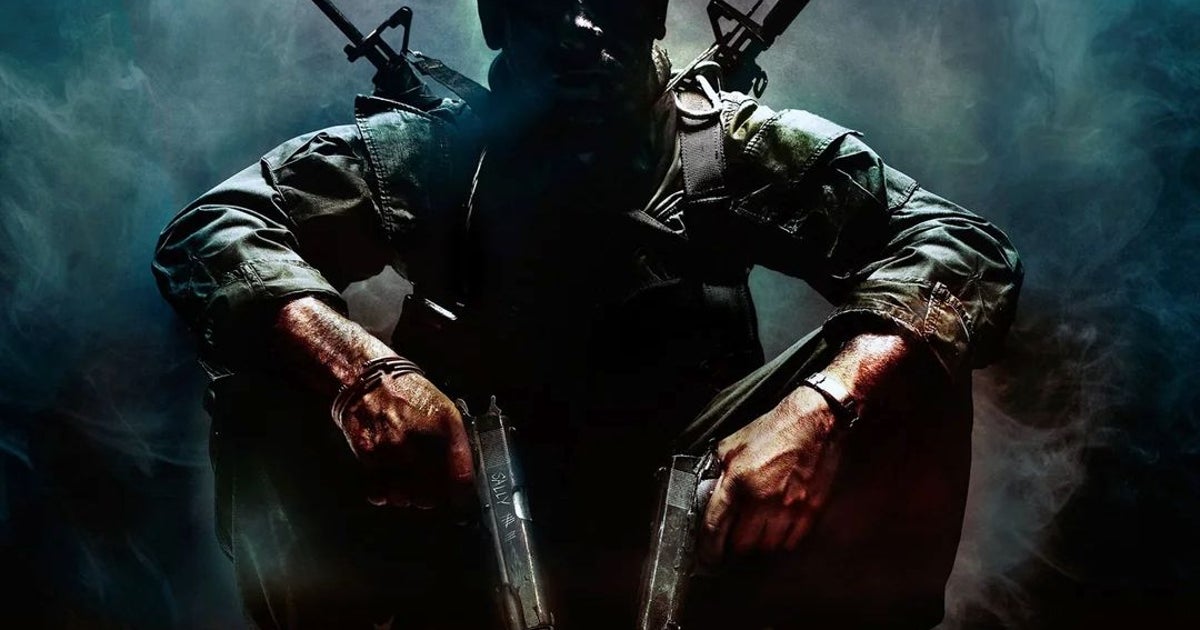
For the consumers, the re-releases offered a nostalgic return to beloved multiplayer sandboxes and campaign narratives. However, for the artists, designers, and programmers who spent grueling years bringing those worlds to life, the commercial triumph has been met with bitterness rather than celebration.
Voices from the Trenches: Gavin Goslin Speaks Out
Gavin Goslin, a veteran level artist and level designer who spent more than 15 years at Treyarch, brought the issue into the public eye through a series of candid posts on LinkedIn. Goslin, who worked extensively on both Black Ops and Black Ops II, expressed a mixture of pride and profound frustration regarding the games’ enduring popularity.
"They are printing money off of work completed over a decade ago," Goslin wrote. "As a developer who actually worked on both BO1 and BO2, seeing these charts is bittersweet. I poured my life into those games, spending countless, brutal hours in crunch alongside an incredibly talented team to make sure they were perfect."
Goslin highlighted the grueling human cost associated with the creation of these titles, noting the intense "crunch" culture that often characterizes AAA game development. While acknowledging the gratification of seeing their collective efforts dominate sales charts years later, he criticized the corporate disparity that allows executives to reap massive financial windfalls while the original creators remain excluded from the secondary revenue stream.
As his initial remarks gained traction across various gaming and industry news outlets, Goslin expanded on his critiques in a subsequent social media post. He emphasized that the situation points to a systemic structural failure within the interactive entertainment sector.

"To watch executives rake in massive financial windfalls off our old code, while the actual creators face unemployment and don’t see a dime of that new compensation, highlights a fundamental flaw in how our industry values its talent," Goslin stated. He further advocated for systemic reform, arguing that if legacy titles are going to generate continuous revenue streams for major publishers decades after their initial launch, protective frameworks and residual compensation structures must be established for the workers who survived the grueling production cycles to build them.
Industry Implications and the Question of Residuals
The debate sparked by Goslin’s remarks mirrors similar labor conversations in other entertainment mediums, most notably film and television, where guilds and unions have long fought for residual payments. In the traditional Hollywood model, writers, actors, and directors often receive supplementary compensation when their work is syndicated, re-broadcast, or distributed on emerging home media formats.
By contrast, the video game industry operates primarily on fixed-salary models supplemented by milestone bonuses or discretionary profit-sharing pools, which are frequently tied to the initial launch window of a game. Once a title transitions from its active commercial lifecycle into catalog status or receives subsequent ports, the original rank-and-file developers typically see no further financial return, regardless of how profitable those legacy products become.
This structural reality has become particularly pressing amid a broader employment crisis within the tech and gaming sectors. Over the past several years, major publishers and independent studios alike have enacted widespread layoffs, leaving thousands of experienced developers facing job insecurity. The juxtaposition of corporate executives and shareholders collecting substantial bonuses from the monetization of decade-old code while former staff members navigate unemployment has intensified demands for labor reform.
Activision has not yet issued an official response regarding Goslin’s claims or the broader discussions surrounding developer residuals for legacy ports.

Broader Context and Timing
The controversy comes at a pivotal operational moment for Activision and Microsoft as they prepare for the imminent release of the franchise’s latest flagship entry, Call of Duty: Modern Warfare 4. Slated for release following an early-access campaign phase that has garnered favorable initial impressions from pre-order customers, the new title represents the traditional high-budget, annual release cycle that drives the publisher’s primary financial engine.
However, the simultaneous commercial success of the Black Ops legacy ports and the modern releases illustrates a shifting strategic landscape for major publishers. As production budgets for AAA games balloon into the hundreds of millions of dollars—often requiring years of development time and thousands of personnel—publishers are increasingly looking to back-catalogs and low-cost ports as reliable, high-margin revenue streams.
This reliance on past intellectual property brings the compensation debate to the forefront. Observers and labor advocates note that as publishers lean more heavily into remastering, porting, and re-releasing historical assets, the ethical and financial obligations toward the original creators will demand closer examination. Whether this public discourse will catalyze structural shifts in how game studios contract and compensate their talent remains to be seen, but the dialogue has firmly established that the human capital behind gaming classics expects a more equitable stake in their enduring commercial legacy.