Electronic Arts Overhauls Leadership Structure for Battlefield Franchise, Deepening Its Alignment with the Call of Duty Development Model

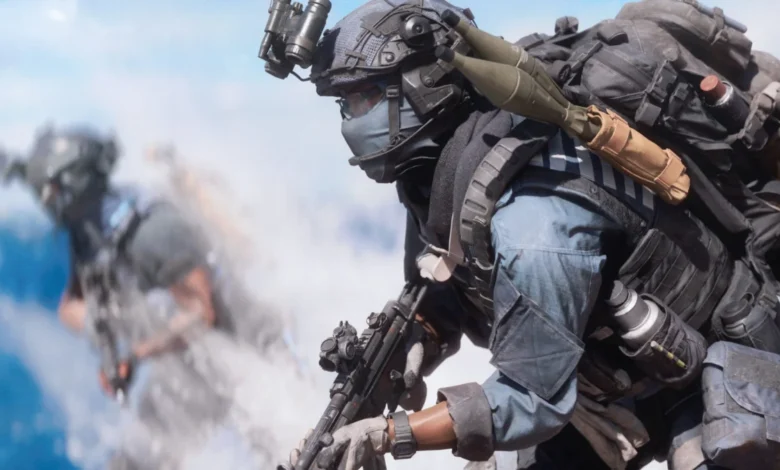
Electronic Arts (EA) has announced a significant reorganization of its executive leadership within its global studio network, cementing a strategic shift in how the publisher manages and develops its flagship first-person shooter franchise, Battlefield. The restructuring highlights EA’s ongoing commitment to emulating the highly successful operational model utilized by Activision for the Call of Duty series, a blueprint that has increasingly defined the modern multiplayer gaming landscape.
Byron Beede, who previously served as the general manager of the Battlefield franchise, has been promoted to the role of group general manager. In his new position, Beede assumes oversight of EA’s broader shooter and action-role-playing game (RPG) portfolio. Taking over Beede’s former responsibilities as the head of the Battlefield franchise is Sam Cooper.
The leadership changes were publicly disclosed by both executives via professional networking updates, signaling a new chapter for a franchise that has undergone immense structural transformation over the past several years. As EA continues to lean into its core multi-billion-dollar intellectual properties, industry observers are closely monitoring how these executive appointments will influence the trajectory of future Battlefield titles and the broader shooter market.
Chronology of Structural Reform: The Pivot Toward a Unified Studio Model
The roots of EA’s current strategic direction trace back to 2021, when the publisher recruited Byron Beede from Activision, where he had previously managed the entire Call of Duty brand. Beede was brought on board to spearhead the evolution of Battlefield, an initiative that immediately triggered a sweeping reorganization of EA’s internal development infrastructure.
To replicate the multi-studio collaborative framework that Activision employed to maintain a relentless annual release and live-service cadence for Call of Duty, EA consolidated several of its premier development teams under a single operational umbrella known as Battlefield Studios. This unified collective brought together legendary studios including DICE, the original creators of the Battlefield series; Ripple Effect Studios; Motive; and Criterion Games.
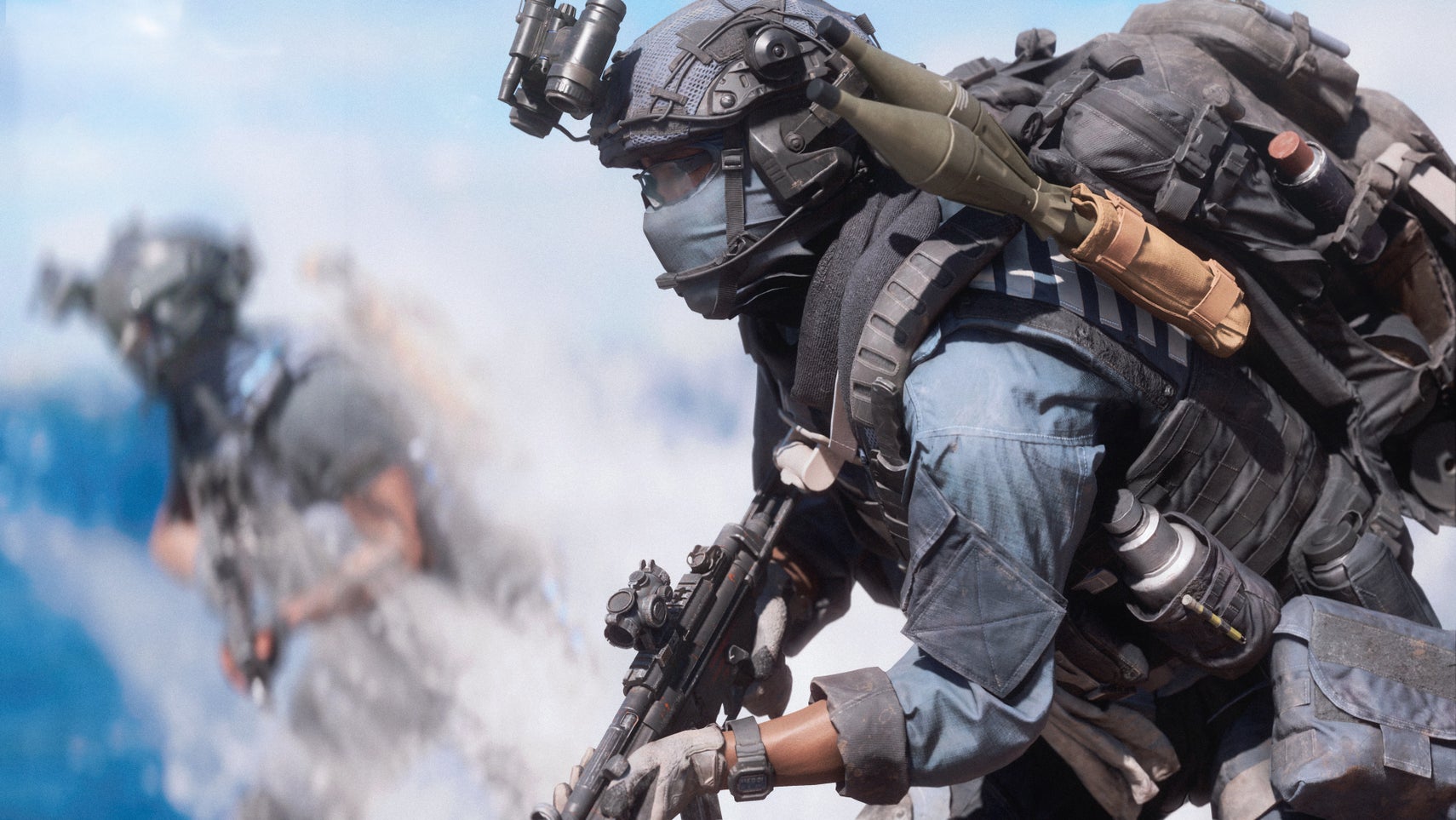
This collaborative "salt mine" approach—where multiple large-scale studios are pooled to support a single overarching franchise—was designed to streamline production, enhance live-service delivery, and expand the universe of the game. The fruits of this strategy materialized with the release of Battlefield 6, which EA confirmed as the best-selling entry in the series’ history, supported by its free-to-play battle royale companion mode, Redsec.
Examining the Executive Transitions: From Activision to EA
The appointment of Sam Cooper as the new head of Battlefield underscores EA’s continued reliance on external talent with deep expertise in live-service management and product scaling. Cooper brings extensive industry experience, having spent approximately five years at Activision as the head of global product management and live services for Call of Duty. Prior to his tenure at Activision, Cooper held key positions within EA Sports.
Cooper’s background in managing the intricate monetization, seasonal updates, and community engagement models of the world’s leading shooter franchise makes him a natural fit for EA’s current operational philosophy. His arrival signals that Battlefield will continue to prioritize robust live-service infrastructures, seasonal content drops, and long-term player engagement loops.
While executive movements between rival publishers are common in the video game industry, Cooper’s transition reinforces a deliberate narrative: EA is intent on matching—and potentially rivaling—the structural efficiency and commercial dominance that Activision has maintained with Call of Duty for nearly two decades.
Convergence of Design: The Blur Between Battlefield and Call of Duty
The administrative alignment between EA and Activision has been mirrored by a noticeable convergence in game design philosophy. Over successive releases, traditional fans and industry critics alike have observed that contemporary Battlefield titles share more mechanical and stylistic DNA with Call of Duty than at any previous point in the franchises’ histories.
This transition is visible across multiple facets of the player experience. Modern iterations have introduced streamlined user interfaces, heavily emphasized limited-time community events, and incorporated flashy cosmetic store fronts alongside traditional battle pass progression systems—including premium tiers aimed at dedicated players. Furthermore, foundational design changes, such as the evolution of the iconic class system, have been implemented to broaden the appeal of Battlefield to a wider, more mainstream demographic, occasionally drawing mixed reactions from long-term series purists.

Despite these controversies, the commercial metrics suggest that the strategy has resonated with the broader gaming public. The convergence of fast-paced mechanics, accessible gameplay loops, and robust free-to-play ecosystems has transformed Battlefield from a traditional military simulation sandbox into a modern, live-service powerhouse.
Broader Corporate Context and Market Implications
These internal leadership shifts occur against a backdrop of massive corporate restructuring within Electronic Arts. The publisher has increasingly concentrated its resources on its largest, most reliable franchises, a trend accelerated by broader corporate maneuvering and industry-wide consolidation.
The long-term implications of Beede’s promotion and Cooper’s appointment may not become fully apparent until the release of the next standalone entry in the Battlefield franchise. However, they provide a clear window into EA’s strategic priorities. By placing seasoned veterans of the Call of Duty ecosystem at the helm of its premier military shooter, EA is doubling down on a proven commercial formula designed to maximize audience retention, live-service monetization, and cross-platform market penetration.
As the competitive landscape of the first-person shooter genre remains fiercely contested, the success of EA’s leadership gamble will ultimately be judged by its ability to sustain community loyalty while capturing a larger share of the lucrative live-service market.
Related posts: