Id Software Confirms Development of Next Major Title Following Recent Layoffs and Studio Restructuring

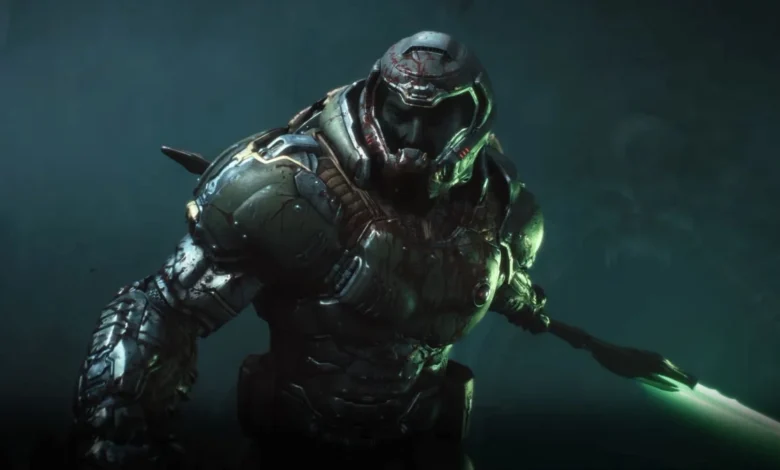
The legendary studio behind the birth of the first-person shooter genre, id Software, has officially confirmed that it is currently in the early stages of developing its next major video game project. The announcement follows a period of significant volatility for the Texas-based developer, which is owned by ZeniMax Media under the broader Microsoft-Xbox umbrella. While the studio has stopped short of providing a title, release window, or gameplay specifics, the confirmation serves as a critical signal to the industry and its dedicated fanbase regarding the developer’s long-term operational viability.
The confirmation arrived via social media in response to a celebratory post by Xbox CEO Asha Sharma, who was marking the upcoming 25th anniversary of the original Xbox console. In her remarks, Sharma highlighted id Software’s pivotal role in the evolution of modern gaming. The studio, in a rare direct communication, replied to confirm that the team is indeed looking toward the future, noting that the project is being developed by its staff across its Texas and Frankfurt offices, with creative direction once again under the stewardship of Hugo Martin.
A Period of Transition and Uncertainty
The news of a new project comes at a time of intense scrutiny for id Software. In July 2026, the studio was impacted by widespread layoffs across the Xbox gaming division, a restructuring effort that saw approximately 3,200 employees lose their positions across various Microsoft-owned studios. Reports indicated that id Software specifically faced significant cuts, with estimates suggesting the loss of over 130 staff members—a figure that caused widespread alarm among industry analysts and fans regarding the studio’s ability to maintain its high-fidelity development standards.
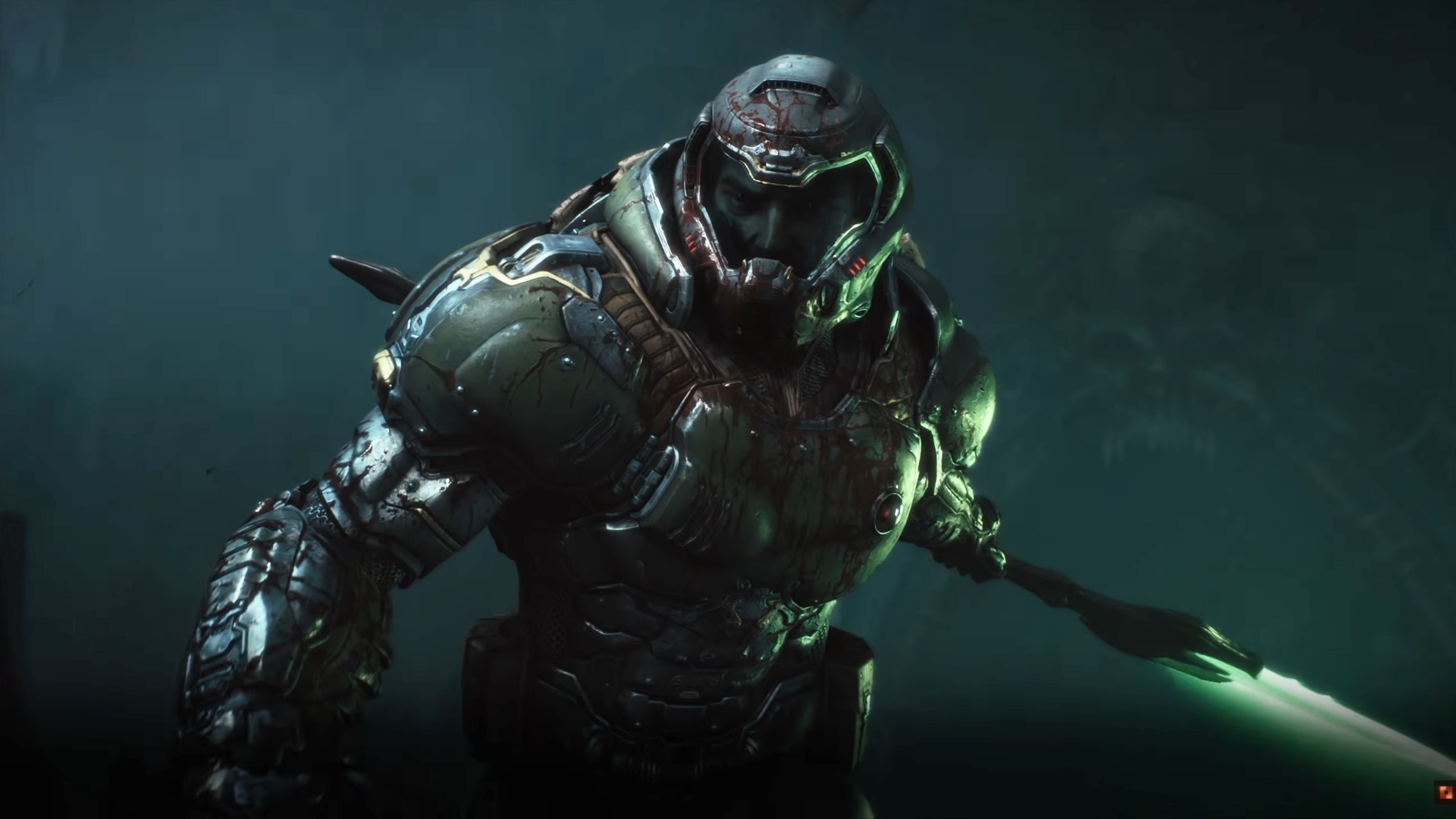
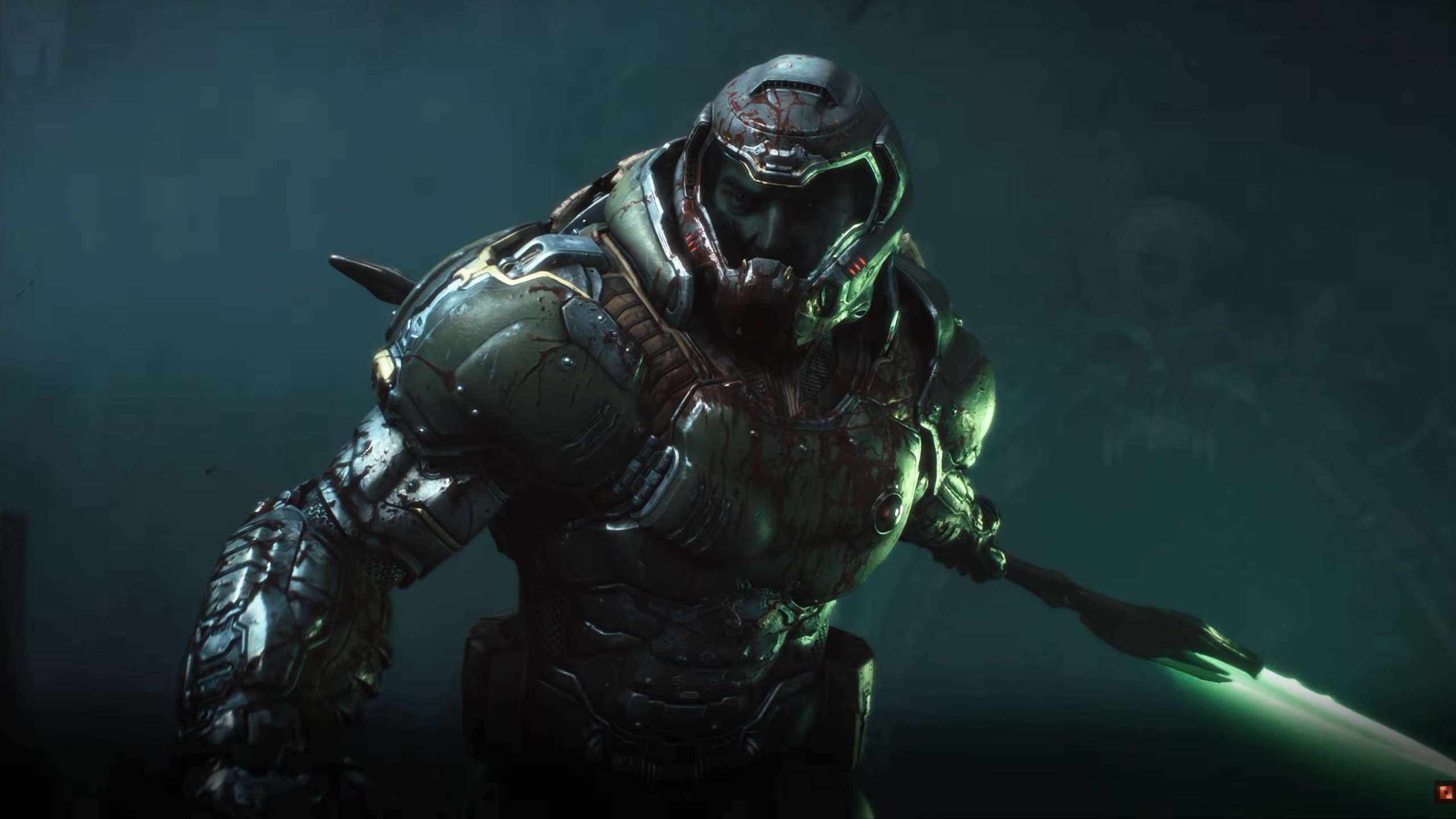
Prior to these layoffs, id Software had released Doom: The Dark Ages, a title that sought to expand the lore and visceral combat mechanics of the series. The game’s subsequent expansion, Revelations, arrived in July, providing additional content to sustain the title’s player base throughout the autumn months. Despite the successful reception of these releases, the workforce reduction prompted questions about the studio’s future independence.
In an effort to mitigate these concerns, id Software co-director Marty Stratton issued a statement in October, emphasizing that the studio was undergoing a "deliberate effort" to remain viable. Stratton highlighted a pivot toward deeper collaboration with MachineGames, the studio responsible for the Wolfenstein franchise. This institutional synergy has fueled industry speculation that the two studios may be co-developing a new entry in the Wolfenstein series, though no official confirmation has been provided to substantiate these claims.
The "Some Time" Narrative and Corporate Messaging
In its official statement, id Software noted, "It’ll be some time before we’re ready to share more but we can’t wait for you to see what we’re working on." This phrasing has drawn inevitable comparisons to recent communications from Bethesda Game Studios, another ZeniMax subsidiary. Earlier this month, Bethesda officially titled The Elder Scrolls 6: Sentinel, yet simultaneously warned that the title remains in the distant future.
The repetition of this language across ZeniMax-owned studios suggests a coordinated communications strategy from Microsoft’s gaming division. By tempering expectations early, the parent company likely hopes to avoid the "announcement fatigue" that has plagued previous high-profile titles. For the industry, this signals a shift in how long-term development is managed under the Xbox banner, focusing on late-stage reveals rather than years of promotional cycles that build unsustainable hype.
Historical Context of id Software’s Output
To understand the significance of this new project, one must look at the studio’s production cadence over the last decade. Since the 2016 reboot of Doom, id Software has established a reputation for "id Tech" engine mastery and high-octane, movement-based shooters.
- 2016: Doom (Reboot) – Established the "push-forward combat" loop that redefined the genre.
- 2019: Doom Eternal – Expanded the complexity of the combat loop with increased verticality and resource management.
- 2025: Doom: The Dark Ages – Focused on a more grounded, medieval-inspired aesthetic within the established sci-fi universe.
- 2026: Revelations (Expansion) – Provided the final major content drop for the Dark Ages cycle.
The move to a new, unnamed project suggests that the studio is ready to pivot away from the Doom franchise, at least temporarily, or potentially evolve the engine into a new intellectual property. Given the studio’s historical tendency to innovate with new game engines—such as the transition from the Quake engine to the id Tech 6 and 7—the next project will likely serve as a technological benchmark for the current generation of console hardware.
Supporting Data and Market Implications
The gaming industry is currently facing a "correction" phase, characterized by rising development costs and longer production cycles. According to data from industry tracking firms, the average development time for "AAA" titles has extended from three years in the early 2010s to over five years in the current market. By confirming a new project while The Dark Ages is still in its post-launch lifecycle, id Software is attempting to maintain its status as a "tier-one" developer despite the recent workforce reduction.
The collaboration with MachineGames is particularly noteworthy. Historically, studios under the ZeniMax umbrella operated in silos. However, under Microsoft’s ownership, there has been a push for "resource sharing." If id Software is indeed operating at a reduced capacity, relying on cross-studio talent pools may become the new standard for the company. This could result in a more efficient development cycle but potentially risks diluting the specific "id Software" design philosophy that has defined the studio for over three decades.
Looking Ahead: Slaughter Mode and Beyond
While the next major project remains under wraps, the immediate focus for the developer is the upcoming release of Slaughter Mode for Doom: The Dark Ages. Set to go live on November 16, this mode is designed as a horde-based survival experience. It features escalating rounds of random encounters, boss waves, and specialized arenas.
For the studio, the success of Slaughter Mode serves as a litmus test for the Dark Ages engine’s flexibility. If the mode performs well, it provides a stable revenue stream and player engagement metrics that will support the team while the main development group pivots to the pre-production phase of their next title.
Conclusion
The announcement from id Software provides much-needed clarity for stakeholders and fans. By acknowledging the start of a new project, the studio has successfully countered the narrative that its best days were behind it following the mid-year layoffs. However, the path forward will be defined by the studio’s ability to maintain its creative identity within the constraints of a massive corporate structure. As the industry watches for further updates, the emphasis remains on the "some time" required for development—a reminder that in the modern era of high-budget gaming, quality and patience remain the primary currency of success. Whether this new project serves as a continuation of their established shooters or a departure into new territory, the gaming world continues to view id Software as a bellwether for the health and direction of the first-person shooter genre.