World of Warcraft Forever introduces controversial monetization model with thirty dollar Skyborne race

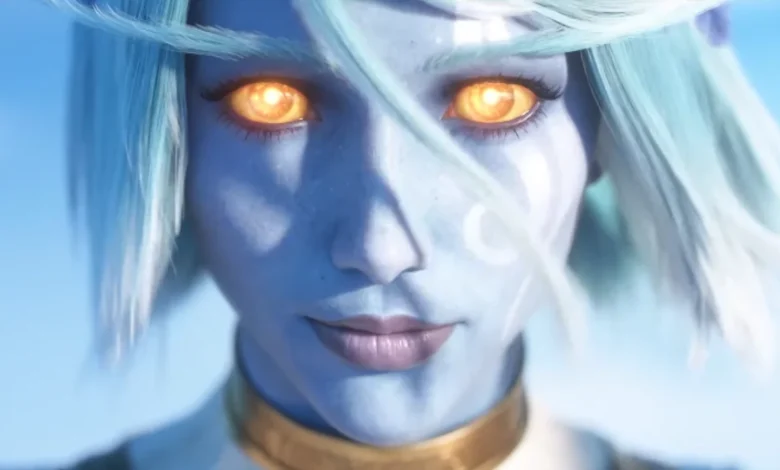
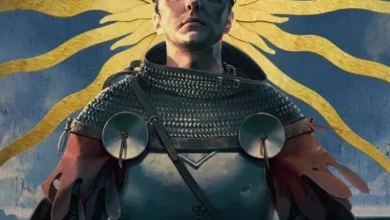
The landscape of modern massively multiplayer online role-playing games (MMORPGs) continues to shift as Blizzard Entertainment reveals the pricing structure for its latest project, World of Warcraft: Forever. While the core experience of this new iteration remains accessible to players with an active standard monthly subscription, a significant portion of the content—specifically the new Skyborne Elf race and its associated starter zone—has been placed behind a $29.99 paywall via the Skyborne Hero Pack. This development has reignited industry-wide debates regarding the evolving nature of live-service monetization and the boundary between subscription-based value and microtransaction-heavy expansion.
The Anatomy of the Skyborne Hero Pack
The Skyborne Hero Pack, priced at $29.99, represents a distinct departure from the traditional model of earning new races through in-game achievements or reputation grinds. According to official store listings, the purchase does not solely grant access to the Skyborne race. It includes a bundled assortment of digital items designed to incentivize the price point: a unique mount, a suite of character cosmetics, specialized housing decorations, and the ability to reserve character names early.
Despite the inclusion of these extras, the core utility of the pack remains the mechanical access to the Skyborne race and its unique starting experience. This "gating" of playable content—a feature that was historically integrated into base games or expansion packs—now occupies a hybrid space in Blizzard’s digital storefront. While the base game continues to be bundled with the standard subscription, the specific bifurcation of a race behind a standalone purchase creates a tiered system that is increasingly common in contemporary "freemium" or hybrid-subscription models.
A Chronology of Monetization Shifts in Warcraft
To understand the current friction, one must look at the historical trajectory of World of Warcraft’s monetization. Since its launch in 2004, the game operated on a straightforward "box price plus subscription" model. The introduction of the Blizzard Shop in the early 2010s marked the first major pivot, moving toward cosmetic items like mounts and pets.
In 2014, the introduction of the Character Boost service signaled a shift toward "convenience" monetization, allowing players to skip leveling content for a fee. Over the subsequent decade, this expanded to include faction changes, race changes, and eventually, the selling of gold through the WoW Token.
The launch of World of Warcraft: Forever represents the next logical step in this evolution. Unlike the standard retail expansion cycles, which historically cost between $40 and $60 and included substantial content drops, Forever appears to be experimenting with granular content sales. This suggests a strategic pivot from the "all-in-one" expansion model to a more modular approach, where specific races or zones can be purchased independently of the larger ecosystem.
Industry Context and Comparative Pricing
The decision to charge $30 for a playable race places Blizzard in a complex competitive position. In the broader gaming market, $30 is a significant threshold. For context, many independent titles and high-quality AA games currently retail on platforms like Steam for $20 or less. When a single playable race costs more than a fully featured indie game, consumer perception of value becomes a critical factor in adoption rates.
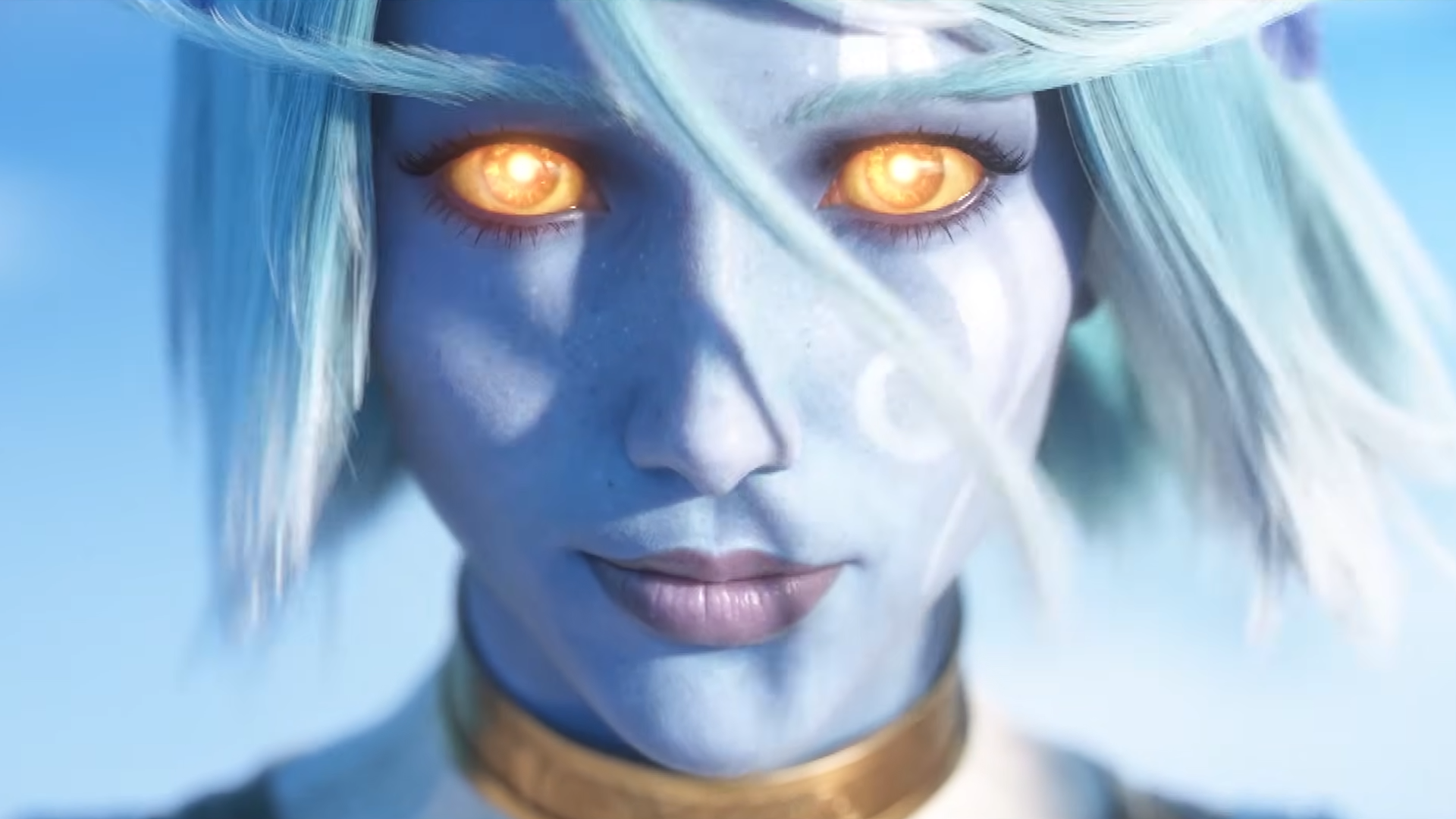
When compared to other major titles, the pricing remains consistent with industry leaders. For instance, in games like Overwatch 2 or League of Legends, high-tier cosmetic bundles often range between $20 and $40. However, the critical difference lies in the nature of the purchase: in those titles, the purchases are almost exclusively cosmetic. By tying a gameplay-affecting element—the Skyborne race—to a price tag, Blizzard is moving closer to the "pay-to-play-as" model common in games like Destiny 2 or various mobile-first MMOs.
Analysts observe that this strategy is intended to maximize Average Revenue Per User (ARPU). In a mature market like World of Warcraft, where the core subscriber base is aging, companies often look for ways to increase spending among the most dedicated players rather than focusing solely on acquiring new, lower-spending users.
Internal Perspectives and Community Reaction
Internal sentiments within the gaming community and among industry observers suggest a divide. Critics argue that the Skyborne Elf represents a "classic" feature being treated as a "premium" asset, which undermines the ethos of the World of Warcraft experience. The argument persists that in a subscription-based game, content that impacts character selection or world interaction should ideally be unlocked through gameplay progression.
Conversely, supporters of the model suggest that the $30 price point is a fair trade for the amount of labor required to create a new, high-fidelity race. The development costs for character models, animations, rigging, and voice acting in modern MMOs are significantly higher than they were a decade ago. From this perspective, the standalone pack allows players who are uninterested in the new race to avoid subsidizing the development cost, while those who desire the content can opt-in.
Industry contributors who have closely followed Blizzard’s development cycles note that this is likely a test case. If the Skyborne Hero Pack meets or exceeds revenue targets, it is highly probable that future character classes, sub-races, or even mid-tier content updates will be monetized similarly. This creates a "content-on-demand" infrastructure that could fundamentally change the game’s social landscape.
Broader Implications for the MMO Genre
The implications of this move extend beyond the World of Warcraft community. If the $30 race model proves successful, it provides a blueprint for other long-running MMOs struggling with the costs of maintenance and development in an era of rising inflation and talent costs.
- Erosion of the "All-Inclusive" Subscription: As more content is gated behind premium packs, the value proposition of the standard monthly subscription may diminish. If the subscription only covers "legacy" content, new players may feel alienated by the secondary costs required to "catch up" to current standards.
- The "Prestige" Factor: By gating the race, the developers create a form of artificial prestige. Players who purchase the pack early receive name reservations and cosmetic flair, signaling to others that they are "early adopters." This gamification of the store itself is a hallmark of modern live-service design.
- Market Segmentation: Blizzard is effectively segmenting its player base. Casual players may stick to the subscription, while "whales" or completionists are funneled into the premium ecosystem. This segmentation can lead to disparities in player experience, particularly if the new race possesses mechanical advantages or superior utility in the game’s competitive modes.
Conclusion: A New Economic Frontier
The introduction of the Skyborne race for $30 serves as a litmus test for the future of Blizzard’s flagship franchise. As the industry moves further away from the traditional expansion model, the line between "optional cosmetics" and "essential content" continues to blur.
While the inclusion of the rest of the Forever content within the standard subscription remains a strong selling point, the specific decision to charge for a playable race remains a point of contention. Whether this model becomes the industry standard or a cautionary tale of over-monetization will depend largely on player adoption rates in the coming months. As World of Warcraft: Forever moves toward its full launch, the community will be watching closely to see if this pricing strategy is a one-time experiment or a permanent fixture in the future of the Azerothian experience. The question remains: at what point does the cost of entry, when broken down into individual pieces, outweigh the perceived value of the journey itself? For now, the answer lies in the hands of the players who must decide if the Skyborne race is worth the premium.