Classic 1980s Childrens Television Show Knightmare Returns As A Free PC Point-and-Click Adventure Game

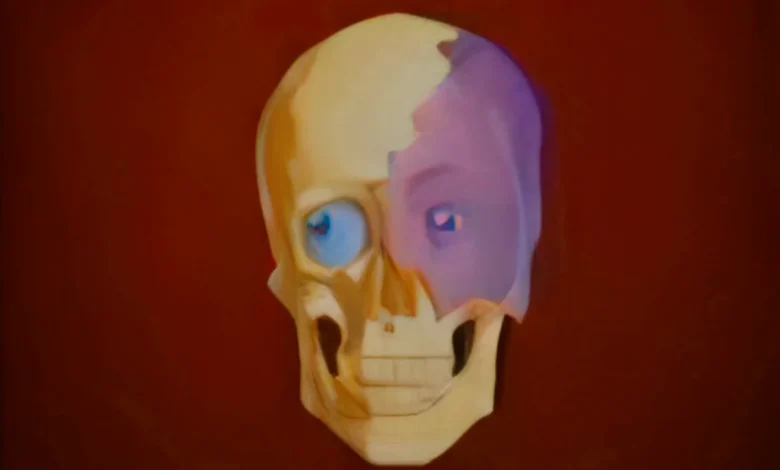
The iconic British children’s television phenomenon Knightmare is officially making a triumphant return to screens, albeit in an interactive digital format. An officially licensed, free-to-play point-and-click adventure game based on the cult classic ITV series is currently in development for PC, slated for release next year to coincide with the show’s landmark 40th anniversary. Spearheaded by writer and designer Ewen Watson, the project has secured the full blessing of Knightmare creator Tim Child and notably features returning members of the original television voice cast.
For generations of viewers who grew up watching British television in the late 1980s and early 1990s, the announcement evokes a profound wave of nostalgia. As modern game development increasingly pivots toward automated tools and artificial intelligence, the creative team behind this new adaptation has emphasized a distinctly human-crafted approach. Hand-drawn visual aesthetics and the inclusion of original cast members aim to recreate the mystical, high-stakes atmosphere that once captivated millions of households across the United Kingdom.
Main Facts and Project Overview
The forthcoming Knightmare video game is being designed as a compact, narrative-driven adventure. Project lead Ewen Watson estimates that the complete experience will take roughly two hours to finish. Because the game will be released entirely free of charge on PC, the developers currently have no commercial plans to port the title to home video game consoles.
A significant design shift from the original television format involves the removal of the iconic life-force meter—a pulsing, animated energy drain represented by a spinning life-force warning graphic that famously induced anxiety in millions of young viewers. By eliminating this mechanic, the developers intend to give contemporary players ample time to thoroughly explore the labyrinthine environments, absorb the detailed hand-drawn art, and solve intricate puzzles without the pressure of a ticking clock.
Despite these modern adjustments to pacing, the production maintains deep reverence for the source material. Watson has explicitly stressed that the entire project is a human endeavor, noting that "everything you see and hear is made by real humans."
Chronology and Historical Context of the Franchise
To understand the cultural significance of this upcoming release, one must examine the origins of Knightmare and its unprecedented run on British television. Created by Tim Child and produced by Anglia Television, the show broadcast on ITV from 1987 to 1994, spanning eight series and 112 episodes.
The premise was brilliantly innovative yet deceptively simple for the pre-internet era of television. A team of four children—typically teenagers—would enter the studio. Three players, seated alongside the deeply affable Dungeon Master Treguard, would act as advisors. Wearing special stereophonic headsets that purportedly blocked out their vision, the fourth player—the Dungeoneer—would don a heavy metal helmet and navigate a series of hand-painted virtual reality environments using a blue-screen chroma key set.
The advisors had to verbally guide the blinded Dungeoneer through hazardous chambers, rooms filled with riddles, and encounters with live-action non-player characters, all while managing inventory items and avoiding gruesome digital traps. The show was a technological marvel for its time, utilizing early blue-screen and computer-generated imagery techniques years before such methods became standard in television production.
Following its cancellation in 1994, Knightmare retained a fiercely loyal cult following. The intellectual property experienced periodic resurgences in public interest, most notably in 2013 when a special, one-off revival episode was produced and broadcast on YouTube to celebrate the series’ legacy and engage with its now-adult demographic.
The Return of the Original Voice Cast
One of the most compelling aspects of the new point-and-click adventure is the reunion of key members of the original television cast. Their involvement bridges a multi-decade gap, lending immediate authenticity and emotional resonance to the project.
- Hugo Myatt returns to his legendary role as Treguard, the welcoming yet mysterious Dungeon Master who guided both contestants and viewers through the perilous depths of the dungeon.
- Mark Knight reprises his role as the principal antagonist, the menacing Lord Fear.
- Clifford Barry returns as Brother Strange.
- Edmund Dehn steps back into the armor of Gumboil the Knight.
- Iona Kennedy returns to voice the formidable sorceress Greystagg.
- Paul Valentine and Alec Westwood round out the cast, returning as the mischievous jesters Motley and Folly, respectively.
The participation of these actors ensures that the auditory landscape of the game will precisely mirror the television broadcasts that defined childhood afternoons in the UK throughout the late 1980s and early 1990s.
Industry Implications and Cultural Impact
The announcement of an officially licensed, non-commercial Knightmare game arrives at a fascinating intersection of retro gaming culture and modern digital media preservation. Independent revivals of defunct television properties often rely on fan-made modifications or unauthorized homebrew software. However, the blessing of series creator Tim Child and the formal licensing of the intellectual property elevate this project into an official continuation of the franchise’s legacy.
Furthermore, the decision to release the game for free as a passion project highlights a growing trend among independent developers who prioritize artistic expression and community engagement over commercial monetization. By targeting the show’s 40th anniversary, the development team is capitalizing on a potent demographic: adults in their thirties and forties who were introduced to the foundational concepts of fantasy role-playing games, problem-solving, and digital interactive entertainment through ITV’s afternoon broadcasts.
As development continues ahead of next year’s anticipated PC launch, the project serves as a testament to the enduring power of imaginative television. By combining hand-drawn artistry, the original vocal talents, and modern point-and-click mechanics, the team behind the new Knightmare adventure is poised to offer both nostalgic veterans and curious newcomers a welcome return to one of television’s most unique dungeon depths.
Related posts: