Mass Effect Fandom Rallies Behind Global Save Mass Effect Campaign After Electronic Arts Shuts Down BioWare and Cancels Next Installment

The global video game community has mobilized in an unprecedented display of advocacy following the sudden closure of legendary developer BioWare by parent company Electronic Arts (EA). The drastic corporate restructuring, which resulted in the cancellation of the highly anticipated next installment in the critically acclaimed franchise, has triggered the "Save Mass Effect" movement. Driven by passionate fans, the grassroots campaign has rapidly evolved from digital discourse into a high-profile international protest featuring physical billboards, mobile advertising trucks, and a rapidly expanding petition that has captured the attention of the broader entertainment industry.
The closure of BioWare marks a profound turning point in the history of the interactive entertainment medium. For nearly three decades, the studio defined the role-playing game genre, crafting immersive universes characterized by deep narrative choices, complex character relationships, and cinematic storytelling. Alongside franchises like Dragon Age, the Mass Effect series stood as BioWare’s crown jewel—a space opera epic that defined a generation of science fiction gaming. The abrupt termination of operations and the definitive cancellation of Mass Effect 5 have left millions of devoted players facing the permanent loss of a beloved cultural touchstone, igniting a fierce determination to keep the franchise alive.
Chronology of a Crisis and the Birth of a Movement
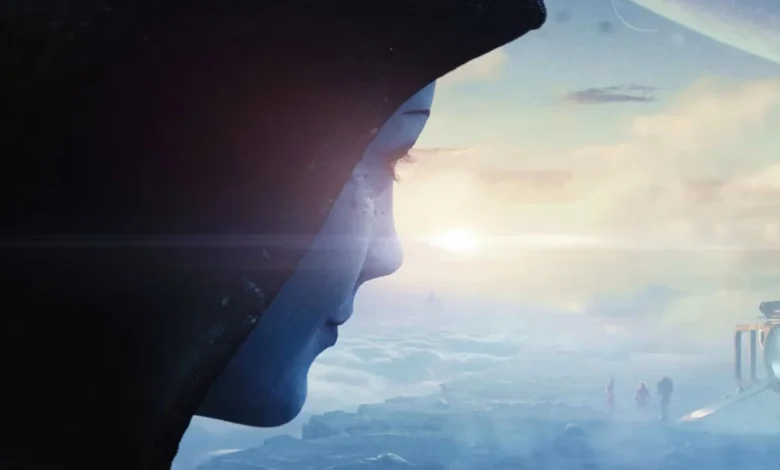
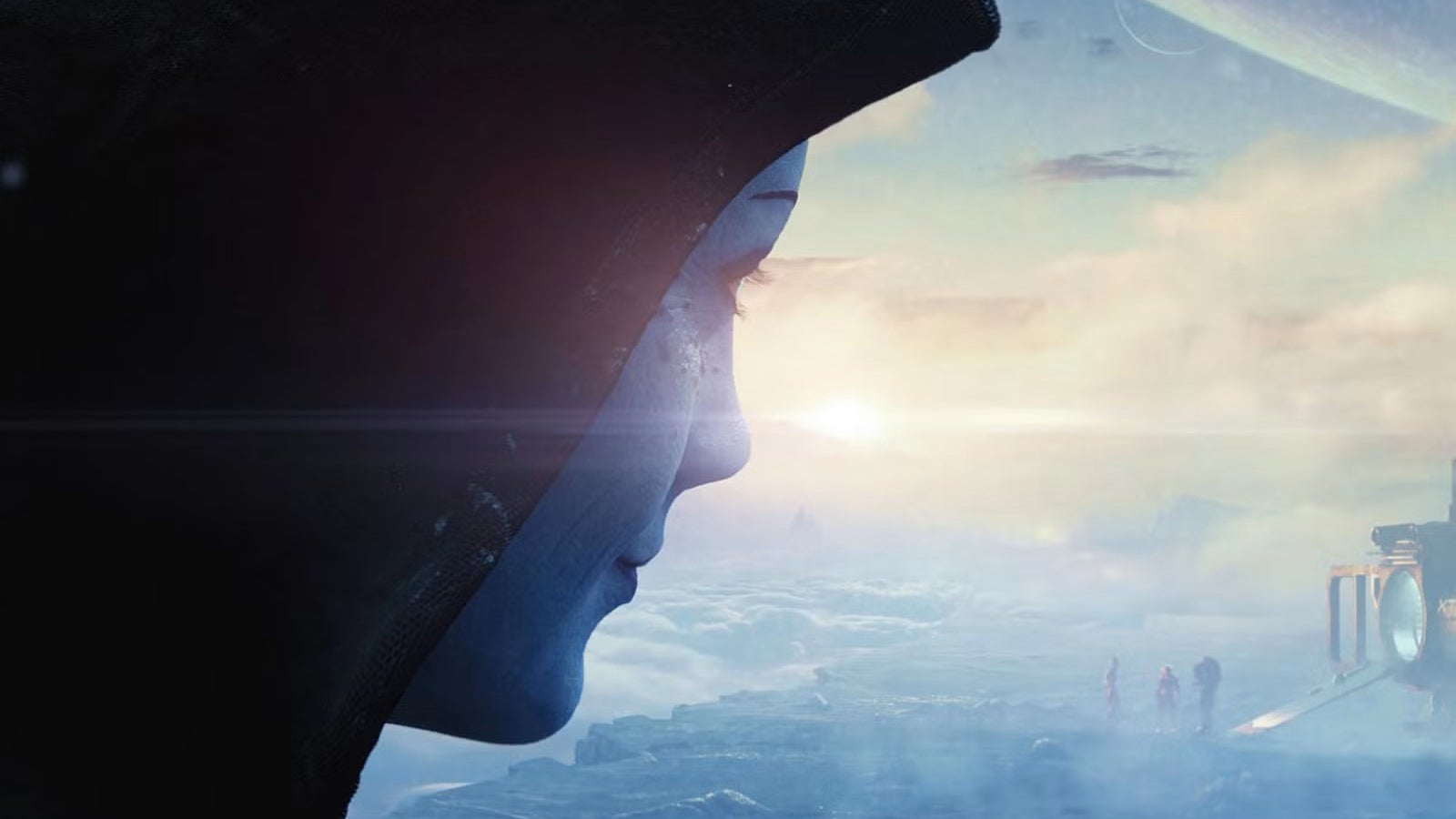
The unfolding crisis began last week when Electronic Arts announced the shuttering of BioWare, citing corporate realignment and strategic redirection. Along with the studio closure came the definitive confirmation that the in-development Mass Effect sequel, which had recently teased returning characters such as Liara Tsooni, was permanently canceled.
Within hours of the announcement, the community’s collective shock transformed into organized resistance. Spearheaded by community groups such as "We Are Mass Effect" alongside prominent content creators like Kala Elizabeth, fans began coordinating rapid-response initiatives. The movement’s primary vehicle, an online petition hosted on Change.org, experienced exponential growth over its first weekend online, surpassing 226,000 signatures and continuing to climb rapidly.
The petition explicitly calls upon EA—the legal rights holder to the intellectual property—to reconsider its stance. Fans are urging the publishing giant either to secure funding for the continuation of the franchise internally or, alternatively, to license the intellectual property to an external development studio capable of steering the universe forward with the care and reverence it demands.
Escalating the Message: Times Square and Beyond
What began as online hashtags and petition signatures quickly escalated into physical, high-visibility public demonstrations. On October 26, 2026, the movement achieved a major milestone by securing a prominent digital billboard in the heart of New York City’s Times Square.
Located at 1560 Broadway, directly above the Pelé store in Duffy Square, the digital display broadcasts the #SaveMassEffect message for 15 seconds every hour at the 35-minute mark. Prominently featured on the advertisement is the phrase "Kellah Si’yah"—a poignant deep-cut reference to the in-game ship that transported diverse galactic species to settle the Andromeda system, serving as a rallying cry for unity and perseverance among the fanbase.
According to campaign organizers, the Times Square billboard is merely the opening salvo in a comprehensive, globally coordinated advertising campaign. Mer Mora, an organizer with the We Are Mass Effect initiative, outlined plans for further public demonstrations. These include deployment of dedicated advertising trucks scheduled to circle EA’s corporate headquarters in Redwood City, California, as well as operational hubs in Edmonton, Canada. Furthermore, the group is preparing a mobile billboard targeted for N7 Day—the unofficial annual holiday celebrated by the franchise’s fanbase—as well as a high-visibility activation in Los Angeles timed to coincide with The Game Awards.
Crowdfunding Generosity and Support for Laid-Off Developers
Remarkably, the entirety of these high-cost public awareness campaigns is entirely self-funded by the community. To manage the influx of financial support, organizers established a GoFundMe initiative, which met an overwhelmingly positive response from players eager to contribute monetary resources to keep the campaign visible.
In a demonstration of solidarity with industry professionals, the campaign has integrated a significant charitable component. Organizers have committed that all financial contributions exceeding the operational goals of the advertising campaign will be directly donated to the Game Workers’ Hardship Fund.
Established earlier in the year by the United Videogame Workers union (UVW-CWA), the hardship fund provides vital financial assistance to video game developers who have been abruptly laid off across Canada and the United States. This philanthropic pivot highlights a growing maturity within fan-led movements, explicitly acknowledging that the crisis at BioWare extends far beyond corporate intellectual property rights, directly impacting the livelihoods of hundreds of skilled workers.
Industry Implications and the Future of Corporate IP Stewardship
The fierce public reaction to the cancellation of Mass Effect 5 sheds light on broader structural tensions within the modern video game industry. As major publishers grapple with rising development costs, elongated production cycles, and shifting market dynamics, corporate restructuring frequently results in the closure of historic studios and the abandonment of cherished intellectual properties.
Analysts note that the "Save Mass Effect" campaign reflects a fundamental shift in consumer-publisher relationships. Fans no longer passively accept the retirement of franchises that hold deep emotional significance; instead, they utilize modern communication tools, decentralized organizing, and capital-raising platforms to apply direct public pressure on corporate decision-makers.
Whether Electronic Arts will respond to the mounting pressure remains uncertain. Historically, major publishers rarely reverse corporate shutdowns or licensing decisions based on public petitions alone. However, the sheer scale of the mobilization—coupled with international media attention and substantial financial backing—demonstrates the enduring commercial and cultural viability of the Mass Effect universe.
As the campaign prepares for its upcoming milestones on N7 Day and at The Game Awards, the global community remains steadfast. Operating under the franchise’s most iconic military mantra, fans across the world continue to hold the line, determined to ensure that humanity’s journey among the stars does not end in silence.
Related posts: