City of Six Moons is the upcoming board game that forces players to translate an alien language to learn the rules.

The landscape of modern tabletop gaming is defined by a paradox: as games grow more complex, developers strive for increased accessibility, often streamlining rulebooks and offering interactive tutorials. However, the upcoming solo title City of Six Moons, designed by Amabel Holland and published under the Hollandspiele label, intentionally defies this trend. By presenting its rulebook entirely in an invented alien language, the game transforms the act of learning into a core mechanical pillar of the experience, challenging players to bridge a cultural and linguistic chasm before the first turn can even be taken.
The Mechanics of Linguistic Discovery
At its heart, City of Six Moons is a single-player strategy experience focused on the development and guidance of an extraterrestrial civilization. While most board games provide a clear, linear path to understanding through printed manuals, Holland’s design philosophy for this project centers on the "alien" nature of the game itself. The rulebook is not merely a set of instructions; it is an artifact of an unknown culture.
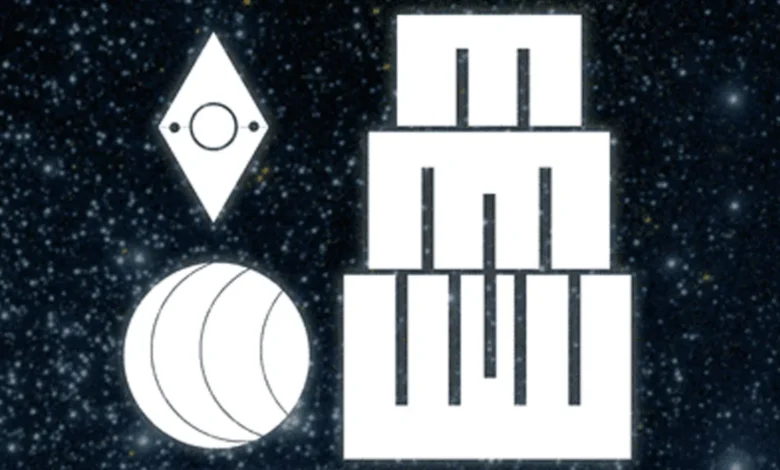
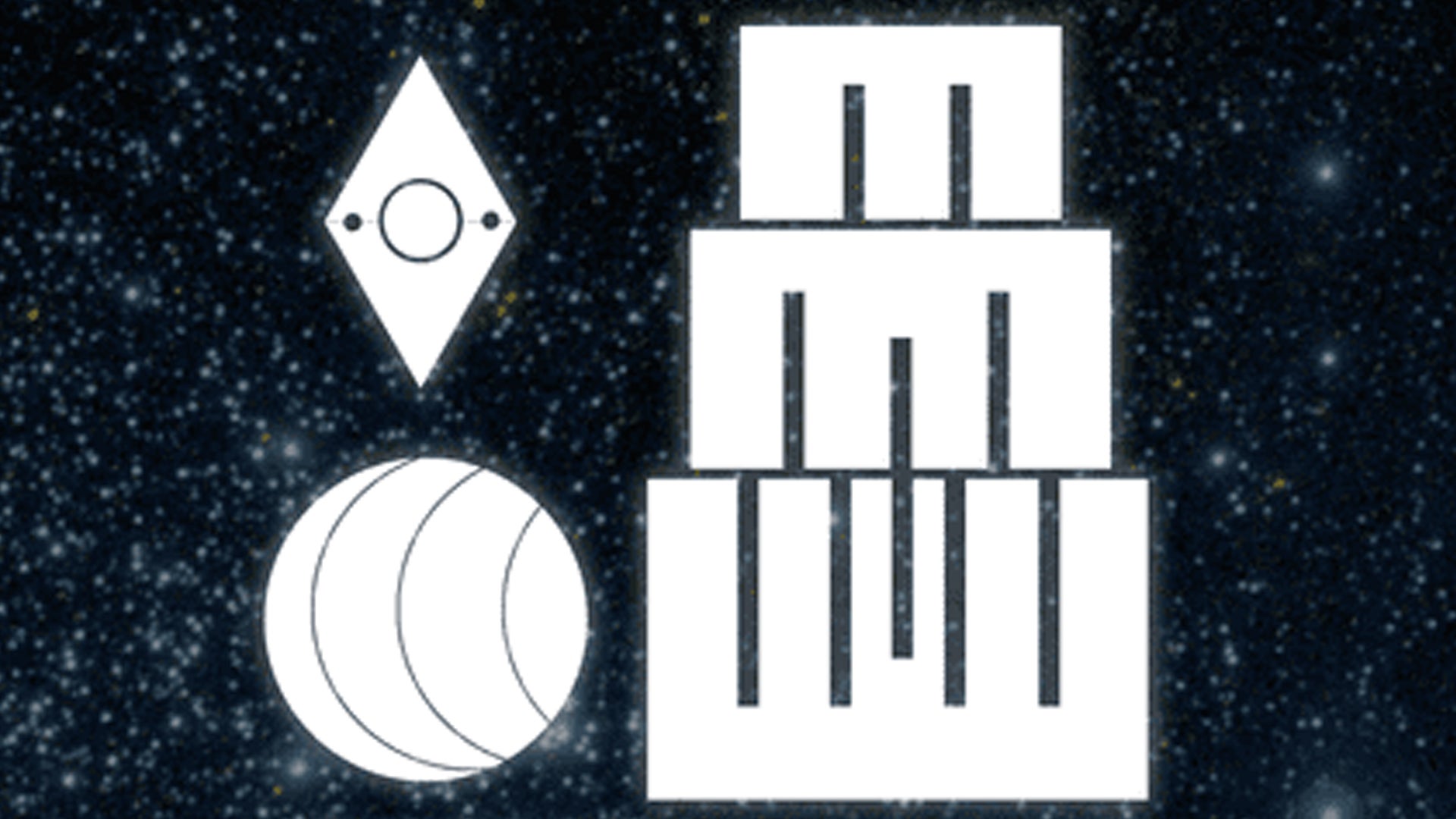
Players are tasked with deciphering a series of icons, glyphs, and non-human symbols. To succeed, one must rely on a blend of deductive reasoning, pattern recognition, and an open-minded approach to cultural interpretation. The design assumes that the alien authors of this "document" operated under different cognitive frameworks than humans, meaning that standard game-design tropes may not apply. This creates a barrier to entry that is simultaneously a narrative hook and a psychological experiment.
A Chronology of the Concept
The announcement of City of Six Moons has been met with a mixture of curiosity and apprehension within the board game community. The project, which has been in development for several years, marks a distinct shift for Hollandspiele, a publisher known for its historically focused and often mechanically dense wargames and simulation titles.
- Initial Conceptualization: Amabel Holland began exploring the idea of a "non-human" interface, moving away from the traditional linear instruction set.
- The Development Phase: Throughout late 2023 and early 2024, teasers regarding the game’s unique barrier to entry began to surface on social media platforms, including Bluesky and BoardGameGeek.
- Public Disclosure: Official confirmation of the "untranslatable" rulebook concept was provided in early 2024, clarifying that the game would not include a traditional translation key.
- Release Window: The title is currently scheduled for a commercial release in the coming month, distributed through the Hollandspiele online storefront.
Official Stance and Designer Intent
One of the most provocative aspects of City of Six Moons is the designer’s refusal to provide assistance. In an era where digital support channels, forums, and Discord servers provide immediate answers to rules-based inquiries, Holland has taken a firm stance: she will not clarify the game’s mechanics.
This refusal is not intended to be dismissive; rather, it is a deliberate attempt to preserve the integrity of the "first contact" experience. On social media, Holland has noted that the process of solving the code is a "lesser" experience once the secrets are known. The transition from mystery to clarity represents a permanent shift in the player’s relationship with the game. As Holland noted, she wants players to feel the "loss" of that mystery, viewing the lingering sense of the unknown as a vital component of the game’s emotional arc.
Supporting Context: The Evolution of Solo Gaming
The solo board game market has experienced an unprecedented surge in growth since 2020. Data from industry trackers suggests that solo-capable games—or titles designed exclusively for one player—now constitute a significant portion of Kickstarter revenue and retail sales.
Historically, solo games were often seen as a secondary mode, a "variant" to be tacked onto a multiplayer design. Today, games like City of Six Moons represent the vanguard of the "bespoke solo" movement, where every component is calibrated for a singular user experience. While most games in this category focus on high-difficulty AI opponents or resource management puzzles, City of Six Moons pushes the boundary by making the interface itself the primary obstacle.
Implications for Game Design and Literacy
The design of City of Six Moons raises significant questions regarding game literacy. Can a game be considered "functional" if its rules are hidden behind a cryptographic layer? In traditional software or tabletop design, this would be classified as a "poor user experience." In the context of City of Six Moons, it is being marketed as the primary feature.
This approach challenges the player to engage in active rather than passive consumption. By forcing the player to interpret symbols without an external guide, the game creates a subjective interpretation of the rules. If two players arrive at different conclusions regarding the "correct" way to play, they are effectively creating their own version of the game’s reality.
Broader Impact on the Industry
The release of this title will likely serve as a case study in how far indie developers can push the boundaries of "barrier-to-entry" design. If City of Six Moons succeeds, it may encourage other designers to experiment with non-traditional rule delivery, potentially utilizing augmented reality, cryptic puzzles, or environmental storytelling to replace standard manuals.
However, the risk remains that such an experimental design could alienate a large segment of the potential player base. The demand for clear, concise, and accessible rulebooks is higher than ever, driven by the need for quick setup times and ease of learning. By deliberately rejecting these norms, Holland is narrowing the target audience to those who find the frustration of confusion more compelling than the gratification of immediate playability.
Looking Toward the Release
As the release date approaches, potential players are left with minimal information. The cover art, which features the mysterious iconography that defines the game, has become the focal point of community discussion. While the specific components remain shrouded in secrecy, it is expected that the game will rely on a tactile, physical interaction between the player, the rulebook, and the game board.
Ultimately, City of Six Moons is an invitation to inhabit the role of a scholar or an explorer. By refusing to provide a "correct" way to play, the game grants the player a unique form of agency. Whether the experience is viewed as a brilliant exercise in immersive design or an overly opaque challenge, it is undoubtedly a landmark moment in the ongoing evolution of tabletop board games. The success of the project will not be measured by how many people master its rules, but by how many are willing to accept the ambiguity of the journey itself.