Hannibal and Hamilcar return to tabletop with exclusive metal miniatures via Gamefound campaign

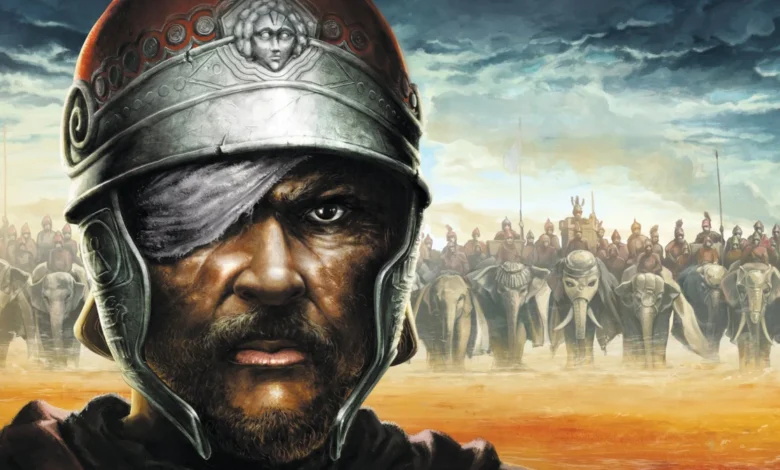
The Punic Wars, a series of three monumental conflicts fought between Rome and Carthage from 264 BC to 146 BC, remain one of the most studied periods of military history. Now, this epochal struggle is returning to the tabletop as publisher Phalanx has launched a new Gamefound campaign to bring back two of the most critically acclaimed strategy titles centered on this era: Hannibal: Rome vs. Carthage and Hamilcar: First Punic War. This crowdfunding initiative offers enthusiasts a final opportunity to secure these out-of-print titles, complemented by an exclusive set of metal miniatures.
The campaign, which concludes on May 24th, presents the games not as a single combined box set—as was the case in the 2018 iteration—but as distinct, refined editions. This shift allows collectors to choose between the land-based strategic mastery of Hannibal or the naval-focused intensity of Hamilcar.
A Legacy of Strategic Excellence
To understand the significance of this re-release, one must consider the historical footprint of these games within the wargaming community. Hannibal: Rome vs. Carthage, originally designed by Mark Simonitch, debuted in 1996. It revolutionized the "card-driven" genre by forcing players to balance military movement with political influence. In this system, cards serve a dual purpose: they can be used for operational points to move armies or to trigger specific historical events, such as the crossing of the Alps or the betrayal of local tribes.
The game’s reputation is cemented by its performance on BoardGameGeek, the industry’s primary database. With over 6,700 user ratings, the title maintains a robust 8.3 out of 10 score. Its pedigree is further burnished by the 2008 Golden Geek awards, where it secured both the "Best Wargame" and "Best 2-Player Board Game" titles. When the title was updated and released alongside Hamilcar in 2018, the package again secured the "Best Wargame" Golden Geek, underscoring the enduring appeal of Simonitch’s mechanics.
Hamilcar: First Punic War, designed by Raymond de Maria with contributions from Simonitch and John Rodriguez, serves as a thematic and mechanical companion. While Hannibal focuses on the tactical land battles and political machinations of the Second Punic War, Hamilcar shifts the perspective to the Mediterranean naval conflict that defined the earlier stages of the Roman-Carthaginian rivalry. By utilizing similar mechanics, the two games offer a cohesive experience for those wishing to simulate the full breadth of the Punic Wars.
The Evolution of the Punic War Tabletop Experience
The history of these games is a timeline of refinement. The 1996 original set the standard, but the 2018 Phalanx release brought the titles into the modern era of component quality and accessibility. The current Gamefound campaign represents the third major evolution. By offering the games as separate entities, Phalanx is responding to player feedback that requested more modularity in their collection.
The current offering includes:
- Hannibal: Rome vs. Carthage (Classic Edition): A streamlined version of the seminal land-based wargame.
- Hamilcar: Silver Edition: The naval companion, updated to match the aesthetic and mechanical standards of the current print run.
- Exclusive Metal Miniatures: A set of 26 figures finished in a distinctive dark wash, representing the key generals and leaders of the conflict.
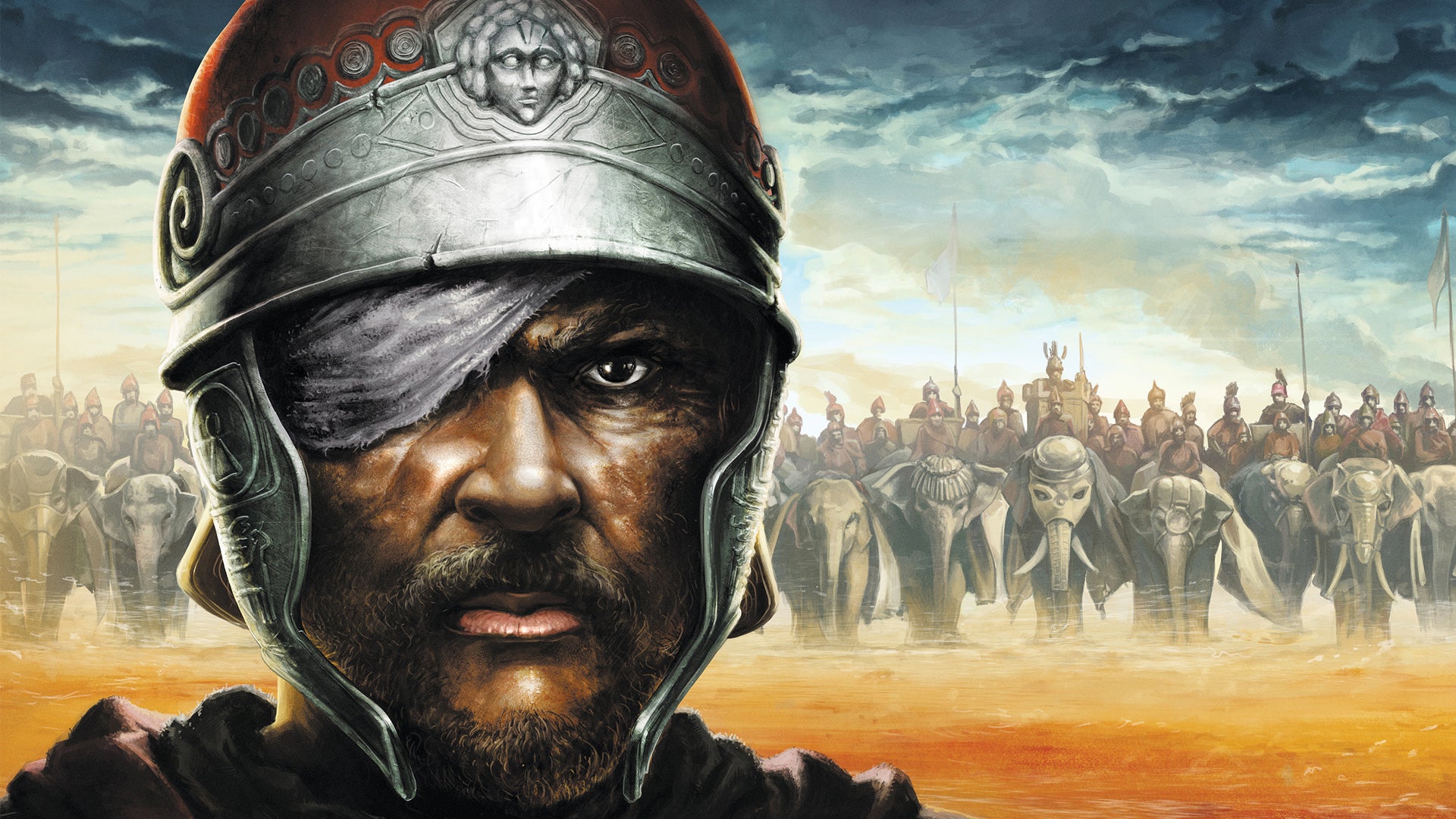
The inclusion of the metal miniatures is a significant draw for the hobbyist market. According to the publisher, these components are exclusive to this crowdfunding run and will not be available through standard retail channels. The miniatures are housed in a bespoke wooden storage box, featuring artwork of the Carthaginian general Hannibal Barca, which serves to elevate the presentation of the game from a standard board game to a collector’s item.
Market Implications and Crowdfunding Dynamics
The decision to utilize Gamefound for this re-release highlights the changing landscape of board game publishing. Crowdfunding has become the primary vehicle for high-complexity, niche strategy games that carry significant overhead in manufacturing costs—particularly when specialized components like metal miniatures are involved.
From an economic perspective, the pricing structure—€45 per game or €80 for the bundle—positions these titles in the mid-range of the hobbyist market. The inclusion of the €95 storage box and miniatures, bringing the "all-in" price to €160, targets the high-end collector.
This model minimizes the financial risk for the publisher while providing a clear "end-of-life" for the current print cycle. By limiting the availability of the metal miniatures to this specific campaign, Phalanx is effectively leveraging the "fear of missing out" (FOMO) phenomenon that has become a staple of modern board game marketing, ensuring that the project reaches its funding goals while providing long-term value to early backers.
Why the Punic Wars Endure
The enduring popularity of these games is not solely due to the mechanics, but the historical narrative they facilitate. The Punic Wars were a "total war" in the ancient sense; they involved the mobilization of entire states, the destruction of civilizations, and the shift of power from the Mediterranean powers of Carthage to the rising Roman Republic.
- The First Punic War (264–241 BC): Primarily a struggle for Sicily and naval supremacy. Hamilcar focuses on the desperation of the naval battles and the attrition of island warfare.
- The Second Punic War (218–201 BC): Famous for Hannibal’s crossing of the Alps and his campaign in Italy. This is the centerpiece of Hannibal: Rome vs. Carthage, focusing on deep strategy and the "fog of war."
Analysts of the tabletop industry note that historical wargames have seen a resurgence in the post-pandemic era. Players are increasingly seeking "heavy" games—those with longer play times and deeper strategic complexity—as an alternative to digital entertainment. The success of the Hannibal & Hamilcar campaign is a reflection of this trend, as players look for games that reward study, repetition, and a deep understanding of historical variables.
Looking Ahead
With a projected delivery date of August next year, the campaign offers a clear timeline for backers. The extended lead time is typical for projects requiring the production of custom metal components and high-quality wooden storage solutions.
The success of this campaign will likely serve as a barometer for future re-releases of classic wargames. If the demand for the metal miniatures remains high, it may signal to other publishers that there is a viable market for "deluxe" versions of historical titles that were previously considered "budget-friendly" or "minimalist."
For the casual player, the core games remain accessible, but for the serious strategist, the current Gamefound campaign represents the definitive version of the Hannibal and Hamilcar experience. As the clock ticks down to the May 24th deadline, the interest remains high, with the community eagerly anticipating the return of what many consider the "gold standard" of two-player strategy.
In conclusion, the return of Hannibal and Hamilcar is more than just a reprint; it is a celebration of a game design that has stood the test of time. By combining the classic, card-driven engine that defined a generation of wargaming with modern, high-quality components, Phalanx is ensuring that the struggle between Rome and Carthage remains as vibrant and competitive on the tabletop as it was on the battlefields of the ancient world. Whether one is a veteran of the 1996 original or a newcomer drawn in by the allure of the metal miniatures, this campaign offers a rare opportunity to own a piece of gaming history.
Related posts: