TROPICAL PARASITE: New Mermaid Horror Film from Jared Masters Now Streaming and Available on DVD

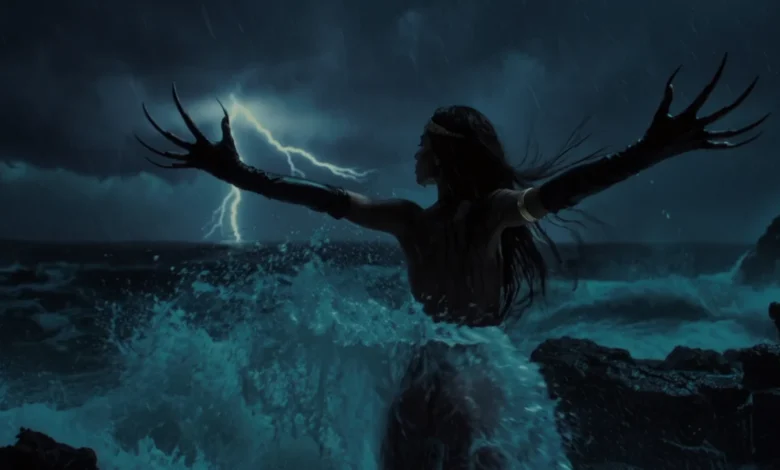
Independent filmmaker Jared Masters, recognized for his distinctively unconventional approach to genre cinema with works such as Slink, has officially expanded his catalog with the release of his latest supernatural horror feature, Tropical Parasite (2026). The film, which explores the intersection of maritime mythology and psychological horror, is currently available to the public through multiple digital streaming platforms and physical media distribution channels. As of mid-October 2026, the production has entered its wide release phase, marking a significant milestone in Masters’ career as an independent auteur.
Production and Narrative Context
Set against the backdrop of the Andaman Sea, Tropical Parasite shifts the traditional narrative of the "treasure hunter" trope into the realm of the surreal and the occult. The plot centers on a protagonist whose search for material wealth leads to an encounter with an ancient, maligned curse cast by a legendary sea gypsy. This narrative catalyst serves to introduce a water nymph whose influence functions as a hypnotic, lethal romantic entanglement.
The film serves as a synthesis of several disparate sub-genres: island-based exploitation cinema, psychedelic fantasy, and traditional monster-centric horror. By integrating these elements, Masters aims to subvert audience expectations regarding mermaid-themed narratives, moving away from folklore-heavy adaptations toward a more visceral, atmosphere-driven experience. The production design prioritizes the sensory dissonance of the tropical setting, utilizing the lush, vibrant environment of the Andaman region to contrast with the dark, claustrophobic nature of the supernatural threats faced by the characters.
Chronology of Development and Release
The development of Tropical Parasite followed a deliberate trajectory consistent with independent genre production cycles. Pre-production began with a focus on location scouting in coastal areas, aiming to capture the authentic aesthetic of maritime isolation. Filming progressed through 2025, with post-production efforts focusing heavily on the integration of visual effects required to bring the creature-based elements to life.
By the third quarter of 2026, the film reached its final edit, leading to the distribution strategy that materialized in October. The decision to pursue a simultaneous release on streaming services such as Plex and Fawesome, alongside a physical DVD release via Amazon, reflects a modern distribution model that prioritizes immediate accessibility for niche horror audiences while maintaining the collector-centric appeal of physical media.
Industry Data and Audience Reception
In the current landscape of independent horror, the success of a film is often measured by its reach on free ad-supported streaming television (FAST) platforms. Platforms like Plex and Fawesome have become essential nodes for independent distributors, as they provide a global audience without the barrier of subscription fees. By leveraging these channels, Tropical Parasite seeks to capitalize on the growing demand for "cult" and "underground" cinema.
Initial audience feedback has begun to circulate through digital review platforms. A notable critique from the Letterboxd community, specifically from user Thorzuul, highlights the film’s unique visual language and the cohesion of its ensemble cast. According to early assessments, the film’s strength lies in its ability to balance traditional horror elements with sharp, intentionally stylized dialogue. This feedback suggests that the film is effectively reaching its target demographic—fans of independent genre films who prioritize aesthetic experimentation over conventional studio-produced horror tropes.
The Evolution of Tropical Horror
The release of Tropical Parasite contributes to the broader historical continuum of the "tropical horror" sub-genre, which has evolved from 1970s and 80s exploitation films set in isolated, jungle-bound locales. These films typically rely on the concept of the environment as a hostile force—an "othering" of the landscape where nature, folklore, and humanity collide.
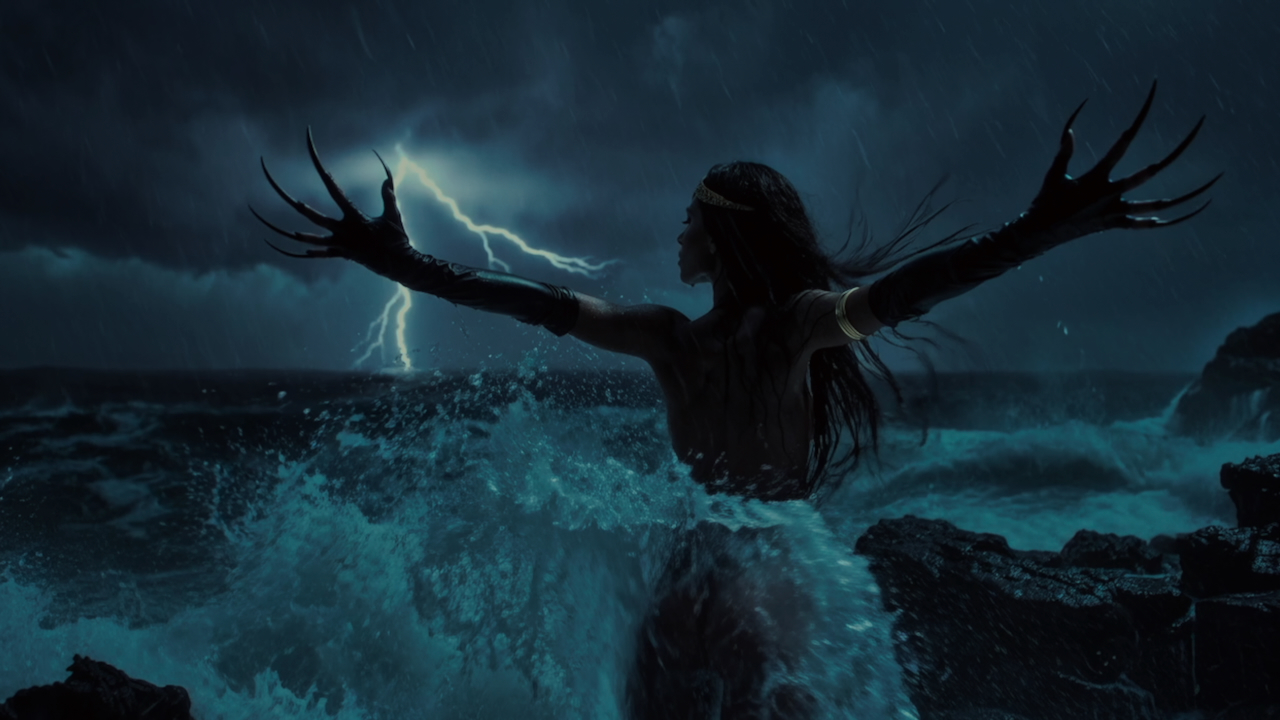
By incorporating elements of mermaid mythology, Masters engages with a long-standing tradition of siren-based folklore, which has served as a cautionary tale against obsession and desire throughout literary history. However, Tropical Parasite differentiates itself by grounding these elements in a modern, gritty, and psychedelic visual framework. This stylistic choice is indicative of the current trend among independent directors to reclaim "B-movie" aesthetics while elevating them through modern technical execution and thematic depth.
Analysis of Implications for Independent Filmmaking
The release strategy for Tropical Parasite offers several insights into the sustainability of independent genre film in 2026. First, the reliance on multiple digital platforms underscores the necessity of platform diversification. For filmmakers operating outside the major studio system, the ability to reach an international audience through digital aggregators is the primary determinant of a project’s visibility.
Second, the continued production of physical DVDs, despite the industry-wide shift toward streaming, highlights a lingering, specialized market for physical artifacts. Collectors of independent horror often prioritize the tangible experience of owning a film, which provides creators like Jared Masters with an additional revenue stream that is not dependent on algorithmic visibility or fluctuating streaming licenses.
The film’s focus on "cult movie madness"—a term often used to describe cinema that defies easy categorization—also serves as a strategic marketing tool. In a market saturated with generic horror content, films that lean into specific, eccentric sub-genres are more likely to generate a dedicated, recurring audience. By explicitly courting fans of exploitation and psychedelic fantasy, Tropical Parasite positions itself not as a broad-market blockbuster, but as a specialized entry in the contemporary horror canon.
Thematic Depth and Creative Intent
At its core, the film explores the destructive nature of avarice. The protagonist’s journey, which begins as an quest for wealth, is transformed into a cautionary tale regarding the dangers of the unknown. By framing the "parasite" as both a physical threat and a metaphorical representation of desire, Masters creates a narrative that functions on multiple layers.
The inclusion of the "sea gypsy curse" acts as a bridge between historical superstition and the film’s contemporary setting. This blending of the ancient with the modern is a recurring hallmark of Masters’ work, which frequently examines how archaic fears can manifest in modern environments. The film’s dialogue, noted by early viewers for its distinctiveness, serves as a mechanism for character development, revealing the psychological degradation of the treasure hunters as they succumb to the island’s influence.
Conclusion and Future Outlook
Tropical Parasite represents a concentrated effort to maintain the vitality of independent horror filmmaking. Through a combination of strategic distribution, a clear commitment to niche aesthetic themes, and an reliance on the grassroots support of horror enthusiasts, the film occupies a unique space in the 2026 media landscape.
As streaming services continue to curate content that caters to specific fan bases, films like Tropical Parasite are poised to find a durable audience. For followers of Jared Masters, this film serves as a continuation of a thematic focus on the uncanny and the seductive power of the supernatural. Whether viewed as a piece of exploitation homage or a serious attempt to blend mythology with modern psychological suspense, the film underscores the enduring relevance of the independent spirit in the genre film industry. Interested audiences may access the film through the provided links on Plex and Fawesome, or secure a physical copy through Amazon for further viewing. The film remains a testament to the fact that, even in an era of massive digital saturation, there is still room for the strange, the obscure, and the uniquely terrifying.