Avengers Doomsday baseball crossover marketing campaign fails to deliver on fan expectations for cinematic slice of life content

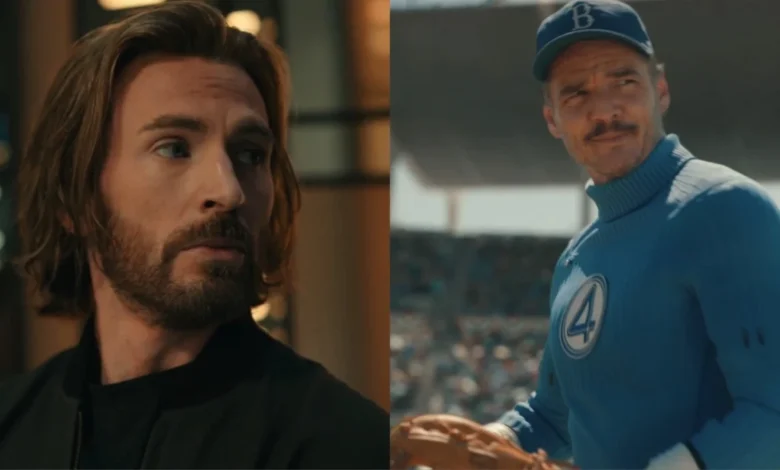
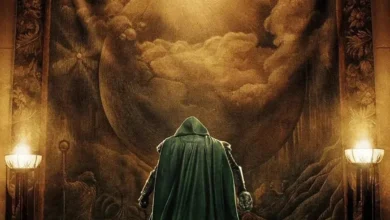
The recent promotional collaboration between Marvel Studios and Major League Baseball (MLB) for the upcoming film Avengers: Doomsday has sparked significant discourse regarding the marketing strategies employed for high-budget tentpole features. Released during the 2026 World Series, the teaser trailer—intended to bridge the gap between America’s pastime and the Marvel Cinematic Universe (MCU)—featured an assembly of MLB stars including Bryce Harper, Freddie Freeman, Jacob Misiorowski, Junior Caminero, and Randy Arozarena. However, the promotional spot fell short of the audience’s desire for character-driven narratives, instead offering a montage of existing footage spliced with minor promotional vignettes.
Chronology of the Marketing Event
The campaign reached its peak on October 24, 2026, when the official MLB social media channels debuted a crossover video titled "Worlds Collide." The teaser was designed to build anticipation for the December 18, 2026, theatrical release of Avengers: Doomsday.
Historically, Marvel Studios has utilized sports broadcasts as high-visibility platforms for trailer drops. This specific strategy aimed to capture the broad demographic of the World Series audience. The timeline of the promotional cycle is as follows:
- Mid-October 2026: Teaser posters and cryptic social media posts suggest a collaboration between the studio and the league.
- October 24, 2026: The primary crossover video is released, featuring appearances by prominent MLB athletes alongside CGI-rendered elements of the Fantastic Four, specifically Mister Fantastic, the Human Torch, and The Thing.
- Late October 2026: Initial public reaction indicates a divide between appreciation for the star-studded athlete cameos and disappointment regarding the lack of substantial narrative content for the Avengers themselves.
Analysis of the Promotional Content
The promotional spot featured a sequence in which Mister Fantastic (Reed Richards) demonstrated his unique physiology by pitching a baseball. While the visual effects were praised for their technical execution, the narrative substance was limited. The clip included a brief dialogue exchange involving Ant-Man, who mistakenly referred to Steve Rogers as Captain America. This interaction served as a nod to the current status of the MCU—where Sam Wilson has officially assumed the mantle—yet it highlighted the tension between nostalgia for legacy characters and the progression of current storylines.
The industry standard for "slice-of-life" marketing, popularized by films such as the original Avengers (2012) and Avengers: Age of Ultron (2015), remains the gold standard for audience engagement. These moments, such as the famous shawarma post-credits scene, provided viewers with a sense of the heroes’ humanity, grounding the supernatural stakes in relatable, mundane scenarios. By opting for a high-concept marketing gimmick over character development, the Doomsday teaser alienated segments of the fandom that prioritize interpersonal dynamics over spectacle.
Contextual Background: The Evolution of Marvel Marketing
The MCU has undergone significant shifts in tone and scope since the conclusion of the Infinity Saga. As the studio prepares for the introduction of the Fantastic Four into the primary timeline, marketing efforts have increasingly focused on cross-platform synergy. The partnership with the MLB represents a move toward lifestyle-brand integration.
Historically, baseball has been utilized in cinema to represent Americana. By inserting characters like the Human Torch into a ballpark setting, Marvel sought to establish these new characters as part of the broader American cultural fabric. However, data from audience sentiment analysis suggest that while the "crossover appeal" was successful in terms of reach, the "conversion intent"—the desire to purchase tickets—was not bolstered by the lack of original, non-recycled footage.
Fact-Based Analysis of Implications
The primary implication of this marketing move is the potential disconnect between studio executives and the core audience. While large-scale cinematic universe films require massive marketing budgets, the effectiveness of these campaigns is increasingly tied to the perception of authenticity. When a trailer consists primarily of previously released footage, it can lead to "trailer fatigue."
Furthermore, the inclusion of MLB stars is a strategic move to hedge against a decline in traditional comic book movie interest. By aligning with professional sports, Marvel Studios attempts to capture the "casual" viewer. However, if the promotional materials do not provide fresh insights into the film’s plot or character arcs, the risk of negative reception increases.
Broader Industry Impact
The sports-movie crossover is not a novel concept, but its application in the modern streaming and social media era requires a delicate balance. A similar promotional effort for previous blockbusters often involved custom-filmed skits or high-quality teasers that did not rely on recycled content. The negative reception of the Doomsday teaser provides a case study in the necessity of providing "value-add" content in promotional spots.
Industry experts note that as box office competition intensifies, the necessity for a multi-faceted marketing strategy is paramount. The integration of MLB stars serves as a form of "cross-pollination," where the reach of one brand is extended by the established audience of another. Yet, the limitation of this specific campaign—the inability to provide the "slice-of-life" moments that fans crave—suggests that marketing departments must re-evaluate how they utilize cameos to drive anticipation.
Future Expectations and Official Outlook
As the release date of December 18 approaches, Marvel Studios faces the challenge of maintaining momentum. The decision to feature the Fantastic Four in a baseball setting may have been a calculated move to introduce their lighter, more eccentric dynamic to a mainstream audience. Despite the criticism regarding the content of the teaser, the engagement metrics—measured by social media shares and hashtag volume—remained high.
The studio has not issued a formal statement regarding the criticism of the promotional spot, which is standard procedure for major tentpole releases. However, the feedback loop from social media platforms will likely influence the tone of the final marketing push in the weeks leading up to the premiere.
Ultimately, the Avengers: Doomsday baseball campaign highlights a recurring tension in the modern blockbuster era: the struggle to balance massive, spectacle-driven marketing with the intimate, character-focused storytelling that originally defined the franchise. Whether or not the final film will deliver the long-awaited team-building moments remains to be seen. As fans prepare for the theatrical debut, the hope remains that the finished product will prioritize the emotional resonance of its characters, perhaps even including the casual baseball game that the teaser hinted at but failed to deliver. With tickets now available, the industry will be watching closely to see if the film can overcome the lukewarm reception of its promotional campaign to secure a successful opening weekend.