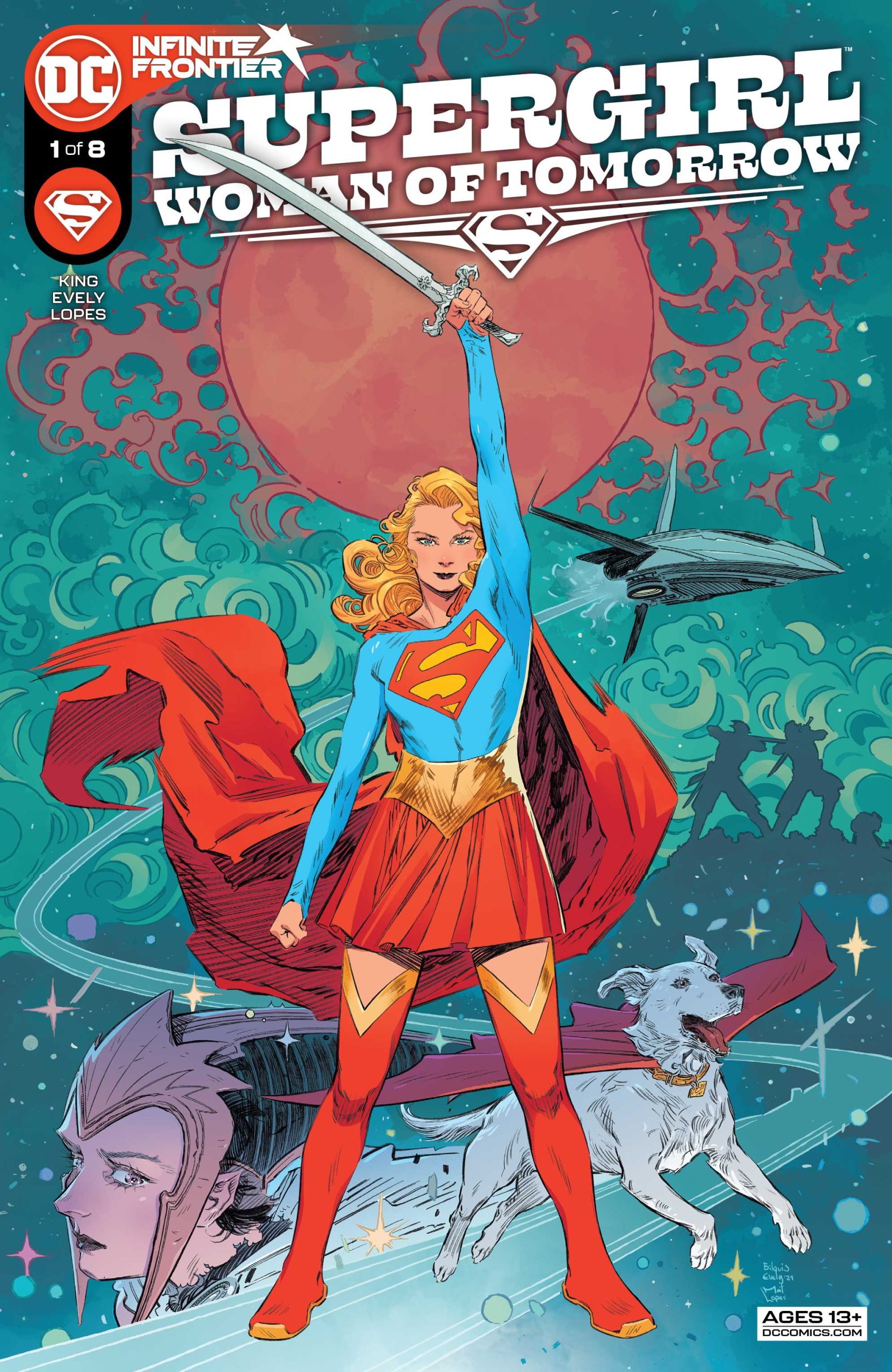
The comic series Supergirl: Woman of Tomorrow, originally released as an 8-issue mini-series in 2021, is experiencing a significant resurgence in discussion and re-evaluation, fueled by the impending cinematic adaptation slated for release on June 26, 2026. This renewed interest prompts a critical re-examination of the source material, particularly its characterization of Kara Zor-El and its narrative choices, contrasting initial critical reception with evolving fan discourse.
The Genesis of a Critically Acclaimed Series
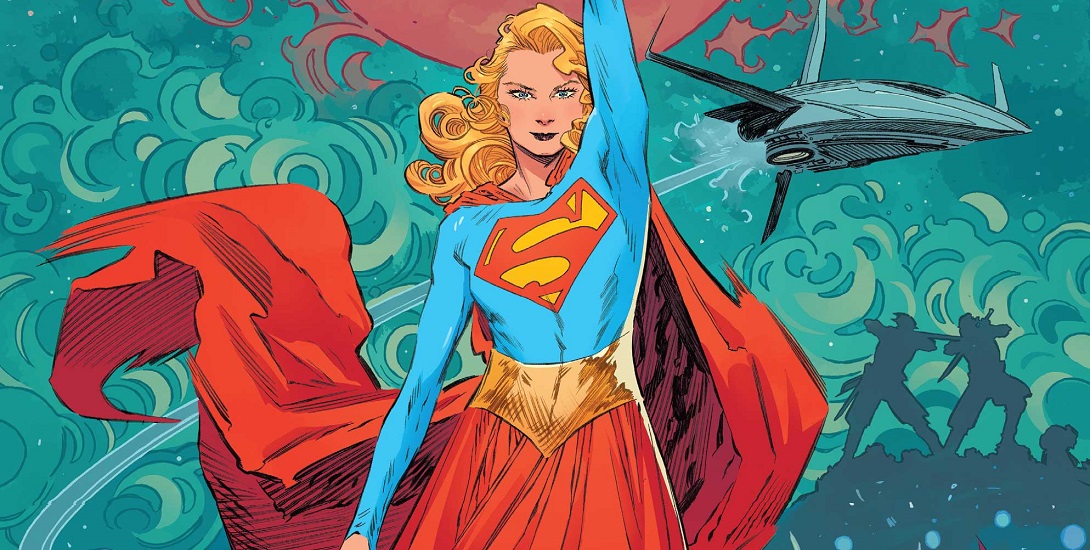
Upon its initial publication, Supergirl: Woman of Tomorrow, penned by Tom King with art by Bilquis Evely and colors by Matheus Lopes, was largely met with widespread critical acclaim. Reviewers lauded its ambitious narrative, stunning visuals, and King’s distinctive approach to superhero storytelling. The series was praised for its mature themes, exploring grief, trauma, and the complex journey of a young alien hero seeking justice across the cosmos. Many critics highlighted its poetic narration and its ability to delve into Supergirl’s psyche in a manner rarely seen before. This publication, for instance, offered a positive initial assessment, aligning with the general sentiment that the series represented a fresh and impactful take on the character.
However, in the four years since its debut, a more nuanced and often polarized discourse has emerged within the comic book community. While many still champion the series, a vocal segment of long-time Supergirl fans, those deeply invested in the character’s extensive history and established persona, have expressed significant reservations. These fans often felt that King’s portrayal deviated too sharply from the core tenets of Kara Zor-El, sparking a debate about character fidelity versus authorial interpretation. The anticipation of the upcoming film, a cornerstone of James Gunn and Peter Safran’s new DC Universe, intensifies this discussion, as the comic’s portrayal of Supergirl is poised to become the definitive cinematic interpretation for a new generation of viewers.
A Deep Dive into Supergirl’s Characterization: Points of Contention
One of the most frequently debated aspects of Woman of Tomorrow concerns its initial depiction of Supergirl. The series opens with Kara Zor-El, celebrating her 21st birthday, in a state of apparent self-isolation, notably portrayed as inebriated. This scene, designed to immediately establish a sense of melancholy and vulnerability, quickly became a focal point for both praise and criticism.
From a narrative standpoint, the scene aimed to ground Supergirl in a relatable human experience of loneliness and existential contemplation, even for an alien with god-like powers. The idea that a young woman, even one from Krypton, might feel misunderstood or isolated on a significant birthday resonated with some readers, suggesting a departure from the often unblemished heroism typically associated with the character. The context of her 21st birthday, a traditional coming-of-age milestone on Earth, provided a plausible setting for such introspection.
However, this portrayal raised questions for many long-standing fans. Supergirl, historically, has often been depicted as a beacon of optimism, a character who, despite the immense trauma of Krypton’s destruction, has found purpose and belonging on Earth. Her connections to Superman, Lois Lane, and the wider superhero community usually paint a picture of a hero surrounded by support. The sudden depiction of a lonely, nihilistic, and inebriated Kara, without substantial prior narrative build-up within the series itself, struck some as an arbitrary imposition rather than an organic character development.

Critics of this portrayal argued that the series missed an opportunity to connect Kara’s emotional state to her Kryptonian heritage in a more meaningful way. For instance, tying her 21st birthday to a specific Kryptonian rite of passage, such as the Guild choosing depicted in Sterling Gates’ previous runs, could have provided a profound, palpable reason for her distress. Such a link would have underscored a tangible loss – a cultural milestone forever denied to her – thereby giving her apparent depression a deeper, more resonant impetus than a seemingly generic moment of personal angst. Without such context, the initial scene risked presenting a Supergirl whose established resilience and integration into Earth society seemed momentarily ignored, leading to a characterization that felt, to some, "out of character."
Narrative Structure and Thematic Undercurrents
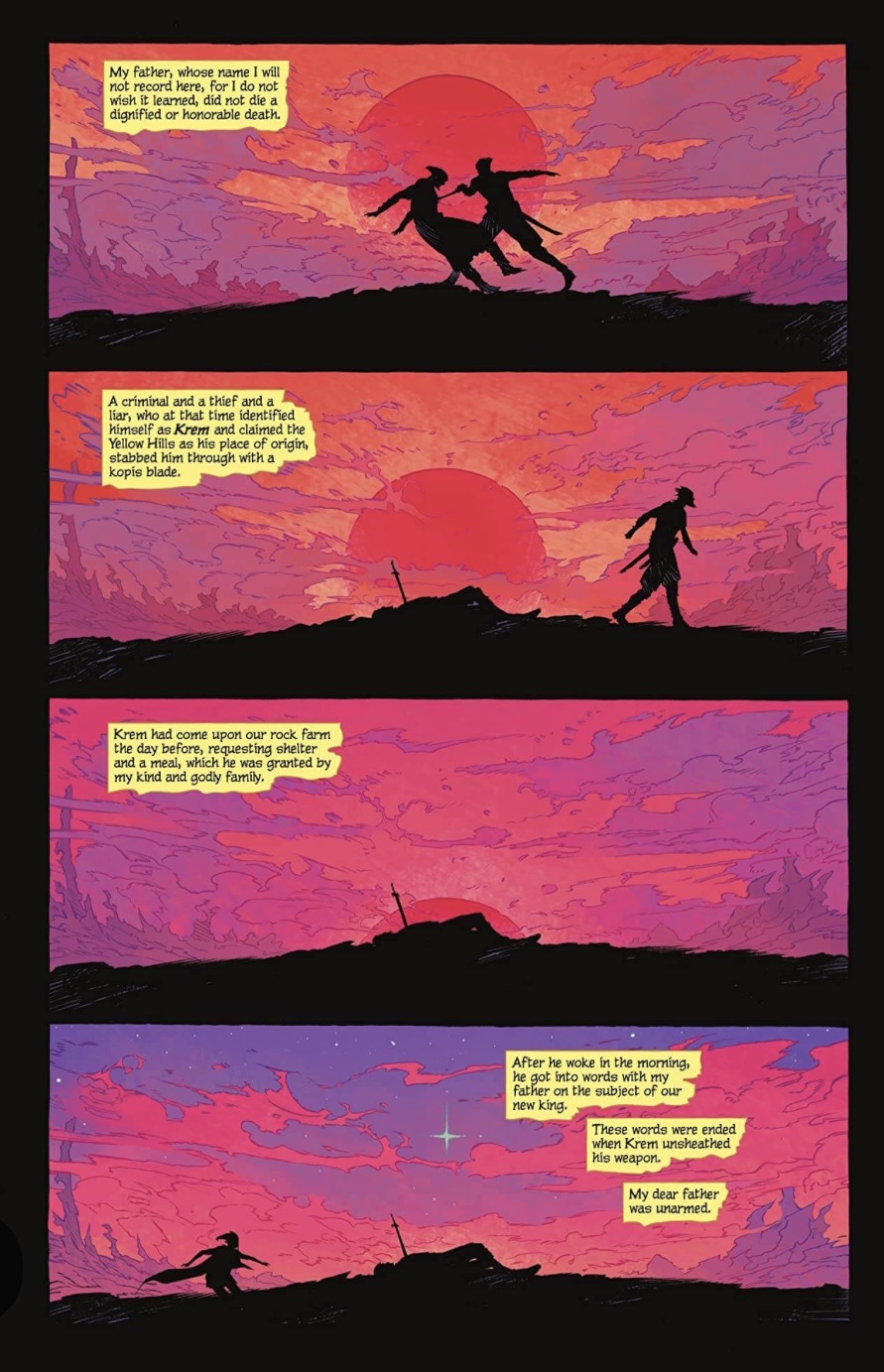
The core of Supergirl: Woman of Tomorrow revolves around Kara’s journey across the cosmos with Ruthye, a young alien girl seeking vengeance for her father’s murder by Krem of the Yellow Hills. The narrative employs Ruthye’s perspective and narration extensively, often presenting a parallelism between her profound trauma and Kara’s own experience with the destruction of Krypton. This thematic alignment, while perhaps not immediately obvious to all readers on a first pass, emerges as a crucial element upon re-reading, particularly in understanding the series’ controversial ending.

King’s storytelling technique here is deliberate: to equate Ruthye’s personal loss with Supergirl’s cosmic tragedy, suggesting that Kara’s past trauma, far from being resolved, continues to define her. This interpretation, however, again clashes with the conventional understanding of Supergirl as a character who has largely moved beyond the paralyzing grief of Krypton and found her place as a hero. While her origins are undeniably tragic, her narrative arc typically emphasizes adaptation, hope, and embracing her dual heritage.
The narrative’s reliance on Ruthye’s extensive, often overwritten, narration also impacts its re-readability. On a first read, the narration serves to guide the reader through an unfamiliar alien landscape and Ruthye’s motivations. However, once the plot points are known – the fate of Krypto, the pursuit of Krem, and the resolution of Ruthye’s quest – the constant narrative exposition can feel tedious. The urgency dissipates, and the meticulous descriptions, while initially enriching, can become an impediment to the story’s flow. While moments of Supergirl’s compassion and strength still shine through, the overarching journey loses some of its initial compelling momentum when the destination is already known.
The Unquestionable Artistry: Bilquis Evely and Matheus Lopes
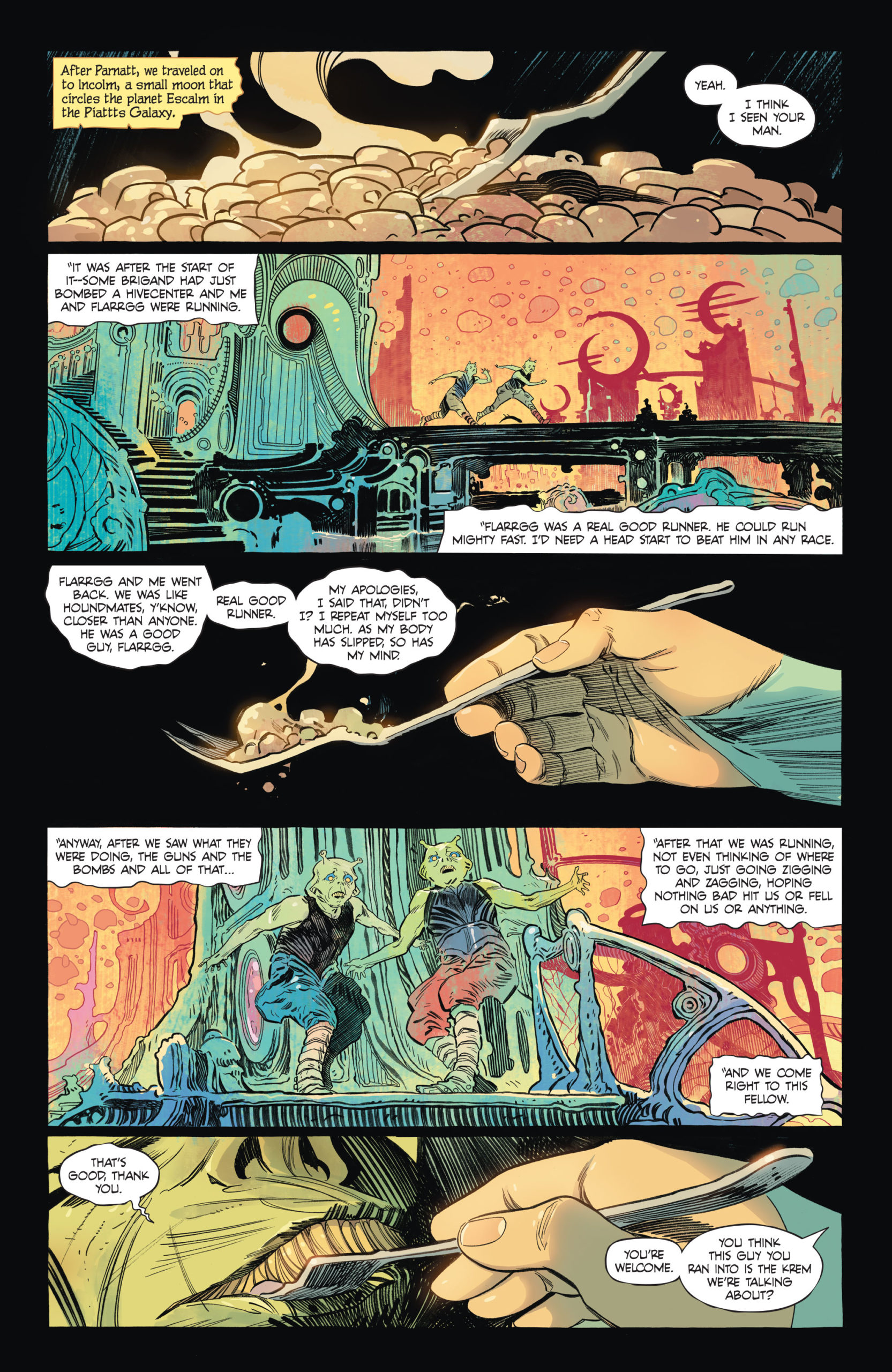
Amidst the vigorous debate surrounding the narrative and characterization, one aspect of Supergirl: Woman of Tomorrow remains almost universally lauded: the artwork by Bilquis Evely and the colors by Matheus Lopes. Evely’s intricate line work, evocative character designs, and breathtaking cosmic landscapes are nothing short of spectacular. Her ability to convey both intimate emotion and grand scale elevates the entire series, transforming King’s script into a visually stunning epic.
Lopes’s vibrant and atmospheric color palette further enhances Evely’s art, creating a distinct visual identity for the series. The interplay of light and shadow, the alien hues of distant planets, and the emotional resonance of color choices all contribute to an immersive reading experience. Indeed, many argue that the artistic merits of Woman of Tomorrow are so profound that they transcend any perceived narrative shortcomings, making the series worth experiencing for its visual splendor alone. This phenomenon is not uncommon in comics, particularly in works by writers like Tom King, whose projects often feature top-tier artistic collaborators whose contributions are often highlighted even when the story itself proves divisive. The art in Woman of Tomorrow stands as a testament to the power of visual storytelling in comics, providing pages that can be appreciated purely for their aesthetic brilliance, regardless of one’s engagement with the script.
Deconstructing the Controversial Climax and its Implications
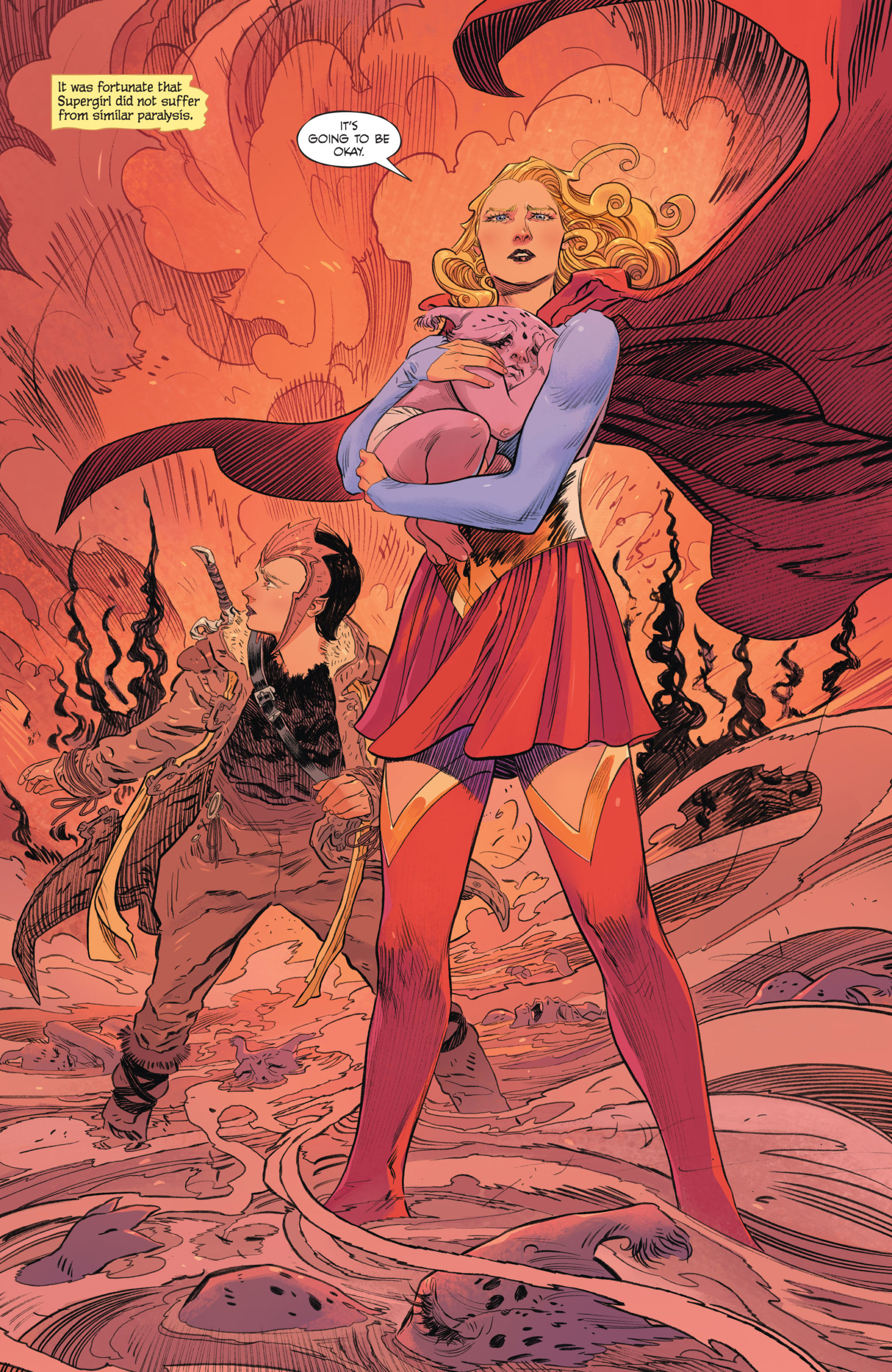
The ending of Supergirl: Woman of Tomorrow is arguably its most contentious element, sparking extensive debate about its meaning, authorial intent, and its implications for Supergirl’s character arc. In the penultimate moments, Supergirl confronts Krem, holding him at sword point. Her subsequent speech, seemingly convincing Ruthye that vengeance is not the answer, was initially interpreted by many, including this reviewer, as a "pitch-perfect" moment for Supergirl – a reaffirmation of her inherent heroism and commitment to justice over revenge. This initial reading assumed Supergirl was merely performing a dramatic gesture to teach Ruthye a lesson, never genuinely contemplating murder.
However, a closer re-reading, informed by the broader fan discourse and King’s established writing patterns, suggests a more unsettling interpretation. Tom King is known for deconstructing iconic characters, often portraying them in morally ambiguous or deeply troubled states that challenge traditional canon. Examples include his controversial portrayal of Adam Strange as a potential villain in Strange Adventures, his often grim take on Batman, or the unrecognizable JLI in The Human Target. In this context, the idea that Supergirl was genuinely tempted to murder Krem – seeing him as a proxy for the forces that destroyed Krypton – aligns with King’s tendency to write characters "out of character" to serve his narrative. This interpretation posits that Supergirl’s speech was not hyperbole, but a genuine internal struggle, halted only by Ruthye’s pleas and the potential damage to Supergirl’s inter-galactic reputation.
The final page of the series further complicates this, depicting a time jump to many years later. Krem is released from the Phantom Zone, seemingly contrite. Ruthye then strikes him on the head, causing him to fall. Supergirl and Ruthye then walk away in opposite directions in silence. This ending was initially met with widespread confusion, deemed "unclear" and "ineffective" by many, including early reviews.
However, two dominant interpretations have emerged:
- The "Bop" Interpretation: This suggests Ruthye merely delivered a minor blow, a symbolic act of defiance, and Krem would recover. This reading, however, struggles with the series’ serious tone, the gravity of the trauma it explores, and the near-murderous intent attributed to Supergirl earlier. It renders the thematic journey of the series almost "meaningless."
- The "Murder" Interpretation: This reading posits that Ruthye kills Krem. This interpretation gains significant traction when considering King’s use of literary parallelism. The final page, showing Ruthye striking Krem, directly mirrors the first page, where Krem murders Ruthye’s father. This classic narrative technique strongly suggests a cyclical act of vengeance. Furthermore, if Ruthye does kill Krem, and Supergirl says nothing in response to the warden’s report of Krem’s penitence and his own contrite speech, it signifies a profound change in Supergirl. Her silence implies not only an acknowledgment that revenge was necessary for Ruthye’s closure but, more disturbingly, an acceptance of nihilism. In this grim interpretation, Supergirl implicitly acknowledges that she herself has not moved beyond the destruction of Krypton, that she is still defined by that loss, and that the cycle of violence, even if performed by proxy, has become an acceptable means of resolution.
This darker reading, while challenging for long-time fans who see Supergirl as a symbol of hope and unwavering morality, aligns with King’s deconstructive tendencies. It transforms the series into a story where Supergirl’s journey is not one of teaching empathy and rising above trauma, but rather a descent into a quiet, resigned acceptance of its corrosive power.
The Road to the Big Screen: Implications for the DCU

The selection of Supergirl: Woman of Tomorrow as the basis for a major DC Universe film underscores its perceived importance by the new creative leadership. James Gunn has explicitly stated his admiration for the comic, and the film is intended to be a foundational element of the "Gods and Monsters" chapter. Milly Alcock has been cast in the titular role, signaling a new era for the character on screen.
The cinematic adaptation faces the significant challenge of translating a comic series with such a contentious characterization and ambiguous ending to a broad audience. Will the film lean into the darker, more nihilistic interpretation of Supergirl, or will it soften King’s edges, aligning Kara more closely with her traditional heroic persona? The choice will have profound implications for the new DCU’s tone and its portrayal of its iconic characters. If the film embraces the comic’s more challenging aspects, it could establish a DCU that is grittier and more psychologically complex. Conversely, if it opts for a more conventional heroic arc, it risks diluting the source material’s thematic depth while potentially alienating fans who appreciated King’s original vision. The upcoming film, therefore, is not just an adaptation but a crucial litmus test for the direction and philosophical underpinnings of the entire cinematic universe.
Legacy and Future Impact
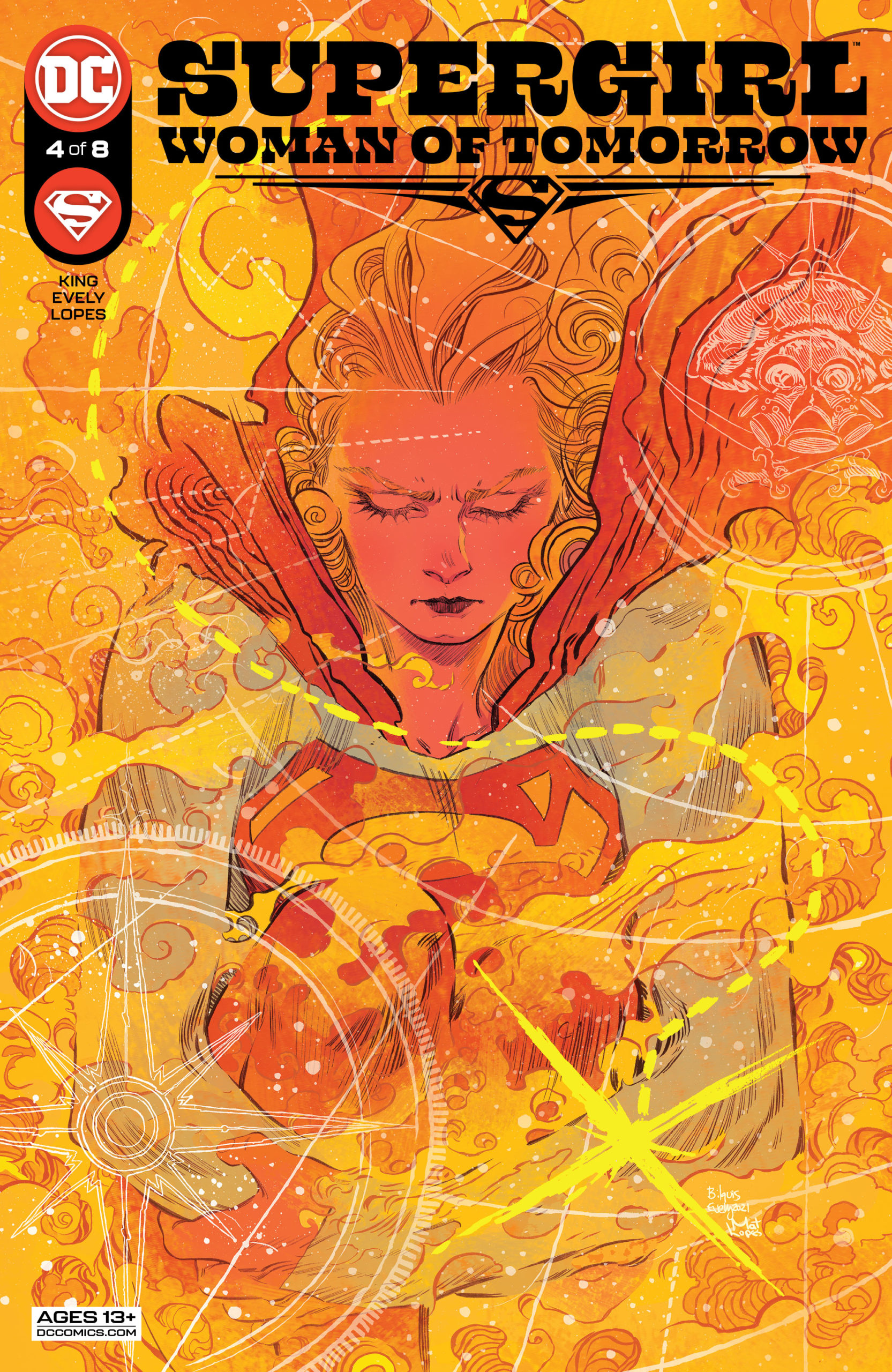
Supergirl: Woman of Tomorrow will undoubtedly remain a significant and talked-about entry in Supergirl’s bibliography. Its beautiful artwork, ambitious narrative, and provocative characterization ensure its place in comic history. The series ignited a vital discussion about how iconic characters can be reinterpreted, the role of trauma in superhero narratives, and the delicate balance between authorial vision and established canon. As the 2026 film approaches, this discourse will only intensify, forcing both long-time fans and new audiences to grapple with the complex legacy of Kara Zor-El, the Woman of Tomorrow. The comic’s lasting impact lies not just in its story, but in the enduring debate it continues to provoke about what it means to be Supergirl in a universe constantly being redefined.