Revisiting Supergirl: Woman of Tomorrow: A Critical Re-evaluation Amidst DCU Adaptation Anticipation


The upcoming cinematic adaptation of Supergirl: Woman of Tomorrow, slated for release on June 26, 2026, has ignited a significant critical re-evaluation of the original 2021 eight-issue mini-series. Initially met with widespread acclaim, the comic has, in the four years since its debut, become a subject of considerable discourse among long-time fans and critics alike. This evolving perception underscores the complexities inherent in adapting beloved comic characters and narratives, particularly as the source material’s nuances and controversial interpretations come under renewed scrutiny.
The Genesis of Supergirl: Woman of Tomorrow
When Supergirl: Woman of Tomorrow, penned by Tom King with art by Bilquis Evely and colors by Matheus Lopes, first launched in 2021, it quickly garnered significant critical attention. The series presented a darker, more introspective take on Kara Zor-El, Supergirl, as she embarks on a cosmic journey of vengeance with a young alien girl named Ruthye. The narrative’s initial reception was largely positive, praised for its stunning artwork, poetic prose, and mature exploration of themes such as trauma, grief, and the nature of justice. Many critics, including initial assessments published on platforms like DC Comics News, hailed it as a fresh and profound reinterpretation of the Maid of Might, offering a nuanced psychological portrait of a character often overshadowed by her cousin, Superman.
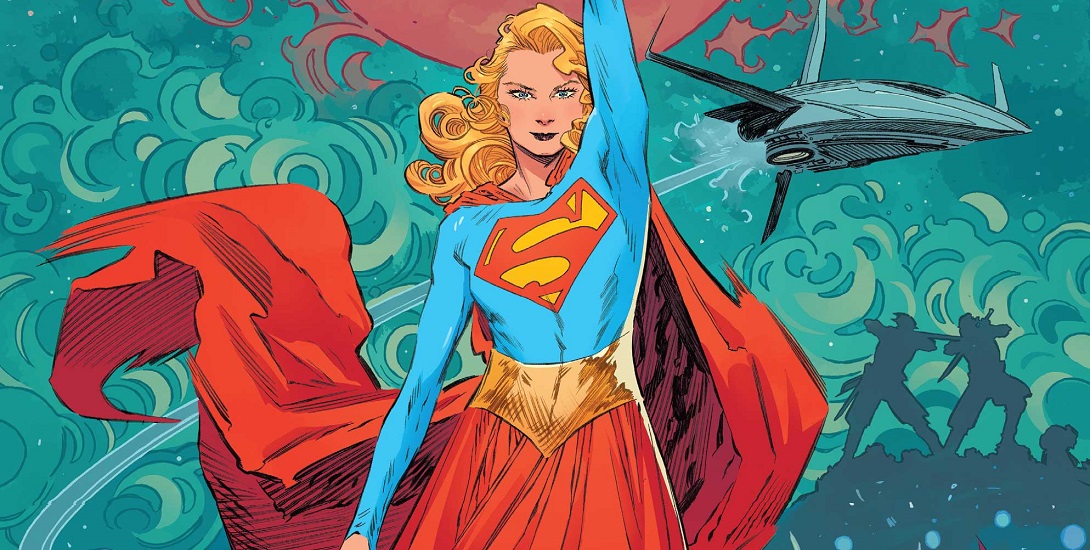
The series’ critical success led to numerous accolades, cementing its status as a pivotal work in modern Supergirl lore. However, as is often the case with works that challenge established characterizations, a more segmented response began to emerge over time. While new readers and critics often appreciated King’s deconstructionist approach, a growing segment of veteran Supergirl fans voiced concerns regarding the portrayal of Kara. These fans, deeply invested in the character’s history as a beacon of hope, resilience, and optimism, found certain elements of King’s narrative discordant with Supergirl’s long-standing persona.
The Impetus for Re-evaluation
The announcement that Supergirl: Woman of Tomorrow would serve as a foundational text for James Gunn and Peter Safran’s rebooted DC Universe (DCU) intensified this critical discourse. With the film’s release on the horizon, the comic is no longer merely a standalone series but a blueprint for a major cinematic introduction of a key DC character. This shift has prompted many, including original reviewers, to revisit the series with fresh eyes, armed with the benefit of hindsight and the broader context of evolving fan sentiment.
A re-read of the series, particularly through the lens of accumulated feedback and the anticipation of a movie adaptation, reveals layers that might have been overlooked in the initial enthusiastic reception. The original review process, often conducted under tight deadlines and with the primary goal of assessing immediate impact, may not always capture the full scope of a work’s long-term implications or its resonance with diverse fan bases. The passage of four years has allowed for a more reflective and analytical approach, moving beyond initial impressions to a deeper interrogation of character motivations, thematic consistency, and narrative choices.

Challenging Characterizations: Drunk Supergirl and Nihilism
Two specific elements have become central to the re-evaluation of Woman of Tomorrow: the depiction of a "drunk Supergirl" and the underlying theme of her "fall into hopelessness and nihilism." In the comic’s inaugural issue, Kara is shown drinking on her 21st birthday, seemingly isolated and melancholic. This scene immediately became a point of contention.
Initial interpretations, including some early reviews, often rationalized this moment as a relatable expression of loneliness or misunderstanding, particularly for a young adult reaching a significant life milestone. The reviewer noted that as a parent, the idea of a young woman experiencing self-isolation or seeking solace in drink felt plausible, especially when framed as a singular event rather than a continuous character trait. The 21st birthday context, a common cultural marker for celebrating adulthood with alcohol, further contributed to this initial acceptance.
However, subsequent discussions with long-time Supergirl fans highlighted a crucial dissonance. The character of Supergirl, traditionally depicted as extraordinarily resilient and inherently optimistic, often processing her Kryptonian trauma with a forward-looking heroism, seemed to deviate significantly from this established baseline. The question arose: why, at this particular point in her life, would Kara be depicted as so profoundly depressed and isolated, seemingly without the support of her adoptive family like Clark Kent and Lois Lane, or her broader heroic network?

Critics of this portrayal argue that the narrative missed an opportunity to ground Kara’s melancholic state in her unique Kryptonian heritage. Suggesting a tie to a Kryptonian rite of passage at age 21, perhaps involving guild selection or a traditional coming-of-age ceremony, could have provided a powerful, culturally specific impetus for her feelings of loss and displacement. Such a connection would have rendered her sadness more palpable and consistent with her established background, framing it as a poignant reflection on a heritage denied rather than a seemingly uncharacteristic descent into despair. Without this deeper contextualization, the scene risks portraying Supergirl as fundamentally broken or perpetually traumatized, which clashes with decades of character development showcasing her ability to overcome adversity and find purpose on Earth.
Tom King’s penchant for deconstructing established heroes and exploring their psychological vulnerabilities is a hallmark of his work across titles like Batman, Mister Miracle, and Strange Adventures. While this approach can yield profound insights and resonate with readers seeking more complex character studies, it often alienates those who cherish the iconic, aspirational qualities of these heroes. In Woman of Tomorrow, the portrayal of Supergirl as deeply affected by "hopelessness and nihilism" is seen by some as an intentional, yet ultimately misaligned, application of King’s signature style to Kara Zor-El.
Narrative Structure and Thematic Parallelism
Upon re-reading, the narrative structure of Woman of Tomorrow reveals a significant thematic technique: the parallelism between Ruthye’s trauma and Kara’s. Ruthye’s quest for vengeance after her father’s murder is explicitly aligned with Supergirl’s lingering grief over the destruction of Krypton. This connection, initially less obvious to some readers, becomes central to understanding King’s intended message and the controversial ending.

The story unfolds as a prolonged journey through space, punctuated by extensive dialogue and Ruthye’s introspective narration. While this creates a distinct, poetic tone, a re-read can expose the narrative’s pacing challenges once the element of surprise is gone. The initial drive of the first read—the fate of Krypto, the pursuit of Krem, and the hope that Supergirl would dissuade Ruthye from vengeance—loses its urgency when the reader already knows the conclusion.
The critique emerges that the "overwritten" narration, while serving to convey King’s dense thematic intentions, can become tedious. The constant exposition, which feels necessary to grasp the story’s complexities on a first pass, can feel superfluous and drawn-out when the plot points and character fates are already known. This highlights a common challenge in serialized storytelling: maintaining re-readability when the core mysteries are resolved.
Despite these structural criticisms, the series does contain powerful moments that underscore Supergirl’s compassion, resilience, and heroic spirit. Instances of her intervening to protect the innocent and her inherent sense of justice still shine through, offering glimpses of the character’s traditional strength. However, these moments are often framed within a larger narrative arc that emphasizes her internal struggles and perceived proximity to nihilism, which ultimately becomes a source of discomfort for some readers.
The Unanimous Acclaim: Bilquis Evely’s Art
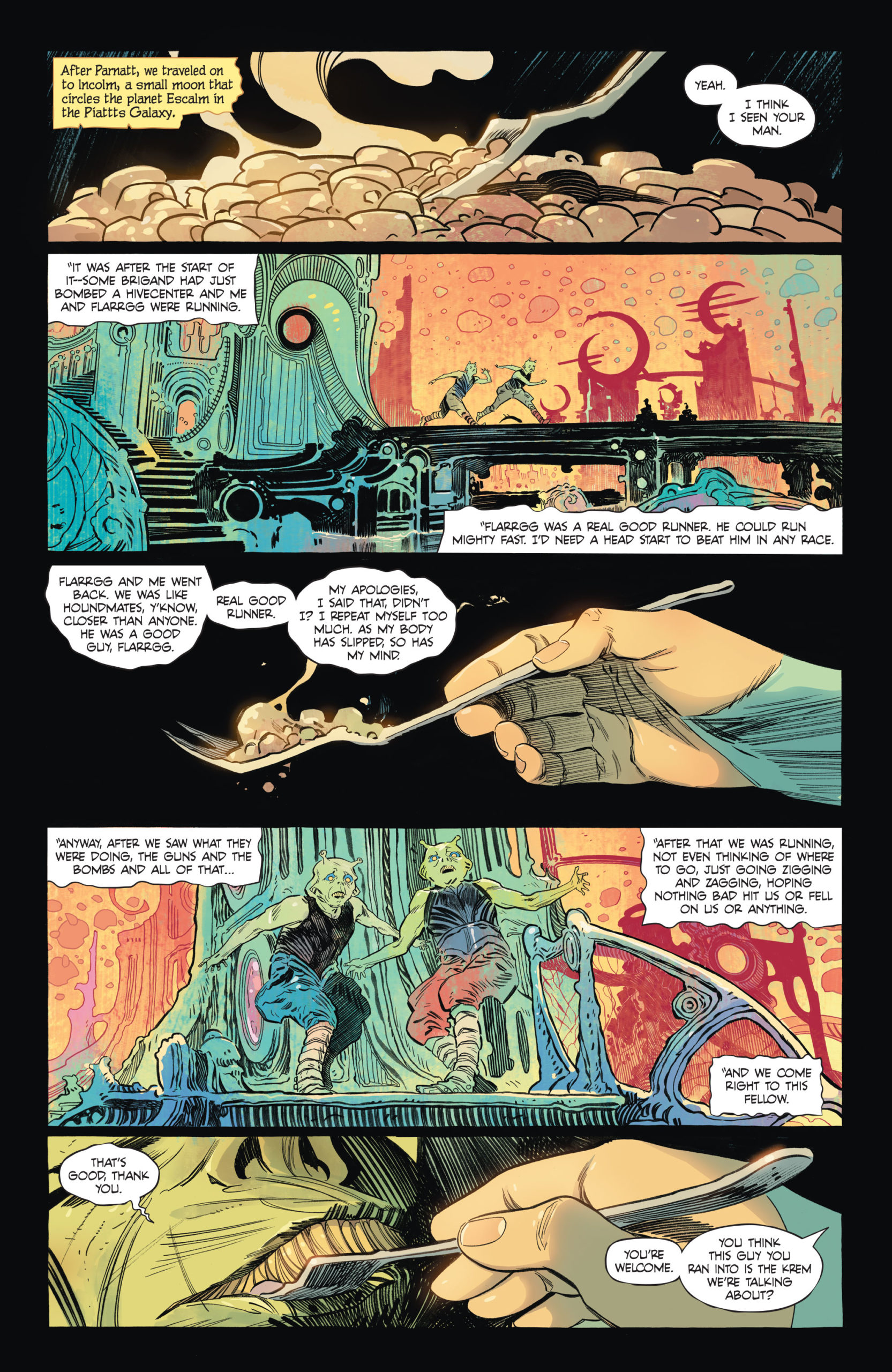
One aspect of Supergirl: Woman of Tomorrow that has consistently received universal praise, both initially and upon re-evaluation, is the artwork by Bilquis Evely and the coloring by Matheus Lopes. Evely’s intricate line work, dynamic compositions, and ability to convey profound emotion through character expressions are widely regarded as exceptional. Lopes’s vibrant, ethereal color palette perfectly complements Evely’s art, creating a visually stunning cosmic odyssey.
The artistic collaboration elevates the entire series, transforming each page into a work of art. Even for readers who find King’s narrative choices polarizing, the visual storytelling remains a powerful draw. This sentiment echoes a broader pattern in Tom King’s DC Comics work, where the artistic collaborators often receive commendation for their ability to bring his often-challenging narratives to life with breathtaking visuals. The art in Woman of Tomorrow stands as a testament to the power of sequential art, offering numerous panels and spreads that can be appreciated purely for their aesthetic brilliance, regardless of one’s agreement with the story’s thematic direction.
The Ambiguous Ending and Its Profound Implications
The series’ conclusion has proven to be its most contentious and debated element. The final issue depicts Ruthye striking Krem of the Yellow Hills many years after he has served his time in the Phantom Zone, seemingly in pain, with Supergirl and Ruthye then walking away in silence in opposite directions. This ending, initially described as "pitch perfect" by the reviewer, was later re-evaluated as deeply ambiguous and, depending on interpretation, profoundly impactful or utterly meaningless.

The initial understanding of Supergirl’s speech to Ruthye, where she seemingly dissuades her from murdering Krem, was interpreted as genuine. Supergirl, as a long-established paragon of justice and non-lethal force, was believed to be genuinely convincing Ruthye to choose a path other than revenge. The idea that Kara herself would be tempted to murder Krem—a proxy for the forces that destroyed Krypton—was seen as hyperbole, an emotional outburst rather than a true indication of character. Supergirl, by definition, is not a killer.
However, a deeper dive into King’s established writing patterns reveals a recurring motif: the intentional portrayal of characters "out of character" to serve a specific thematic purpose. King has, in other works, depicted Adam Strange as a villain (Strange Adventures), explored a deeply troubled and almost unrecognizable Justice League International (The Human Target), and presented a Wonder Woman in her monthly series that has also drawn significant criticism for characterization. From this perspective, the ending of Woman of Tomorrow can be re-interpreted as a deliberate subversion of Supergirl’s traditional character.
If one accepts that King’s intent was for Supergirl’s temptation to murder Krem to be genuine, then the ending takes on a far more sinister and transformative meaning for Kara Zor-El. The reviewer’s revised interpretation leans towards the idea that Ruthye does kill Krem, a reading supported by strong craft elements:
- Parallelism: The final page, showing Ruthye striking Krem, directly parallels the first page of issue #1, where Krem murders Ruthye’s father. This visual and narrative mirroring is a classic technique used to imply a cyclical or completed action, often a fatal one.
- Character Arc: If Ruthye merely "bopped" Krem on the head, the ending becomes lighthearted and incongruent with the preceding serious themes of trauma, revenge, and Supergirl’s supposed struggle with nihilism. Such a trivial resolution would render the entire journey, and Supergirl’s internal conflict, meaningless.
- Supergirl’s Silence: The most damning evidence for the fatal interpretation lies in Supergirl’s silence and inaction. After hearing the Phantom Zone warden’s report of Krem’s penitence and his own contrite speech, Supergirl says and does nothing when Ruthye exacts her final revenge. This silence, rather than a sign of her upholding justice, signifies a profound change. It suggests that Supergirl has indeed descended into nihilism, unable to move beyond the destruction of Krypton, and tacitly condones Ruthye’s act as a proxy for her own unfulfilled vengeance. She effectively acknowledges that revenge was, for Ruthye (and perhaps for herself), a necessary step for closure.
This interpretation posits that Supergirl, by the story’s conclusion, is no longer the bright, optimistic hero who has moved beyond her past. Instead, she is forever defined by the trauma of Krypton’s destruction, a hero who has allowed her personal pain to compromise her ethical code, or at least to turn a blind eye to lethal justice. This dramatically alters Supergirl’s characterization, presenting a much darker and morally ambiguous figure than traditionally depicted.

Implications for the DCU Film Adaptation
The nuanced and controversial nature of Supergirl: Woman of Tomorrow presents both opportunities and challenges for its DCU film adaptation. James Gunn has emphasized that the DCU will be a cohesive universe, with its heroes embodying core characteristics while allowing for fresh interpretations. Given the comic’s polarizing elements, particularly Supergirl’s characterization, the filmmakers will need to navigate these issues carefully.
One path could involve leaning into the darker, more trauma-informed portrayal, establishing a Supergirl who is distinctly different from Superman and perhaps more reflective of a modern, complex hero grappling with profound loss. This could offer a unique entry point for the character into the DCU, distinguishing her immediately from Henry Cavill’s Superman (from the previous DCEU) and setting a new tone.
Alternatively, the film could choose to soften some of the comic’s more extreme characterizations. The "drunk Supergirl" scene, for instance, could be contextualized differently, or perhaps entirely re-imagined to avoid alienating a broad audience who might expect a more traditionally heroic Supergirl. The ending, especially, will require careful handling. If the film adopts the fatal interpretation, it would establish a Supergirl with a morally ambiguous past, which could be a bold, but potentially divisive, choice for a character’s introductory feature. The filmmakers might instead opt for a more ambiguous, yet less definitive, conclusion that allows for future character growth and reconciliation with traditional heroic ideals.

The success of the Supergirl: Woman of Tomorrow film will hinge not only on its faithful adaptation of the comic’s plot but also on its ability to translate its complex thematic underpinnings and character deconstructions in a way that resonates with both existing fans and a new, mainstream audience. The ongoing critical re-evaluation of the source material serves as a vital precursor, highlighting the deeply personal and often conflicting expectations that audiences bring to beloved characters and their cinematic iterations.
Conclusion
The journey of Supergirl: Woman of Tomorrow from acclaimed mini-series to foundational DCU film is a compelling case study in the evolving nature of critical reception and fan engagement. What began as a widely praised comic has, through the passage of time and the prism of adaptation, revealed deeper layers of interpretation and contention. The re-evaluation underscores that while brilliant artwork can universally captivate, characterization and thematic intent, particularly when challenging established norms, can provoke enduring debate. As the 2026 film approaches, the discourse surrounding King’s Woman of Tomorrow will undoubtedly continue, shaping expectations and influencing how Kara Zor-El is ultimately perceived on the global stage, forever altering the legacy of the Girl of Steel.