The Unforeseen Rebirth of Netflix’s ‘Inside Job’: A Canceled Animated Series Finds Unprecedented Post-Mortem Success

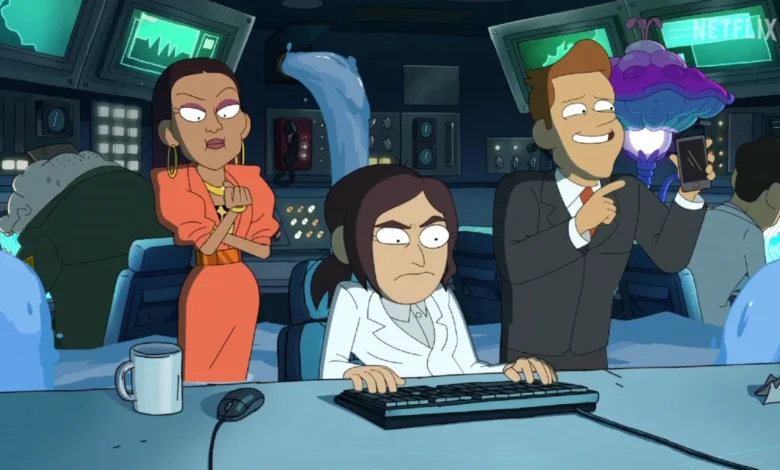
In the dynamic and often unpredictable landscape of streaming entertainment, Netflix has cemented its status not only as a titan in live-action programming with global phenomena like Stranger Things and Squid Game, but also as a prolific producer of original animated content. Over the years, the platform has cultivated a rich portfolio of animated series, many of which, such as Castlevania, Devil May Cry, BoJack Horseman, and Arcane, have enjoyed multiple seasons and critical acclaim. However, the streaming giant’s aggressive content strategy has also led to a notorious reputation for swift cancellations, often leaving fan-favorite shows with unresolved cliffhangers and creators disheartened. Amidst this backdrop, one particular adult animated series, Inside Job, stands out as a unique case study, having been canceled after a single season only to experience a remarkable and unexpected surge in viewership years later, effectively transforming its narrative from a premature demise to an astonishing post-mortem success story.
The Rise and Abrupt Fall of "Inside Job"
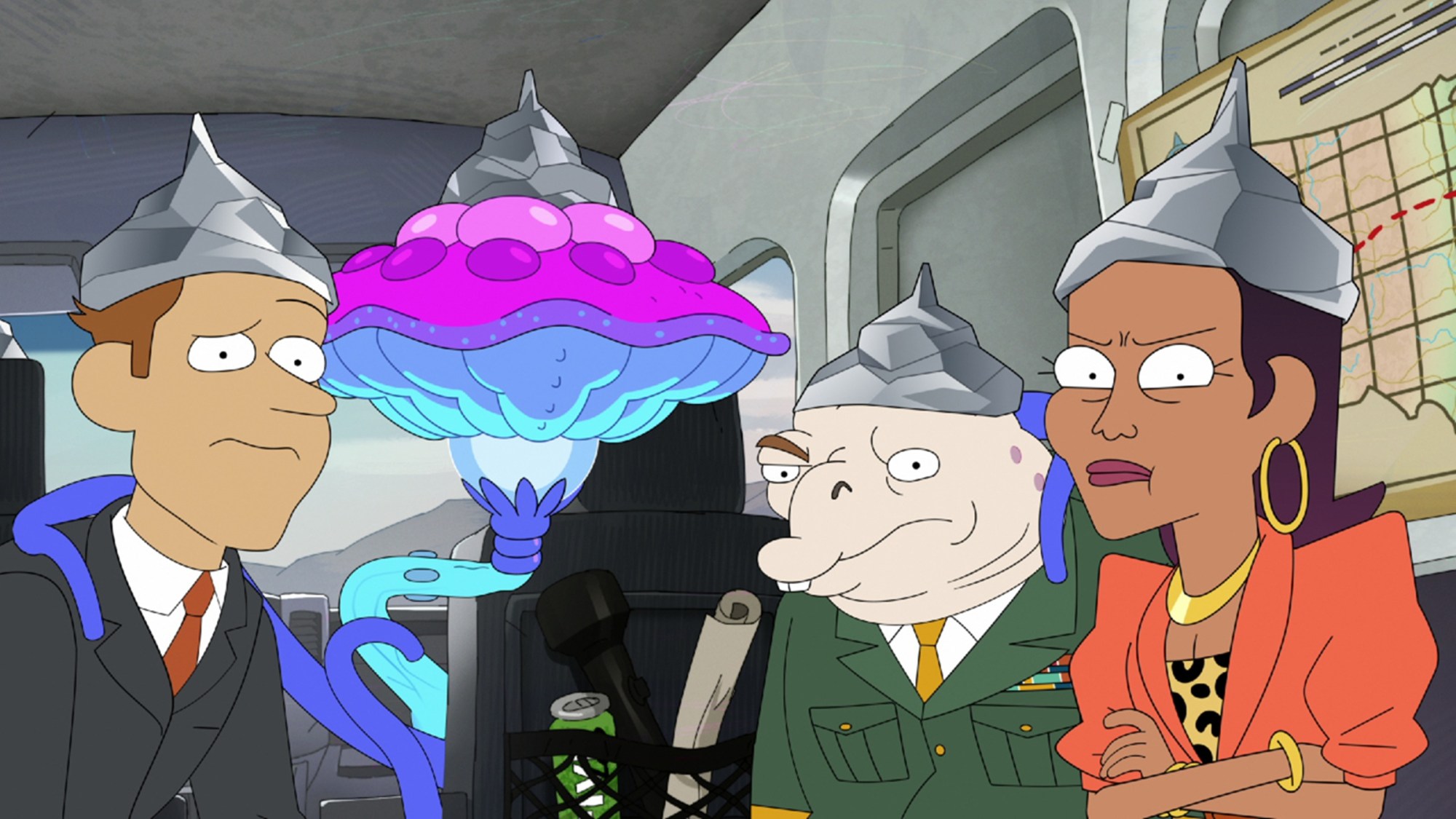
Inside Job first debuted on Netflix in October 2021, immediately drawing comparisons in animation style and irreverent humor to popular adult animated sitcoms like Rick and Morty. Created by Shion Takeuchi, known for her work on Gravity Falls, and executive produced by Gravity Falls creator Alex Hirsch and BoJack Horseman‘s Mike Hollingsworth, the series arrived with a strong pedigree and considerable anticipation within the animation community. It boasted an impressive voice cast, featuring the talents of Lizzy Caplan as the brilliant but socially awkward protagonist Dr. Reagan Ridley, Christian Slater as her eccentric, conspiracy-obsessed father Rand Ridley, John DiMaggio as the gruff yet lovable Brett Hand, and Tisha Campbell as the vibrant and image-conscious Gigi Thompson, among others. The ensemble brought a compelling blend of cynicism, heart, and comedic timing to the series.
The show’s premise centered on Cognito, Inc., a clandestine organization operating deep within the shadows of the American government. This shadow agency is tasked with managing the world’s actual conspiracy theories – everything from the moon landing being faked to the existence of reptilian shapeshifters and the true identity of the Illuminati. Dr. Reagan Ridley, a robotics prodigy, finds herself the only sane, competent individual within a team of dysfunctional and often deranged colleagues. Her relentless pursuit of scientific order and logic frequently clashes with the chaotic reality of her workplace and the absurd nature of the conspiracies she is forced to manage. The series successfully blended workplace comedy with sci-fi elements, exploring themes of family dysfunction, the search for acceptance, and the existential dread of uncovering the truth behind everything.
Initially, Inside Job garnered a respectable reception, with critics praising its sharp writing, intricate world-building, and strong voice performances. The series was structured into two parts for its first season, delivering a total of eighteen episodes that offered a comprehensive introduction to its quirky universe. In a move that signaled confidence, Netflix initially confirmed that the series would return for a second season. However, in January 2023, fans and creators were blindsided by the news that Netflix had reversed its decision, canceling Inside Job despite the earlier renewal. This abrupt change of course sent shockwaves through the fan base and reignited ongoing debates about Netflix’s opaque cancellation metrics and its commitment to animated projects. Shion Takeuchi herself expressed deep disappointment, stating, "I’m heartbroken to confirm that Netflix has decided to cancel Season 2 of Inside Job. Over the years, these characters have become real people to me, and I am devastated not to be able to see them grow up." This sentiment resonated widely, highlighting the emotional toll such decisions take on creative teams and dedicated viewers.
Netflix’s Evolving Animation Landscape and Cancellation Practices
Netflix’s strategy for original animated content has been a rollercoaster, marked by significant investments and equally significant cutbacks. The company has poured billions into animation, aiming to compete with traditional studios and capture diverse global audiences. This investment has yielded critical darlings like BoJack Horseman, which ran for six seasons and is widely considered a landmark in adult animation, and Arcane, the acclaimed League of Legends adaptation that proved animated series could achieve mainstream cultural dominance. Yet, for every multi-season success, there are numerous animated projects that face the chopping block after one or two seasons, including shows like Tuca & Bertie (later revived by Adult Swim), Dark Crystal: Age of Resistance, and Q-Force.
The criteria for Netflix cancellations are notoriously shrouded in secrecy, but industry observers often point to factors such as completion rates (the percentage of viewers who finish a season), overall viewership hours within the first 28 days, cost-to-viewer ratios, and strategic portfolio balancing. The reversal of Inside Job‘s renewal was particularly jarring, suggesting that even initial positive internal metrics or strategic planning could be overturned by subsequent data analysis or shifts in corporate priorities. This practice has led to widespread frustration among creators who dedicate years to developing these worlds and characters, and among fans who invest their time and emotional energy into stories that are then abruptly cut short.
The Phenomenal Post-Cancellation Resurgence
In a truly unprecedented turn of events, Inside Job has defied its cancellation fate by experiencing a massive resurgence in viewership years after its final episode aired. Data spanning the period from 2023 to April 2026 reveals that the single season of Inside Job has been viewed for an astonishing 139.9 million hours. This figure is not only substantial on its own but also represents a viewership performance that, for many shows, would signify a successful run, often surpassing the initial engagement metrics that might have been observed during its premiere window.
This "long tail" success is a fascinating anomaly in the streaming world, where the focus is often on immediate impact and front-loaded viewership. Several factors could contribute to such a phenomenon. One significant driver is likely organic discovery. As Netflix continues to add new subscribers globally, many viewers are constantly sifting through the platform’s vast library, stumbling upon older titles that align with their interests. The recommendation algorithm, designed to keep users engaged, might also be playing a role, pushing Inside Job to new audiences based on their viewing habits of similar animated content. Word-of-mouth among fans, particularly within online communities dedicated to animation and science fiction, could also be a powerful catalyst. Viewers might be drawn to the series after hearing about its strong premise, unique humor, or the controversy surrounding its cancellation, sparking curiosity to experience what they missed or what was lost.
Furthermore, the general appetite for adult animation has only grown stronger in recent years. With shows like Rick and Morty and BoJack Horseman establishing a high bar for the genre, viewers are actively seeking out intelligent, witty, and character-driven animated comedies. Inside Job, with its satirical take on conspiracy theories and a relatable protagonist navigating an absurd world, fits perfectly within this popular niche. The very fact of its cancellation might also inadvertently contribute to its allure; some viewers might be drawn to "lost" or "underrated" gems, feeling a sense of discovery and a desire to champion a show they believe deserved more attention.
Anatomy of a Conspiracy Comedy
Shion Takeuchi’s vision for Inside Job transcended mere parody. While it lampooned countless well-known conspiracy theories, the show’s creator articulated a surprisingly non-political stance regarding its subject matter. In a 2021 interview with ComicBook.com, Takeuchi explained, "I actually feel like the show isn’t super political, because it exists in this world that’s so high concept and absurd, that it doesn’t have much of a tie to the politics of our real world." She clarified that the series deliberately focused on "golden age of conspiracy theories" like the JFK assassination or the moon landing – widely recognized narratives that have become almost mythological in popular culture. The goal was not to critique contemporary politics but to offer "funny, weird, creative take on the why and the how of those conspiracies to kind of revive them in a new light and make you question the premise of the conspiracy that you’ve always been told."
This approach allowed Inside Job to craft a timeless satirical edge, avoiding the pitfalls of becoming dated by transient political cycles. Instead, it explored universal themes through the lens of outlandish government cover-ups: the pressure of living up to parental expectations, the struggle for genuine connection in a superficial world, and the constant battle between order and chaos. Dr. Reagan Ridley, the "straight man" amidst a cast of bizarre colleagues, served as the audience’s anchor, her relatable anxieties and desires grounding the show’s most fantastical elements. The collaboration with Alex Hirsch, whose Gravity Falls is celebrated for its intricate mysteries and deep lore, and Mike Hollingsworth, a veteran of BoJack Horseman‘s sharp comedic timing and emotional depth, undoubtedly contributed to Inside Job‘s unique blend of humor, heart, and narrative complexity.
Implications for Netflix’s Content Strategy
The unexpected success of Inside Job years after its cancellation poses significant questions for Netflix and its content strategy. If a show can accumulate tens of millions of hours of viewership long after its initial window, does this challenge the traditional metrics that prioritize immediate impact? It suggests that the value of a strong back catalog, or "library content," might be underestimated. While Netflix famously focuses on new subscriber acquisition through fresh, high-profile releases, the enduring appeal of shows like Inside Job demonstrates that older titles can continue to engage existing subscribers and even attract new ones through organic discovery, effectively acting as valuable retention tools.
This phenomenon could prompt Netflix to re-evaluate its cancellation criteria, perhaps considering a longer-term view of a show’s potential value. Could it lead to a future where certain canceled shows are given a second look, especially if they show consistent, growing engagement? The financial implications are also considerable. Producing new content is expensive, but reactivating a popular canceled series might leverage existing IP, character designs, and established fan bases, potentially offering a more cost-effective pathway to creating "new" hits. This could lead to a hybrid strategy where, alongside new productions, Netflix also invests in reviving or extending shows that demonstrate latent, long-term appeal.
Hope on the Horizon? The Prospect of a Revival
The burgeoning viewership for Inside Job inevitably sparks hope among its dedicated fan base for a potential revival. The animation industry has, in recent years, shown a willingness to bring back beloved animated franchises, offering a glimmer of possibility. Shows like Futurama have been successfully revived multiple times across different platforms, demonstrating the enduring power of strong IP and loyal fan communities. Similarly, King of the Hill is slated for a return, Adventure Time has seen various spin-offs, and even Regular Show has been discussed for potential new iterations. These examples establish a clear precedent: if the demand is strong enough, and the creative and financial stars align, a revival is not out of the question.
For Inside Job, a return would involve complex logistical considerations. Key voice actors would need to be reassembled, and more critically, showrunner Shion Takeuchi and the original creative team would need to be onboard and available. The narrative threads left dangling by the abrupt cancellation would also need to be addressed in a satisfying manner. Fan campaigns, often manifesting as online petitions and social media movements, have historically played a role in demonstrating audience demand, though their direct influence on Netflix’s corporate decisions remains debatable. However, with concrete viewership data now indicating a substantial and sustained interest, the case for Inside Job‘s return becomes significantly stronger than mere anecdotal fan enthusiasm.
The Broader Message: A New Paradigm for Streaming Success
Inside Job‘s journey from a promising debut to a perplexing cancellation, and now to an unforeseen post-mortem success, serves as a compelling case study in the evolving metrics of the streaming era. It highlights that success is not always immediate, nor is it solely defined by the initial splash a show makes. In an age of content overload, where viewers have an unprecedented array of choices, the "long tail" of content discovery and the enduring appeal of quality storytelling can create unexpected triumphs.
This phenomenon challenges the conventional wisdom that streaming services must constantly churn out new content to remain relevant. Instead, it suggests that a robust, well-curated library, where older titles can be discovered and cherished by new generations of viewers, holds immense value. For creators, Inside Job‘s story offers a bittersweet but ultimately hopeful message: even if a show’s initial run is cut short, its legacy and potential for future life can be sustained and even amplified by the enduring power of its audience. As the streaming landscape continues to mature, Inside Job stands as a testament to the unpredictable nature of audience engagement and the potential for a canceled show to find its true moment in the digital sun, long after its intended finale.