The tradition of secret characters in fighting games has long captivated players, offering a tantalizing blend of mystery, challenge, and reward. From powerful boss characters to fan-favorite fighters, these hidden combatants were often locked behind specific in-game conditions, transforming gameplay into a treasure hunt. In the pre-internet era, the discovery of such secrets was a communal endeavor, fueled by playground rumors, whispered theories, and local arcade legends. Information scarcity meant that only the most dedicated players, or those privy to an accidental breakthrough, could provide clues to unlock these elusive parts of a game. This fostered a unique culture of shared knowledge and individual perseverance, making the eventual reveal of a secret character a moment of genuine triumph.
A Bygone Era: The Thrill of Discovery in Arcades and Early Consoles
Before the advent of widespread internet access, the gaming landscape was defined by its localized communities. Arcades served as central hubs where players would gather, compete, and exchange information. The mystique surrounding secret characters was a powerful draw, encouraging repeat plays and experimentation. Developers intentionally designed these hidden elements to extend a game’s longevity and enhance its replayability. Unlocking a secret character wasn’t just about adding a new fighter; it was about demonstrating mastery, patience, and a deep understanding of the game’s mechanics. The lack of instant guides or online walkthroughs meant that players truly had to earn their discoveries, often through countless hours of trial and error. This era cemented secret characters as a badge of honor, a testament to a player’s dedication.
However, the dawn of the internet fundamentally altered this dynamic. While developers continue to implement complex unlock conditions, the collective intelligence of the global gaming community, amplified by forums, wikis, and video platforms, means that secrets rarely remain hidden for long. Modern titles like Mortal Kombat 1 have introduced characters like the pink ninja fighter, Floyd, with incredibly intricate, even randomized, prerequisites. Yet, within days or weeks of release, dedicated fans swiftly dissect the game’s code and mechanics, publishing comprehensive guides that demystify even the most obscure unlock paths. This shift highlights a change in the nature of "secret" content – it’s less about prolonged mystery and more about offering a challenging puzzle for the community to solve together, quickly making it accessible to all who seek it.

Case Studies in Elusive Fighters: A Deep Dive into Gaming’s Toughest Unlocks
The history of fighting games is replete with legendary secret characters, some of whom pushed the boundaries of player endurance and ingenuity. These examples stand as monuments to a different era of game design, where the journey to unlock was often as memorable as the character itself.
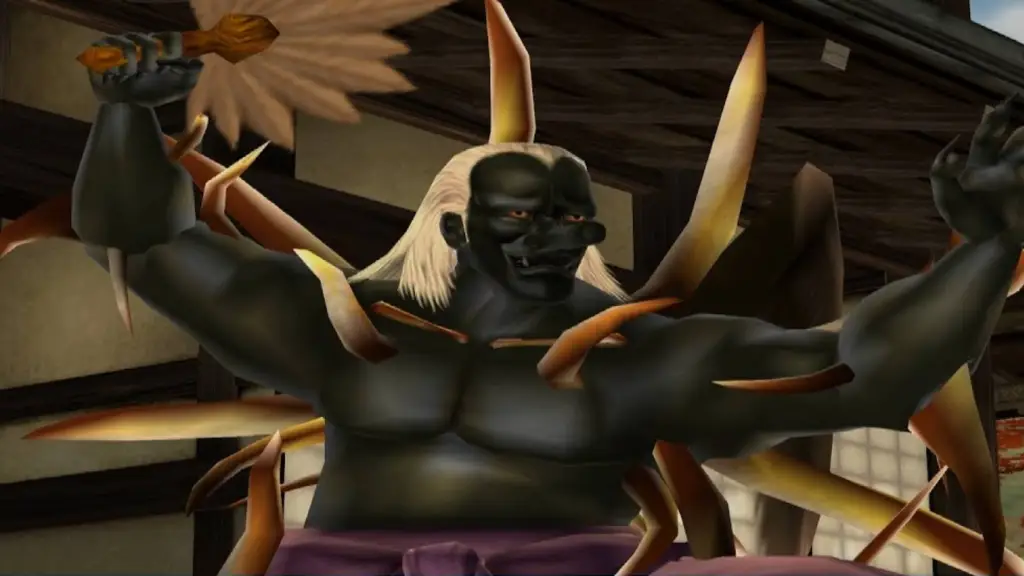
5. Tengu (Dead or Alive 2: Hardcore)
Released in 1999 for the PlayStation 2 and Dreamcast, Dead or Alive 2: Hardcore represented Team Ninja’s continued foray into the competitive 3D fighting game genre, establishing its own identity alongside titans like Tekken and Virtua Fighter. The game was lauded for its fast-paced action, interactive environments, and detailed character models. However, hidden within its various modes was Tengu, an unlockable boss character whose name, derived from Japanese folklore’s mischievous and powerful mountain spirits, hinted at the challenge he presented.
To make Tengu a playable fighter in all modes except the game’s Story mode, players were required to delve into the demanding Survival mode. This mode pitted players against an endless gauntlet of opponents, with the primary goal of defeating as many as possible to earn rewards. While many cosmetic items and alternate costumes were tied to success, a particularly rare drop was the "Star." These Stars were not guaranteed; they were awarded sporadically after continuously knocking down opponents and striking them while they were grounded. The process was arbitrary and frustrating, as even setting Survival mode to Easy offered no guarantee of a Star drop, only increasing the chance of exploiting weaker opponents for repeated knockdowns. The true grind, however, lay in the alternative unlock condition: playing a staggering 200 matches with any combination of characters. This meant that Tengu was locked behind either a luck-dependent, repetitive task or an extraordinarily time-consuming commitment, a test of patience that few players could have anticipated or completed without external guidance. The difficulty was not in a complex puzzle, but in sheer, unrelenting tedium.
4. Mokap (Mortal Kombat: Deadly Alliance)
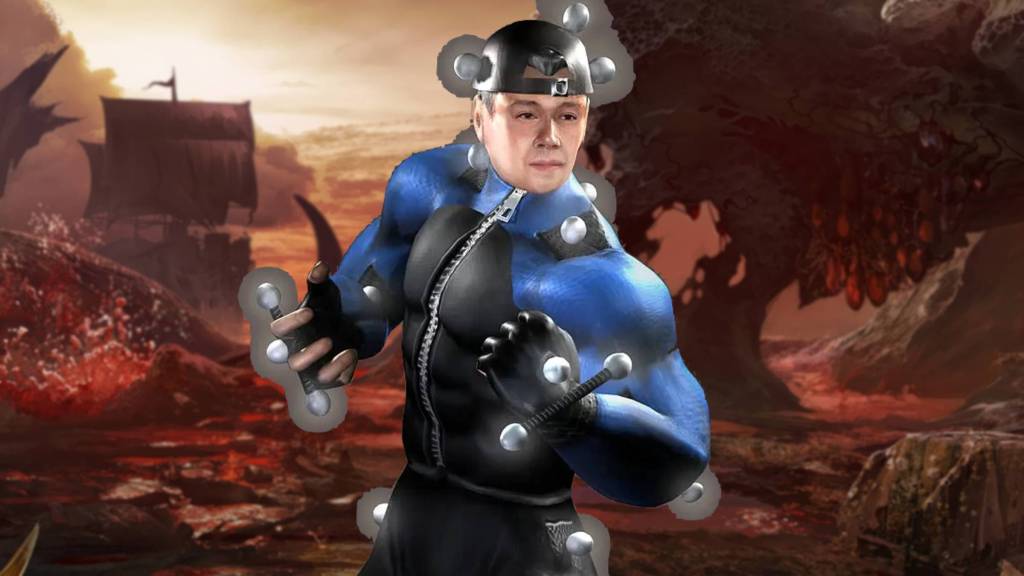
Mortal Kombat: Deadly Alliance, released in 2002, marked a pivotal moment for the Mortal Kombat series, revitalizing the franchise with its transition to fully 3D gameplay, multiple fighting styles per character, and the introduction of its innovative "Konquest" mode. This expansive story and RPG-like adventure mode allowed players to explore the Mortal Kombat universe, undertake missions, and learn the mechanics of various fighters. Among its diverse roster, Mokap stood out as a truly unique secret character. A humorous homage to the motion capture actor who helped bring characters like Scorpion and Sub-Zero to life in the original arcade Mortal Kombat, Mokap was essentially a human figure in a motion capture suit, fighting with a comical array of martial arts styles. While the original Mortal Kombat featured legendary hidden bosses like Reptile, Mokap was notable for being a fully playable, albeit joke, character.
Unlocking Mokap was a monumental undertaking. The Konquest mode, while engaging, featured missions that progressively increased in difficulty, potentially taking 2-5 hours for a single character’s storyline, even for players familiar with the game’s intricacies. The seemingly insurmountable requirement for Mokap was to complete Konquest mode with every single fighter on Deadly Alliance‘s roster. Excluding Mokap and the game’s other secret character, Blaze, this amounted to 21 distinct Konquest mode playthroughs. The average player might attempt Konquest with a few favorite characters, perhaps 1-3 times, but the idea of total completion across the entire roster was daunting. This challenge was further exacerbated by occasional bugs and glitches tied to specific character missions, turning an already lengthy grind into a potentially infuriating experience. Mokap and Blaze were not hidden by clever puzzles but by an immense barrier of time and perseverance, a true test of a player’s dedication to the Mortal Kombat universe.
3. Mewtwo (Super Smash Bros. Melee)
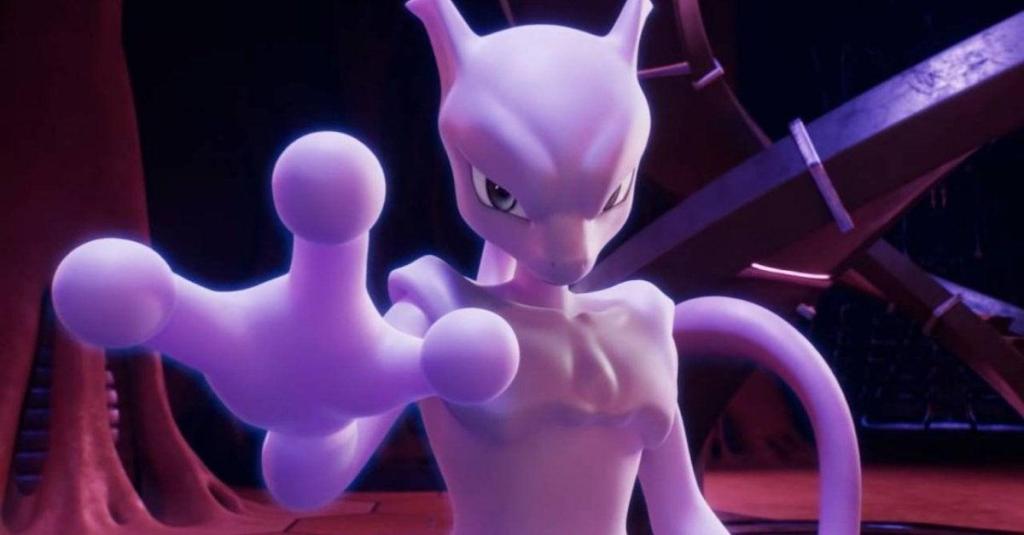
Super Smash Bros. Melee, released in 2001 for the Nintendo GameCube, quickly ascended to legendary status as one of the most beloved and competitively enduring platform fighters of all time. Building upon the foundation of the original Nintendo 64 title, Melee expanded its roster, refined its gameplay, and introduced a wealth of content. Among its many unlockable characters, Mewtwo, the iconic Psychic-type Pokémon, was highly anticipated. Having been cut from the original Super Smash Bros. due to time constraints, its inclusion in Melee fueled player excitement and a determined search for its unlock method.
The unlock requirements for Mewtwo were not inherently difficult in terms of skill, but they were dishearteningly opaque in an era without readily available internet guides. Casual advice often amounted to "just keep playing," which, while technically true, offered little practical guidance. It eventually became common knowledge that Mewtwo required players to accumulate an astounding 700+ registered versus matches. This translated to approximately 25-30 hours of continuous gameplay at a minimum, assuming efficient match completion (e.g., setting opponent stocks to one). For many players, especially those who didn’t actively seek to reduce match length, this grind could stretch into months after the game’s release. The sheer volume of gameplay needed, combined with the lack of clear direction, made Mewtwo feel like a mythical goal that only the most obsessive players would ever reach. It was a character designed to reward extreme long-term engagement, making its eventual appearance a true testament to a player’s commitment to the Smash Bros. experience.
2. Heihachi Mishima (Tekken)
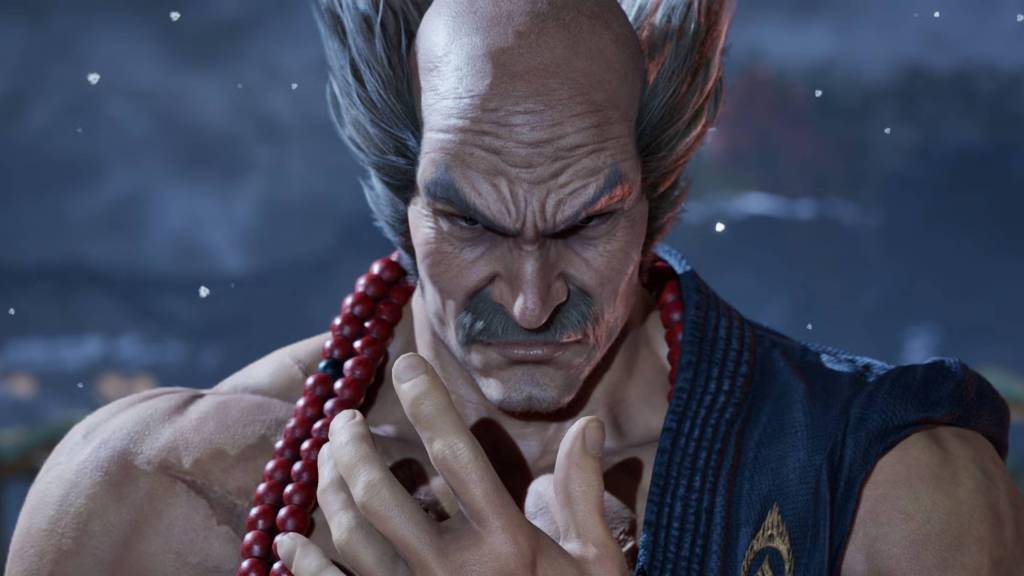
The original Tekken, first released in arcades and later ported to the PlayStation in 1995, was a groundbreaking title that helped define the 3D fighting game genre. While its experimental gameplay might feel somewhat clunky by modern standards, it was revolutionary at the time, showcasing innovative character models and a dynamic fighting system. Heihachi Mishima, the game’s formidable final boss and patriarch of the Mishima Zaibatsu, was an unlockable character in the PlayStation port, a reward for players who demonstrated exceptional skill and speed.
Unlike many other hidden fighters that required extensive grinding, unlocking Heihachi demanded near-flawless execution. Players needed to complete a standard run of Arcade mode with a base character in under an incredibly strict time limit of 5 minutes and 30 seconds. This challenge encompassed defeating a multitude of opponents without being defeated or using any continues. A single round lost or a continue used would extend the overall time, pushing the player beyond the threshold. Furthermore, this feat had to be accomplished on Normal difficulty or higher, adding to the pressure. The requirement for such precise, high-speed play made Heihachi one of the most challenging unlocks for a significant portion of the player base. It wasn’t about time investment, but about immediate, consistent mastery of the game’s mechanics and character. This objective was clearly designed to test the prowess of the most dedicated and skilled Tekken players, transforming the boss into a symbol of competitive achievement.
1. Morrigan and Nakoruru (Capcom vs SNK: Millennium Fight 2000 Pro)
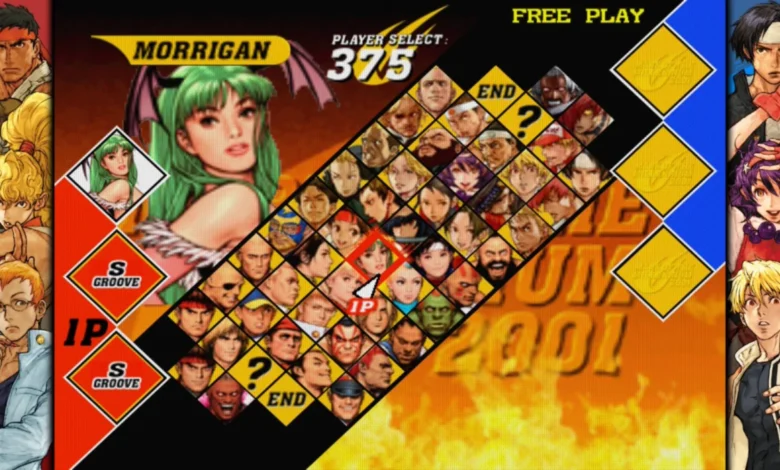
Capcom vs SNK: Millennium Fight 2000 Pro, released in the arcade era, was a highly anticipated crossover title that brought together characters from two of the fighting game genre’s most iconic developers. Players expected a dream roster, yet the initial lineup conspicuously lacked representation from fan-favorite franchises like Darkstalkers (Capcom) and featured only one character from Samurai Shodown (SNK) amidst a sea of Street Fighter and The King of Fighters characters. The absence of beloved fighters like Morrigan Aensland and Nakoruru fueled speculation and an intense hunt for hidden content.
The unlock conditions for these two characters were a masterclass in layered obscurity and monumental grind. To obtain Morrigan, players first had to defeat the game with every single Capcom character. Following this, they needed to unlock the "EX versions" of those fighters, which were hidden behind a secret in-game store that itself required specific, non-obvious navigation to access. Only after completing these arduous steps could players challenge Morrigan herself, and upon defeating her, she would finally join the roster. Nakoruru required an identical, equally demanding process, but applied to every SNK character in the game. This meant not only completing the game multiple times with each character but also navigating a hidden economy and defeating special versions of existing fighters before even getting a chance to fight the desired secret character.
The sheer volume of characters (each with their own playthroughs), the necessity of finding a secret store, and the subsequent challenges made this task almost impossible to stumble upon accidentally. Without the advent of early internet forums and dedicated fan sites, the vast majority of players would likely never have discovered these unlock methods. The immense time commitment required, coupled with the intricate, multi-stage nature of the unlock process, positioned Morrigan and Nakoruru as perhaps the most elusive and demanding secret characters in fighting game history, truly testing the limits of player dedication in the pre-internet age. The developers seemingly aimed to provide an ultimate reward for the most ardent enthusiasts of both Capcom and SNK’s respective universes, making the unlock a pilgrimage rather than a simple challenge.
The Evolving Philosophy of Secret Content and Its Legacy
The history of these exceptionally difficult unlocks highlights a significant evolution in game design philosophy, particularly as the gaming landscape transitioned from arcades to home consoles and, crucially, to the internet age. Early developers leveraged the scarcity of information to create prolonged engagement and a sense of shared discovery. The challenges posed by characters like Tengu, Mokap, Mewtwo, Heihachi, Morrigan, and Nakoruru were designed to reward deep investment, whether through sheer time, precise skill, or meticulous exploration.
With the internet’s rise, the mystery surrounding secret characters quickly dissipated. While developers still create complex unlock paths, the expectation is that these secrets will be publicly documented within days of a game’s release. This has shifted the focus from the discovery of the secret to the challenge of executing its known unlock conditions. Modern fighting games often integrate additional characters through downloadable content (DLC) or season passes, offering direct purchase as an alternative to obscure in-game unlocks. This commercial model ensures accessibility while still sometimes providing in-game challenges for those who prefer to "earn" their fighters.
Despite these changes, the allure of the hidden fighter persists. These characters represent a unique chapter in gaming history, embodying a time when digital mysteries were whispered from player to player, and the sense of accomplishment upon unlocking a truly secret character was unparalleled. They fostered communities, encouraged experimentation, and left an indelible mark on the culture of fighting games, reminding us that sometimes, the greatest rewards are those that are hardest won.