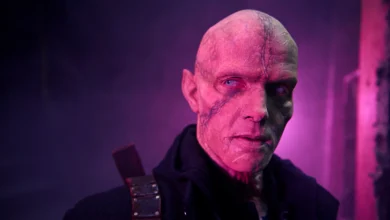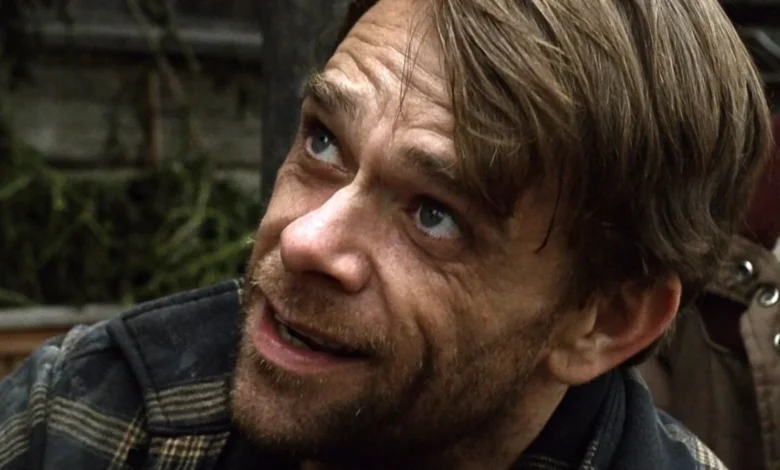
The landscape of independent horror cinema is poised for a significant addition as production concludes on the supernatural thriller One Night in Purgatory. The film, which recently wrapped principal photography in Calgary, Alberta, features a notable ensemble cast led by Nick Stahl. This project marks a distinct return to high-concept, gritty genre filmmaking, drawing inspiration from the practical-effects-heavy horror aesthetic that defined the late 20th century.
Production Overview and Cast Details
One Night in Purgatory has officially moved into the post-production phase following the completion of filming in Canada. The project is a collaborative effort between several production entities, including Ton of Hats and Beauregard Pictures. The film centers on a high-stakes narrative premise: a rogue archangel, portrayed by Nick Stahl, arrives on Earth with a singular objective—to recruit a guilt-ridden lawyer to act as his legal counsel in an existential trial against the forces of God and the Devil.
The casting choices reflect a deliberate effort to blend seasoned genre experience with rising dramatic talent. Nick Stahl, whose filmography spans from cult classics like Disturbing Behavior to high-profile blockbusters such as Terminator 3: Rise of the Machines and the visually distinct Sin City, serves as the film’s anchor. His ability to portray complex, often morally ambiguous characters aligns with the film’s central conceit of a fallen or rogue celestial entity.
Supporting Stahl is an ensemble cast that includes Alejandro Edda, recognized for his work in The Forever Purge, as the lawyer tasked with navigating the metaphysical legal battle. The cast is rounded out by Grace Dove, known for her powerful performance in The Revenant, and Michelle Mylett, whose background includes work in the genre space with Antisocial. The inclusion of these actors suggests a film that prioritizes character-driven storytelling within a supernatural framework.
Thematic Context and Genre Classification
At its core, One Night in Purgatory seeks to subvert the traditional "angelic" tropes found in cinema. While religious horror has been a staple of the industry—ranging from the theological inquiries of The Prophecy franchise to the action-oriented survivalism of Legion—this project reportedly distinguishes itself through a specific stylistic lens: the punk rock dive bar aesthetic.

By situating a cosmic, high-stakes legal drama within the claustrophobic and gritty confines of a dive bar, the filmmakers are leaning into a "bottle episode" structure. This approach typically emphasizes dialogue, performance, and practical gore over CGI-heavy spectacle, a choice that aligns with the current industry trend of returning to tactile, physical special effects. This "retro" approach to horror is increasingly popular among audiences who seek a more grounded, visceral experience in their genre entertainment.
Chronology and Development Timeline
The development of One Night in Purgatory represents a streamlined production cycle typical of independent feature films. While specific development dates remain private, the announcement of the cast and the wrap of production in Calgary indicate a rapid transition from pre-production to the editing suite.
- Development Phase: The project was developed under the production banner of Polyscope Pictures and others, focusing on securing a script that emphasizes both metaphysical stakes and character-driven drama.
- Pre-Production: Casting decisions were finalized throughout late 2026, with the production team selecting Calgary, Alberta, as the primary location to leverage the region’s diverse urban settings and production incentives.
- Principal Photography: Filming took place over several weeks in Calgary, focusing on the interior sequences that define the film’s "one night" narrative arc.
- Wrap and Post-Production: The production officially concluded in late 2026. The film is now in the editing and sound design phase, where the practical effects mentioned in early reports will be finalized.
Production Leadership and Industry Stakeholders
The project is backed by a coalition of producers with a history of supporting genre-bending projects. Chris Lorusso and Mike Hatton (under the Ton of Hats banner) serve as primary producers, alongside Stuart Davis, and the team of Kyle Cooper and James Hausler of Beauregard Pictures.
The involvement of executive producers such as Alejandro Edda and Nick Stahl themselves suggests a high level of creative investment from the talent involved. Michael Walker and Jason Wan-Lim of Polyscope Pictures also serve as executive producers, providing the logistical and financial framework necessary to bring such a contained yet ambitious project to completion. This collaborative structure is characteristic of modern independent horror, where the talent often assumes a dual role of creative contributor and stakeholder.
Analysis: Implications for Supernatural Horror
The release of One Night in Purgatory arrives at a time when audiences are demonstrating a renewed appetite for "contained" supernatural thrillers. In an era dominated by sprawling cinematic universes, the decision to limit the narrative scope of the film to a single night and a singular, contained location is a strategic choice.
From a market perspective, films that rely on practical effects and a "throwback" aesthetic often benefit from lower production costs relative to their visual impact. If the film succeeds in its stated goal of merging a gritty, punk-rock tone with high-concept theological horror, it could establish a blueprint for future low-budget, high-concept genre films. Furthermore, the focus on a "legal trial" against divine forces provides a unique narrative hook that moves beyond the standard "possession" or "demonic visitation" subgenres that have historically dominated the market.

The success of this film will likely depend on the chemistry between Stahl and Edda. Given that the entire premise hinges on the lawyer’s decision to represent the archangel, the audience must believe in the weight of the moral dilemma presented to them. If the practical effects are as "nasty" and visceral as early reports suggest, the film may find a significant foothold in the cult horror circuit, potentially leading to further interest in the creative team behind the project.
Broader Industry Context
The supernatural horror genre has seen consistent growth over the last decade, with major studios and independent labels alike investing heavily in stories that challenge conventional religious narratives. One Night in Purgatory joins a lineage of films that interrogate the nature of good and evil by stripping away the divine facade of their supernatural characters. By presenting an archangel as a "rogue" figure—a character who is flawed, desperate, and forced to rely on human intervention—the film aligns with contemporary cultural interests in "morally grey" storytelling.
The use of Calgary as a production hub is also notable. Canada, and specifically Alberta, has become a preferred destination for international film productions due to favorable tax credit structures and a highly skilled local crew base. The decision to shoot in this location suggests that the producers were able to optimize their budget, allowing for a higher allocation of funds toward the practical effects and post-production quality that will be critical to the film’s reception.
Future Outlook
As the project moves through post-production, the industry will be watching for potential distribution partners. Given the strong cast and the niche but dedicated horror demographic, One Night in Purgatory is well-positioned for a festival run or a targeted theatrical release, followed by a digital platform debut. The combination of established genre actors and a premise that promises to blend humor, tension, and visceral horror creates a strong foundation for a breakout hit in the independent horror landscape of the coming year.
While the film is currently in the early stages of its post-production timeline, the buzz surrounding its "punk rock" approach and the involvement of seasoned actors like Nick Stahl suggests that it will be a project of interest for genre enthusiasts and industry observers alike. If the final cut successfully balances the gravitas of its theological themes with the intended intensity of its practical effects, it may well become a significant title in the upcoming horror release calendar.
Related posts: