DC Comics Expands Free Comic Book Day Lineup with LEGO Batman Legacy of the Dark Knight Tie-in

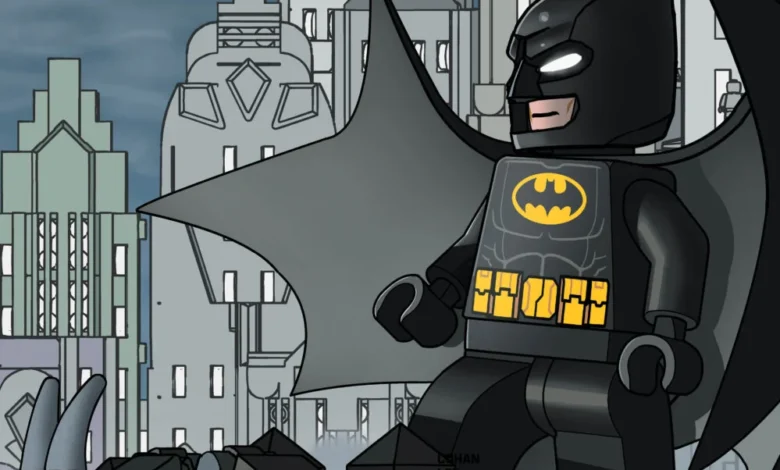
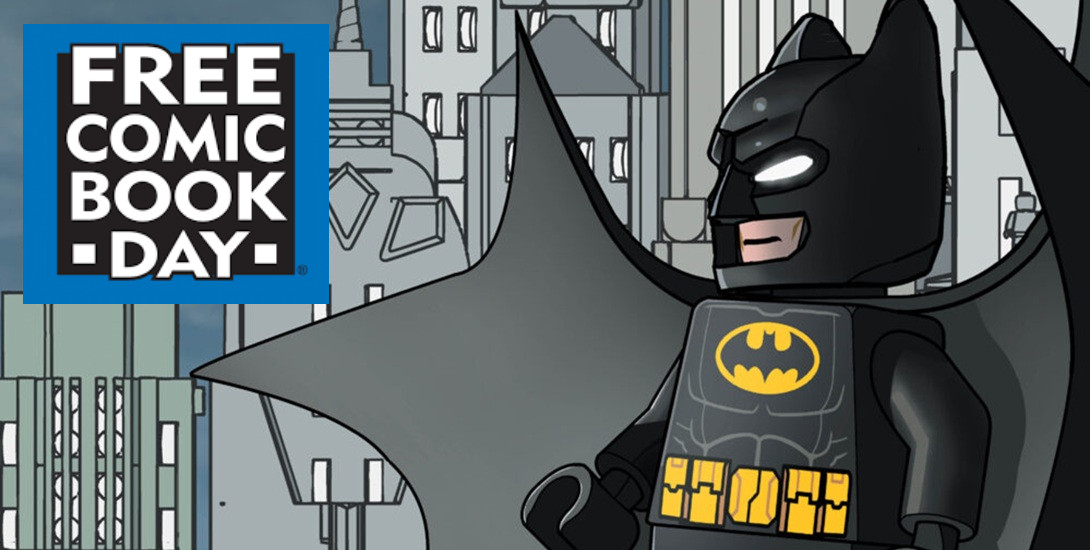
The landscape of modern multimedia storytelling continues to evolve as DC Comics announces a significant expansion to its Free Comic Book Day (FCBD) roster. On May 2, 2026, the publisher will release a special promotional one-shot titled "The LEGO Batman Returns," a project designed to serve as a narrative precursor to the highly anticipated video game, LEGO Batman: Legacy of the Dark Knight. This initiative represents a sophisticated synergy between DC’s publishing division and its interactive entertainment arm, Warner Bros. Games, aiming to capture the attention of both long-time comic book enthusiasts and a new generation of digital gamers.
A Strategic Alignment of Publishing and Gaming
The announcement of the comic, which will be available for free at participating retailers and via the DC Universe Infinite digital platform, marks a deliberate pivot toward cross-platform integration. By aligning the print release with the pre-launch window of a major AAA title, DC is positioning the comic not merely as a promotional giveaway, but as an essential piece of lore for the upcoming LEGO Batman experience.
The creative team tasked with this endeavor brings significant pedigree to the project. Ivan Cohen, whose work on the critically acclaimed Beware the Batman series demonstrated a deft hand at handling the character’s complex mythology, has penned the script. He is joined by illustrator Paul Lee, a veteran of the DC stable known for his work on the seminal Batman: Under the Hood. Together, they have crafted a story that follows Batman as he returns to Gotham City after an extended absence, a premise that allows for a blend of humor, nostalgia, and high-stakes action.
Chronology of the Dark Knight’s Legacy
The timing of this release is far from coincidental. By unveiling the project on March 30, the 87th anniversary of Batman’s first appearance in Detective Comics #27, DC is underscoring the deep historical roots of the character. The comic is designed to function as a visual history lesson; the opening panel is a direct homage to the iconic cover illustrated by Bob Kane in 1939. This inclusion of historical Easter eggs serves to bridge the gap between the character’s humble origins in the Golden Age of comics and his current status as a global pop-culture phenomenon.
The trajectory for this project is part of a broader, carefully choreographed rollout:
- March 30, 1939: The original debut of Batman in Detective Comics #27.
- March 30, 2026: Official announcement of the tie-in comic, honoring the anniversary.
- May 2, 2026: Global release of "The LEGO Batman Returns" on Free Comic Book Day.
- May 19, 2026: Early access for Deluxe Edition game pre-orders.
- May 22, 2026: Wide retail release of LEGO Batman: Legacy of the Dark Knight.
Data and Technical Specifications
LEGO Batman: Legacy of the Dark Knight is poised to be a landmark title for TT Games and Warner Bros. Interactive. Developed for a multi-generational audience, the game is set for release on PlayStation 5, Xbox Series X/S, and PC, with a port for the Nintendo Switch 2 expected to follow shortly after.
Technical performance is expected to be a key differentiator, with the game leveraging current-gen hardware to render the block-based world with unprecedented detail. The inclusion of the "Dark Knight Returns" Batsuit as a pre-order incentive for the Deluxe Edition suggests a focus on deep-cut fan service, ensuring that players who are well-versed in the character’s publication history are rewarded. Furthermore, the integration of a WB Games account-linked skin—based on the original 1939 designs by Bob Kane and Bill Finger—serves as a primary driver for user acquisition in the digital ecosystem.
The Ecosystem of Digital Incentives
The incentive structure surrounding the game demonstrates a clear strategy to drive engagement across multiple touchpoints. Beyond the digital skins, owners of physical LEGO sets will gain access to exclusive in-game content. This includes a "Gold Batsuit" and a series of drivable Batmobiles modeled after cinematic iterations of the vehicle, specifically those featured in The Batman, Batman v Superman: Dawn of Justice, and the polarizing 1997 film Batman & Robin.
This strategy effectively creates a closed-loop economy where the physical toy, the digital game, and the promotional comic reinforce one another. For the consumer, this creates a sense of "completionism," where owning one piece of the puzzle incentivizes the acquisition of others.
Industry Implications and Market Impact
From an industry perspective, the collaboration between Warner Bros. Games, TT Games, and DC highlights the maturation of "transmedia" marketing. For decades, movie tie-in games were often relegated to low-quality products. The current model, however, emphasizes quality and thematic consistency. By employing established comic book creators to write the narrative bridges for games, the publishers ensure that the "canonical" feel of the character is maintained across mediums.
Analysts suggest that this approach is essential for maintaining the relevancy of legacy intellectual property (IP). By constantly recontextualizing the character—in this case, through the lens of the LEGO aesthetic—DC can introduce the Batman mythos to younger demographics while simultaneously providing "fan service" to older collectors.
Perspectives on the Creative Direction
While official statements have been limited, the consensus among industry observers is that the focus on a "fresh origin story" is a prudent move. By drawing inspiration from the 1989 Tim Burton film, including the inclusion of Prince’s soundtrack elements, the developers are tapping into the "nostalgia economy." This approach appeals to parents who grew up with the 80s and 90s iterations of the character, while the accessible nature of the LEGO gameplay keeps it suitable for the children of those same fans.
The narrative scope of the comic, which spans decades of lore, suggests that the game will not be a singular, isolated story but rather a celebration of the "Legacy of the Dark Knight," as the title implies. By incorporating elements from various eras—from the pulpy roots of the 1930s to the cinematic grandeur of the modern era—the game serves as an interactive museum of Batman’s history.
Conclusion: A Strategic Multimedia Rollout
As May 2 approaches, the excitement surrounding the Free Comic Book Day release is palpable. It is clear that the industry is moving away from the era of disparate, disconnected marketing campaigns. Instead, the focus has shifted toward creating a unified narrative experience that rewards the consumer for their attention across print, digital, and interactive platforms.
"The LEGO Batman Returns" is ultimately a microcosm of this strategy. It is a humble, free publication that masks a sophisticated, high-stakes commercial engine. By honoring the past through the recreation of the Detective Comics #27 cover and looking toward the future through the technological advancements of the LEGO Batman game, DC is reaffirming its commitment to the longevity of its most valuable asset. Whether through the lens of a plastic brick or the ink of a printed page, the Dark Knight remains a pillar of contemporary entertainment, and this latest initiative ensures that his legacy remains as relevant in 2026 as it was in 1939. As the release date draws near, fans are encouraged to visit their local comic book shops early, as the demand for this particular collectible is expected to be high, given its status as a foundational element of the upcoming interactive experience.