Revisiting the Legacy of Supergirl Woman of Tomorrow Ahead of the 2026 Feature Film Adaptation


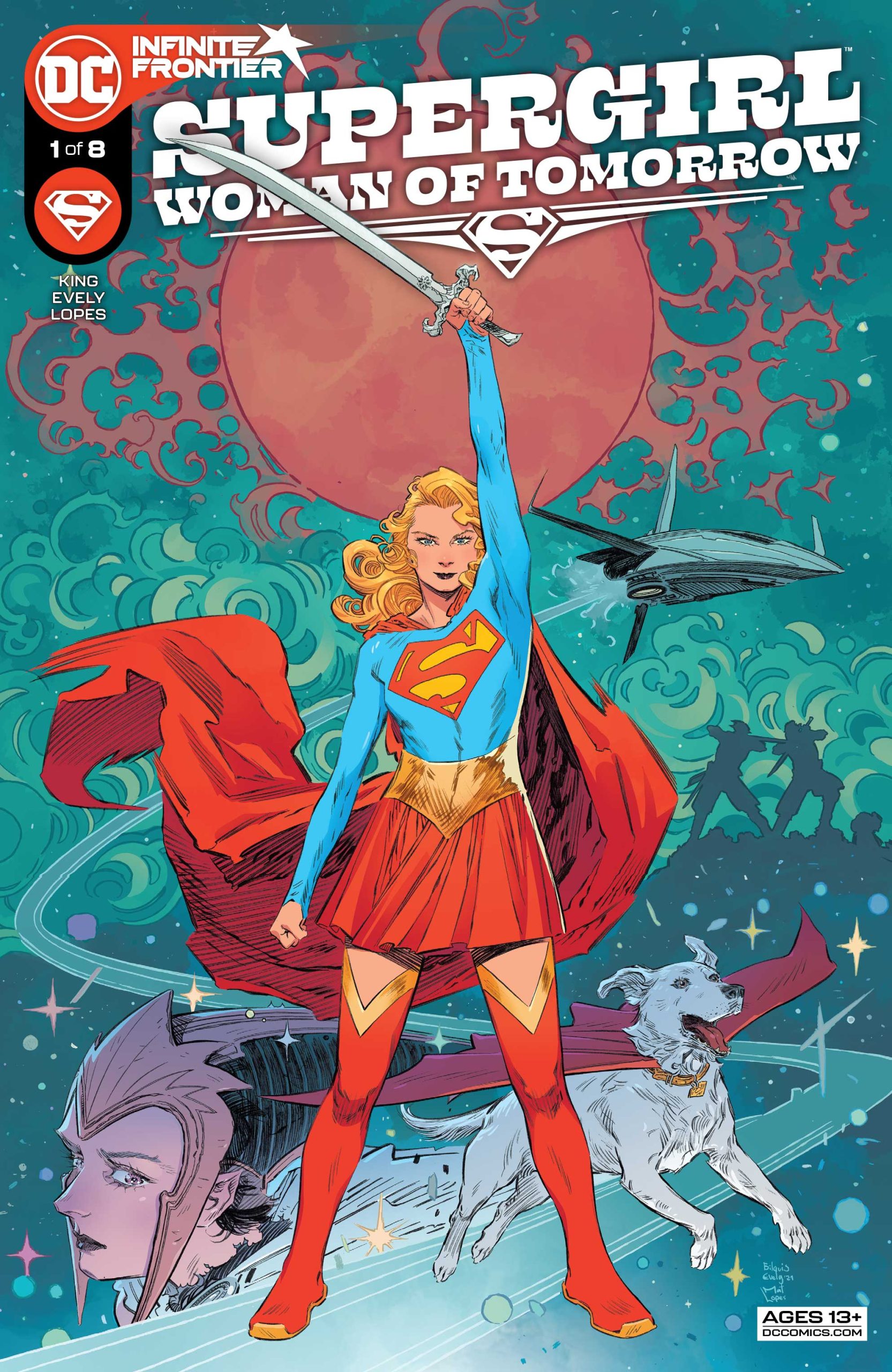
The upcoming release of the feature film Supergirl: Woman of Tomorrow, scheduled to hit theaters on June 26, 2026, has reignited critical interest in the 2021 DC Comics eight-issue limited series of the same name. Written by Tom King with art by Bilquis Evely and colorist Matheus Lopes, the series was initially met with widespread acclaim for its ambitious scope and visual presentation. However, as the industry prepares for the cinematic adaptation—a cornerstone of the new DC Universe roadmap—a segment of the fanbase and literary critics have begun to re-examine the narrative choices made within the source material, specifically regarding the characterization of Kara Zor-El.
Origins and Narrative Framework
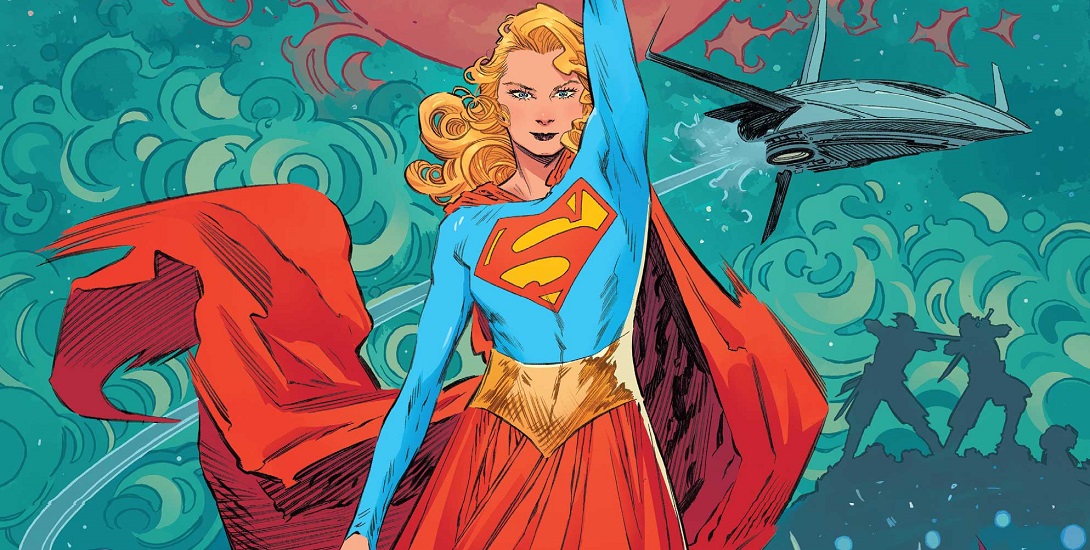
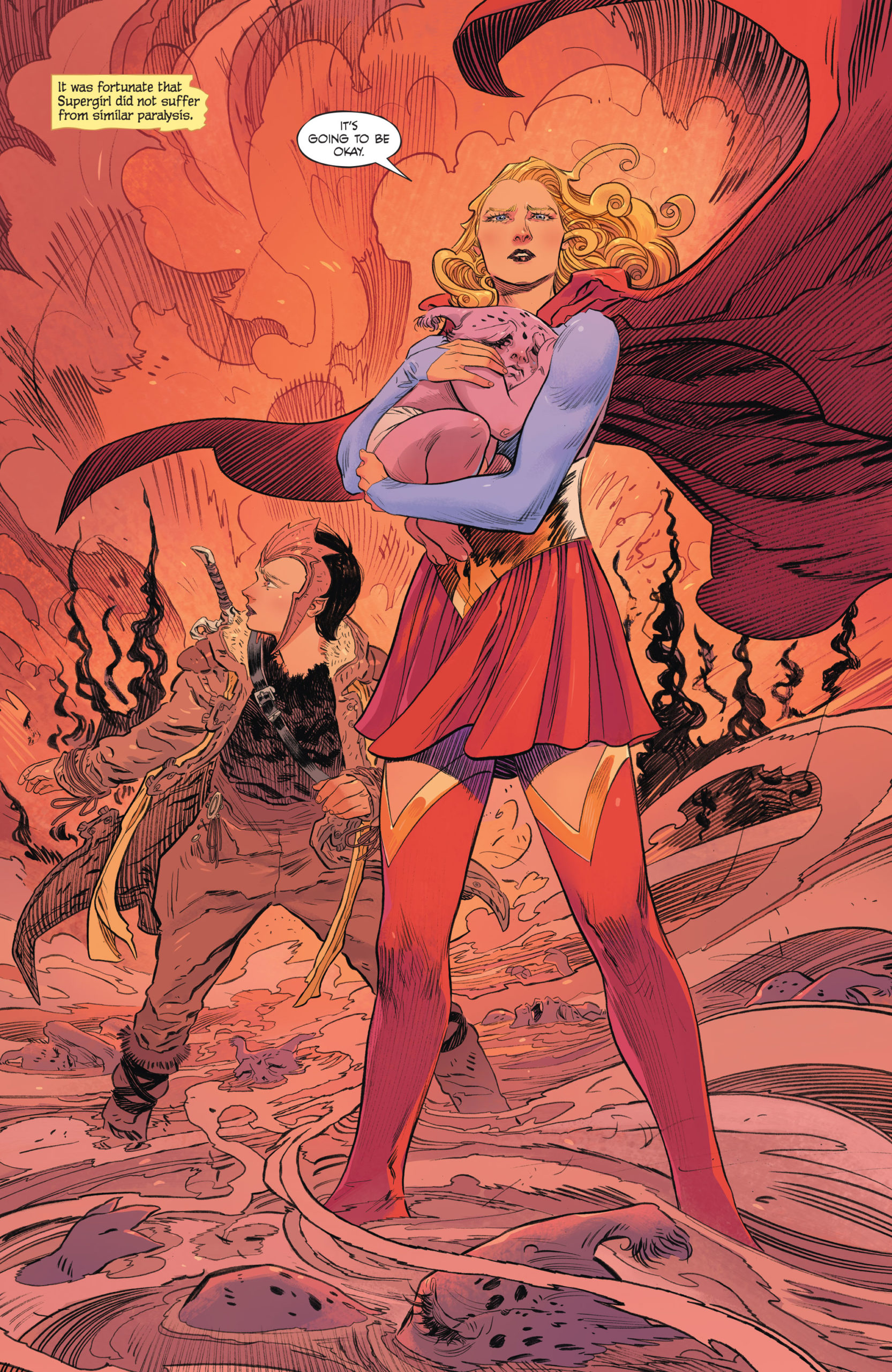
Published between 2021 and 2022, Supergirl: Woman of Tomorrow serves as a space-faring odyssey that departs from the traditional Earth-bound adventures typically associated with the character. The plot follows Kara Zor-El as she encounters Ruthye Marye Knoll, a young alien girl seeking vengeance against Krem of the Yellow Hills, the mercenary responsible for the murder of her father.
The narrative is framed through the lens of a classic "space western," utilizing expansive, ethereal landscapes to mirror the internal journey of the protagonists. The series quickly established a reputation for its high-concept storytelling and, significantly, the exceptional aesthetic contributions of Bilquis Evely. The artistic team received multiple accolades, with many critics citing the visual design as the series’ most consistent achievement.
Chronology of Critical Reception
The initial reception of the comic was largely favorable, focusing on its departure from the "Super-family" status quo. Reviews in 2021 praised the depiction of Supergirl as a weary, seasoned cosmic traveler rather than a mere sidekick or protégé to Superman.
However, as the series concluded, a shift in discourse occurred. Longtime readers of the character noted a divergence from established canon regarding Kara’s temperament. Concerns were raised regarding the opening sequence of the series, which depicts a 21-year-old Kara engaging in heavy drinking on her birthday. While some viewed this as a humanizing moment of isolation, others argued it lacked the necessary context or cultural tether to Kryptonian traditions, which could have provided a more nuanced explanation for her state of mind.

Analytical Perspectives on Characterization
The primary tension within the critical community lies in the portrayal of Kara’s morality. Tom King, known for his deconstructive approach to iconic superheroes—as seen in his work on Strange Adventures and The Human Target—frequently explores themes of trauma and moral ambiguity. In Woman of Tomorrow, this manifests as a Supergirl who is not merely a beacon of hope, but a character pushed to the brink of nihilism.
From a structural standpoint, the series relies heavily on the parallelism between Ruthye’s quest for vengeance and Kara’s own suppressed grief over the destruction of Krypton. Scholars of the series point out that the ending—where Supergirl remains silent as Ruthye delivers a final act of violence—serves as the ultimate litmus test for the reader’s interpretation.

- The "Nihilist" Interpretation: This view suggests that Supergirl’s silence is an admission that she has abandoned her traditional moral code, viewing justice through a lens of pragmatic vengeance rather than absolute altruism.
- The "Growth" Interpretation: Conversely, some argue that Supergirl’s restraint in that moment indicates a mature acceptance of agency, allowing Ruthye to find her own closure without the interference of the Kryptonian hero.
The Role of Visual Storytelling
It is widely acknowledged that the art of Bilquis Evely and Matheus Lopes elevates the source material beyond the limitations of its script. The visual language—characterized by intricate architectural designs, varied planetary environments, and expressive character work—provides a grounded reality to a story that often veers into the abstract. In the context of the 2026 film, the aesthetic blueprint provided by the comic is likely to serve as a primary reference point for production designers, as it represents a unique visual identity distinct from the broader DC cinematic aesthetic.
Broader Implications for the DC Cinematic Universe
The adaptation of this specific title is a strategic choice for the new leadership at DC Studios. By selecting a self-contained, high-stakes story that functions independently of the Justice League, the studio aims to establish a specific tone for its "Supergirl" project: one that is gritty, character-driven, and cosmic in scale.

However, the discourse surrounding the comic highlights the risks inherent in adapting "deconstructive" comic runs. When a film relies on the subversive character beats of a source text, it must balance these elements against the audience’s long-term familiarity with the character’s legacy. If the film leans too heavily into the "depressive" aspects of the 2021 series, it may risk alienating segments of the audience who prefer the more traditional, optimistic iteration of Kara Zor-El.
Conversely, the success of the series as a standalone work of art suggests that there is a significant appetite for stories that challenge the status quo of the "Man of Steel" and his kin. The challenge for the production team will be to translate the nuanced, often quiet moments of the comic—such as the final confrontation in the Phantom Zone—into a cinematic language that resonates with a wider demographic.
Economic and Cultural Context
The "Woman of Tomorrow" series has experienced a resurgence in sales and library circulation in anticipation of the 2026 premiere. This is a common phenomenon in modern media, where source material gains retrospective importance as it is integrated into a larger transmedia franchise.
Market analysts have noted that the "event" nature of the upcoming film reflects a broader trend in Hollywood: the search for prestige, limited-run comic adaptations that offer a more focused, director-driven experience. By utilizing the work of King and Evely, the studio is positioning the Supergirl brand not just as a supporting character, but as a central figure capable of anchoring an emotionally complex, high-budget feature.

Conclusion: A Legacy in Flux
As the 2026 release date approaches, the debate over Supergirl: Woman of Tomorrow continues to evolve. It remains a polarizing text that asks fundamental questions about the nature of heroism and the shelf-life of trauma. Whether the film ultimately embraces the nihilistic undertones of the source material or opts for a more traditional heroic trajectory, the discourse surrounding the comic has cemented its status as a vital piece of modern DC lore.
For fans and critics alike, the re-reading process serves as a reminder that comic characters are not static entities. They are fluid, subject to the interpretations of the writers and artists tasked with their care. As the "Woman of Tomorrow" prepares to make her transition from the printed page to the silver screen, the legacy of this series will undoubtedly serve as the foundation upon which the next generation of audiences evaluates the character. Whether the conclusion of the story is interpreted as a triumph of mercy or a descent into darkness, its ability to provoke such intense debate is, in itself, a testament to the enduring power of the character.